
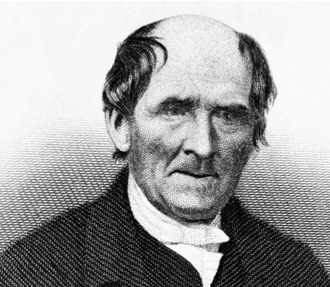
Billy Bray (1794–1868), often affectionately known as the “King’s Son,” was one of the most colorful and beloved figures in the history of Methodism in Cornwall, England. His life stands as a powerful testimony to personal transformation, joyful faith, and the enduring influence of humble yet wholehearted Christian devotion. Though he was not a formally trained minister, Bray’s exuberant spirit and unwavering testimony left a deep impression on the Methodist movement and the communities he served.
Born in the village of Twelveheads in Cornwall, Bray grew up in a mining environment marked by hardship and limited opportunity. Like many in his community, he worked as a tin miner, a demanding and often dangerous occupation. His early life, however, was far from exemplary. Bray struggled with drunkenness and lived a reckless lifestyle, later describing himself as deeply unhappy and without purpose despite his outward behavior.
A turning point came in his early thirties when Bray experienced a profound religious conversion. Influenced by Methodist preaching and the broader revivalist spirit of the time, he embraced the Christian faith with remarkable enthusiasm. This transformation was not gradual but immediate and dramatic. From that moment forward, Bray became known for his joyful expression of faith, frequently singing, praying aloud, and testifying to God’s grace in public settings.
Bray soon became associated with the Methodism, which was spreading rapidly throughout Britain in the late eighteenth and early nineteenth centuries. Methodism emphasized personal conversion, holiness of life, and active evangelism—principles that aligned perfectly with Bray’s character. Although he never held a formal clerical position, he served as a lay preacher, sharing his testimony in chapels, homes, and open-air gatherings.
One of the most distinctive features of Bray’s ministry was his unrestrained joy. He became famous for his spontaneous expressions of praise, often clapping, dancing, or shouting during worship. While some found his behavior unconventional, many were drawn to the sincerity and vitality of his faith. His nickname, “the King’s Son,” reflected his belief that, as a child of God, he possessed a spiritual inheritance far greater than any earthly wealth.
Bray’s influence extended beyond his preaching. He was deeply committed to the life of his local Methodist society, contributing both time and labor to its growth. Notably, he helped build chapels in his area, including the well-known Baldhu Chapel, where he is buried beneath the pulpit. His practical involvement demonstrated that his faith was not merely expressive but also active and sacrificial.
Despite his joyful demeanor, Bray’s life was not without hardship. He endured poverty, physical labor, and the challenges common to working-class life in nineteenth-century Cornwall. Yet he consistently maintained a spirit of gratitude and trust in God. His ability to find joy amid difficulty became one of the most compelling aspects of his witness, offering encouragement to others facing similar struggles.
Bray’s legacy is closely tied to the Methodist revival in Cornwall, where his life became a symbol of the movement’s transformative power. He embodied the core message of Methodism: that genuine faith could change lives and bring hope to even the most unlikely individuals. His story was widely shared in sermons and writings, inspiring others to seek a similar experience of grace.
In addition to his local impact, Bray’s life has been preserved through biographies and collections of his sayings, which highlight his simple yet profound understanding of faith. His words often reflected a deep trust in God’s providence and a childlike confidence in divine love. This simplicity made his message accessible to ordinary people and ensured its lasting appeal.
The broader impact of Billy Bray can be seen in the way he represents the role of laypeople in religious movements. At a time when formal education and ordination often defined leadership, Bray demonstrated that spiritual influence could come from sincerity, dedication, and personal experience. His life reinforced the idea that every believer could play a part in spreading the Christian message.
Today, Billy Bray is remembered as a figure of warmth, humility, and unwavering faith. His grave at Baldhu remains a place of interest, and his story continues to be told as an example of genuine Christian joy. In an age that often values reserve and formality, Bray’s exuberance offers a refreshing reminder of the power of heartfelt devotion.
In the final analysis, the life of Billy Bray illustrates how a transformed heart can influence a community and leave a lasting legacy. His journey from a troubled miner to a joyful evangelist captures the essence of the Methodist message and continues to inspire those who seek a faith marked by both conviction and joy.
_____
Image Source/Credit:
• G. H. Baker, Public domain, via Wikimedia Commons
Related
Sorry, no records were found. Please adjust your search criteria and try again.
Sorry, unable to load the Maps API.