Hymn History: How Can It Be?
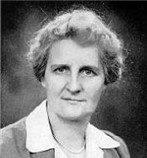
Author: Avis Marguerite Burgeson Christiansen
“Avis B. Christiansen is the gifted author of many of our sweetest gospel songs. By means of these, her name is known around the world, for many of these delightful lyrics have been translated into various languages. She is a modest, retiring person… With a very keen apprehension of spiritual realities, and a clear understanding of the great truths revealed in the Word of God, her hymns and poems are eminently Scriptural and soul-uplifting.”
(H. A. Ironside)
The Origin of the Hymn “How Can It Be?”
The life and legacy of Avis Marguerite Burgeson Christiansen reflect the fruitful ministry of a twentieth-century gospel poet whose words strengthened congregations across America. Though not a household name in every church, Christiansen’s hymns were widely published, frequently sung, and deeply appreciated for their clarity, warmth, and reverent wonder. Among her best-known texts is the hymn “How Can It Be?”, a song that expresses awe at the grace of God in salvation.
Avis Christiansen was born in 1895 in the American Midwest and grew up in a Christian home where music and faith were closely linked. From an early age she demonstrated both literary ability and musical sensitivity. Her writing career began while she was still young, and she soon became known for her devotional poetry. Unlike some hymn writers who also composed music, Christiansen primarily wrote texts, collaborating with composers who supplied melodies suited to congregational singing.
Her adult life was marked by service within evangelical church circles. She was closely associated with Bible conferences and gospel music ministries, settings in which strong, doctrinally sound lyrics were valued. Christiansen had a gift for presenting profound theological truths in language that ordinary believers could grasp and cherish. That gift is clearly seen in “How Can It Be?”, a hymn that contemplates the mystery of redemption.
The central theme of “How Can It Be?” is amazement at the grace of God. The question in the title echoes the sense of wonder found in Scripture when believers consider the magnitude of Christ’s sacrifice. Though the phrase recalls the famous eighteenth-century hymn by Charles Wesley, Christiansen’s text stands on its own, shaped by the gospel song tradition of her time. Her words lead the singer to reflect on personal unworthiness and divine mercy.
The hymn moves from contemplation to praise. Rather than remaining in abstract theology, it invites heartfelt response. The singer acknowledges the miracle of forgiveness and expresses gratitude for salvation secured through Christ’s atoning work. This approach was typical of Christiansen’s writing. She did not treat doctrine as distant theory; instead, she drew it close to the believer’s daily life.
Christiansen’s collaboration with prominent gospel musicians broadened her influence. Many of her texts were set to music by well-known composers of the mid-twentieth century, enabling her words to travel far beyond her own community. Gospel publishing houses included her hymns in widely distributed songbooks used in churches, revival meetings, and Bible institutes. Through these channels, “How Can It Be?” found a place in the devotional life of countless congregations.
The style of her writing reflects the strengths of traditional gospel hymnody. Her language is reverent yet accessible. She often used vivid but familiar imagery, allowing worshipers to picture the truths they were singing. In “How Can It Be?”, the focus remains firmly on Christ’s redeeming love and the believer’s grateful response. The hymn avoids unnecessary ornamentation and instead speaks plainly, trusting the power of the gospel message itself.
Beyond this particular hymn, Christiansen authored hundreds of texts. Her body of work includes songs of assurance, consecration, and praise. Many were written for special occasions or specific ministries, yet they possess a timeless quality rooted in biblical truth. She understood that congregational song must be both singable and spiritually nourishing. That practical wisdom helped secure her place among respected gospel hymn writers.
Her legacy is also notable in another respect: she carried forward a tradition of women contributing meaningfully to church music. In a field often associated with male evangelists and composers, Christiansen’s steady output of thoughtful lyrics demonstrated the vital role women played in shaping worship. Her work stands alongside that of earlier hymn writers who used poetry to teach, comfort, and inspire.
In assessing her impact, it is clear that Christiansen’s strength lay in expressing wonder at divine grace. “How Can It Be?” encapsulates this emphasis. The repeated question is not one of doubt but of astonishment. It recognizes that salvation is beyond human earning or comprehension. By framing the hymn around that sense of marvel, she encouraged believers to approach worship with humility and gratitude.
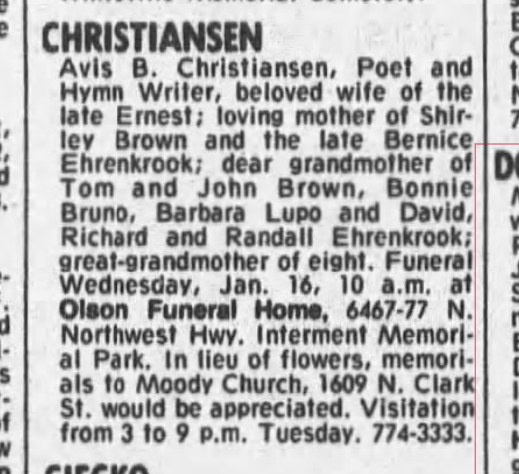
Avis Marguerite Burgeson Christiansen passed away in 1985, but her hymns continue to be sung wherever traditional gospel music is cherished. Through “How Can It Be?” and many other texts, she left a legacy of reverent praise rooted in Scripture. Her life’s work reminds the church that clear, heartfelt words can carry eternal truths from one generation to the next. In giving voice to wonder at God’s grace, she helped countless worshipers do the same.
_____
Many a lost soul has been won to the Lord by wandering over the cobblestones of memory’s lane and hearing again the sweet hymns of the church. When the roll is finally called up yonder, Avis B. Christiansen will find stars in her crown never dreamed of. As poetess and hymn writer, her inspired words have brought easing of pain to broken hearts and, through the Holy Spirit, helped to work the miracle of salvation in many others.
Mrs. Christiansen has both the rhyme and the reason for expressing in heaven-sent eloquence the love and kindness of the Saviour.
Born into a Christian home where whole-hearted service of Christ was accepted as the natural thing, Avis became a child of the King at an early age. The wonder of salvation in her own life has flowed out in her beautiful verses to draw others close to her Saviour.
Her first poem was written at about the age of ten. She was encouraged by her grandmother, a godly woman who loved the music of the soul as expressed in poetry. While still in her teens, Avis was led of the Lord into a ministry of poetry and hymns that is best described in the lines of one of her own works: “Lost in His love! My soul with its sweetness overflows.” It happened in this fashion…..
_____
Author of hymns such as:
O Savior as my eyes behold
The wonders of Thy might untold
The heav’ns in glorious light arrayed
The vast creation Thou hast made
And yet to think Thou lovest me
My heart cries out how can it be
And
Only one life to offer, Jesus, my Lord and King;
Only one tongue to praise Thee And of Thy mercy sing (forever);
Only one heart’s devotion Saviour, O may it be
Consecrated alone to Thy matchless glory, Yielded fully to Thee.
And
And
_____
_____
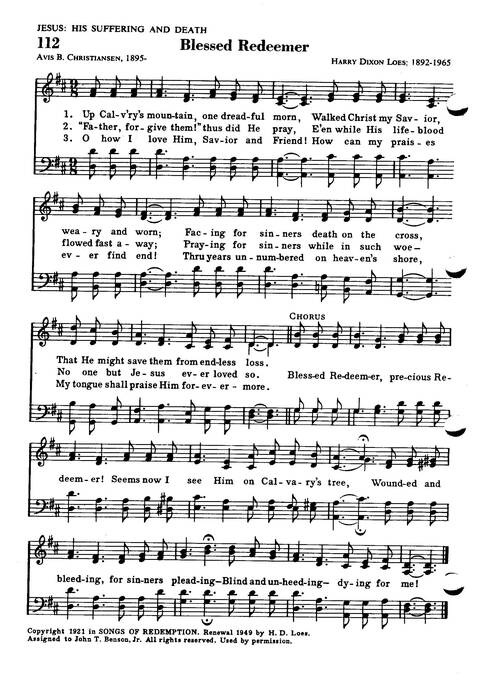
One of her first songs that has remained popular through the years is Blessed Redeemer. It was written in 1920 and the music was composed by Harry Dixon Loes. He had studied music at Moody Bible Institute. After finishing school, he served several churches in the music ministry and from 1939 until his death in 1965, he was a member of the Faculty of Moody Bible Institute. It very seldom happens in this order, but one day while listening to a sermon about Christ’s Atonement entitled Blessed Redeemer, Loes was inspired to compose the tune which he named, Blessed Redeemer. Not having any idea for appropriate words, he sent the melody with the suggested title to Mrs. Christiansen and asked her to write suitable lyrics to fit the melody. The completed hymn first appeared in the hymnal, Songs of Redemption, in 1920. It is one of my favorite songs and it is safe to say that the song has remained a congregational favorite through the years.
_____
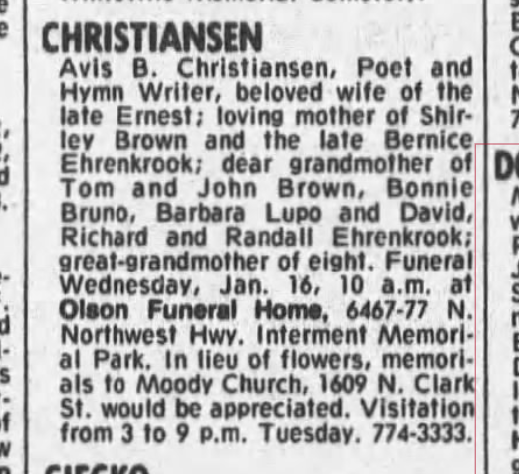
Chicago Tribune – 1985
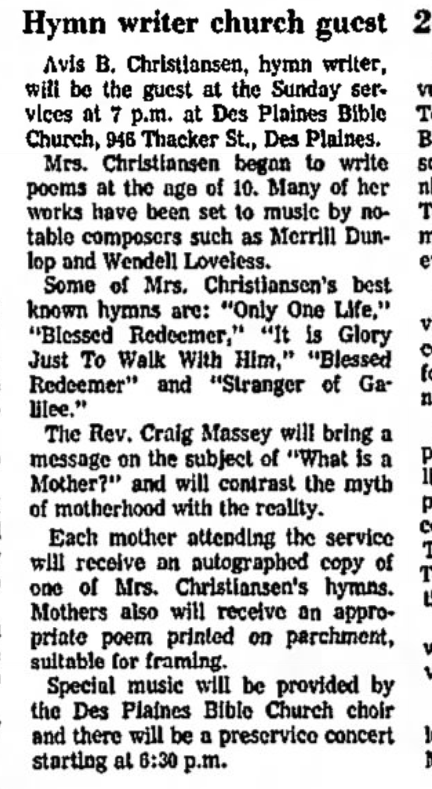
The Daily Herald Thu, May 08, 1975
_____
Hymns by Avis Burgeson Christiansen in Great Hymns of the Faith:
#67 – How Can It Be?
#112 – Blessed Redeemer
#121 – Blessed Calvary!
#330 – Fill All My Vision
#395 – Only One Life
#471 – Love Found a Way
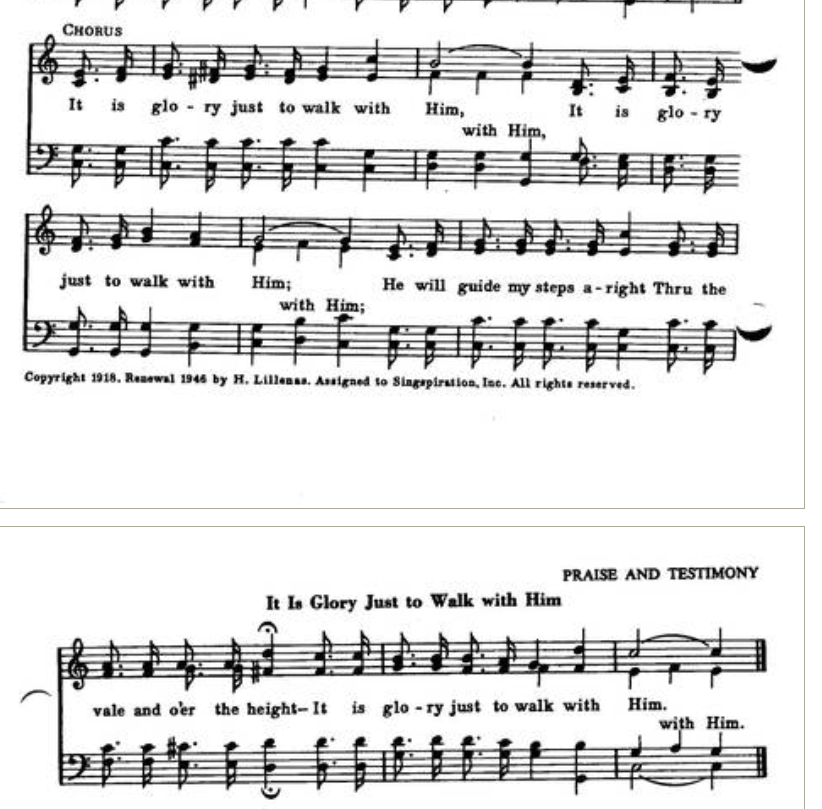
#476 – It Is Glory Just to Walk with Him
____
Image Source/Credit (in order):
- Conley, November 1. 2017Written by Terry. “Avis Marguerite Burgeson Christiansen – Aletheia Baptist Ministries.” Aletheia Baptist Ministries, 18 Apr. 2020, aletheiabaptistministries.org/Blog/in-hymns-and-songs/avis-marguerite-burgeson-christiansen.
-
Newspapers.com, Chicago Tribune, January 15, 1985, https://www.newspapers.com/article/chicago-tribune/191759128/