The Winona History Center serves as a vital guardian of the rich cultural and religious heritage of Winona Lake. Situated in a town once known as a major hub for Bible conferences and Christian gatherings, the center preserves the stories, artifacts, and legacy of a community that played a significant role in shaping American evangelical life in the late 19th and early 20th centuries.
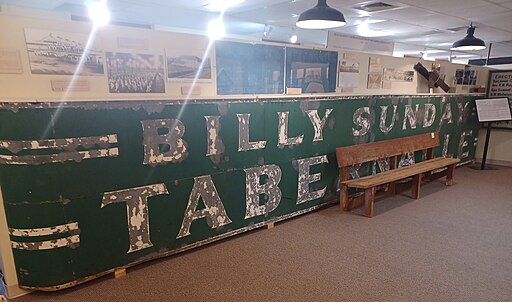
Winona Lake rose to prominence during a time when large religious assemblies were a defining feature of American spiritual culture. Beginning in the 1890s, the town became home to the Winona Assembly, one of the most influential Bible conference movements in the United States. Prominent speakers, teachers, and evangelists traveled there each summer to address thousands who gathered for preaching, worship, and instruction. Figures such as Billy Sunday and other well-known leaders of the era contributed to the town’s reputation as a center for religious life and moral reform.
The Winona History Center captures this vibrant past through a carefully curated collection of exhibits. Visitors can explore displays that highlight the development of the Winona Assembly, the architectural character of the town, and the broader social and religious movements that intersected there. Photographs, documents, and personal artifacts provide a tangible connection to the individuals and events that shaped the community.
One of the key aspects of the center’s work is its focus on preserving the historic district of Winona Lake. Many of the original buildings associated with the assembly era still stand, including cottages, meeting halls, and other structures that once hosted thousands of visitors. The History Center helps interpret these buildings, offering context and meaning that allow modern visitors to appreciate their significance.
In addition to its religious heritage, the Winona History Center also explores the town’s role as a cultural and educational hub. Over time, Winona Lake became home to institutions such as Grace College, which continues to contribute to the intellectual and spiritual life of the area. The transition from a seasonal gathering place to a year-round community reflects broader changes in American society, and the center provides insight into how these shifts were experienced locally.
The legacy of the Winona History Center lies in its commitment to preserving a distinct chapter of American history. The rise of conference grounds like Winona Lake represented a unique blending of faith, education, and community life. These gatherings provided opportunities for spiritual growth, social connection, and cultural exchange, leaving a lasting impact on those who attended.
Today, the History Center continues to serve both residents and visitors, offering educational programs, guided tours, and special events that bring the past to life. Its work ensures that the story of Winona Lake is not forgotten, but instead remains accessible and meaningful to future generations.
In its history and mission, the Winona History Center stands as more than a museum—it is a steward of memory. By preserving the heritage of a community shaped by faith and fellowship, it invites reflection on a time when such gatherings played a central role in American life. Through its exhibits and ongoing efforts, the center honors the legacy of Winona Lake and the enduring influence of its remarkable past.
♦ _____ ♦
From the Center:
The Winona History Center is located in the original Westminster Hotel, one of several hotels built to lodge the many guests that flocked to Winona Lake through the years. The west wing of the first floor, which houses the museum, was the location of the offices of gospel music pioneer Homer Rodeheaver. In addition to highlighting Rodeheaver’s legacy, the museum includes exhibits on the Chautauqua movement in Winona, its legendary Bible conferences, and evangelist Billy Sunday. It also features hundreds of artifacts and photographs telling of Winona’s ties to America’s cultural, educational, and religious heritage. In addition to the museum, the center offers tours of the Billy Sunday evangelist’s family home, and for researchers, the archives house thousands of documents, recordings, and letters from Winona’s rich past.
_____
Image Source/Credit:
• Xnatedawgx, CC BY-SA 4.0 <https://creativecommons.org/licenses/by-sa/4.0>, via Wikimedia Commons
Related
Sorry, no records were found. Please adjust your search criteria and try again.
Sorry, unable to load the Maps API.