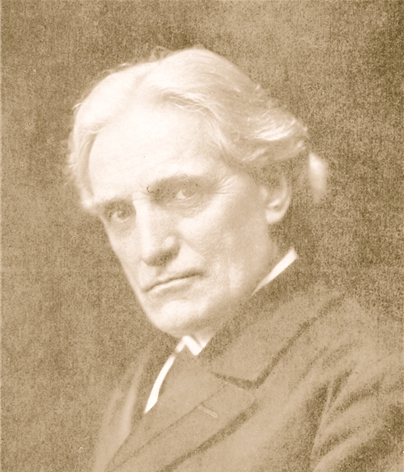
Henry Clay Morrison (1857–1942) was a prominent Methodist preacher, evangelist, educator, and editor whose influence helped shape the holiness movement in the United States during the late nineteenth and early twentieth centuries. Known for his powerful preaching and strong commitment to evangelical Methodism, Morrison spent more than half a century proclaiming the gospel and promoting the message of Christian holiness.
Morrison was born on March 30, 1857, in rural Kentucky near the town of Campbellsville. Raised in a devout Methodist family, he experienced a religious conversion as a young man and soon felt called to preach. He joined the ministry of the Methodist Episcopal Church, South and quickly developed a reputation as an earnest and persuasive evangelist. His sermons emphasized personal salvation, repentance, and the possibility of a deeper Christian life marked by holiness.
During the 1880s and 1890s, Morrison became widely known through revival meetings held throughout the American South and Midwest. His preaching was characterized by vivid illustrations, emotional appeal, and a strong call for moral reform. Morrison’s influence grew even greater in 1897 when he became editor of the influential religious periodical, the Pentecostal Herald. Under his leadership, the magazine became one of the most widely read holiness publications in the country, promoting revivalism and the doctrine of entire sanctification.
One of Morrison’s most lasting contributions came in 1903 when he founded the Pentecostal Collegiate Institute in Franklin Springs. The school was established to train ministers and Christian workers committed to evangelical faith and holiness teaching. After a fire destroyed the original campus in North Carolina, the institution relocated to Georgia and eventually developed into what is now known as Emmanuel University. Through this educational work, Morrison helped prepare generations of pastors, missionaries, and Christian leaders.
Morrison was also closely associated with the founding of the Asbury Theological Seminary. In 1923 he helped establish the school in Wilmore with the goal of providing strong evangelical training for Methodist ministers. Morrison served as the seminary’s first president and remained a guiding influence in its early development. The institution would later become one of the most respected evangelical seminaries in the Methodist tradition.
Despite his achievements as an educator and editor, Morrison never abandoned his passion for evangelism. Throughout his life he conducted revival meetings, camp meetings, and Bible conferences across the United States. His preaching often called believers to renewed spiritual commitment and warned against what he believed were theological compromises within the church.
Henry Clay Morrison died on February 24, 1942, leaving behind a legacy deeply rooted in the holiness movement and evangelical Methodism. Through his preaching, writing, and educational leadership, he helped shape a generation of ministers who carried forward the message of revival and spiritual renewal.
Today Morrison is remembered as a vigorous defender of traditional Methodist theology and a passionate advocate for personal holiness. His work in founding schools, publishing religious literature, and preaching the gospel ensured that his influence would continue long after his lifetime, leaving a lasting imprint on American evangelical Christianity.
_____
Morrison Park is a small but historically meaningful green space located in the heart of Wilmore. The park commemorates the life and influence of Henry Clay Morrison, a prominent Methodist evangelist, educator, and religious leader who played a significant role in the spiritual and educational development of the community.
The park is situated near the campus of Asbury Theological Seminary, an institution Morrison helped establish in 1923. As the seminary’s founding president, Morrison worked to create a center for evangelical theological education that would train ministers committed to preaching the gospel and promoting the message of Christian holiness. His leadership helped shape Wilmore into an important center for Methodist scholarship and revivalism.
Morrison Park serves as a quiet place of reflection and remembrance within the town. Though modest in size, it stands as a tribute to Morrison’s enduring legacy in Wilmore and the broader Methodist movement. The park provides a pleasant setting where residents, students, and visitors can gather, walk, or rest while remembering the man whose vision helped influence the spiritual life of the community.
Today, Morrison Park remains a symbol of Wilmore’s deep connection to the heritage of evangelical Methodism and the lasting impact of Henry Clay Morrison’s ministry and leadership.
_____
Image Source/Credit:
• Public domain
Related
Sorry, no records were found. Please adjust your search criteria and try again.
Sorry, unable to load the Maps API.