
Eternity Cafe is a unique establishment that blends hospitality with a message of faith, offering visitors not only food and drink but also an opportunity for reflection and spiritual encouragement. Located in the heart of Melbourne, the café has become known for its welcoming atmosphere and its connection to one of the city’s most enduring religious legacies.
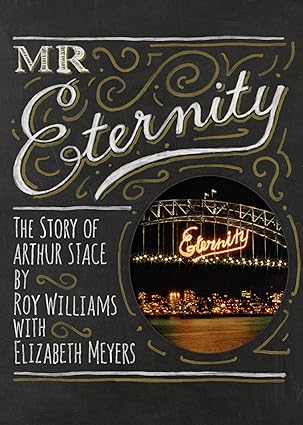
The name “Eternity Cafe” is drawn from the story of Arthur Stace, a humble man who became famous for writing the single word “Eternity” in elegant script on the streets of Sydney over several decades. Though Stace’s work was centered in Sydney, his message resonated throughout Australia, becoming a symbol of spiritual reflection and the fleeting nature of life. The café embraces this theme, encouraging patrons to pause and consider deeper questions amid the busyness of daily routines.
From the moment visitors step inside Eternity Cafe, they are greeted by a warm and inviting environment. The décor often includes subtle references to faith, Scripture, and the theme of eternity, presented in a way that is thoughtful rather than overwhelming. Comfortable seating, soft lighting, and a calm ambiance make it a place where individuals can relax, meet friends, or spend quiet time in personal reflection.
The menu at Eternity Cafe reflects the standards of Melbourne’s well-regarded café culture. Guests can expect a selection of freshly brewed coffee, teas, and a variety of light meals, including sandwiches, pastries, and breakfast items. Attention is given to quality and presentation, ensuring that the café competes not only on its message but also on its service and offerings. This balance between excellence in hospitality and spiritual purpose is central to its identity.
What sets Eternity Cafe apart, however, is its underlying mission. It is not simply a business but an outreach, seeking to create a space where conversations about life, faith, and purpose can naturally occur. Staff members are often approachable and willing to engage with customers beyond routine service, fostering a sense of community that extends beyond the typical café experience. For some visitors, this may be their first encounter with a setting where faith is presented in such an accessible and everyday context.
The café also serves as a meeting place for small groups, चर्च discussions, and informal gatherings. It provides a neutral ground where people from different backgrounds can come together, share ideas, and explore spiritual questions without the formality that sometimes accompanies traditional religious settings. In this way, Eternity Cafe functions as both a social hub and a quiet place of witness.
Its presence in Melbourne—a city known for its diversity and vibrant culture—adds to its significance. By integrating faith into a familiar and welcoming environment, the café offers an alternative approach to ministry, one that meets people where they are rather than expecting them to enter a more formal space.
In a world that often moves at a rapid pace, Eternity Cafe invites its visitors to slow down and reflect. Whether one comes for a cup of coffee, a conversation, or a moment of quiet thought, the experience is shaped by a gentle reminder of enduring truths. Through its combination of hospitality and purpose, Eternity Cafe continues to offer something both simple and meaningful: a place to pause and consider the deeper dimensions of life.
♦ _____ ♦
“There were suggestions that the city should erect a plaque to his memory. One idea was that there should be a statue in Railway Square depicting Stace kneeling, chalk in hand.
In 1968 the Sydney City Council decided to perpetuate Stace’s one-word sermon by putting down permanent plaques in “numerous” locations throughout the city. But a team of City Commissioners stopped the idea. They thought it was too trivial.
For weeks there was angry debate in the Letters to the Editor columns. One reader believed Mary Anne Smith, who gave us the Granny Smith apple, was far more worthy of recognition.
But finally, Arthur Stace did get his plaque.
It happened ten years after his death and it was due to Ridley Smith, architect of Sydney Square next to St. Andrew’s Cathedral. He set the message ETERNITY in cast aluminium, set in pebbles, near the Sydney Square waterfall.”
See the memorial at his grave
_____
Image Source/Credit:
• Mr Eternity: The Story of Arthur Stace eBook : Williams, Roy: Amazon.co.uk: Kindle Store (www.amazon.co.uk/Mr-Eternity-Story-Arthur-Stace-ebook/dp/B076VQPRGP)
Related
Sorry, no records were found. Please adjust your search criteria and try again.
Sorry, unable to load the Maps API.