
The Erasmus House is one of the most treasured historical sites associated with Desiderius Erasmus, offering a rare and intimate glimpse into the life of the great Renaissance thinker. Located in Anderlecht, this modest yet dignified residence preserves the memory of Erasmus’s brief but meaningful stay in the early 16th century.
Erasmus lived in the house in 1521 as a guest of his friend, the canon Pieter Wijchmans. Though his stay lasted only a few months, it came at an important time in his life. Europe was entering a period of intense religious upheaval, and Erasmus, already well known for his scholarship and writings, sought a place of relative quiet where he could continue his studies. The house in Anderlecht provided such a refuge. Within its walls, Erasmus devoted himself to reading, writing, and reflection, pursuits that defined his lifelong commitment to learning and spiritual renewal.
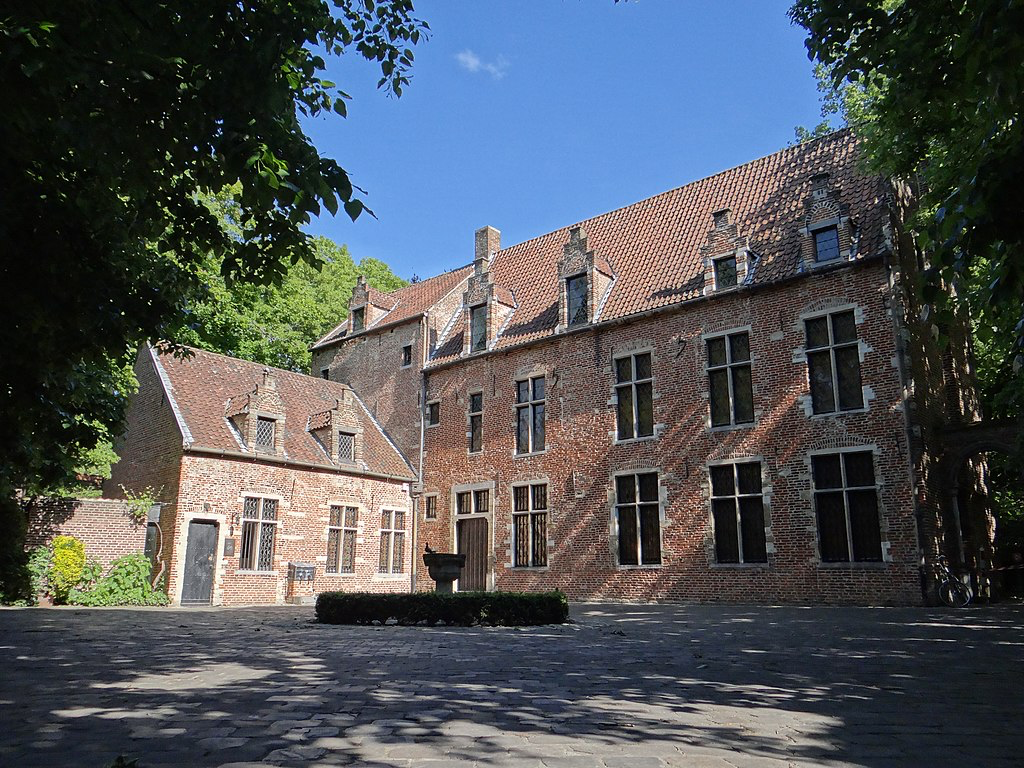
The Erasmus House itself dates to the late 15th century and is a fine example of traditional Flemish domestic architecture. Built of brick and stone, it features steep roofs, mullioned windows, and a tranquil enclosed garden. The simplicity of the structure reflects the kind of environment Erasmus preferred—orderly, peaceful, and conducive to intellectual work rather than worldly display.
Today, the house has been carefully preserved and transformed into a museum dedicated to Erasmus’s life and legacy. Visitors can walk through rooms furnished in period style, gaining a sense of what daily life might have been like during his stay. The study, in particular, evokes the quiet discipline of Renaissance scholarship, with its writing desk, books, and atmosphere of contemplation. Though many of the furnishings are reconstructions, they are based on historical records and help convey the spirit of the time.
One of the most notable features of the Erasmus House is its beautiful garden, which has been designed to reflect both Renaissance and modern influences. The original medicinal and philosophical garden recalls the humanist interest in nature, healing, and classical learning. In contrast, a more contemporary garden space incorporates artistic elements that invite reflection, demonstrating how Erasmus’s legacy continues to inspire new generations.
The museum also houses a collection of early printed books, manuscripts, and artworks related to Erasmus and his era. These exhibits highlight his contributions to Renaissance Humanism, particularly his emphasis on returning to original texts and promoting education grounded in moral and intellectual integrity. Through these displays, visitors gain a deeper understanding of how Erasmus helped shape the intellectual climate of his age.
The significance of the Erasmus House lies not only in its connection to a great scholar but also in what it represents more broadly. It stands as a symbol of the enduring value of quiet study, thoughtful inquiry, and the pursuit of truth. In a time when Europe was divided by religious conflict, Erasmus sought reform through learning and dialogue, and this humble dwelling in Anderlecht reflects that spirit.
Today, the Erasmus House remains a place of learning and reflection, drawing visitors from around the world. It serves as a reminder that even a brief stay in a simple home can leave a lasting mark on history when guided by a mind devoted to wisdom and a heart committed to peace.
_____
Image Source/Credit:
• Photo Anne Jea. CC 4.0
Related
Sorry, no records were found. Please adjust your search criteria and try again.
Sorry, unable to load the Maps API.