Favorite
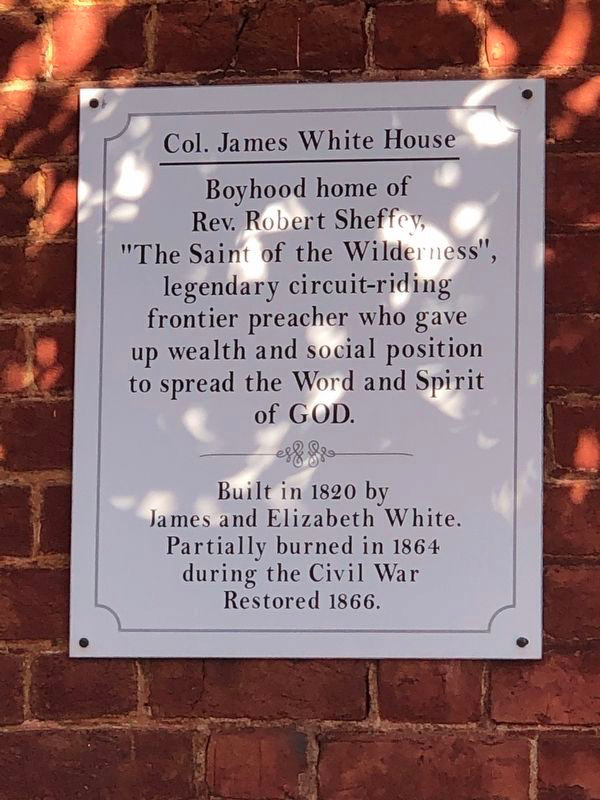
Boyhood home of Rev. Robert Sheffey, “The Saint of the Wilderness”, legendary circuit-riding frontier preacher who gave up wealth and social position to spread the Word and Spirit of God. Built in 1820 by James and Elizabeth White. Partially burned in 1864 during the Civil War. Restored 1866. ♦ _____ ♦ The story of the Colonel James White House Read more...
Favorite
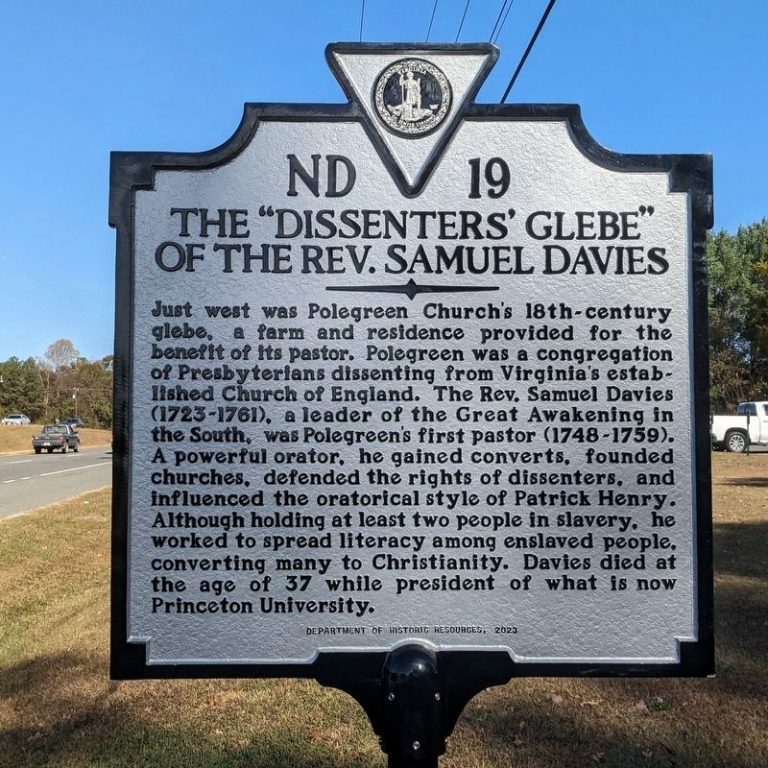
The Dissenter’s Glebe of Samuel Davies occupies an important place in the religious history of colonial Virginia. Closely associated with Samuel Davies, one of the most influential early American Presbyterian ministers, the glebe represents both the challenges and the gradual expansion of religious freedom in the eighteenth-century South. In colonial Virginia, the Church of England was the established church, supported Read more...
Favorite
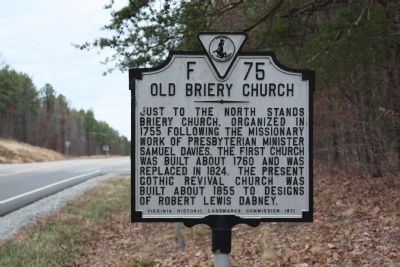
The Old Briery Church holds an honored place in the religious and educational history of central Virginia. Though modest in appearance, this historic site is closely associated with the early development of Presbyterianism in the region and with the founding of what would later become Hampden–Sydney College. It stands as a reminder of a time when church, education, and community Read more...
Favorite
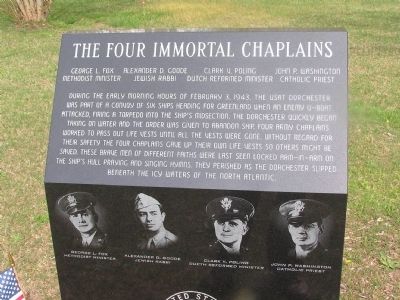
The story of the Four Chaplains disaster remains one of the most moving accounts of courage and self-sacrifice in modern history. Often referred to as “The Four Immortal Chaplains,” these four men—George L. Fox, Alexander D. Goode, John P. Washington, and Clark V. Poling—gave their lives during World War II in an act of extraordinary compassion and unity. On February Read more...
Favorite
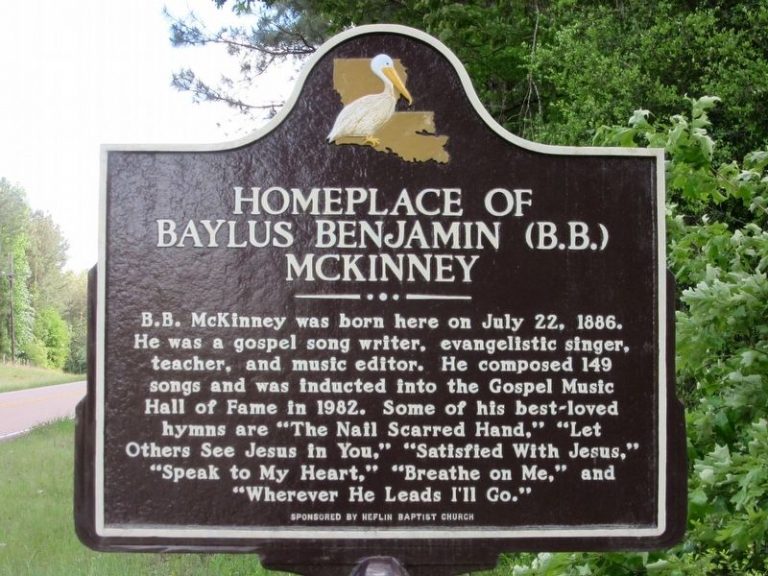
Hymn History: The Nail Scarred Hand Author: Baylus Benjamin McKinney “The radiant and gentle life of B. B. McKinney exemplified his Christianity… always so modest, never wanting any credit.” (Robert Cottrill) The life and legacy of Baylus Benjamin McKinney reflect the deep musical and spiritual traditions of early twentieth-century American Christianity. A gifted composer, pastor, and educator, McKinney made Read more...
Favorite
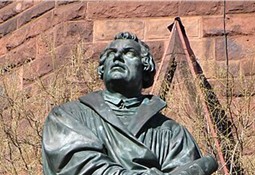
The Luther Monument is a significant religious and historical landmark located in Washington. Situated on the grounds of Luther Place Memorial Church near Thomas Circle, the monument commemorates the life and influence of Martin Luther, whose actions helped spark the Protestant Reformation. Dedicated in 1884, the Luther Monument was the first statue of Martin Luther erected in the United States. Read more...
Favorite
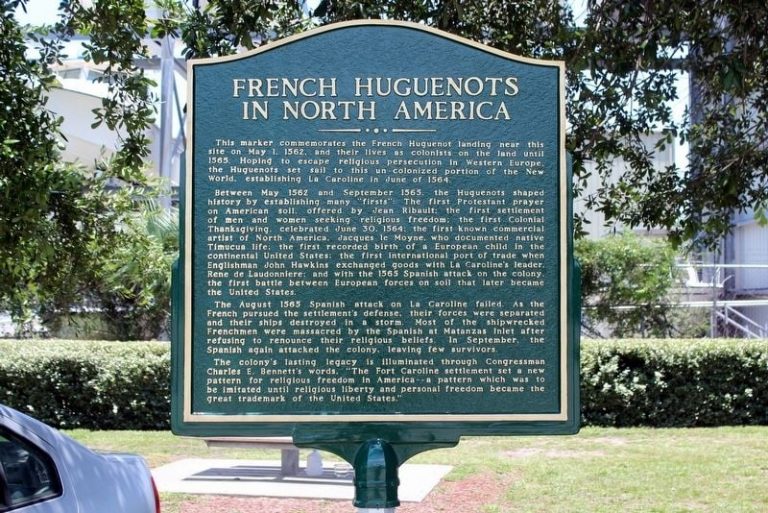
Inscription This marker commemorates the French Huguenot landing near this site on May 1, 1562, and their lives as colonists on the land until 1565. Hoping to escape religious persecution in Western Europe, the Huguenots set sail to this un-colonized portion of the New World, establishing La Caroline in June of 1564. Between May 1562 and September 1565, the Huguenots Read more...
Favorite
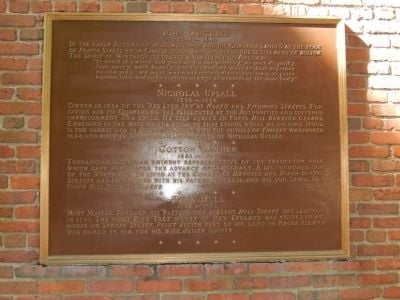
Among the many plaques commemorating great Americans, we find: John Winthrop 1588 – 1649 In the early autumn of 1630, Winthrop and his company landed at the foot of Prince Street from Charlestown. Thus was begun the settlement of Boston. The spirit of Winthrop is forever a challenge to America: “To avoid shipwreck and provide for our posterity, we must Read more...
Favorite
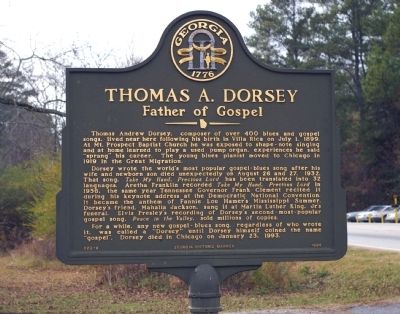
Thomas A. Dorsey Father of Gospel Music Thomas Andrew Dorsey, composer of over 400 blues and gospel songs, lived here following his birth in Villa Rica on July 1, 1899. At Mt. Prospect Baptist Church he was exposed to shape-note singing and at home learned to play a used pump organ, experiences he said “sprang” his career. The young blues Read more...
Favorite
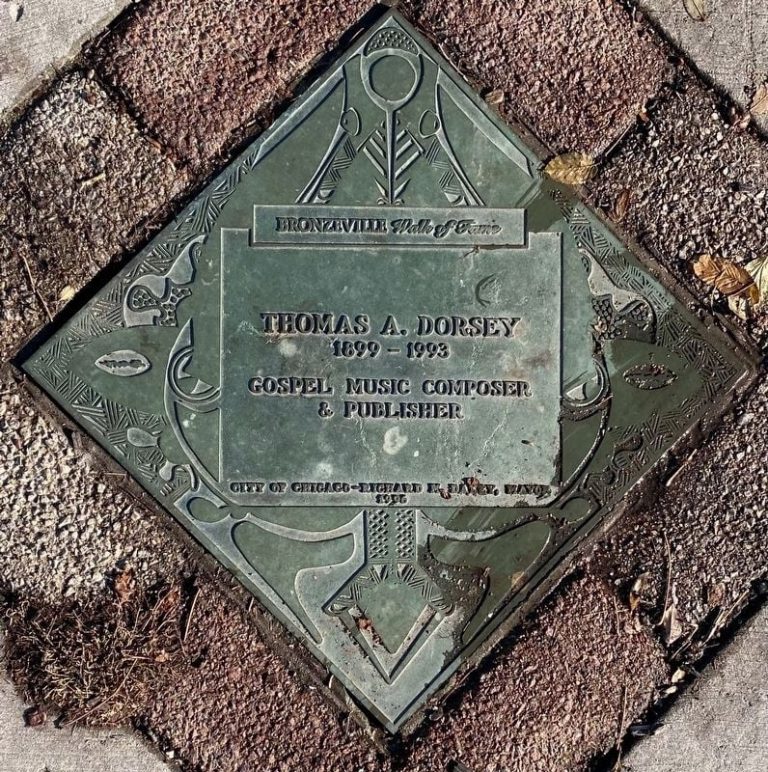
Thomas A. Dorsey Bronzeville Walk of Fame Plaque honors one of the most influential figures in American gospel music. Located in the historic Bronzeville neighborhood of Chicago, the plaque commemorates the life and contributions of Thomas A. Dorsey, often called the “Father of Gospel Music.” The plaque is part of the Bronzeville Walk of Fame, a series of sidewalk markers Read more...
Favorite
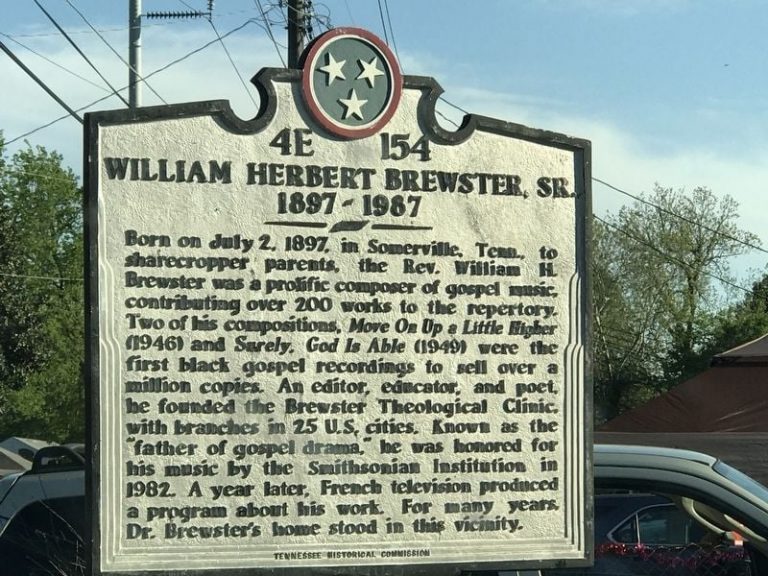
Inscription Born on July 2. 1897, in Somerville, Tenn., to sharecropper parents, the Rev. William H. Brewster was a prolific composer of gospel music, contributing over 200 works to the repertory. Two of his compositions, Move On Up a Little Higher (1946) and Surely, God is Able (1949) were the first black gospel recordings to sell over a million copies. An editor, educator, and Read more...
Favorite
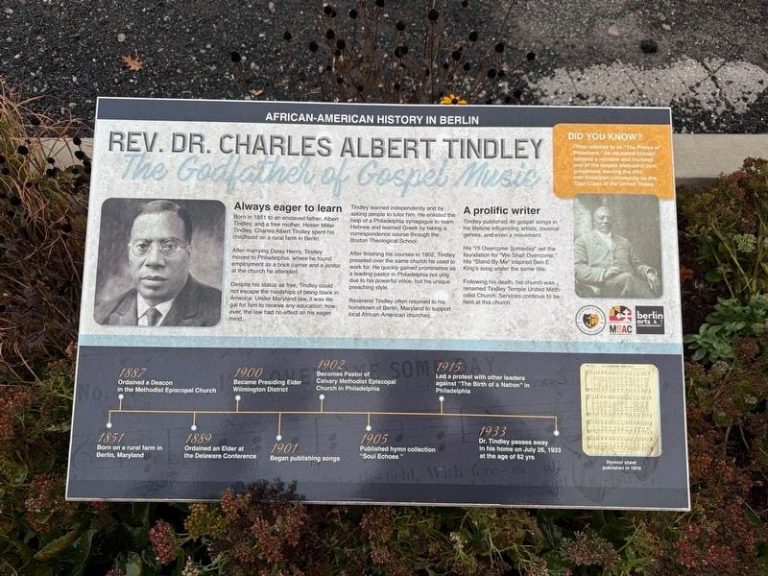
Inscription. Always eager to learn Born in 1851 to an enslaved father, Albert Tindley, and a free mother, Hester Miller Tindley, Charles Albert Tindley spent his childhood on a rural farm in Berlin. After marrying Daisy Henry, Tindley moved to Philadelphia, where he found employment as a brick carrier and a janitor at the church he attended. Despite his status Read more...
Favorite
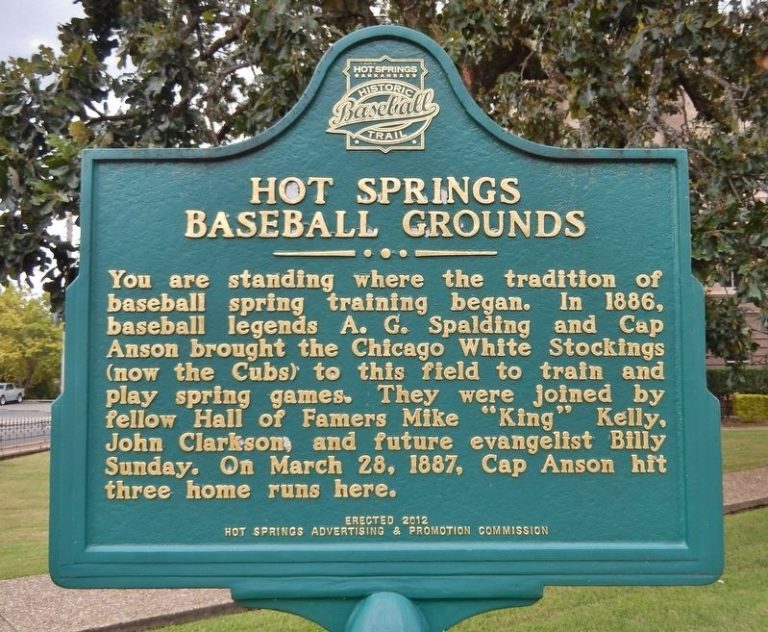
The Hot Springs Baseball Grounds played a significant role in the early development of professional baseball in the United States. Located in Hot Springs, the grounds were among the earliest sites used for organized spring training and became an important gathering place for players and fans during the late nineteenth and early twentieth centuries. During the 1880s, Hot Springs began Read more...
Favorite
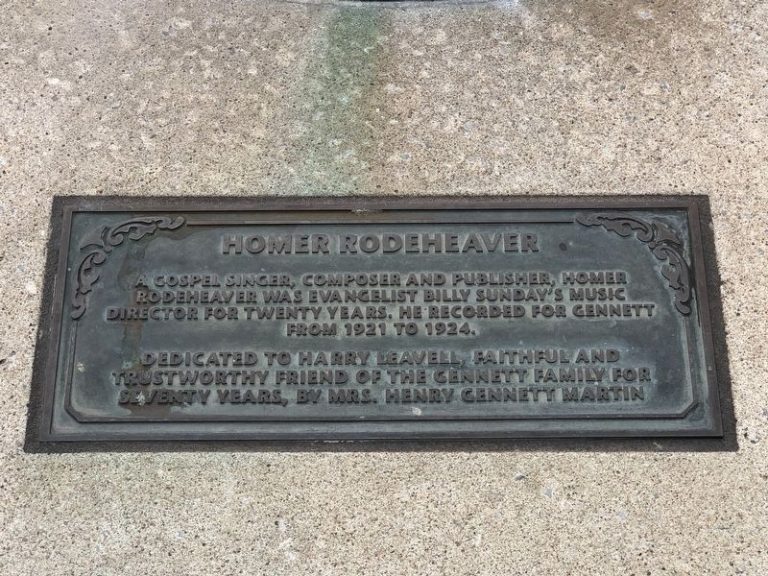
The Homer Rodeheaver–Starr-Gennett Walk of Fame honors some of the most influential figures in early American recorded music and gospel hymnody. Located in Richmond, the walk of fame celebrates the historic legacy of the Starr Piano Company and its recording division, the Gennett Records, which played a major role in the development of the recording industry during the early twentieth Read more...
Favorite
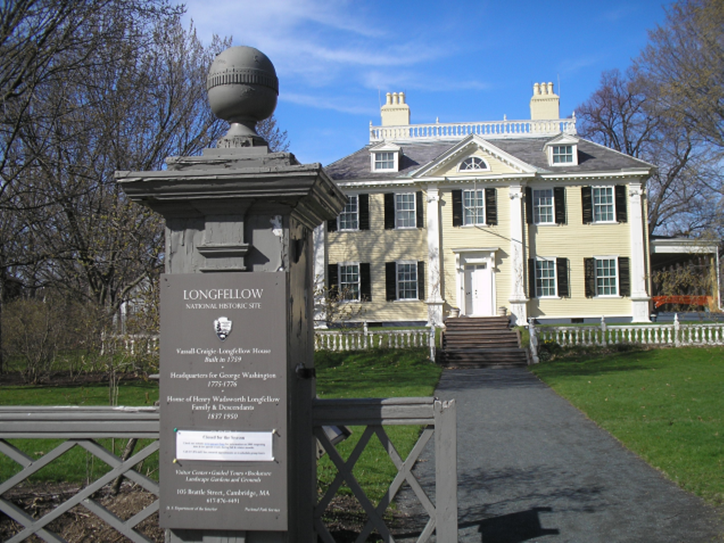
The Wadsworth-Longfellow House is one of the most important historic homes in New England and the childhood residence of the celebrated American poet Henry Wadsworth Longfellow. Located in the heart of Portland, the house stands as a lasting reminder of both early American history and the literary legacy of one of the nation’s most beloved writers. The home was built between Read more...
Favorite
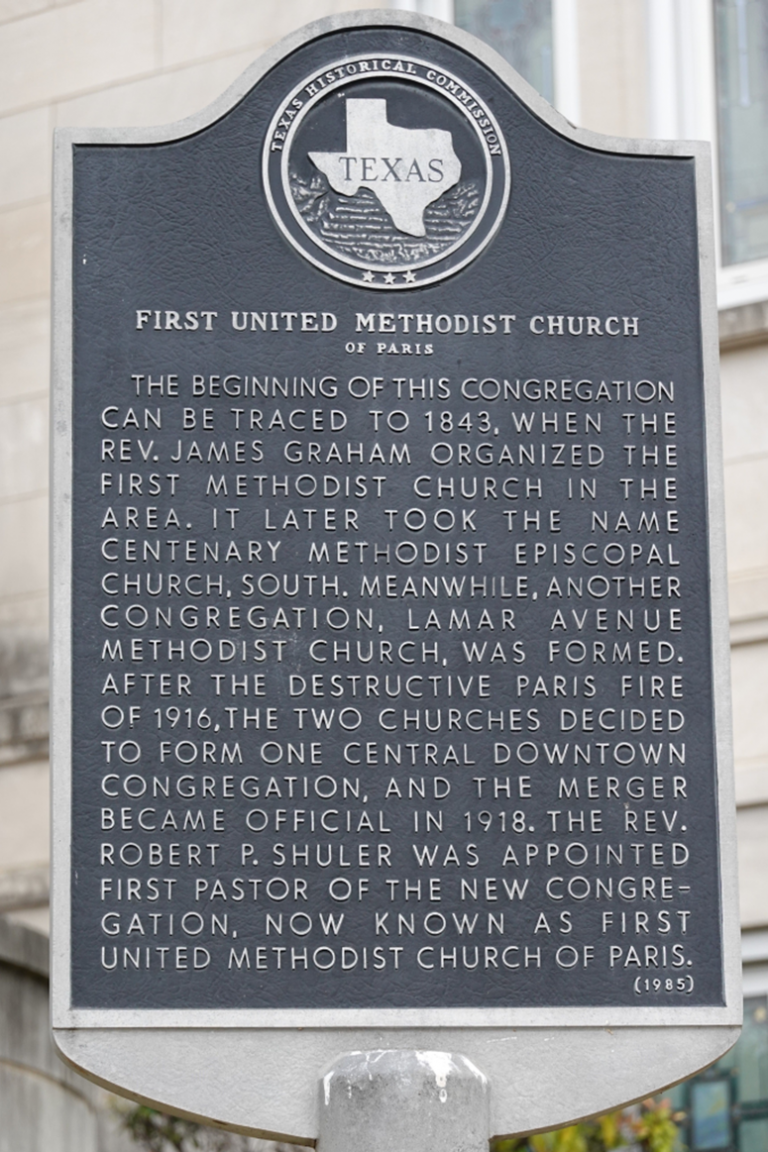
Inscription The beginning of this congregation can be traced to 1843, when the Rev. James Graham organized the First Methodist Church in the area. It later took the name Centenary Methodist Episcopal Church, South. Meanwhile, another congregation, Lamar Avenue Methodist Church, was formed. After the destructive Paris fire of 1916, the two churches decided to form one central downtown congregation, Read more...
Favorite
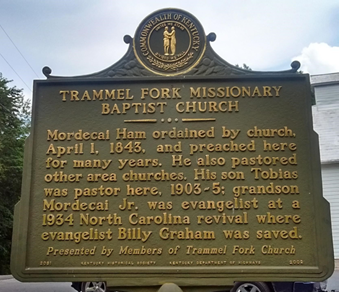
Inscription The Trammel Fork Church was founded in 1802 with seventy members. Elder John Hightower was first pastor. This church was instrumental in constituting ten area churches. The first meeting house was a log structure; church now occupies its third building, erected in 1909. Trammel Fork Missionary Baptist Church – Mordecai Ham ordained by church, April 1, 1843, and preached Read more...
Favorite
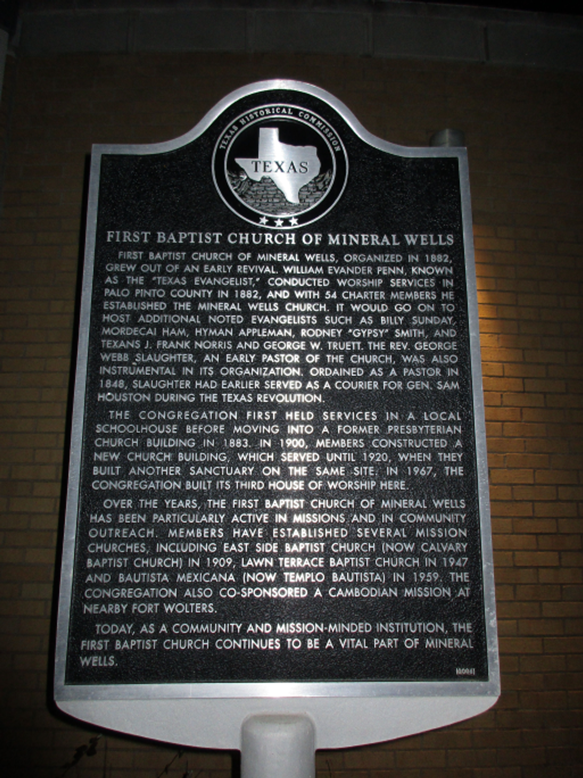
Inscription First Baptist Church of Mineral Wells, organized in 1882, grew out of an early revival. William Evander Penn, known as the “Texas Evangelist,” conducted worship services in Palo Pinto County in 1882, and with 54 charter members he established the Mineral Wells Church. It would go on to host additional noted evangelists such as Billy Sunday, Mordecai Ham, Hyman Read more...
Favorite
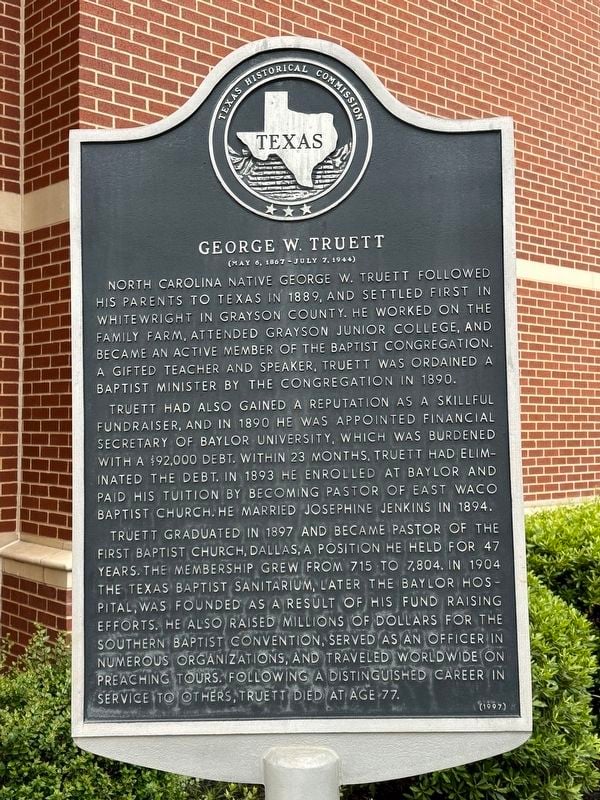
Inscription North Carolina native George W. Truett followed his parents to Texas in 1889, and settled first in Whitewright in Grayson county. He worked on the family farm, attended Grayson Junior College, and became an active member of the Baptist Congregation. A gifted teacher and speaker, Truett was ordained a Baptist minister by the congregation in 1890. Truett had also Read more...
Favorite
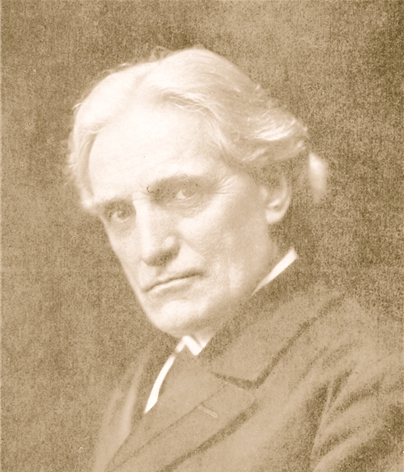
Henry Clay Morrison (1857–1942) was a prominent Methodist preacher, evangelist, educator, and editor whose influence helped shape the holiness movement in the United States during the late nineteenth and early twentieth centuries. Known for his powerful preaching and strong commitment to evangelical Methodism, Morrison spent more than half a century proclaiming the gospel and promoting the message of Christian holiness. Read more...