


The execution of Jan Hus stands as one of the most significant moments in the history of church reform in Europe. The death of Jan Hus not only marked the end of his life but also ignited a movement that would shape religious developments for generations to come.
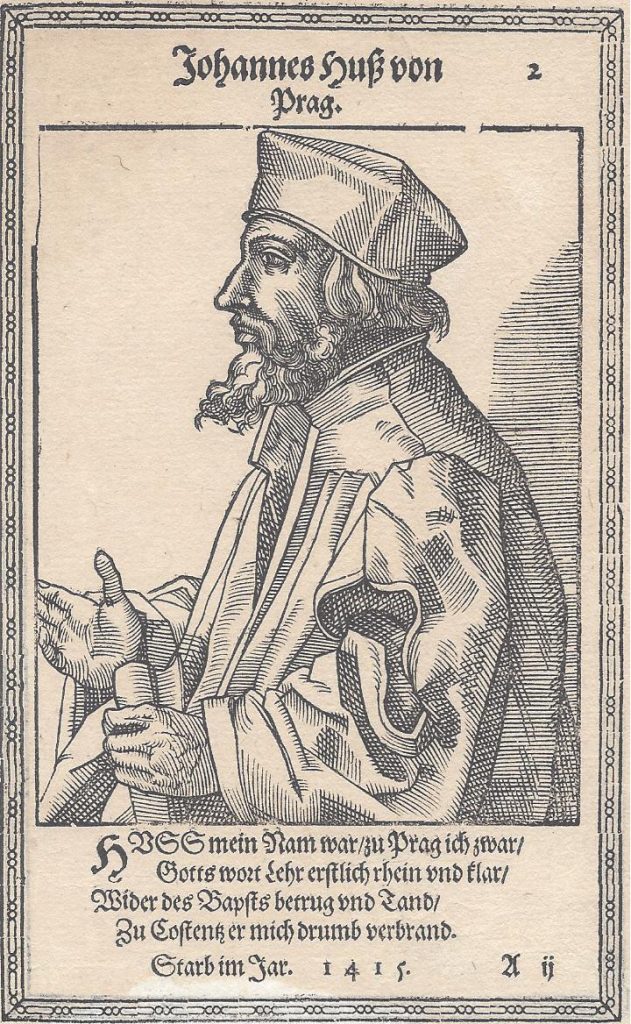
Jan Hus was born around 1372 in Bohemia (modern-day Czech Republic) and rose to prominence as a preacher, scholar, and reformer. He served as a rector at the University of Prague and became known for his powerful sermons at Bethlehem Chapel in Prague. Hus was deeply influenced by the writings of John Wycliffe, particularly in his criticism of corruption within the church and his emphasis on the authority of Scripture over ecclesiastical tradition.
Hus spoke openly against abuses such as the sale of indulgences and the moral failings of clergy. He called for a return to a simpler, more faithful form of Christianity grounded in the teachings of the Bible. These views brought him into increasing conflict with church authorities. Though he did not initially intend to break from the established church, his insistence on reform and his refusal to recant his teachings made him a controversial figure.
In 1414, Hus was summoned to appear before the Council of Constance, a major gathering of church leaders convened to address doctrinal disputes and restore unity within the Western Church. He was promised safe conduct by Sigismund, which led him to believe he would be able to present his case fairly. However, upon arriving, Hus was arrested and imprisoned.
During his trial, Hus was charged with heresy, largely based on his association with Wycliffe’s teachings and his own criticisms of church practices. He was given opportunities to recant, but he refused to do so unless he could be shown from Scripture that his views were in error. His stance reflected his deep conviction that truth must be grounded in the Bible rather than in human authority alone.
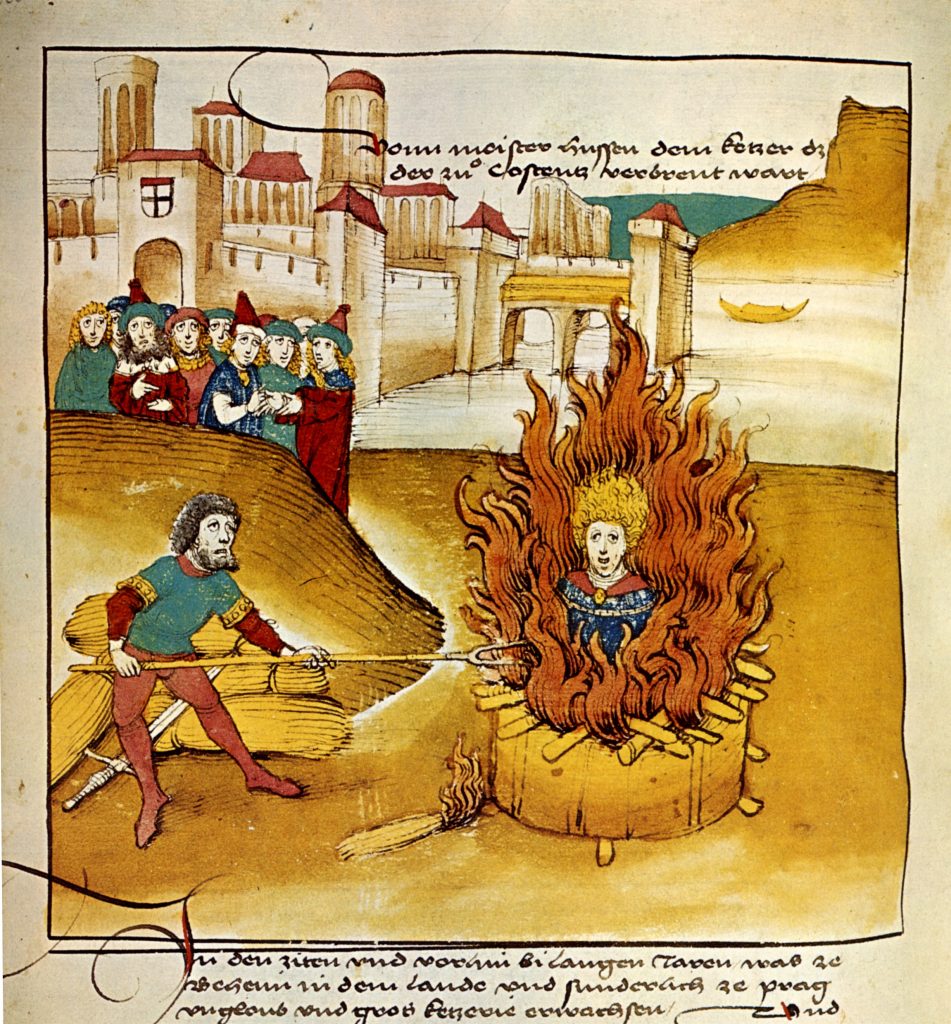
On July 6, 1415, Hus was condemned and sentenced to death. He was taken outside the city of Constance and burned at the stake. Accounts of his execution describe him maintaining composure and faith to the end, reportedly praying and singing as the flames were lit. His final words are often remembered as a testimony to his steadfast belief, expressing trust in God even in the face of death.
The martyrdom of Jan Hus had far-reaching consequences. In Bohemia, news of his execution sparked outrage and led to a series of conflicts known as the Hussite Wars. His followers, known as Hussites, continued to promote many of his reform ideas, challenging the authority of the church and advocating for changes in worship and doctrine.
Hus’s influence extended beyond his own time. A century later, figures such as Martin Luther would recognize Hus as a forerunner of the Protestant Reformation. Luther himself acknowledged that many of his own teachings had been anticipated by Hus, demonstrating the lasting impact of the Bohemian reformer’s ideas.
Today, Jan Hus is remembered as a symbol of conscience, courage, and commitment to truth. His martyrdom highlights the cost of standing firmly for one’s convictions in a time of intense religious and political pressure. It also serves as a reminder of the complex history of reform within the Christian church.
In sum, the execution of Jan Hus was not merely the silencing of a single voice, but the beginning of a movement that would echo through the centuries. His life and death continue to inspire reflection on the importance of faith, integrity, and the pursuit of truth.
♦ _____ ♦
From Wikipedia:
At the place of execution, he knelt down, spread out his hands, and prayed aloud. The executioner undressed Hus and tied his hands behind his back with ropes, and bound his neck with a chain to a stake around which wood and straw had been piled up so that it covered him to the neck. At the last moment, the imperial marshal, von Pappenheim, in the presence of the Count Palatine, asked Hus to recant and thus save his own life. Hus declined, stating:
God is my witness that the things charged against me I never preached. In the same truth of the Gospel which I have written, taught, and preached, drawing upon the sayings and positions of the holy doctors, I am ready to die today.[19]
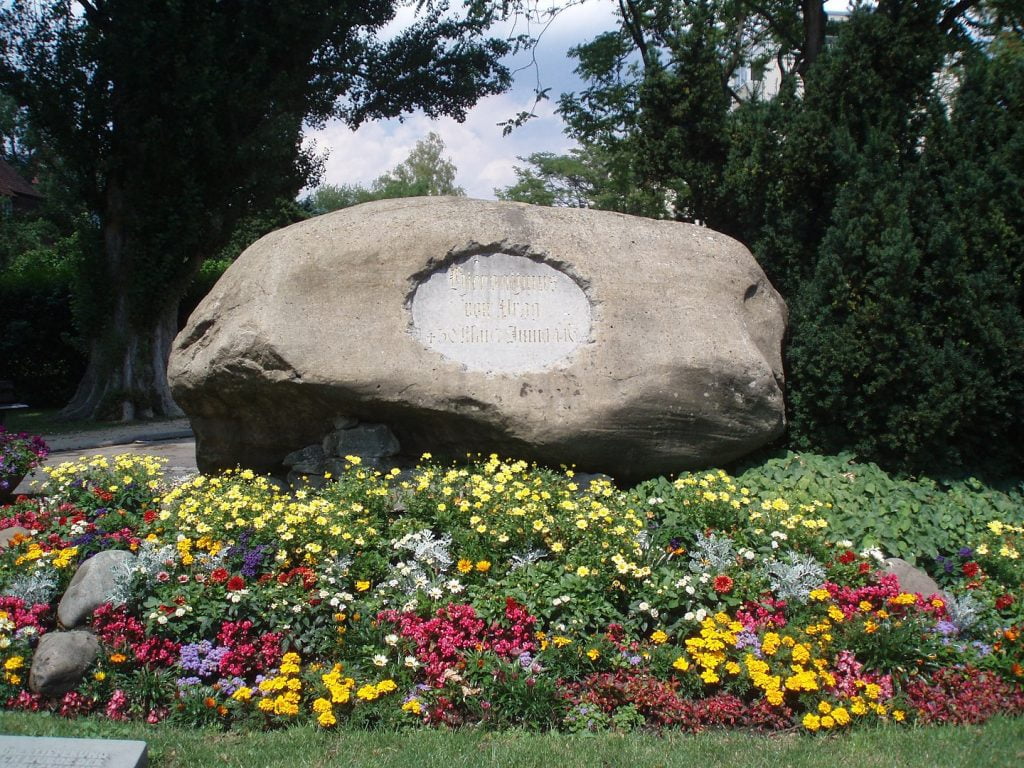
Anecdotally, it has been claimed that the executioners had trouble intensifying the fire. An old woman then came to the stake and threw a relatively small amount of brushwood on it. Upon seeing her act, a suffering Hus then exclaimed, “O Sancta Simplicitas!“. The phrase’s Czech equivalent, “Svatá prostota!” (vocative form: “Svatá prostoto!“, Translated “Holy simplicity!“) is still used today when commenting on a person’s foolish action coming from the belief that he or she is doing something righteous.[citation needed] It is said that when he was about to expire, he cried out, “Christ, son of the Living God, have mercy on us!” (a variant of the Jesus Prayer). Hus’s ashes were later thrown into the Rhine River as a means of preventing the veneration of his remains.
_____
Image Source/Credit (in order):
• Public Domain
• Gortyna, CC BY-SA 3.0 <https://creativecommons.org/licenses/by-sa/3.0>, via Wikimedia Commons
• Christoph Murer 1587, Public domain, via Wikimedia Commons
Related
Sorry, no records were found. Please adjust your search criteria and try again.
Sorry, unable to load the Maps API.