
The island of Patmos holds a unique place in Christian history and tradition as the reputed site of the exile of the Apostle John and the setting for the writing of the Book of Revelation. Though small and relatively quiet in the Aegean Sea, Patmos has become one of the most significant spiritual landmarks in the Christian world due to its association with early persecution and prophetic vision.
According to Christian tradition, the Apostle John—identified with John the Apostle—was exiled to Patmos during the reign of the Roman Emperor Domitian in the late first century AD. The Roman Empire often used remote islands as places of banishment for political or religious dissidents, and Patmos, rocky and sparsely populated at the time, served as an ideal location for isolation.
It was during this period of exile that John is believed to have received the visions recorded in the Book of Revelation. The text itself begins with John stating that he was “on the island called Patmos because of the word of God and the testimony of Jesus.” From this setting of isolation, the vivid and symbolic imagery of Revelation emerged—visions of heavenly worship, apocalyptic judgment, and the ultimate triumph of good over evil.
The physical landscape of Patmos likely contributed to the powerful imagery found in the biblical text. The island’s rugged hills, sea cliffs, and caves create an environment that naturally evokes reflection and solitude. One cave in particular, traditionally known as the Cave of the Apocalypse, is venerated as the place where John received his revelations. Over time, this site became a place of pilgrimage and remains central to the island’s religious significance.
Following John’s exile, Christian tradition holds that he was eventually released and later died in Ephesus, but Patmos remained forever linked to his prophetic experience. In the centuries that followed, the island gradually developed into a center of monastic life and Christian devotion. In the 11th century, the Monastery of Saint John the Theologian was founded, overlooking the island’s main town. This fortified monastery became both a spiritual and cultural stronghold, preserving manuscripts and sustaining religious life through periods of political upheaval.
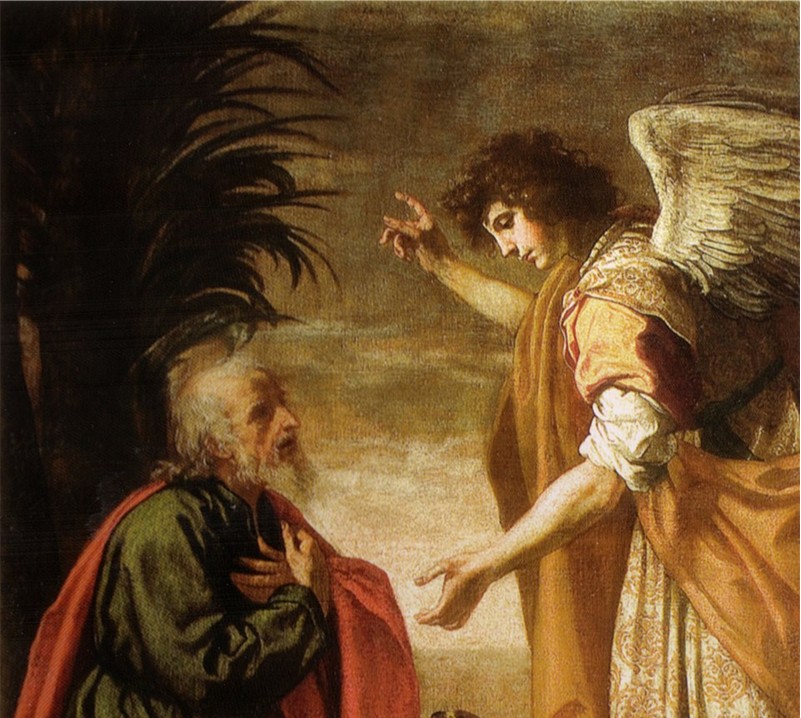
The influence of Patmos extends beyond its historical and religious associations. It has inspired countless works of art, theology, and literature. The imagery of Revelation—beasts, angels, seals, and trumpets—has shaped Christian imagination for nearly two thousand years. Artists of the medieval and Renaissance periods frequently drew upon these visions, often tracing their symbolic origins back to the exile on Patmos.
Today, Patmos is recognized as a UNESCO World Heritage Site, valued for both its natural beauty and its spiritual heritage. Pilgrims and visitors continue to travel there, seeking to connect with the legacy of contemplation and revelation that defines its history. The island remains inhabited, blending everyday life with sacred memory, where fishing boats and whitewashed houses stand alongside ancient chapels and monasteries.
In the story of Patmos, isolation became the setting for profound reflection, and exile became the backdrop for enduring spiritual literature. Its legacy endures not because of its size or political power, but because of the lasting influence of the vision attributed to John during his time there.
_____
Image Source/Credit:
• Jacopo Vignali, Public domain, via Wikimedia Commons
Related
Sorry, no records were found. Please adjust your search criteria and try again.
Sorry, unable to load the Maps API.