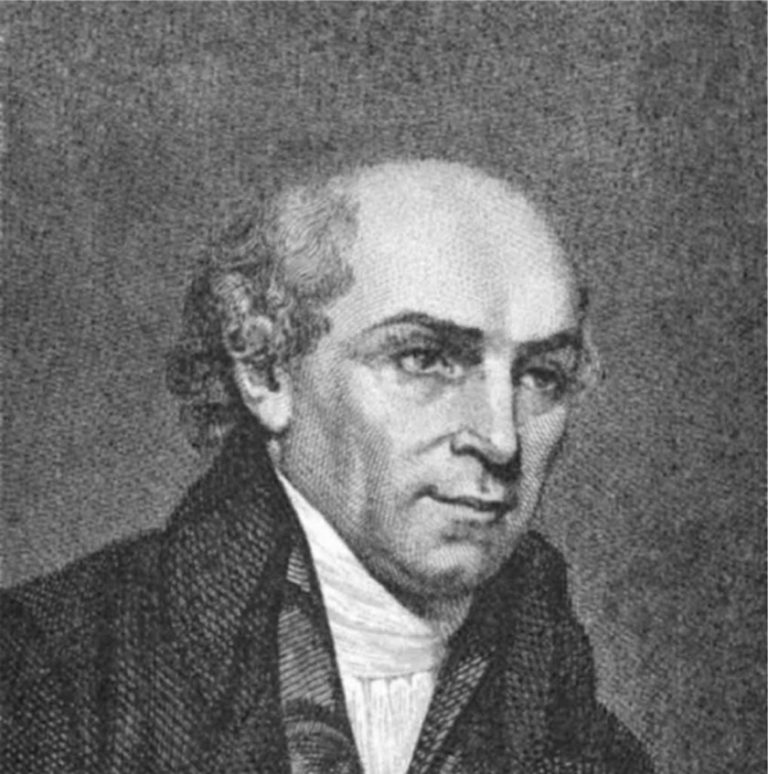
William Carey (1761–1834) is widely regarded as the “father of modern missions,” a title earned through his pioneering vision, perseverance, and lasting influence on global Christianity. Born in the rural village of Paulerspury, England, Carey came from humble beginnings. He worked as a cobbler by trade, yet possessed an extraordinary curiosity and intellectual drive. Largely self-educated, he taught himself Latin, Greek, and Hebrew, and developed a growing interest in geography and world cultures. This combination of practical labor and scholarly discipline shaped a life that would ultimately extend far beyond his modest origins.
Carey’s missionary vision was stirred by his deep reading of Scripture and his conviction that the Great Commission applied to all believers in every generation. At a time when many in his own religious circles were hesitant or indifferent toward overseas missions, Carey challenged prevailing assumptions. His famous sermon, often summarized by the phrase “Expect great things from God; attempt great things for God,” called Christians to active engagement in spreading the gospel worldwide. In 1792, he published his influential work, An Enquiry into the Obligations of Christians to Use Means for the Conversion of the Heathens. This treatise laid out both a theological and practical case for missions, urging organized effort rather than passive hope.
That same year, Carey helped found the Baptist Missionary Society, a landmark development in Protestant history. Shortly afterward, he and his family set sail for India, arriving in 1793. The early years were marked by hardship. Carey struggled financially, endured illness, and faced personal tragedy, including the mental breakdown of his wife, Dorothy. Despite these trials, he remained steadfast in his calling.
Carey eventually settled in the Danish-controlled town of Serampore, where he joined forces with fellow missionaries Joshua Marshman and William Ward. Together, they formed what became known as the Serampore Trio. Their cooperative efforts transformed the region into a center of missionary, educational, and literary activity. Carey’s work in India was not limited to preaching; he believed that lasting change required both spiritual and intellectual development.
One of Carey’s most remarkable achievements was his work in Bible translation. Recognizing the importance of Scripture in the vernacular, he either translated or helped oversee translations of the Bible into dozens of Indian languages and dialects, including Bengali, Sanskrit, and Marathi. His linguistic contributions were immense, and he also compiled grammars and dictionaries that advanced the study of these languages. Through this work, Carey made the Christian Scriptures accessible to large populations who had never before encountered them in their own tongue.
Education was another cornerstone of Carey’s mission. In 1818, he played a key role in founding Serampore College, an institution dedicated to training ministers and providing a broad education in the arts and sciences. The college welcomed students of various backgrounds, reflecting Carey’s belief in the value of learning for all. He also promoted the establishment of schools for children, including efforts to improve education for girls, which was often neglected in that era.
Carey’s influence extended into social reform as well. While his primary mission was religious, he did not ignore the social conditions around him. He spoke out against practices such as sati—the burning of widows on funeral pyres—and supported efforts that eventually led to its abolition under British rule. He also encouraged agricultural improvement, studied botany, and contributed to the introduction of new crops, demonstrating a practical concern for the well-being of the communities he served.
The legacy of William Carey is both broad and enduring. He helped spark the modern missionary movement, inspiring countless individuals and organizations to carry the gospel across cultural and geographic boundaries. His emphasis on careful preparation, language study, and long-term commitment set a standard that continues to influence missionary practice today.
At the same time, Carey’s life reflects the complexities of his era. He worked within the framework of British colonial presence in India, and like many of his contemporaries, his efforts were intertwined with cultural change that could be both constructive and disruptive. Yet even with these complexities, his dedication, humility, and tireless labor stand out.
In the end, William Carey’s life was marked by steady faithfulness. From a village cobbler to a global missionary pioneer, he demonstrated what could be accomplished through conviction, discipline, and perseverance. His impact remains visible not only in the institutions he helped build, but in the continuing global vision of Christian missions he helped to shape.
_____
Image Source/Credit:
• Public domain, via Wikimedia Commons
Related
Sorry, no records were found. Please adjust your search criteria and try again.
Sorry, unable to load the Maps API.