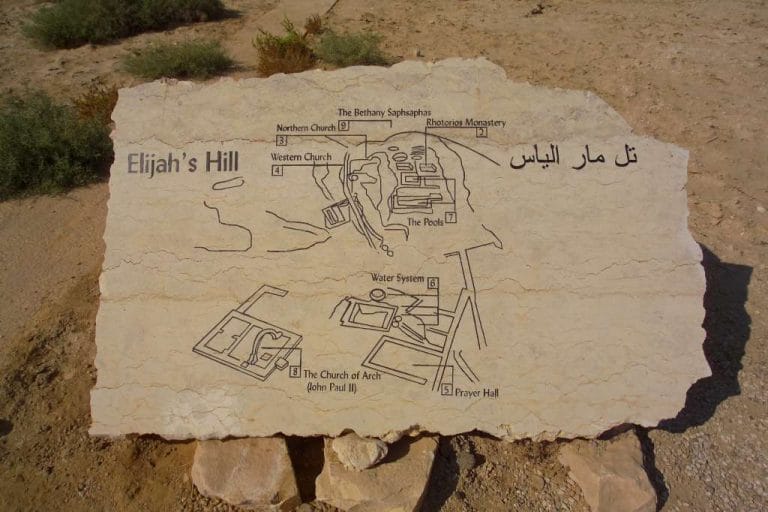
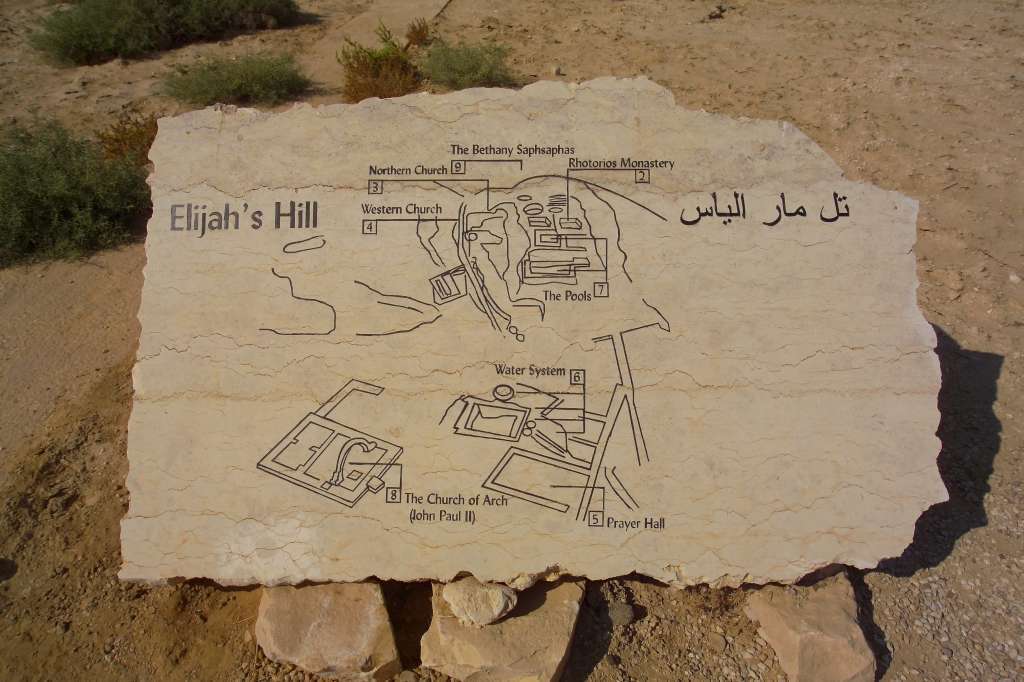
The site often referred to as “Elijah’s Hill” is most commonly associated with Mount Carmel, a place deeply rooted in the biblical narrative of the prophet Elijah. Rising above the Mediterranean coastline in northern Israel, Mount Carmel has long been regarded as a location of spiritual significance, particularly in connection with one of the most dramatic events recorded in the Old Testament.
The prominence of Mount Carmel in biblical history comes chiefly from the account found in 1 Kings 18, where Elijah confronted the prophets of Baal during the reign of King Ahab. At that time, Israel had fallen into widespread idolatry, largely influenced by the policies of the king and his queen, Jezebel. In response, Elijah issued a bold challenge: a public test to determine whether the Lord or Baal was the true God.
According to the narrative, the contest took place on Mount Carmel, a fitting setting due to its elevation and visibility. Two altars were prepared—one for the prophets of Baal and one for Elijah. Each side was to call upon their deity to send fire from heaven to consume a sacrifice. The prophets of Baal called out from morning until evening, but no answer came. Elijah, in contrast, repaired a broken altar of the Lord, placed his offering upon it, and even had water poured over the sacrifice to remove any doubt. When he prayed, fire descended from heaven, consuming not only the offering but also the wood, the stones, and the water.
This event established Mount Carmel as a symbol of divine power and faithfulness. The “hill” where this took place became associated with Elijah’s unwavering commitment to the worship of the true God in the face of overwhelming opposition. It also marked a turning point, as the people of Israel, witnessing the miracle, acknowledged the Lord as God.
Over time, the site gained recognition and reverence among various religious traditions. Though the exact location of Elijah’s altar cannot be identified with certainty, Mount Carmel has been honored as the setting of this confrontation for centuries. Monastic communities later established themselves on the mountain, most notably the Carmelite Order, which traces its spiritual heritage to Elijah and his example of devotion and solitude.
Archaeologically, Mount Carmel contains remains from many historical periods, though direct evidence of the biblical event itself is not preserved. Nevertheless, the enduring association of the mountain with Elijah has made it a place of pilgrimage and reflection. Visitors today can look out across the surrounding landscape and imagine the dramatic scene described in Scripture.
The legacy of Elijah’s Hill lies not only in its historical or geographical identity but in its spiritual message. It stands as a reminder of courage in the face of opposition, the importance of faithfulness, and the conviction that truth ultimately prevails. Elijah’s actions on Mount Carmel have inspired generations to stand firm in their beliefs, even when doing so is difficult or unpopular.
In this way, Elijah’s Hill—rooted in the traditions of Mount Carmel—remains a powerful symbol. It calls to mind a moment when one man’s faith challenged a nation, and when a mountaintop became the stage for a decisive demonstration of divine authority.
♦ _____ ♦
2 Kings 2:5-15
_____
Image Source/Credit:
• Rhetorios Monastery (www.baptismsite.com/rhetorios-monastery)
Related
Sorry, no records were found. Please adjust your search criteria and try again.
Sorry, unable to load the Maps API.