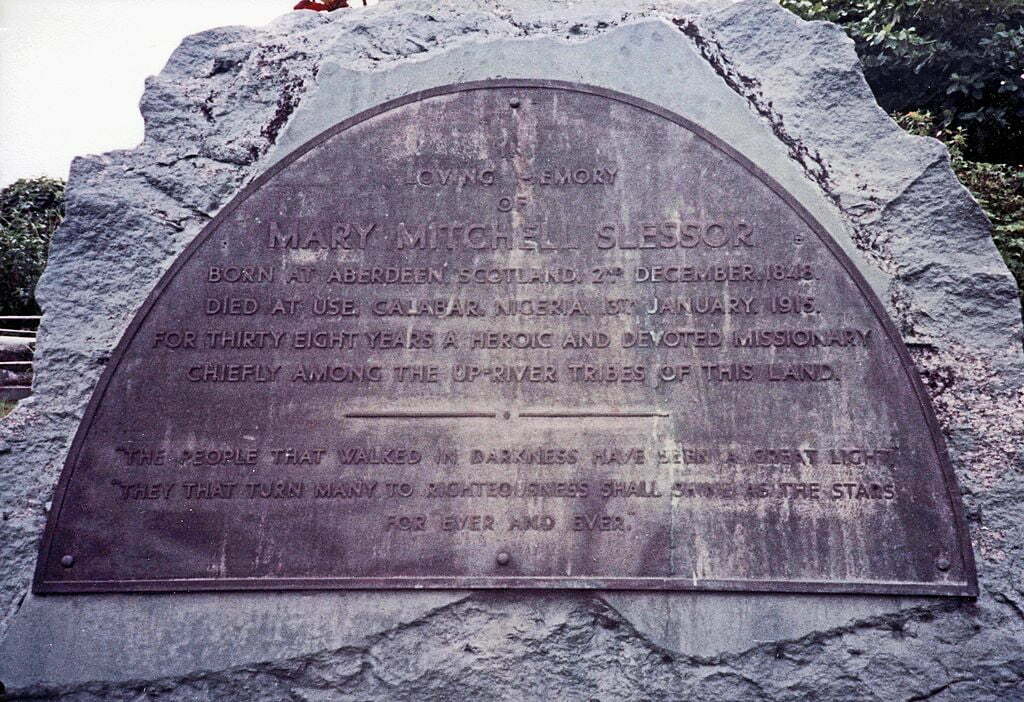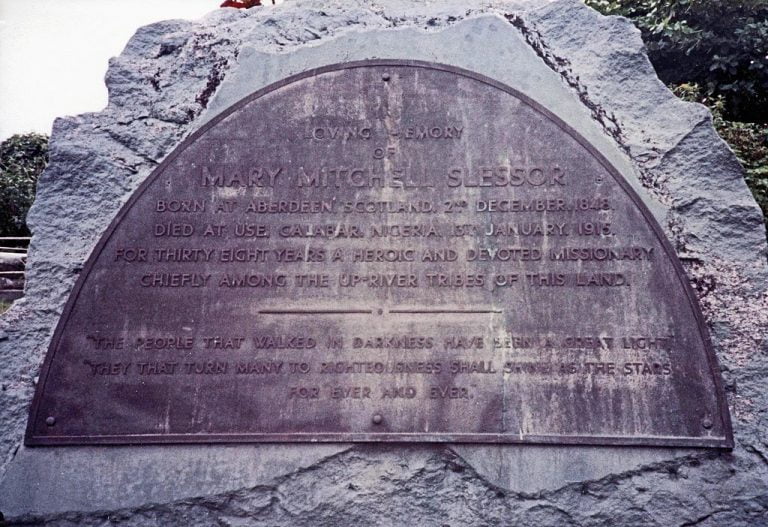
Mary Slessor (1848–1915) stands as one of the most remarkable missionary figures of the nineteenth century, known for her courage, compassion, and deep commitment to the people of West Africa. Born in Aberdeen, Scotland, and raised in the industrial city of Dundee, Slessor grew up in poverty. Her father, a shoemaker, struggled with alcoholism, leaving her mother to carry much of the responsibility for the family. From a young age, Mary worked in the textile mills to help support her household. These early hardships shaped her resilience and instilled in her a practical strength that would later define her missionary work.
Slessor’s spiritual formation took place within the context of Scottish Presbyterianism, where missionary stories—especially those of David Livingstone—captured her imagination. Inspired by such accounts, she developed a desire to serve overseas. After years of preparation and involvement in local church work, she was accepted by the United Presbyterian Church of Scotland and sent to what is now Nigeria in 1876.
Upon arriving in the region of Calabar, Slessor quickly distinguished herself by her willingness to go where others would not. While many missionaries remained near coastal settlements, she ventured inland into remote and often dangerous areas, including Okoyong. These regions were known for intertribal conflict and practices that troubled European observers, such as the killing of twins, who were often considered cursed. Slessor’s approach was not one of distant authority but of close personal involvement. She lived among the people, learned their language, and adopted many aspects of their daily life, earning trust through consistency and humility.
One of her most enduring contributions was her work to protect vulnerable children. Slessor became widely known for rescuing abandoned infants, particularly twins, and raising them as her own. Over time, her home became a refuge for many who would otherwise have been left to perish. Her actions were not merely acts of charity; they represented a determined effort to challenge local customs through example rather than force. By demonstrating care and responsibility, she gradually influenced attitudes within the communities she served.
In addition to her humanitarian work, Slessor played a significant role in promoting peace and stability. She often acted as a mediator in disputes, using her position as a respected outsider to help resolve conflicts. Her judgment and fairness led to her being appointed as a vice-consul by British authorities, an unusual role for a missionary woman of her time. In this capacity, she helped administer local justice, always striving to balance respect for indigenous customs with principles of fairness and protection for the vulnerable.
Slessor’s missionary efforts were marked by practicality. She did not focus solely on preaching but also addressed everyday needs—encouraging trade, improving living conditions, and fostering education. She believed that the Christian message should be lived out in tangible ways, shaping communities as well as individuals. Her work reflected a hands-on approach, grounded in daily realities rather than abstract ideals.
The impact of Mary Slessor’s life extended far beyond her immediate surroundings. She became a symbol of dedication and self-sacrifice, inspiring support for missionary work in Britain and beyond. Her story was widely shared in newspapers and mission reports, capturing the imagination of those who admired her courage and independence.
At the same time, her legacy must be understood within the broader context of the era in which she lived. Like many missionaries of the nineteenth century, Slessor operated alongside expanding European influence in Africa. While her intentions were deeply humanitarian, her work was intertwined with cultural change that could be both beneficial and disruptive. Even so, her willingness to respect local people, live among them, and advocate for their welfare set her apart from many of her contemporaries.
Mary Slessor died in 1915 in Nigeria, the land she had come to call home. She was buried there, a testament to her lifelong commitment to the people she served. Today, she is remembered not only as a missionary, but as a woman of remarkable courage, compassion, and determination. Her life demonstrates how steadfast service, guided by conviction and humility, can leave a lasting mark on both individuals and communities.
Cemetery has had a rough time lately
Her Presbyterian church is nearby.
Queen Elizabeth II laid a wreath at her tomb
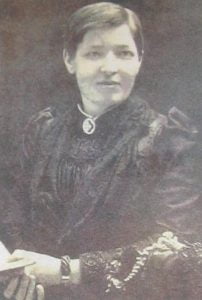
Public domain, via Wikimedia Commons
_____
Image Source/Credit:
• RuthAS, CC BY 4.0 <https://creativecommons.org/licenses/by/4.0>, via Wikimedia Commons