


The Life, Legacy, and Impact of Henry Varley
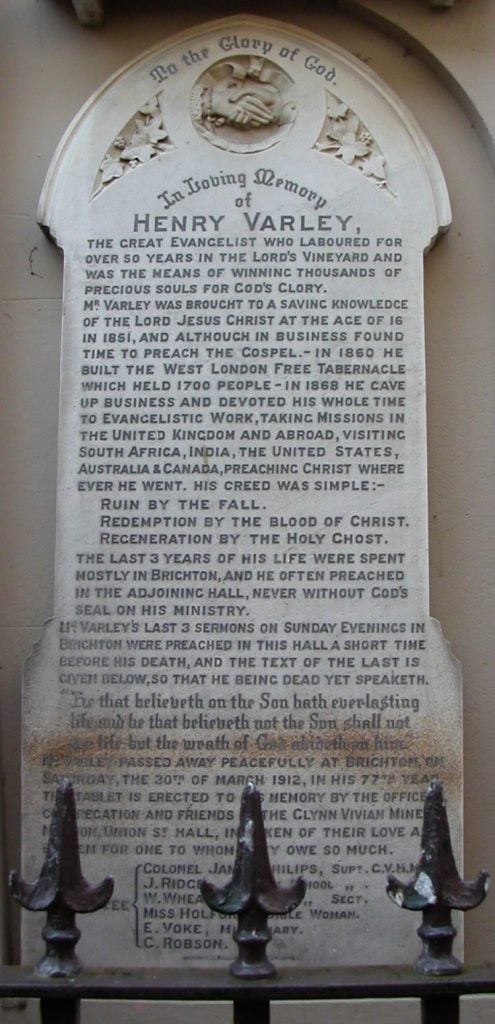
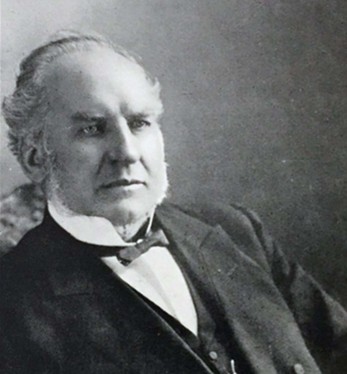
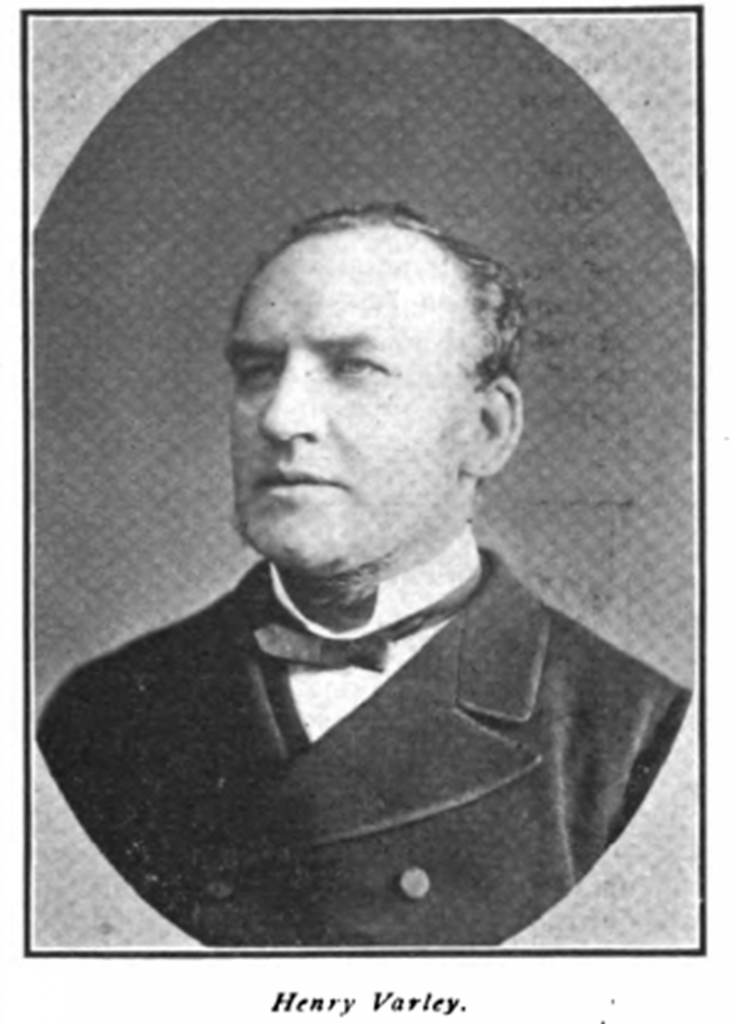
Henry Varley (1835–1912) was an English evangelist whose life and ministry played a significant role in the revivalist movements of the nineteenth century. Though not as widely remembered as some of his contemporaries, Varley’s influence reached far beyond his immediate sphere, particularly through his association with prominent figures such as Dwight L. Moody. His life exemplifies the power of earnest faith, simple preaching, and personal dedication to Christian service.
Varley was born in London into modest circumstances and received little formal education. Like many evangelists of his time, he emerged from a working-class background and developed his ministry outside the traditional structures of the established church. He supported himself as a tradesman while devoting his time and energy to evangelistic work, particularly in urban settings where industrialization had created both opportunity and social challenges.
From an early stage, Varley demonstrated a deep concern for the spiritual condition of ordinary people. He was involved in mission work in London, preaching in streets, halls, and informal gatherings. His approach was direct and heartfelt, aimed at reaching individuals who might never attend a formal church service. This method aligned with the broader evangelical emphasis of the period, which sought to bring religious teaching into everyday life and engage the working classes.
Varley’s preaching was marked by simplicity and sincerity. He did not rely on elaborate rhetoric or theological complexity, but instead focused on clear biblical messages and personal appeal. His ability to communicate spiritual truths in an accessible manner made him an effective evangelist, particularly among those who valued authenticity over polish. He was known for his earnest manner and his conviction that genuine faith should result in transformed lives.
Perhaps Varley’s most enduring legacy is tied to a statement he made that profoundly influenced Dwight L. Moody. During a conversation in Dublin, Varley reportedly said, “The world has yet to see what God can do with a man fully consecrated to Him.” This remark deeply impressed Moody and became a guiding principle in his ministry. Moody later credited this idea with shaping his vision and commitment, which in turn impacted countless individuals through his evangelistic campaigns in the United States and Britain.
Through this connection, Varley’s influence extended far beyond his own preaching. While he may not have achieved the same level of public recognition as Moody, his role in encouraging and inspiring such a prominent figure underscores the often unseen ways in which individuals contribute to larger movements. His life illustrates how a single conversation or idea can have far-reaching consequences.
In addition to his influence on Moody, Varley was actively involved in evangelistic efforts throughout Britain and Ireland. He participated in revival meetings and supported various mission initiatives, working alongside other evangelists of the era. His ministry was characterized by cooperation rather than competition, reflecting a shared commitment to spreading the Christian message.
Varley’s legacy also reflects the broader characteristics of nineteenth-century evangelicalism. This movement emphasized personal conversion, biblical authority, and active outreach. It often relied on lay preachers—individuals without formal theological training—who were driven by conviction and a sense of calling. Varley fits this pattern well, demonstrating how effective ministry could arise from dedication and spiritual fervor rather than institutional position.
Despite his contributions, Varley remained a relatively humble and unassuming figure. He did not seek prominence or recognition, and much of his work was carried out in local settings rather than on large public stages. This humility has contributed to his relative obscurity in historical accounts, yet it also reflects the character of his ministry.
The impact of Henry Varley can be understood in both direct and indirect terms. Directly, he influenced those who heard him preach and encountered his message. Indirectly, his encouragement of figures like Dwight L. Moody helped shape the course of evangelical revivalism on a much larger scale. In this way, his legacy is woven into the broader history of Christian evangelism.
Varley lived during a time of significant social and religious change, and his ministry addressed the spiritual needs of a rapidly evolving society. His commitment to reaching ordinary people, his emphasis on sincere faith, and his quiet but meaningful influence on others continue to offer a model of effective service.
In the end, Henry Varley’s life reminds us that lasting impact is not always measured by public recognition or institutional authority. Sometimes it is found in faithful service, personal influence, and the willingness to speak words that inspire others to greater purpose. His legacy endures in the lives he touched and in the movements he helped shape, even if his name is not as widely known as those he influenced.
_____
Image Source/Credit (in order):
• The Voice of Hassocks, Public domain, via Wikimedia Commons
• Henry Varley: The Powerful Evangelist of the Victorian Era | Plymouth Brethren Archive (www.brethrenarchive.org/people/henry-varley/pamphlets/henry-varley-the-powerful-evangelist-of-the-victorian-era)
• Henry Varley | Plymouth Brethren Archive (www.brethrenarchive.org/people/henry-varley)
• Christie, Vance. “Henry Varley Archives – VanceChristie.com.” VanceChristie.com, 8 Aug. 2014 (vancechristie.com/tag/henry-varley)
Related
Sorry, no records were found. Please adjust your search criteria and try again.
Sorry, unable to load the Maps API.