The The Bible Museum in Goodyear, Arizona, stands as a distinctive and somewhat unconventional institution dedicated to preserving and presenting the history of one of the world’s most influential books. Unlike large, highly publicized museums found in major cities, this museum reflects a more personal, hands-on approach to biblical history, rooted in private collecting and a deep reverence for the written word.
Located in the Phoenix metropolitan area, the museum is closely associated with a long-established rare book business and has developed a reputation as a specialized repository of ancient and historic Bibles. Founded in 1987, it has grown into what is described as one of the largest dealers and collections of rare biblical texts in the world. Rather than focusing on large-scale multimedia exhibits, the museum emphasizes direct interaction with historical materials—an experience that sets it apart from more traditional museum environments.
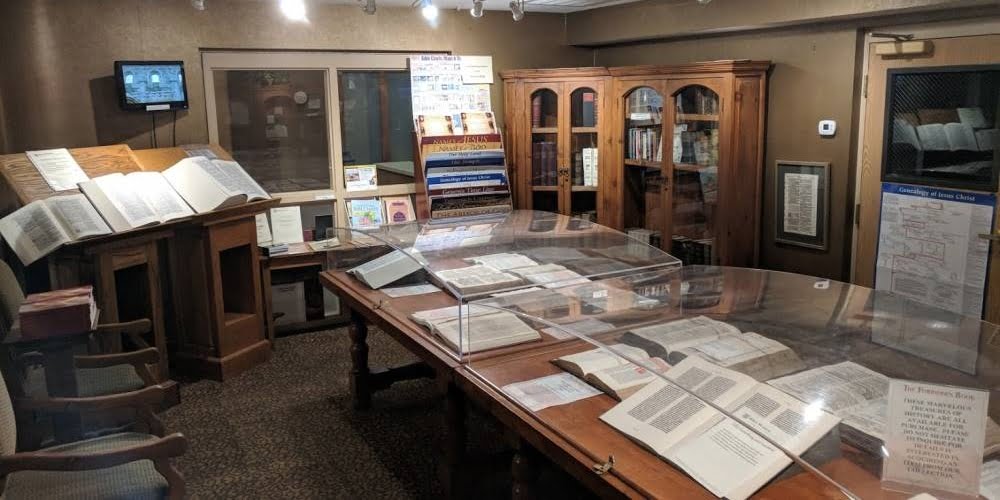
One of the most notable aspects of the Bible Museum is its accessibility. Visitors are not merely observers; they are often invited to handle and read from rare volumes, including centuries-old printed Bibles and theological works. This tactile experience offers a unique connection to history, allowing individuals to engage with the physical artifacts that have carried biblical texts through generations. For many, this direct contact provides a deeper appreciation of the effort and care involved in preserving sacred writings.
The museum’s collection includes a wide range of items, from early printed editions such as Geneva and King James Bibles to rare manuscript leaves and facsimiles. These artifacts illustrate the evolution of biblical transmission—from hand-copied texts to the advent of printing technology—and highlight the enduring importance of the Bible across cultures and centuries. By showcasing these materials, the museum offers insight into both the religious and historical significance of scripture.
In addition to its collection, the museum serves as an educational resource. Its exhibits and materials aim to explore how the Bible has influenced societies, cultures, and individuals over time. Visitors are encouraged to consider not only the content of the Bible but also the historical journey that has shaped its preservation and dissemination. This broader perspective helps place the Bible within the context of world history, emphasizing its role beyond purely religious settings.
Despite its relatively modest size and low-profile location, the Bible Museum has earned praise from visitors for its intimate atmosphere and knowledgeable staff. Reviews often highlight the personal attention given to guests and the opportunity to engage deeply with the collection. Such qualities contribute to an experience that feels less like a conventional museum visit and more like stepping into a curated library of sacred history.
In many ways, the Bible Museum represents a traditional approach to historical preservation—one that values physical artifacts, personal interaction, and a respect for the past. While it may lack the scale and technological sophistication of larger institutions, its strength lies in authenticity and accessibility. For those interested in the history of the Bible, it offers a meaningful and memorable glimpse into the enduring legacy of a text that has shaped civilizations for thousands of years.
_____
Image Source/Credit:
• “Bible History Museums.” Materializing the Bible (www.materializingthebible.com/bible-history-museums.html)
Related
Sorry, no records were found. Please adjust your search criteria and try again.
Sorry, unable to load the Maps API.