
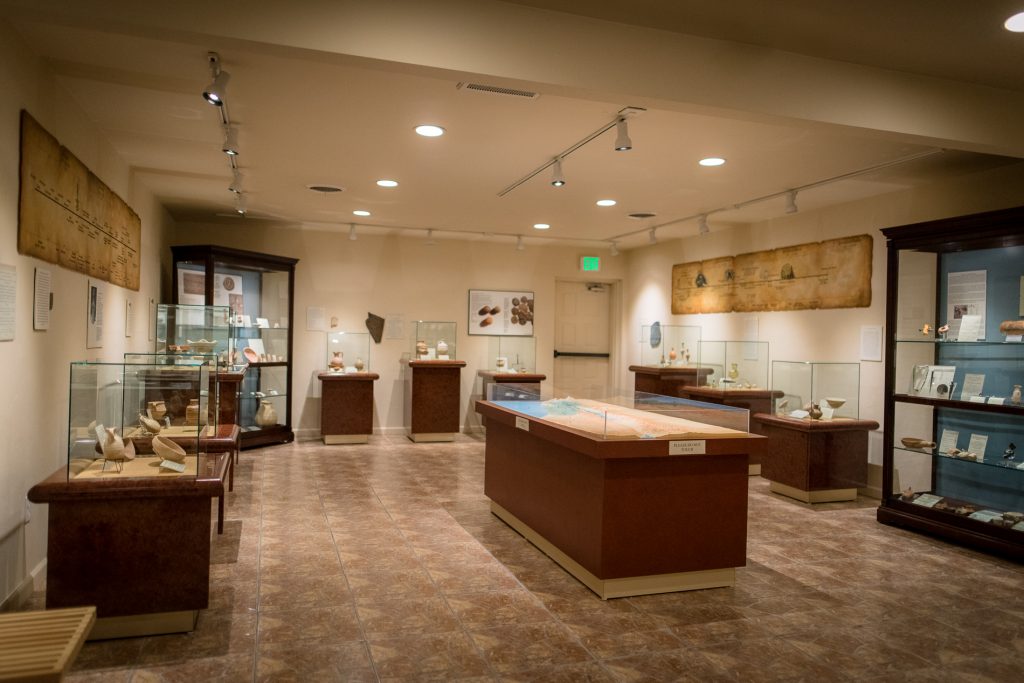
The Woodland Museum of Biblical Archaeology is a unique institution dedicated to illuminating the historical and cultural background of the Bible through carefully curated artifacts and exhibits. Located on the campus of Trinity International University, the museum serves as an educational resource for students, scholars, and visitors interested in the ancient world of the Scriptures.
The origins of the museum are closely tied to the academic mission of Trinity International University, which has long emphasized the integration of faith and learning. Recognizing the importance of historical context in understanding biblical texts, the university developed the museum as a means of bringing the ancient Near East to life. By displaying artifacts from regions such as Israel, Egypt, and Mesopotamia, the museum provides tangible connections to the people, places, and events described in the Bible.
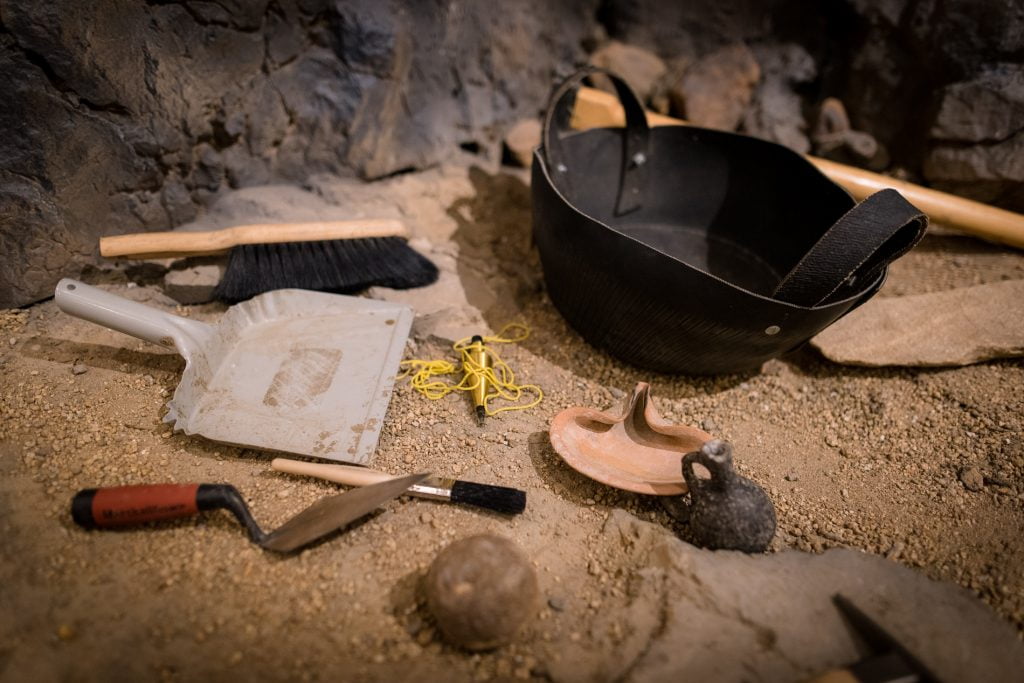
The collection at the Woodland Museum includes a wide range of items, many of which date back thousands of years. Pottery, tools, coins, inscriptions, and household objects offer insight into daily life in biblical times. These artifacts help illustrate the social, economic, and religious practices of ancient civilizations, making the biblical narrative more accessible and concrete. For students of Scripture, such objects serve as valuable aids in understanding the historical setting of the text.
One of the distinguishing features of the museum is its focus on education. Exhibits are designed not only to display artifacts but also to explain their significance in a clear and engaging manner. Interpretive panels, guided tours, and educational programs help visitors connect what they see with broader historical themes. This approach reflects a commitment to careful scholarship combined with practical teaching.
The museum also plays a role in supporting academic study. Students at Trinity International University benefit from direct access to primary materials that complement their coursework in theology, history, and archaeology. The presence of the museum on campus allows for a more immersive learning experience, bridging the gap between classroom instruction and real-world evidence.
In addition to serving the university community, the Woodland Museum welcomes visitors from the public. Churches, schools, and individuals often tour the facility to gain a deeper appreciation for the historical foundations of the Bible. For many, the experience of seeing artifacts from the ancient world fosters a greater sense of connection to the biblical narrative.
The impact of the Woodland Museum of Biblical Archaeology lies in its ability to make history tangible. While the Bible is primarily a spiritual and theological text, it is also rooted in real places and events. By presenting physical evidence from the ancient Near East, the museum helps demonstrate that the biblical story unfolds within a historical framework.
Moreover, the museum contributes to ongoing conversations about the relationship between archaeology and biblical studies. While archaeology does not answer every question, it provides important context and can confirm, clarify, or illuminate aspects of the biblical record. Institutions like the Woodland Museum play a valuable role in making these insights accessible to a wider audience.
In sum, the Woodland Museum of Biblical Archaeology stands as a meaningful resource for education and reflection. Through its collection and programs, it connects the modern world with the ancient past, helping visitors better understand the setting in which the Bible was written. Its work underscores the importance of historical awareness in the study of Scripture and offers a lasting contribution to both academic and personal exploration.
_____
Image Source/Credit (ALL):
• “Photos – Museum of Biblical Archaeology.” Museum of Biblical Archaeology, 21 Feb. 2018 (www.woodlandmba.org/photo-gallery)
Related
Sorry, no records were found. Please adjust your search criteria and try again.
Sorry, unable to load the Maps API.