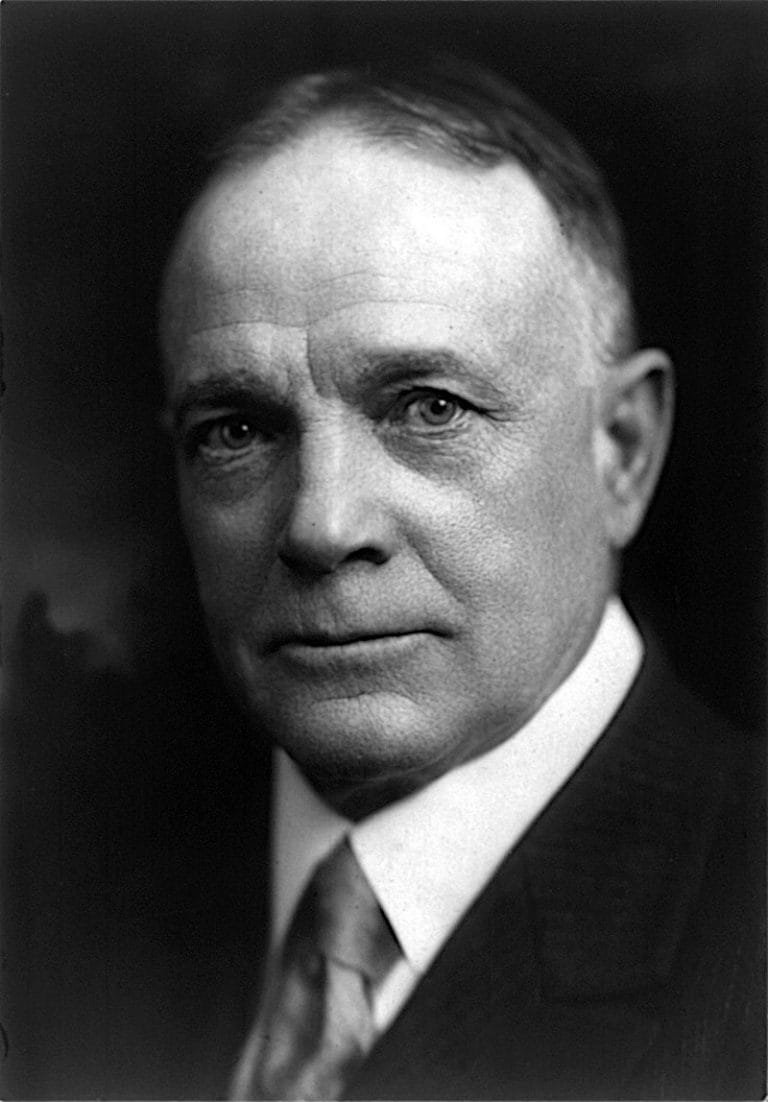
The place of death of Billy Sunday, located in Winona Lake, serves as a quiet yet meaningful site connected to one of the most dynamic figures in American religious history. Known for his energetic preaching style and his wide-reaching revival campaigns, Billy Sunday left a lasting impression on early 20th-century evangelical Christianity. The home where he spent his final days reflects a more personal and reflective side of a man often remembered for his public intensity.
Billy Sunday was born in 1862 and first gained recognition as a professional baseball player before turning to Christian ministry. After his conversion, he devoted himself to evangelism, becoming one of the most prominent revivalists of his era. His sermons, marked by vivid imagery, humor, and physical movement, drew large crowds across the United States. At a time when cities were growing rapidly and social changes were reshaping the nation, Sunday’s message of repentance and moral reform resonated with many.
In his later years, Sunday made his home in Winona Lake, a small community known for its religious gatherings and conferences. The town had become a center for Bible teaching and evangelical activity, making it a fitting place for Sunday to settle. Here, away from the demanding schedule of his earlier ministry, he found a measure of rest while remaining connected to the work that had defined his life.
On November 6th, 1935, Billy Sunday died at the home of his wife (Nell)’s brother William J Thompson Jr. His passing marked the end of a remarkable career that had spanned decades and influenced countless individuals. Though the great revival meetings of his earlier years had already begun to fade, his impact remained evident in the churches, organizations, and personal testimonies shaped by his preaching.
The house in Winona Lake, while not as widely known as some historic religious landmarks, holds significance as the setting of Sunday’s final chapter. It represents a transition from the public platform to private reflection, from the noise of revival crowds to the quiet conclusion of a life of service. The simplicity of the location stands in contrast to the scale of his earlier ministry, offering a reminder that even the most prominent lives end in humble surroundings.
The legacy of Billy Sunday extends far beyond the place of his death. He is remembered as a pioneer of modern evangelism, helping to shape the methods and style of revival preaching in the United States. His emphasis on clear, direct communication and his willingness to engage contemporary issues made his ministry accessible to a broad audience. He also played a role in social movements of his time, particularly in advocating for temperance and moral reform.
In the years since his death, historians and religious scholars have continued to study Sunday’s life and work, recognizing both his strengths and the complexities of his era. The home in Winona Lake remains a point of connection to his story, a place where visitors can reflect on the life of a man who once stood before thousands, calling them to faith and repentance.
In its quiet way, Billy Sunday’s place of death serves as a fitting conclusion to a life marked by fervor and dedication. It reminds us that behind the public figure was a man whose journey, like all others, ended in stillness, leaving behind a legacy carried forward by those he influenced.
_____
Image Source/Credit:
• See page for author, Public domain, via Wikimedia Commons
Related
Sorry, no records were found. Please adjust your search criteria and try again.
Sorry, unable to load the Maps API.