
The Museum of the Bible and Archaeology, located on the campus of New Orleans Baptist Theological Seminary in New Orleans, is a distinctive educational resource dedicated to exploring the history, transmission, and material culture of the Bible. Though relatively small in size, the museum plays an important role in connecting students and visitors with the ancient world of Scripture and the long history of the biblical text.
The museum was established as part of the seminary’s broader commitment to biblical scholarship and archaeological study. The seminary itself, founded in 1917 by the Southern Baptist Convention, has long emphasized missions, evangelism, and theological education. Over time, this commitment expanded to include serious engagement with biblical archaeology and textual studies, eventually leading to the creation of a museum that would bring these disciplines together in a tangible and accessible way.
Opened in the early twenty-first century, the museum has grown steadily in both scope and significance. By 2024, it celebrated its tenth anniversary, marking a decade of service as a teaching and outreach tool for the seminary and the wider community. Its location within the Luter Student Center allows it to function as an integral part of campus life while remaining open to visitors through self-guided and scheduled tours.
One of the museum’s defining features is its focus on the transmission of the Bible through history. Exhibits trace the development of the biblical text from its earliest forms to modern printed editions. Visitors can view examples and facsimiles of ancient Hebrew scrolls, Greek New Testament manuscripts, and Latin texts, illustrating how Scripture was preserved and copied across centuries. These displays help demonstrate the careful process by which the Bible has been handed down, emphasizing both its historical continuity and its cultural significance.
Particularly noteworthy is the museum’s collection of rare and replica Bibles. Among these is a facsimile of the Gutenberg Bible, one of the most important milestones in the history of printing. This replica reflects the appearance and craftsmanship of the original fifteenth-century edition and serves as a reminder of the transformative impact of the printing press on the spread of Scripture. In addition, the museum houses early English Bibles, including editions of the King James Version dating back to the seventeenth century, offering insight into the development of biblical translation.
Another significant aspect of the museum is its connection to biblical archaeology. Artifacts from Israel and the broader ancient Near East provide a glimpse into the daily life, culture, and environment of the biblical world. These items, though often modest in size, help bring historical context to familiar biblical narratives. The museum’s archaeological emphasis is closely tied to the seminary’s long-standing involvement in excavations and research projects across the Middle East, where faculty and students have participated in fieldwork for decades.
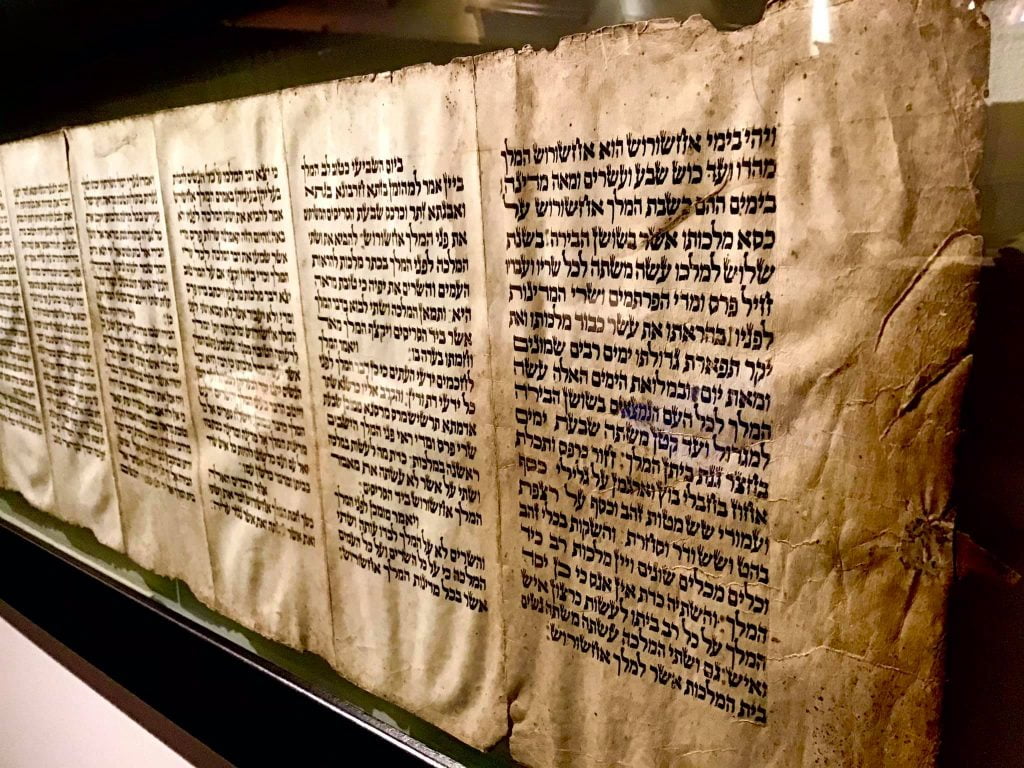
In recent years, the museum has continued to expand its collection with meaningful acquisitions. One notable addition is a set of Hebrew scrolls known as the Festival Scrolls, containing biblical books such as Ruth, Esther, and Ecclesiastes. These manuscripts, written around 1800 and preserved through significant historical upheavals, add depth to the museum’s representation of the Old Testament tradition.
Education remains at the heart of the museum’s mission. It serves as a classroom extension for seminary students, particularly those studying biblical studies, languages, and archaeology. At the same time, it welcomes church groups, school classes, and individual visitors, offering guided tours in multiple languages. Through these efforts, the museum seeks to make complex scholarly topics understandable and meaningful to a wide audience.
The atmosphere of the museum reflects its academic and devotional purpose. Rather than emphasizing entertainment, it encourages thoughtful engagement with history and Scripture. Exhibits are arranged to tell a coherent story—how the Bible came into being, how it was preserved, and how it has influenced countless generations.
In the broader landscape of religious and educational institutions, the Museum of the Bible and Archaeology at New Orleans Baptist Theological Seminary occupies a unique place. It bridges the gap between scholarship and faith, offering visitors a chance to encounter the physical remnants of the biblical world while reflecting on the enduring significance of the Scriptures.
Though not widely known outside academic and religious circles, the museum’s impact is substantial. It stands as a testament to the value of preserving the past, not merely for historical curiosity, but for the deeper understanding of a text that has shaped civilizations. In doing so, it continues to fulfill its purpose as both an educational resource and a quiet witness to the enduring legacy of the Bible.
_____
Image Source/Credit:
• (2) Facebook (www.facebook.com/NOBTSMuseum/photos/pb.100063457692074.-2207520000/2845129732409347/?type=3)
Related
Sorry, no records were found. Please adjust your search criteria and try again.
Sorry, unable to load the Maps API.