

The First Churches of Northampton stands as one of the oldest and most historically significant congregations in New England. Located in Northampton, its story stretches back to the earliest days of colonial settlement and continues into the present as a living example of how faith communities adapt while preserving their roots. Its history, legacy, and impact are deeply intertwined with the development of both the town and American religious life.
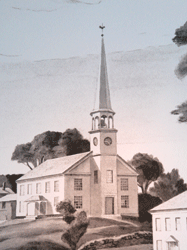
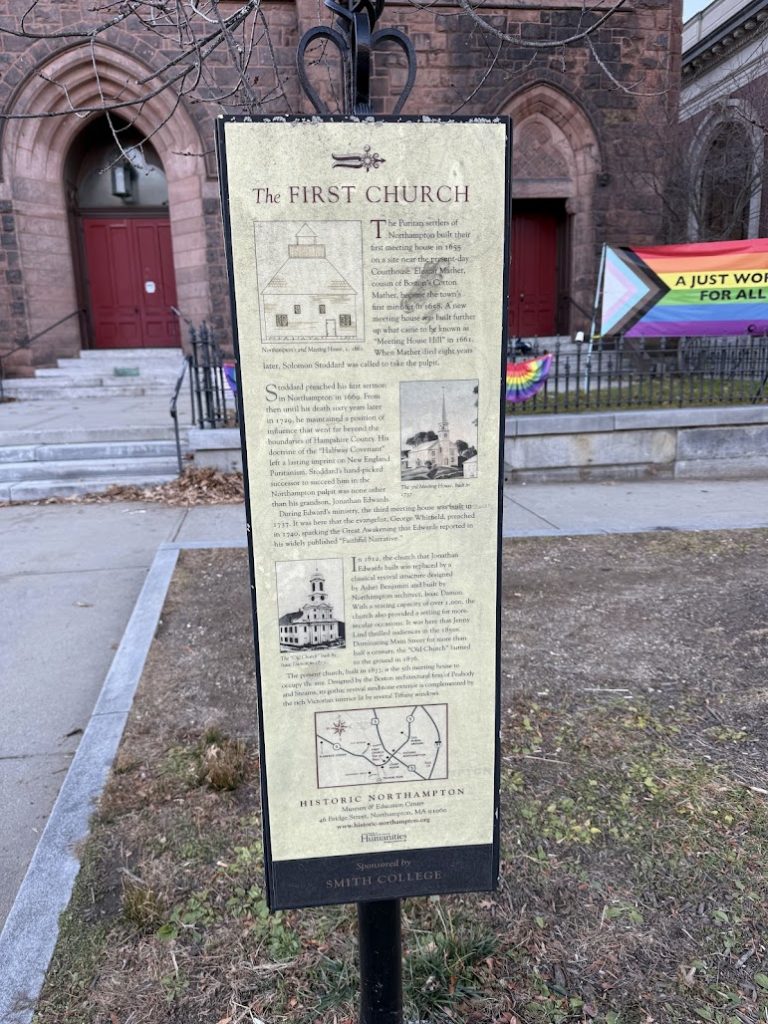
The origins of First Churches date to 1654, the very year Northampton was settled by English Puritans. The congregation began as the First Church of Christ, a typical New England meetinghouse church that served not only religious purposes but also civic functions. In those early years, church and community were closely linked, and the meetinghouse stood at the center of town life. Over time, five successive meetinghouses were built to accommodate growth, reflecting both the expanding population and the evolving architectural styles of each era.
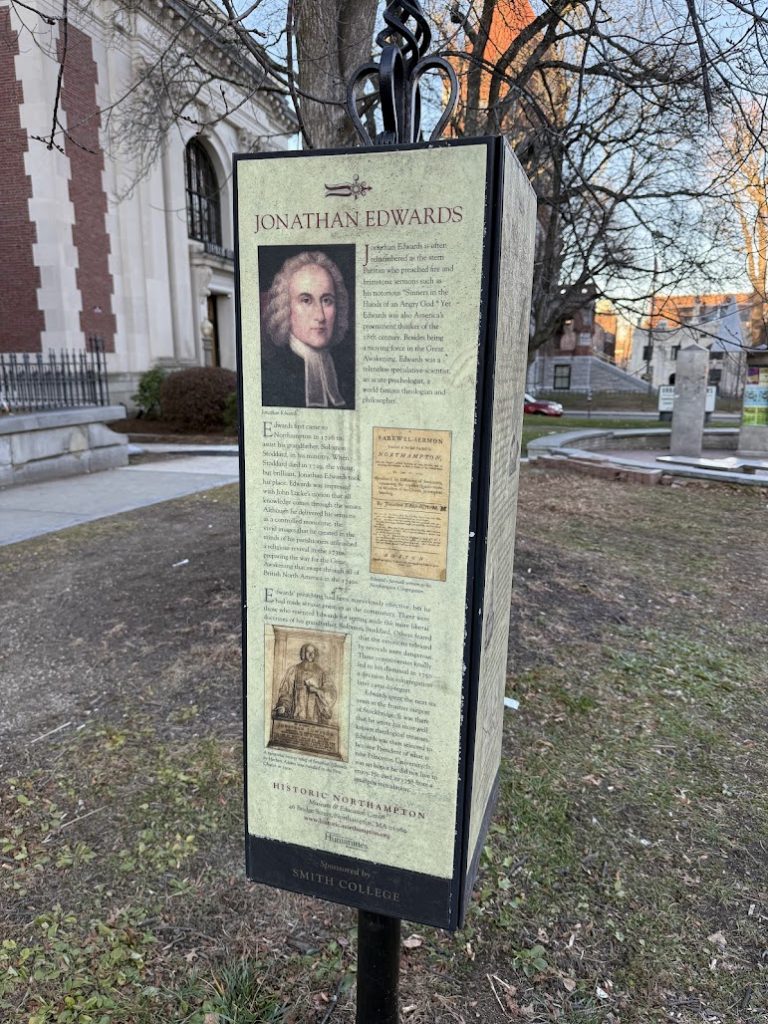
Among the most notable figures associated with the church was Jonathan Edwards, who served as pastor in the eighteenth century. Edwards became one of the leading voices of the Great Awakening, a movement that reshaped religious life in colonial America. During his ministry in Northampton, the congregation experienced dramatic spiritual renewal, drawing visitors from across the region. The church thus became a focal point for one of the most influential revivals in American history, cementing its place in the broader narrative of Protestantism.
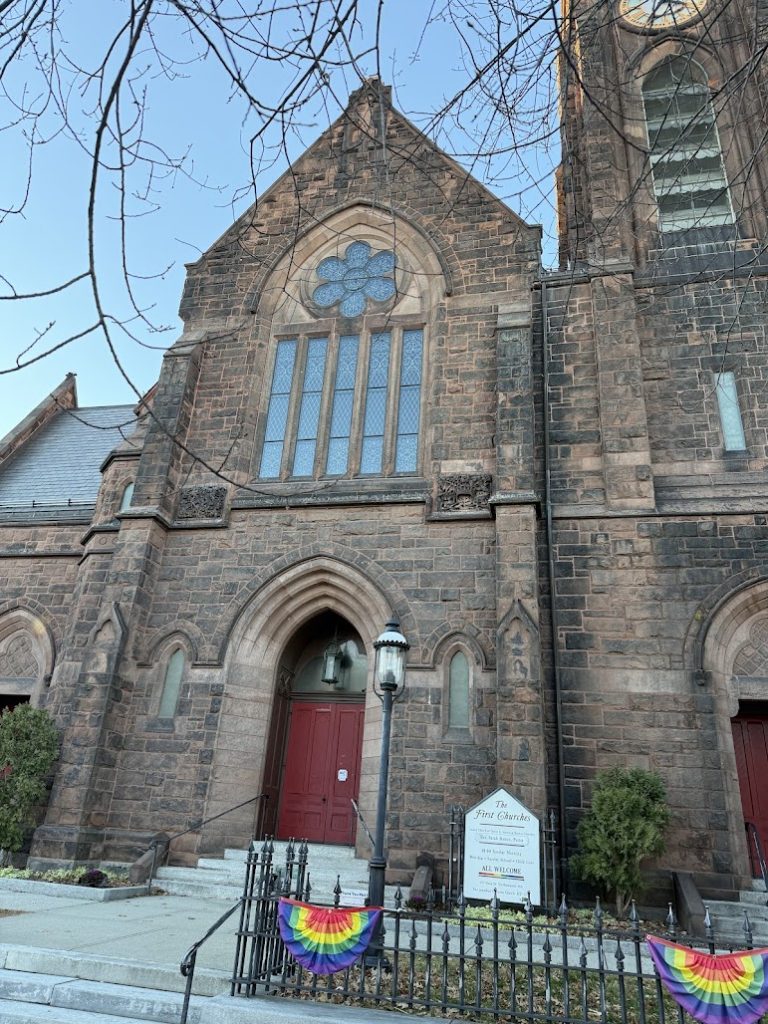
As the congregation grew, so did its physical presence. The third meetinghouse, constructed in 1737, reflected the surge of interest during the revival period, while later structures demonstrated increasing sophistication in design. The fourth meetinghouse, completed in 1812, was considered one of the finest church buildings in New England before it was destroyed by fire in 1876. The current building, completed in 1878 and designed by the prominent architectural firm Peabody & Stearns, stands as the fifth meetinghouse and remains a defining feature of Northampton’s Main Street.
Architecturally, the present structure is a striking example of High Victorian Gothic style, built from local brownstone and crowned with a prominent spire. It is part of the Northampton Downtown Historic District and has long been recognized as a landmark. Beyond its visual presence, however, the building reflects a deeper tradition: the enduring role of the meetinghouse as a place not only for worship but also for community gathering.
The legacy of First Churches is also marked by its ability to adapt. In 1988, the historic First Church of Christ merged with the First Baptist Church of Northampton, forming what is now known as “First Churches.” This union was a practical response to changing demographics and congregational needs, but it also reflected a broader spirit of cooperation within American Protestantism. By combining resources and traditions, the newly united church sought to continue its service to the community in a more effective and sustainable way.
In the decades since, First Churches has continued to evolve while maintaining its historical identity. It has embraced an inclusive approach to ministry, becoming part of movements that emphasize openness and welcome within the church. At the same time, it remains committed to its longstanding role as a community hub. The building hosts not only worship services but also cultural events, public discussions, and social outreach programs, echoing the original purpose of the meetinghouse as a shared civic space.
The impact of First Churches extends beyond its immediate congregation. Its history offers a window into the broader development of American religion—from Puritan beginnings to revival movements, from denominational divisions to modern ecumenical cooperation. Few institutions can claim such continuity across more than three and a half centuries. The church’s connection to figures like Jonathan Edwards and events like the Great Awakening further underscores its national significance.
At a local level, First Churches has played a central role in shaping the identity of Northampton. Its location on “Meetinghouse Hill” and its prominent position on Main Street symbolize its long-standing importance to the city’s civic and cultural life. Generations of residents have gathered within its walls for worship, education, and community events, making it a constant presence amid changing times.
In conclusion, the First Churches of Northampton represents a rare blend of continuity and change. Its history reflects the founding of a community, its legacy is tied to major developments in American religious life, and its ongoing impact is seen in its continued service as a place of gathering and reflection. From a simple seventeenth-century meetinghouse to a vibrant modern congregation, it stands as a testament to the enduring role of faith institutions in shaping both local communities and the broader course of history.
_____
Image Source/Credit:
• Virtual Tours – Historic Northampton Museum and Education Center (>www.historic-northampton.org/virtual_tours/Markers/Markerpanels/firstchurch.html)
• Other Images – Our Christian Heritage Collection
Related
Sorry, no records were found. Please adjust your search criteria and try again.
Sorry, unable to load the Maps API.