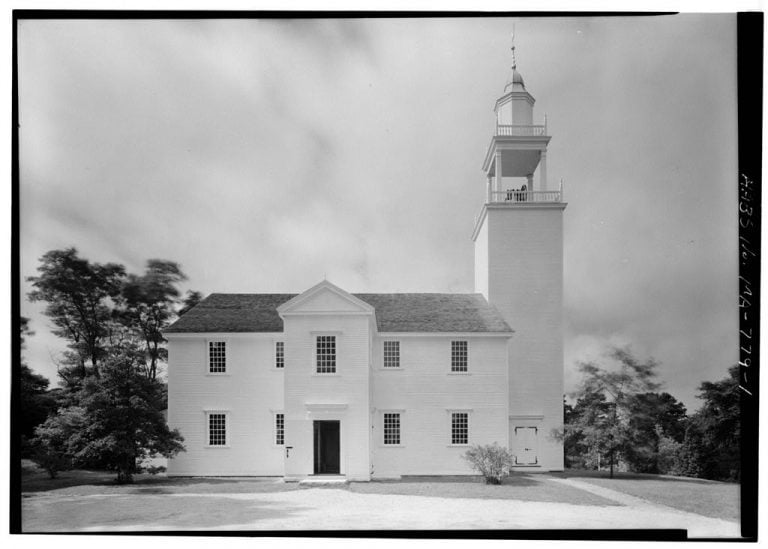
The West Parish of Barnstable—often called the West Barnstable Parish Church—stands as one of the enduring witnesses to early New England faith and community life. Although sometimes mistakenly associated with England, it is in fact rooted in Barnstable Massachusetts, where it has served generations since the early 18th century.
The church was formally organized in 1717, during a period when the expansion of settlements across Cape Cod made it necessary to establish additional parish churches beyond the older coastal congregations. As families moved inland, they required a local place of worship, and the West Parish was created to meet that need. Like many churches of its time, it followed the Congregational tradition, which had deep ties to the original Puritan settlers of New England.
The early meetinghouse was more than a place for Sunday worship. It served as the center of civic and social life for the surrounding community. In colonial Massachusetts, the parish church often functioned as both a religious institution and a gathering place where local decisions were discussed and community concerns addressed. This dual role reflected the close connection between faith and daily life that characterized the era.
One of the most significant early figures in the church’s history was John Shaw, who served as pastor for more than half a century. Ordained in 1718, Shaw provided steady leadership during a formative period in the church’s development. His long ministry helped establish stability and continuity, shaping both the spiritual life of the congregation and the broader character of the community.
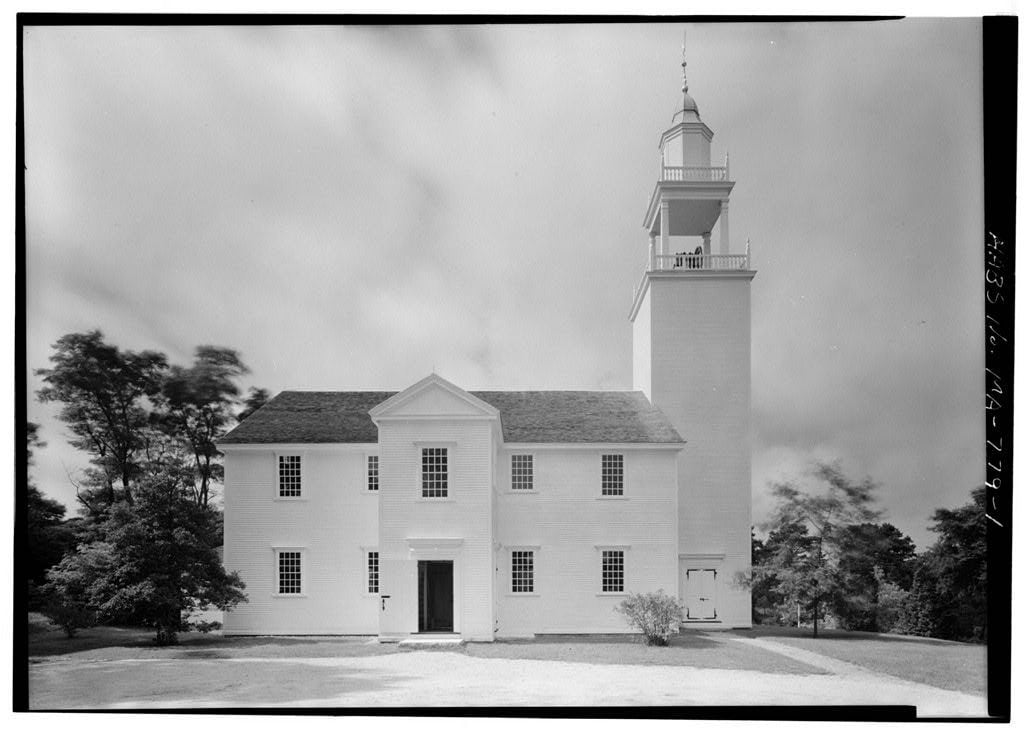
Architecturally, the church building reflects the simplicity and practicality of early New England design. The current structure, dating from the early 19th century, retains many traditional features, including a plain exterior and a meetinghouse-style interior. These elements emphasize function over ornament, consistent with the values of the Congregational tradition. Over time, the building has been carefully preserved, allowing it to stand as a tangible link to the past.
Throughout its history, the West Barnstable Parish Church has adapted to changing times while maintaining its core commitments. In the 19th century, like many Congregational churches, it experienced theological and cultural shifts as American society evolved. Yet it continued to serve as a spiritual home for local families, providing continuity in an era of increasing mobility and change.
The impact of the church extends beyond its immediate congregation. As one of the oldest continuously active parishes on Cape Cod, it represents the enduring influence of early American religious life. Its history offers insight into how communities were formed, sustained, and guided by shared beliefs and traditions.
Today, the West Parish of Barnstable remains an active congregation, connected to the United Church of Christ. While its surroundings have changed considerably since the 18th century, the church continues to uphold a legacy of worship, service, and community involvement.
In a world that often moves quickly past its roots, the West Barnstable Parish Church stands as a reminder of the importance of continuity, faith, and the steady institutions that have shaped local life for centuries.
_____
Image Source/Credit:
• Cervin Robinson, Public domain, via Wikimedia Commons
Related
Sorry, no records were found. Please adjust your search criteria and try again.
Sorry, unable to load the Maps API.