

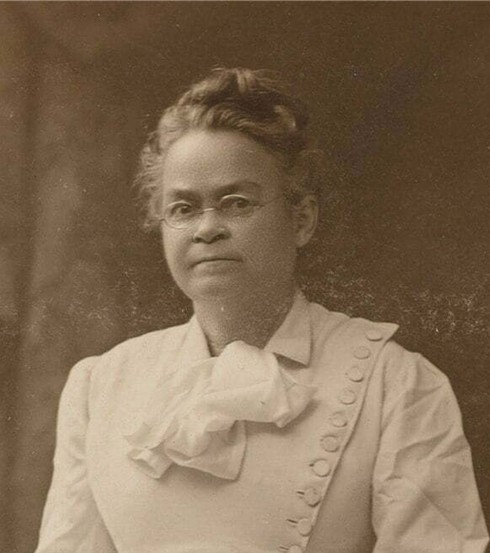
The life of Carrie Nation stands as one of the most striking and controversial chapters in the history of the American temperance movement. Known for her dramatic methods and uncompromising stance against alcohol, Nation became a national figure in the early twentieth century, symbolizing both the intensity and the division surrounding the push for prohibition in the United States.
Born in 1846 in Kentucky, Carrie Nation grew up in a turbulent environment marked by economic hardship and personal loss. Her early life included multiple marriages, the death of her first husband, and ongoing struggles to support her family. These experiences shaped her worldview and contributed to her later conviction that alcohol was a destructive force not only in society but also in the home. Over time, she came to believe that the temperance cause was not merely social reform, but a moral and religious duty.
Nation’s activism gained momentum in the context of the broader Temperance movement, which sought to reduce or eliminate the consumption of alcohol in American society. While many temperance advocates focused on education, legislation, and persuasion, Nation became known for a far more confrontational approach. She believed that moral urgency justified direct action, even if it meant breaking the law or facing arrest.
Her most famous method involved entering saloons and using a hatchet to destroy bottles, mirrors, and bar fixtures. These actions, which she described as “home protection,” were intended to draw attention to what she saw as the social and familial devastation caused by alcohol. Her raids quickly made her a national figure. Newspapers covered her exploits extensively, often portraying her as both a crusader and a spectacle. Public reaction was deeply divided: some saw her as a courageous reformer, while others viewed her as disruptive and extreme.
Nation’s activities took place during a period of growing tension over alcohol consumption in the United States. The temperance movement was gaining political traction, eventually culminating in the passage of the Prohibition in the United States, which banned the manufacture and sale of alcoholic beverages. Although Nation died in 1911, before national prohibition was enacted, her work contributed to the broader cultural momentum that made such legislation possible.
In addition to her direct action campaigns, Nation was also a prolific speaker and writer. She traveled extensively across the United States, giving lectures that combined moral exhortation with personal testimony. Her speeches often emphasized the impact of alcohol on women and children, framing temperance as a matter of protecting the family unit. She also published autobiographical accounts of her life and activism, which helped shape her public image and extend her influence.
Despite her fame, Nation faced significant opposition. She was frequently arrested for vandalism and disorderly conduct, and she spent time in jail on multiple occasions. Critics argued that her methods undermined the rule of law and damaged the credibility of the temperance cause. Even within reform circles, opinions about her tactics were divided. Some temperance leaders distanced themselves from her, preferring legislative advocacy over direct confrontation.
Yet her impact on American culture was undeniable. Carrie Nation became a symbol of uncompromising activism, and her image—often depicted holding a hatchet—became widely recognized. She challenged conventional expectations of women in public life at a time when female political participation was still limited. In doing so, she helped pave the way for broader discussions about women’s roles in social reform movements.
Carrie Nation’s legacy remains complex. She is remembered both as a passionate reformer and as a controversial figure whose methods sparked debate about the boundaries of protest. Her life illustrates the intensity of the temperance movement and the broader social struggles of her era. Whether viewed as radical or righteous, she left an enduring mark on American reform history, shaping public discourse on alcohol, morality, and activism in ways that continued to resonate long after her death.
_____
Image Source/Credit (in order):
• File:Carrie Nation by White Studio.jpg – Wikipedia (>en.wikipedia.org/wiki/File:Carrie_Nation_by_White_Studio.jpg)
• Newspapers.com, The Plain Dealer, June 10, 1911 (www.newspapers.com/article/the-plain-dealer/195754451/)
Related

Sorry, no records were found. Please adjust your search criteria and try again.
Sorry, unable to load the Maps API.