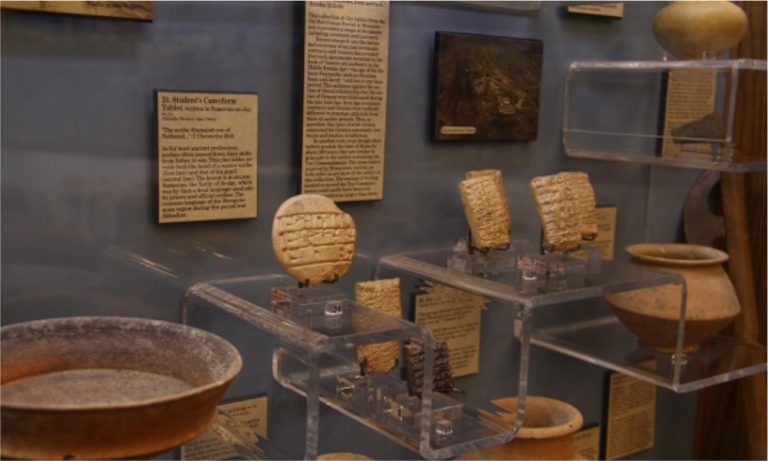
The Trinity Southwestern University Museum of Archaeology, located in Albuquerque, New Mexico, is a specialized institution dedicated to the study and display of artifacts related to the ancient Near East and the historical context of the Bible. Operated by Trinity Southwestern University, the museum serves both as an educational resource and as a center for research, particularly in the field of biblical archaeology.
The museum was established with the goal of providing students, scholars, and the general public with access to archaeological materials that illuminate the cultural and historical background of the Scriptures. Its collections focus primarily on regions such as ancient Israel, Egypt, Mesopotamia, and surrounding areas—civilizations that played significant roles in the narratives of the Bible. By presenting physical artifacts from these regions, the museum seeks to connect textual accounts with material evidence.
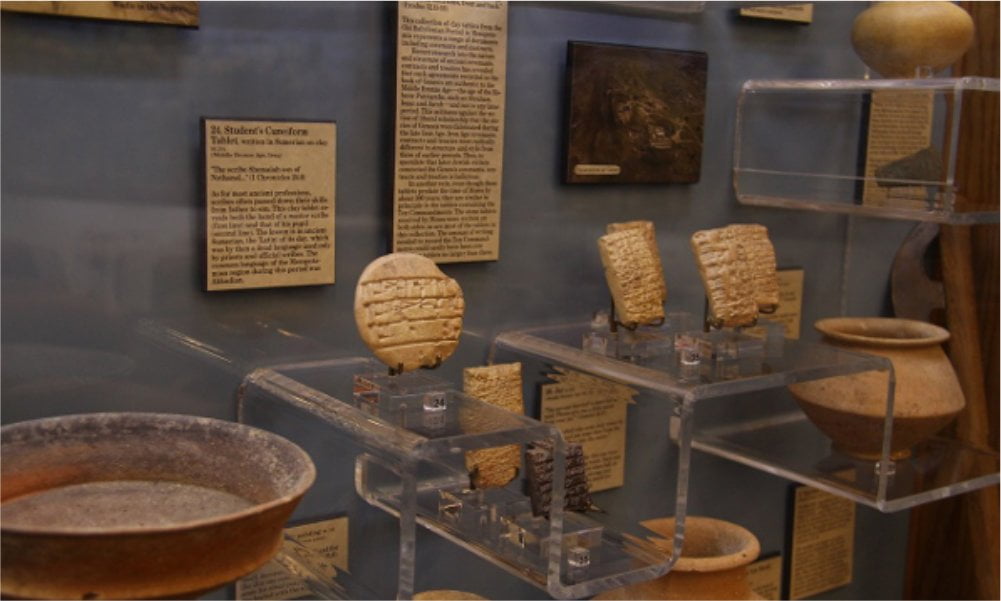
Among the items typically featured in the museum are ancient pottery, tools, inscriptions, coins, and other everyday objects that help illustrate life in antiquity. These artifacts, though often modest in appearance, provide valuable insight into the social, economic, and religious practices of ancient peoples. For students of history and theology, such objects offer a tangible link to the past, enriching their understanding of biblical texts and the world in which they were written.
A distinctive aspect of the Trinity Southwestern University Museum of Archaeology is its emphasis on the relationship between archaeology and biblical interpretation. Exhibits often highlight how archaeological discoveries can shed light on historical events, cultural practices, and geographic settings mentioned in Scripture. While interpretations of archaeological findings can vary, the museum presents its materials in a way that encourages exploration and thoughtful consideration of the evidence.
In addition to its exhibits, the museum plays a role in academic life at Trinity Southwestern University. It supports coursework in archaeology, history, and theology, providing students with opportunities to engage directly with artifacts rather than relying solely on textbooks. This hands-on approach enhances the learning experience and fosters a deeper appreciation for the discipline of archaeology.
The museum also participates in broader research efforts. Trinity Southwestern University has been involved in archaeological excavations and projects in the Middle East, and the museum serves as a repository for some of the materials and findings associated with this work. These activities contribute to ongoing scholarship and help expand knowledge of ancient civilizations.
For visitors, the museum offers an accessible introduction to the field of archaeology. Displays are designed to be informative while remaining approachable, making the subject understandable to those without specialized training. Educational programs, tours, and lectures further support the museum’s mission to engage the public and promote interest in the ancient world.
The impact of the museum lies in its ability to bridge the gap between academic study and public understanding. By presenting artifacts in a meaningful context, it helps visitors see the connections between ancient history and modern faith traditions. It also encourages critical thinking about how historical knowledge is formed and how evidence is interpreted.
Situated in Albuquerque, the museum adds to the cultural and educational landscape of the region. While it may not be as large as some national institutions, its focused collection and specialized mission give it a unique role. It attracts students, researchers, and visitors who are interested in the intersection of archaeology and biblical studies.
In conclusion, the Trinity Southwestern University Museum of Archaeology provides a valuable resource for exploring the ancient world. Through its collections, educational programs, and research activities, it offers insight into the historical context of the Bible and the civilizations that shaped it. Its work continues to contribute to both academic inquiry and public appreciation of archaeology.
♦ _____ ♦
From website:
ANCIENT ARTIFACTS
TSUMA features hundreds of ancient objects from the times of Abraham, Moses, David and Solomon, the Hebrew prophets, John the Baptizer and Jesus. Each artifact is linked to a Bible passage, lending a 3-dimensional, tangible reality to the text. Artifacts from the TSU excavation of biblical Sodom (Tall el-Hammam) are on display for the first time.
There’s simply nothing like it anywhere else in the world!
FOR ADULTS & CHILDREN
The Museum is designed for adults and children in the 4th grade or older with an accompanying adult. Because of “hands-on” artifacts and other features of the Museum, it is not suitable for children below the 4th grade.
Without a doubt, it is one of the best Bible-teaching environments imaginable. It’s an opportunity that you’ll want to experience again and again (after all, it would take hours and hours to take it all in!).
_____
Image Source/Credit:
• “MUSEUM – Trinity Southwest University.” Trinity Southwest University, 20 June 2023 (trinitysouthwest.com/museum)
Related
Sorry, no records were found. Please adjust your search criteria and try again.
Sorry, unable to load the Maps API.