Hymn History: Our Great Savior
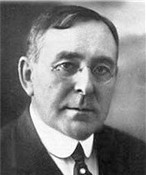
Author: John Wilbur Chapman
“Anything that dims my vision of Christ, or takes away my taste for Bible study, or cramps me in my prayer life, or makes Christian work difficult, is wrong for me, and I must, as a Christian, turn away from it.”
(John Wilbur Chapman)
The Origin of the Hymn “Our Great Savior”
The life and legacy of John Wilbur Chapman stand as a testament to the impact of one man who combined evangelistic zeal with a gift for sacred music. Best known as an evangelist and pastor in the late nineteenth and early twentieth centuries, Chapman also contributed to the hymnody of his era, leaving a legacy of songs that encouraged personal devotion and congregational praise. Among his contributions, the hymn “Our Great Savior” exemplifies his ability to communicate profound truths of the Christian faith in simple, singable language.
John Wilbur Chapman was born in 1859 in Middletown, New York. He grew up in a devout family and displayed an early passion for Scripture and public speaking. His spiritual development was shaped by the revivalist and evangelical movements of the post-Civil War era, a time when American Protestantism emphasized personal conversion, Bible study, and moral responsibility. Chapman eventually attended the College of New Jersey (now Princeton University) and later Princeton Theological Seminary, where he deepened his theological understanding and cultivated his gift for preaching.
After completing his education, Chapman served in pastoral ministry and quickly gained a reputation for dynamic preaching. He later joined forces with evangelist D. L. Moody and became a leading figure in revival campaigns across the United States. Chapman’s evangelistic approach emphasized personal commitment to Christ, Scripture-centered sermons, and accessible music that could be sung by congregations and youth groups alike. This context of revivalist fervor and communal worship greatly influenced his hymn writing.
Chapman’s hymn “Our Great Savior” reflects both his theological clarity and his pastoral sensitivity. The text praises the majesty and mercy of Jesus Christ, focusing on His role as redeemer and intercessor. Hymns like this were not merely devotional exercises but practical tools for teaching and encouraging congregational faith. They conveyed theological truths in language simple enough for children and adults alike, yet rich enough to inspire deep reflection and worship.
The refrain of “Our Great Savior” emphasizes the centrality of Christ:
Our great Savior, mighty to save,
He reigns victorious over the grave;
Lift your hearts and sing aloud,
Our great Savior, King and Lord!
This focus on Christ’s victory over sin and death reflects the core of evangelical theology and resonates with the revivalist emphasis on assurance of salvation. The hymn encourages believers to respond with gratitude and worship, echoing the energy and optimism of Chapman’s preaching style.
Chapman’s hymns were typically paired with melodies designed for congregational singing. The musical settings were straightforward, allowing groups without trained singers to participate fully. This accessibility ensured that his hymns could be used in revival meetings, Sunday school classes, and regular church services, extending their influence across denominational lines.
Beyond his hymn writing, Chapman’s legacy is inseparable from his broader ministry. He was a pioneer in the “mass evangelism” movement, organizing large-scale revival campaigns that reached thousands. He also founded the New York City-based Northfield Seminary campaign and promoted systematic Bible study through youth societies. In all of these endeavors, music played a central role. Chapman understood that a memorable hymn could reinforce preaching, create a sense of unity among participants, and leave a lasting spiritual impression. “Our Great Savior” exemplifies this strategy, bridging the gap between doctrinal teaching and heartfelt devotion.
Chapman’s influence also extended through his published works, including tracts, sermon collections, and hymnals. Many of these publications included his own songs or recommended hymn selections for revival meetings. Through print and performance, Chapman’s hymns became part of the spiritual repertoire of countless American congregations in the early twentieth century. Even today, “Our Great Savior” is occasionally found in hymnals emphasizing classic gospel songs, preserving both its devotional and historical value.
In assessing Chapman’s legacy, it is clear that he was motivated by a pastoral heart and a desire to see believers strengthened in faith. His hymns, while often overshadowed by his fame as an evangelist, provide a window into his theology and spiritual priorities. They reflect a focus on Christ’s power, mercy, and ongoing presence in the lives of believers.
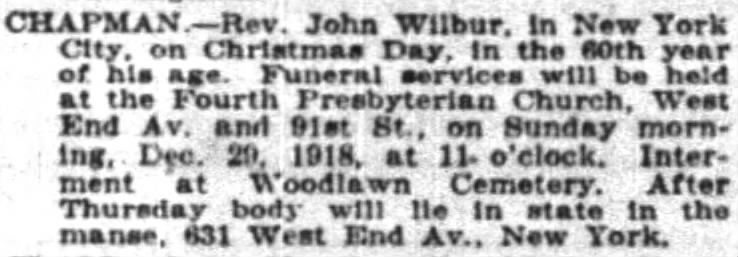
Ultimately, John Wilbur Chapman’s contribution to Christian hymnody demonstrates the enduring value of music in shaping faith. Hymns like “Our Great Savior” communicate theological truths with clarity, evoke emotional engagement, and invite active participation in worship. Through these songs, Chapman’s influence continues, reminding Christians of the centrality of Christ, the hope of salvation, and the joy of congregational praise. His life, combining preaching and hymn writing, exemplifies a holistic approach to ministry in which Word and song reinforce each other, leaving a legacy that resonates long after his passing in 1918.
In both his hymns and his evangelistic work, Chapman exemplifies the power of faithful dedication to Christ. “Our Great Savior” remains a testimony to his ability to communicate enduring truths in a way that continues to inspire worshipers, illustrating that the right combination of theological insight, pastoral care, and musical expression can leave an indelible mark on the life of the church.
Hymns by John Wilbur Chapman in Great Hymns of the Faith:
#49 – Our Great Savior
#103 – One Day!
_____
Image Source/Credit (in order):
• Contemporary photograph, Public domain, via Wikimedia Commons
• Newspapers.com, The New York Times, December 26, 1918 (www.newspapers.com/article/the-new-york-times/192527775/)
Related
Sorry, no records were found. Please adjust your search criteria and try again.
Sorry, unable to load the Maps API.