
Established to preserve and present Falwell’s legacy, the museum features a wide array of exhibits that chronicle his life from humble beginnings to national prominence. Born in 1933, Falwell grew up in Lynchburg and remained closely connected to the city throughout his life. The museum reflects this local connection, showing how his early experiences shaped his vision for ministry and education.
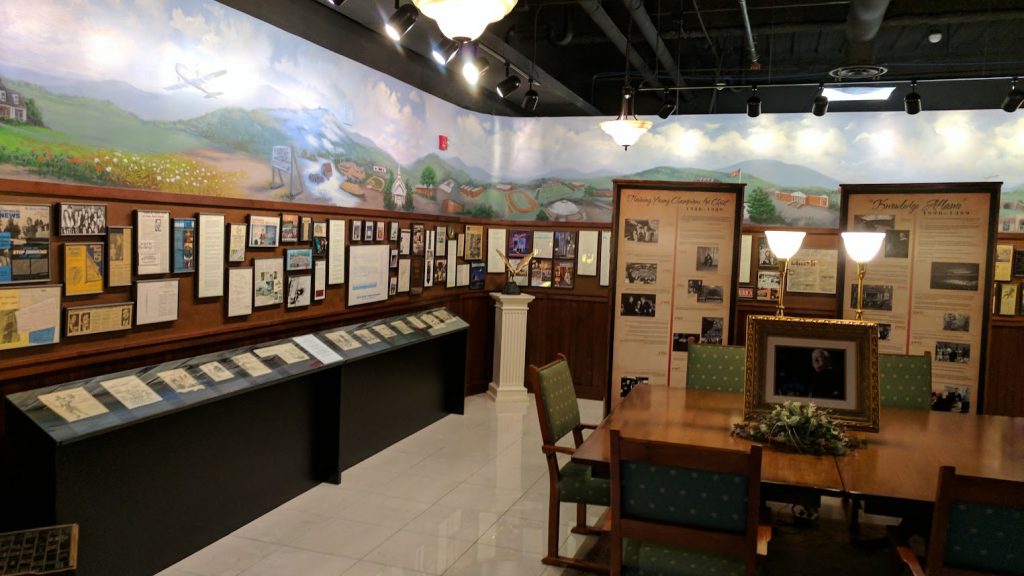
One of the central themes of the museum is Falwell’s role as founder of Thomas Road Baptist Church, which began in 1956 with a small congregation and grew into a large and influential ministry. Through photographs, recordings, and artifacts, visitors can trace the development of the church and its outreach efforts. These exhibits highlight Falwell’s emphasis on evangelism, community involvement, and the use of media to reach a wider audience.
Another major focus is the founding and growth of Liberty University. The museum documents how Falwell envisioned a Christian institution that would train young people in both academic and spiritual disciplines. What began as a small college eventually expanded into one of the largest Christian universities in the world. Displays within the museum illustrate this growth, featuring historical materials, campus developments, and testimonies from students and faculty.
The museum also explores Falwell’s influence in American public life. As a prominent voice in the Moral Majority, he played a role in mobilizing conservative Christians in the political sphere during the 1970s and 1980s. Exhibits address this aspect of his career, presenting documents, speeches, and media coverage that reflect his involvement in national discussions about morality, culture, and public policy.
In addition to these larger themes, the museum includes personal items that offer insight into Falwell’s character and daily life. Sermon notes, books, clothing, and family photographs provide a more intimate view of the man behind the public figure. These elements help visitors see not only his achievements but also his personal commitments and routines.
The design of the museum is intended to be both informative and engaging. Multimedia displays, interactive elements, and carefully arranged exhibits guide visitors through different stages of Falwell’s life. The layout encourages reflection on the broader impact of his work, while also providing clear historical context.
For many visitors, the museum serves as both an educational experience and a place of inspiration. Supporters of Falwell’s ministry often view it as a celebration of a life dedicated to faith and service. Others may come with an interest in understanding the broader history of evangelical Christianity in America, finding in the museum a valuable resource for that purpose.
_____
Image Source/Credit:
• Author’s Photo
Related
Sorry, no records were found. Please adjust your search criteria and try again.
Sorry, unable to load the Maps API.