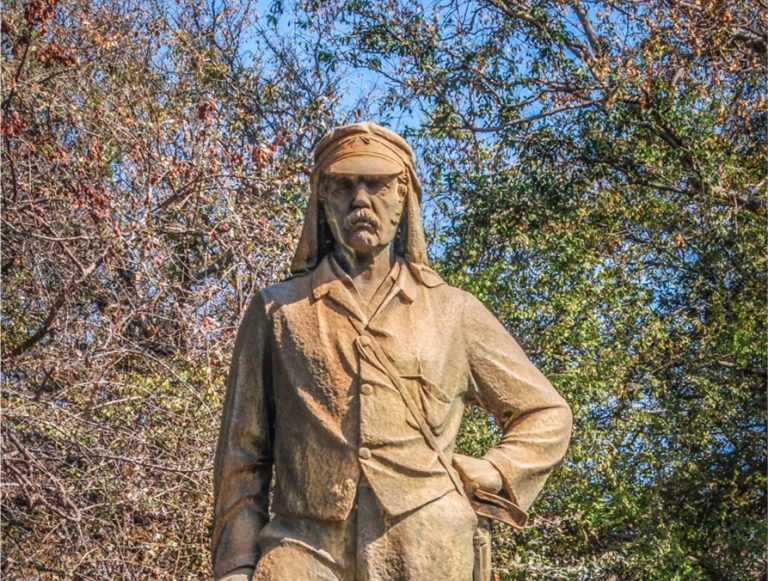
The Statue of David Livingstone at Victoria Falls
The statue of David Livingstone at Victoria Falls in Zimbabwe stands as a lasting tribute to one of the most influential missionary-explorers of the nineteenth century. Positioned near the thundering waters of the Zambezi River, the monument commemorates the Scottish missionary’s encounter with one of the natural wonders of the world and reflects his broader legacy of exploration, evangelism, and opposition to the slave trade.
David Livingstone first arrived in Africa in 1841 as a missionary with the London Missionary Society. Over time, his work extended far beyond traditional missionary activity. He became an explorer of vast regions of the African interior that were then largely unknown to Europeans. His journeys were driven not only by geographical curiosity but also by a desire to open the continent to what he described as “Christianity, commerce, and civilization,” which he believed would help undermine the slave trade.
In 1855, Livingstone reached the great waterfall known to local people as Mosi-oa-Tunya, meaning “The Smoke That Thunders.” Struck by its grandeur, he named it Victoria Falls in honor of Queen Victoria. His written descriptions of the falls introduced them to the Western world and contributed to their global recognition as one of Africa’s most spectacular natural landmarks.
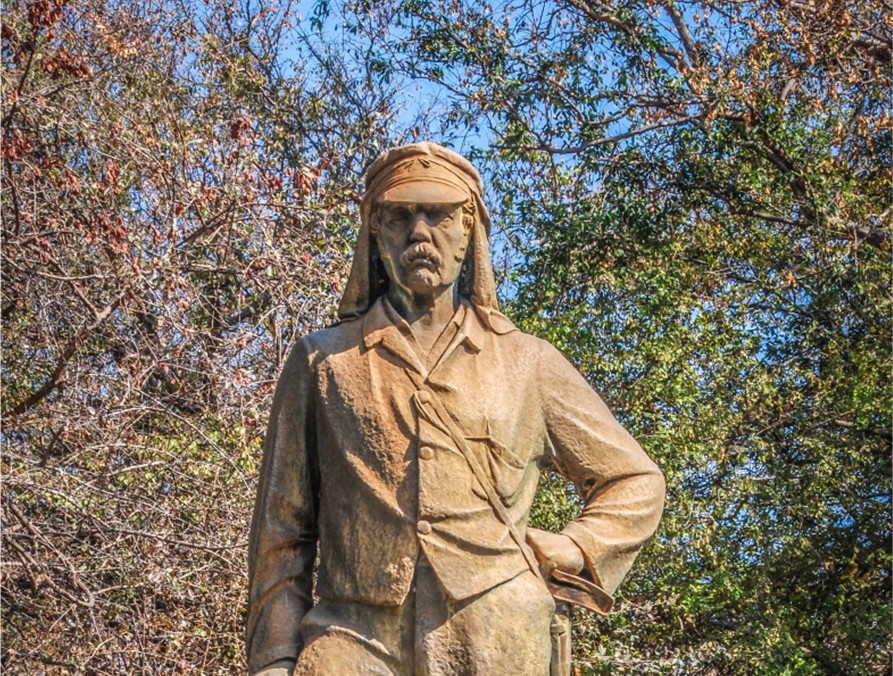
The statue erected in his honor captures Livingstone in a reflective pose, gazing out over the landscape he once explored. It is strategically placed on the Zimbabwean side of the falls, allowing visitors to contemplate both the man and the immense natural beauty that inspired him. The monument serves not only as a commemoration of his discovery but also as a symbol of the intersection between European exploration and African geography during the colonial era.
Artistically, the statue is relatively simple, emphasizing dignity and contemplation rather than grandeur. This restrained style aligns with the character often attributed to Livingstone—a man of perseverance, humility, and moral conviction. The setting enhances the monument’s impact: the constant roar of the falls and the rising mist create an atmosphere of awe, reminding visitors of the environment that so deeply moved him.
The statue also invites reflection on the complexities of Livingstone’s legacy. On one hand, he is remembered as a tireless advocate against the East African slave trade. His writings and speeches in Britain helped galvanize public opinion against slavery and encouraged further missionary and humanitarian efforts. On the other hand, his role as an explorer has been viewed within the broader context of European colonial expansion, which brought both change and disruption to African societies.
Despite these complexities, Livingstone remains a widely respected figure in both Zimbabwe and beyond. The statue at Victoria Falls has become a popular point of interest for tourists, historians, and those interested in missionary history. It provides a tangible link to the past, connecting modern visitors with the era of exploration and the individuals who shaped it.
In addition to its historical significance, the monument contributes to the cultural and educational experience of visiting Victoria Falls. It encourages reflection not only on Livingstone’s life but also on the enduring relationship between people and place. As visitors stand before the statue, they are reminded of the courage required to venture into the unknown and the lasting impact one individual can have on the world.
Today, the statue of David Livingstone remains a quiet but powerful presence near one of the world’s great natural wonders. It honors a man whose life was marked by determination and purpose, while also inviting ongoing conversation about history, legacy, and the meeting of cultures in a changing world.
_____
Image Source/Credit:
• Wayne77, CC BY-SA 3.0 <https://creativecommons.org/licenses/by-sa/3.0>, via Wikimedia Commons
Related
Sorry, no records were found. Please adjust your search criteria and try again.
Sorry, unable to load the Maps API.