

The execution of Patrick Hamilton marked a decisive and tragic beginning to the Protestant Reformation in Scotland. The death of Patrick Hamilton not only silenced a young and promising theologian but also ignited a movement that would steadily reshape the religious landscape of the nation.
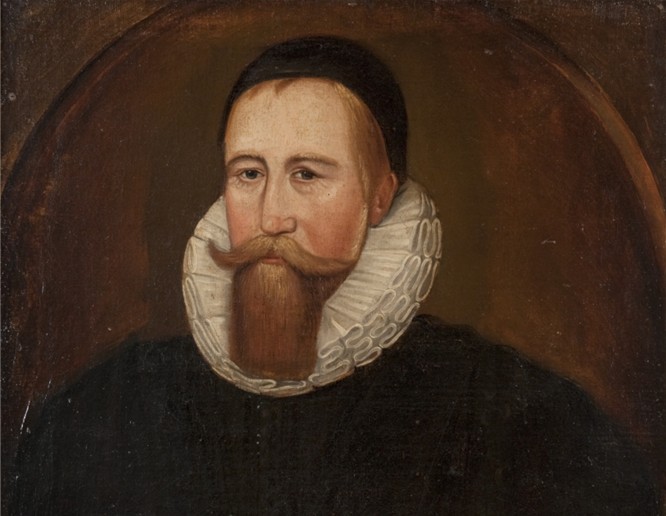
Patrick Hamilton was born around 1504 into a noble Scottish family, which gave him access to education and influence from an early age. He studied at the University of Paris, where he encountered the ideas of continental reformers, particularly those associated with the early Protestant movement. The teachings of Martin Luther had begun to spread across Europe, emphasizing justification by faith and the authority of Scripture. Hamilton embraced these principles and returned to Scotland with a growing conviction that reform was needed within the church.
Upon his return, Hamilton began to share his beliefs, teaching that salvation came through faith in Christ rather than through works or the mediation of the church. His message, though simple, challenged established authority and quickly drew the attention of church leaders. He was summoned to appear before ecclesiastical authorities in St Andrews, the center of religious power in Scotland at the time.
Hamilton’s trial was conducted under the leadership of Archbishop James Beaton. He was charged with heresy, particularly for his views on justification and his rejection of certain traditional doctrines. Though still very young—likely no more than twenty-four years old—Hamilton displayed remarkable composure and conviction. He refused to recant his beliefs, standing firmly by what he understood to be the truth of Scripture.
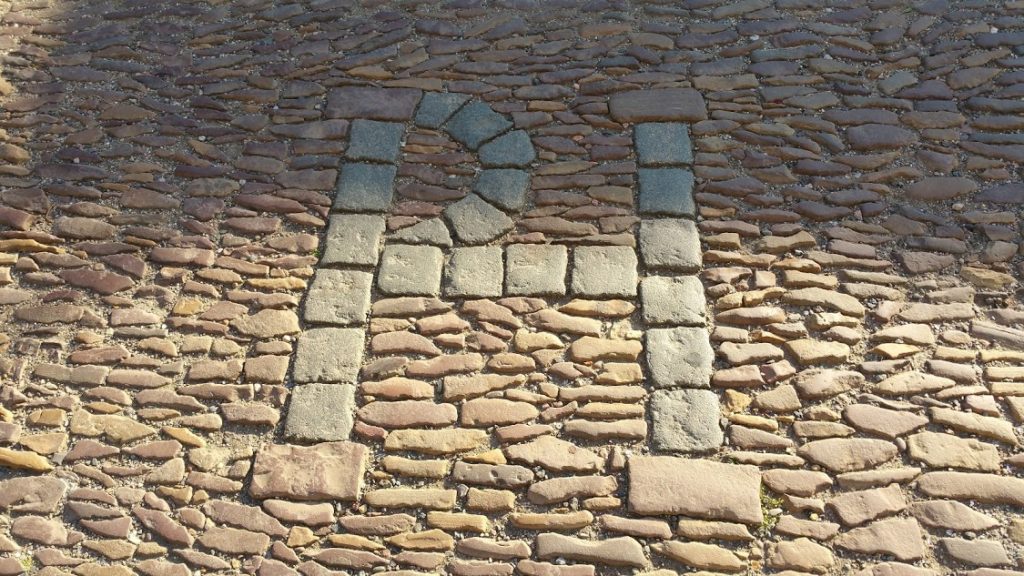
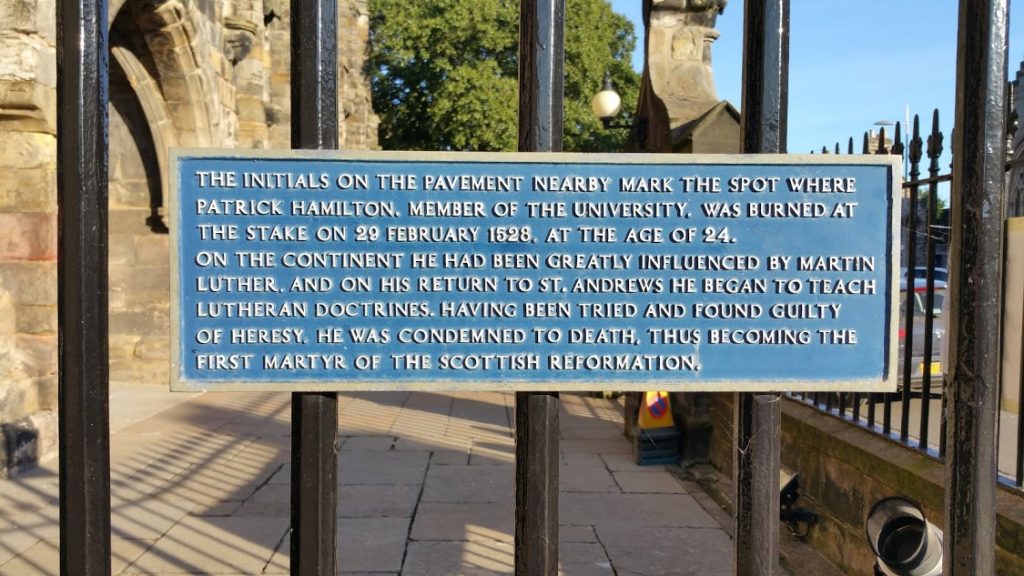
On February 29, 1528, Hamilton was sentenced to death and burned at the stake outside St Salvator’s College in St Andrews. Accounts of the execution describe it as prolonged and agonizing, due in part to difficulties with the fire. Despite the suffering, Hamilton is said to have endured with steadfast faith, reportedly speaking words of encouragement and forgiveness even as the flames consumed him.
The immediate intention of the authorities was to suppress the spread of Protestant ideas by making an example of Hamilton. However, the result was quite the opposite. His death made a deep impression on those who witnessed it, and news of his martyrdom spread quickly throughout Scotland. The courage he displayed in the face of death lent credibility to the message he had preached.
A well-known saying soon emerged in the aftermath: “The reek of Patrick Hamilton has infected all it blew upon.” This phrase captured the unintended consequence of his execution. Rather than extinguishing reform, it stirred curiosity and sympathy, leading many to examine the very teachings for which he had died.
Hamilton’s writings, though limited, also contributed to his influence. His tract known as “Patrick’s Places” presented key Protestant doctrines in a clear and concise form, making them accessible to a wider audience. This work continued to circulate after his death, reinforcing the ideas he had proclaimed.
In the years that followed, other Scottish reformers, including John Knox, would build upon the foundation that Hamilton helped lay. While Knox would later lead the Reformation in Scotland to greater prominence, Hamilton is often remembered as its first martyr—a pioneer who paid the ultimate price for his convictions.
The burning of Patrick Hamilton stands as a powerful reminder of the cost of religious reform in the sixteenth century. It reflects a time of intense conflict, when questions of faith and authority were matters of life and death. Yet it also demonstrates how truth, once kindled, can spread even under the harshest opposition.
In the end, Hamilton’s life was brief, but his impact was lasting. His witness helped set in motion a transformation that would reshape Scotland’s religious identity, ensuring that his voice would not be silenced, but rather amplified through the generations that followed.
_____
Image Source/Credit (in order):
• John Scougal (Life time: 1730), Public domain, via Wikimedia Commons
• Remi Mathis, CC BY-SA 3.0
• Photo: Patrick Hamilton Marker (www.hmdb.org/PhotoFullSize.asp?PhotoID=498577)
Related
Sorry, no records were found. Please adjust your search criteria and try again.
Sorry, unable to load the Maps API.