
The Eric Liddell Sports Centre in Edinburgh, Scotland, is a modern community facility named in honor of one of the country’s most admired athletes and missionaries, Eric Liddell. Combining sports, wellness, and community outreach, the center stands as a living tribute to Liddell’s legacy of discipline, faith, and service.
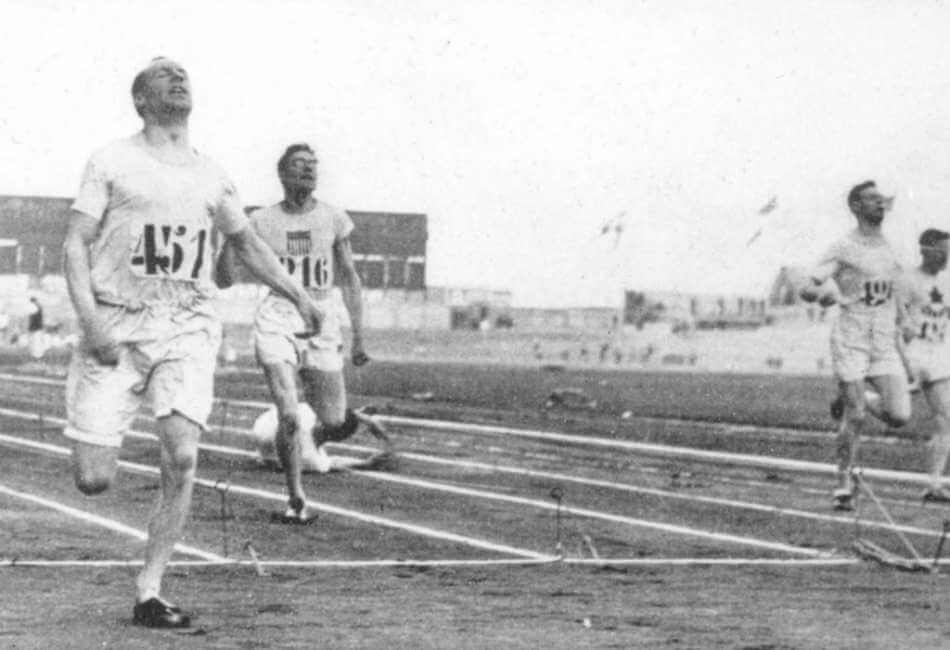
Eric Liddell is best remembered for his achievements at the 1924 Summer Olympics, where he won a gold medal in the 400 meters and a bronze in the 200 meters. His story gained worldwide recognition through the film Chariots of Fire, which portrayed his decision to withdraw from a favored race because it was scheduled on a Sunday, reflecting his strong Christian convictions. Beyond athletics, Liddell later served as a missionary in China, where he spent many years teaching and ministering until his death during World War II.
The Eric Liddell Sports Centre was established to reflect both the athletic excellence and the character of the man it commemorates. Located in the south of Edinburgh, the center serves as a hub for physical activity, health services, and community engagement. Unlike large commercial sports complexes, it is designed with a strong emphasis on accessibility and inclusion, ensuring that people of all ages and abilities can benefit from its facilities.
The center offers a wide range of amenities, including a gym, fitness studios, and spaces for group exercise classes. Programs are tailored to meet the needs of the local community, from youth sports activities to classes for older adults. This broad approach reflects a commitment to promoting overall well-being rather than focusing solely on competitive athletics.
One of the distinctive aspects of the Eric Liddell Sports Centre is its integration of social and community services. In addition to fitness facilities, the building houses meeting rooms, a café, and spaces for charitable and support organizations. This combination of functions reflects the ethos associated with Eric Liddell himself—an individual who valued service to others as much as personal achievement.
The center is operated as a charity, further underscoring its mission-oriented approach. Its programs often include initiatives aimed at supporting vulnerable groups, encouraging social connection, and fostering a sense of belonging. In this way, the facility serves not only as a place for physical exercise but also as a center for community life.
The legacy of Eric Liddell is evident throughout the center. His story is used as a source of inspiration, reminding visitors of the importance of integrity, perseverance, and compassion. The values he embodied—commitment to principle, dedication to others, and humility in success—are reflected in the center’s ongoing work.
In a broader sense, the Eric Liddell Sports Centre represents a modern interpretation of how historical figures can be honored. Rather than simply preserving memory through monuments or exhibits, the center actively carries forward Liddell’s ideals by serving the needs of the present-day community. It demonstrates how a legacy can be both remembered and lived out in practical ways.
Today, the center continues to play an important role in Edinburgh’s network of community facilities. It attracts a diverse range of users, from athletes and fitness enthusiasts to individuals seeking support and connection. Its welcoming atmosphere and varied offerings make it a valued part of the local area.
In conclusion, the Eric Liddell Sports Centre stands as a meaningful tribute to a remarkable life. By combining sport, service, and community engagement, it reflects the enduring impact of Eric Liddell and ensures that his legacy remains relevant to new generations.
♦ _____ ♦
Named for their student, Eric Liddell. From the website:
Eric Liddell is one of the most famous pupils to attend Eltham College. He joined the school in 1908 at the age of six and like all the other boys in the school at the time, Eric was the son of missionaries – his parents lived and worked in China.
Eric was an excellent sportsman during his time at Eltham College, and played for both the 1st XV Rugby and 1st XI Cricket by the age of fifteen, as well as excelling at Athletics. He later captained both the rugby and cricket teams and was awarded the Blackheath Cup for all-round sporting excellence (an award still given out today).
After he left school he continued to play rugby and represented Scotland seven times. At the 1924 Olympic Games in Paris he won the bronze medal in the 200m and then went on to win the gold medal in the 400m, an achievement which forms the basis of the film “Chariots of Fire“.
From 1925 to 1943 Eric worked as a teacher and missionary in China, as his parents had done. Following the Japanese invasion, he was in an internment camp for two years before dying there in 1945.
_____
Image Source/Credit:
• The Eric Liddell Community. “About Eric Liddell – the Eric Liddell Community.” The Eric Liddell Community, 10 Apr. 2024, ericliddell.org/about-eric-liddell.
Related
Sorry, no records were found. Please adjust your search criteria and try again.
Sorry, unable to load the Maps API.