Billy Sunday, one of the most vibrant figures in early twentieth-century American religious life, is often remembered for his electrifying revival meetings and dramatic preaching style. However, his rise to prominence was shaped not only by his athletic and spiritual gifts but also by experiences rooted in small-town America. One such formative connection was with the Tremont Inn, a gathering place in Marshalltown where Sunday honed both his public presence and his understanding of human nature.
Born in 1862 in rural Iowa, Sunday faced early hardship. The death of his father in the Civil War left his family struggling, and he spent part of his youth in an orphanage. Despite these challenges, he developed resilience, a strong work ethic, and an athleticism that eventually led him to a successful career in professional baseball. Yet it was his spiritual awakening that ultimately defined his legacy.
The Tremont Inn, a well-known establishment in Marshalltown during Sunday’s formative years, offered more than lodging and meals. It functioned as a hub for local gatherings, political discussions, and social events. For Sunday, who was beginning to explore the art of public speaking and persuasion, the inn provided a unique environment to observe and engage with people from diverse backgrounds. Local patrons and traveling guests alike exposed him to different perspectives and stories—experiences that would later inform the relatable and vivid examples he used in sermons.
It was here, among everyday conversations and chance encounters, that Sunday refined his communication skills. He learned to read an audience, gauge reactions, and adjust his approach accordingly. These skills would prove invaluable once he transitioned from baseball to evangelism. The Tremont Inn, with its combination of informal discussion and structured social interaction, was an early training ground for what would become Sunday’s theatrical and highly engaging preaching style.
Sunday’s time in Marshalltown and his exposure to venues like the Tremont Inn also influenced his understanding of small-town values and community life. He observed the challenges ordinary people faced—economic pressures, moral struggles, and the temptations of a changing society. This insight shaped his sermons, which often emphasized personal responsibility, ethical behavior, and the importance of faith in daily life. His message was never abstract; it spoke directly to the lives and experiences of those he sought to reach.
By the time Sunday left Marshalltown, he was already showing signs of the charismatic energy that would define his ministry. His transition from athlete to evangelist reflected a blend of natural talent, personal conviction, and practical experience. The Tremont Inn, as a focal point of local interaction, played a subtle but meaningful role in this development, providing a space where he could observe human behavior, practice public engagement, and internalize the moral and social concerns that would become central to his preaching.
Ultimately, Billy Sunday’s connection to the Tremont Inn illustrates how ordinary places can shape extraordinary lives. While his revival meetings would later fill massive tabernacles across the country, it was in the modest settings of towns like Marshalltown that Sunday cultivated the skills, insights, and values that made him one of the most influential evangelists of his time. The Tremont Inn stands as a reminder that even historic figures are molded by the everyday spaces and communities they encounter.
♦ _____ ♦
Wikipedia:
1885 Iowa Census shows Billy Sunday living at the Tremont Inn as a Professional Baseball Player:

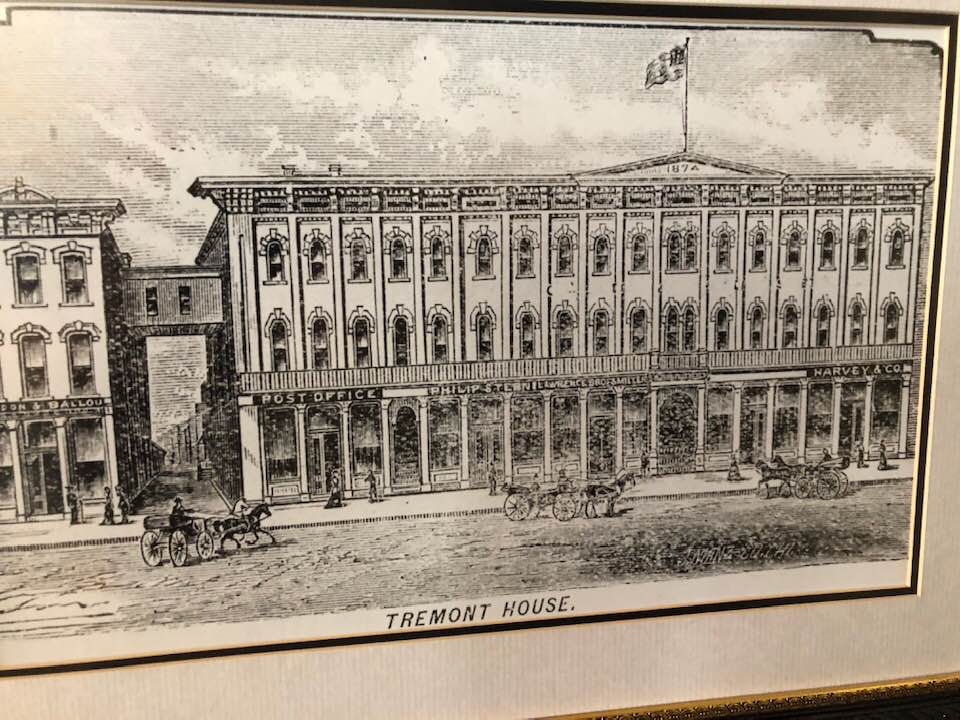
In 1902 there was a fire at the Tremont Inn
It was believed by some that the Tremont Hotel fire of March 4, 1902 was the direct cause of the council deciding to establish a paid department. This however, is not true as newspaper accounts of council proceedings for some time prior to the hotel fire told of steps being taken to provide for a paid service. In fact, the Times-Republican of February 11 1902, a month prior to the Tremont Blaze, said: “A paid fire department is assured. Contracts were entered into last night for the purchase of all equipment except horses. The fire extinguisher company’s bid of $2,050 for one combination wagon and chemical extinguisher and one straight hose wagon was accepted by the council.”
Marshall County Historic Society:
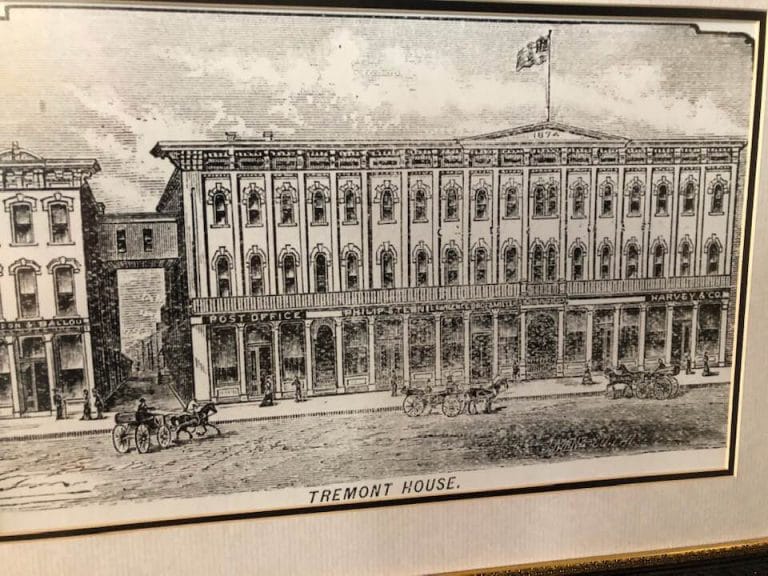
The three-story Tremont House hotel in this image was built in 1874 and destroyed in a fire on March 4, 1902. The current two-story Tremont Building was constructed in that year, and has been the home to dozens of businesses and medical offices throughout its history.
_____
Image Source/Credit:
• (20+) Facebook (www.facebook.com/photo/?fbid=2215700735151877&set=pb.100049211144101.-2207520000)