
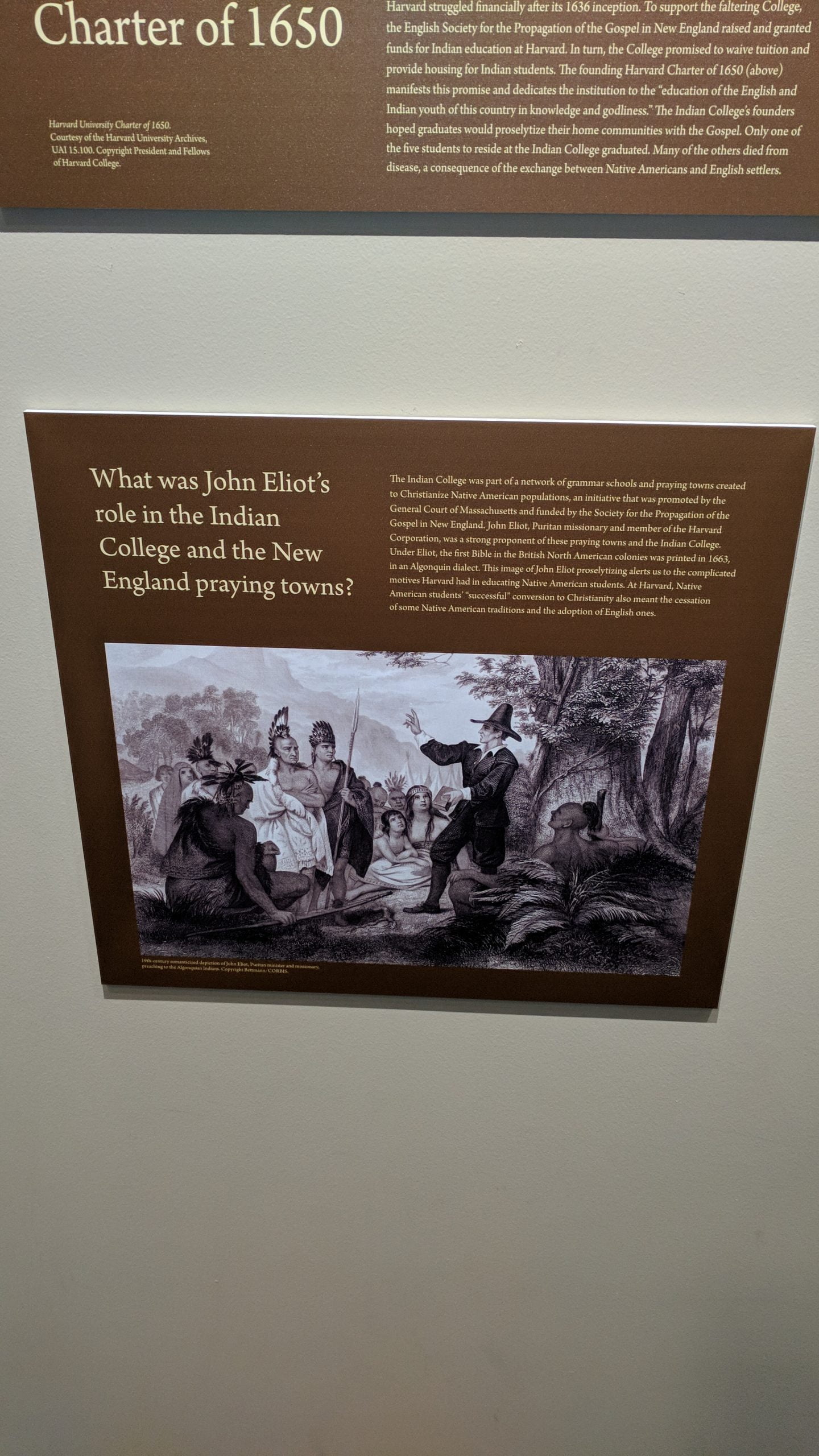
John Eliot stands as one of the most notable early figures in American missionary history, particularly for his efforts in educating Native American youth in the 17th century. Often called the “Apostle to the Indians,” Eliot combined religious conviction with a practical commitment to literacy and learning, believing that education was essential to both spiritual and societal transformation.
Arriving in the Massachusetts Bay Colony in 1631, Eliot quickly developed a concern for the indigenous peoples of New England. Unlike many of his contemporaries, he did not view Native Americans merely as subjects to be ruled or displaced, but as souls capable of understanding Scripture and participating in Christian society. To that end, he devoted himself to learning the Algonquin language, an undertaking that required patience and discipline. His mastery of the language became the foundation for his educational work, allowing him to communicate directly and effectively with Native communities.
Eliot’s approach to education was rooted in the Puritan emphasis on literacy. He believed that individuals should be able to read the Bible for themselves, and this conviction extended to Native American converts. In 1663, he completed the translation of the entire Bible into the Massachusett language, producing what is commonly known as the “Indian Bible.” This was the first Bible printed in North America, and it became a central tool in Eliot’s educational efforts. By providing Scripture in a language familiar to Native youth, he opened the door to both religious instruction and basic literacy.
Beyond translation work, Eliot helped establish “praying towns,” communities where Native Americans who had embraced Christianity could live according to a structured, orderly way of life. Education played a key role in these towns. Schools were organized to teach reading, writing, and Christian doctrine, often modeled after English systems but adapted to local circumstances. Young people were instructed not only in Scripture but also in practical skills, encouraging habits of discipline, work, and moral conduct.
Eliot also supported Native students in pursuing higher education. A notable example is the Indian College at Harvard, established in the 1650s. Though it existed only for a short time, it represented a serious effort to provide advanced learning opportunities for Native youth. Students there studied classical subjects alongside theology, preparing them for leadership roles within their own communities. While the number of graduates was small, the vision behind the institution was significant: it reflected a belief that Native Americans could be educated to the same intellectual standards as English colonists.
In sum, John Eliot’s work among Native American youth highlights the powerful role of education in missionary efforts. By emphasizing literacy, translating Scripture, and establishing schools, he sought to equip young people with tools for both spiritual growth and societal participation. His legacy remains a complex but important chapter in the history of early American education and cross-cultural exchange.
♦ _____ ♦
Whereas through the good hand of God many well devoted persons have been and daily are moved and stirred up to give and bestow sundry gifts legacies lands and revenues for the advancement of all good literature arts and sciences in Harvard College in Cambridge in the County of Middlesex and to the maintenance of the President and Fellows and for all accommodations of buildings and all other necessary provisions that may conduce to the education of the English and Indian youth of this country in knowledge and godliness….
Who was president of Harvard at this time? Henry Dunster
Who was involved in the education of the Indian youth? John Eliot!
_____
Image Source/Credit:
• Thomas Dudley et al., Public domain, via Wikimedia Commons
