
The First Baptist Church of North Middleboro represents a significant chapter in the development of Baptist life in New England. Rooted in the religious ferment of the eighteenth century, the church emerged during a time when questions of faith, authority, and liberty were reshaping the spiritual landscape of colonial America.
The origins of the church can be traced to the influence of the First Great Awakening, which swept through the American colonies in the 1730s and 1740s. This movement emphasized personal conversion, heartfelt preaching, and a return to biblical foundations. In its wake, many individuals began to question the established Congregational system that dominated Massachusetts, leading to the rise of Separate and Baptist congregations.
It was in this context that the First Baptist Church of North Middleboro was formed in 1756. The church grew out of a community of believers who had become convinced of Baptist principles, particularly believer’s baptism and the independence of the local church. Among the most influential figures associated with the congregation was Isaac Backus, who served as its pastor for more than five decades. Under his leadership, the church became not only a place of worship but also a center of theological reflection and public advocacy.
During Backus’s ministry, the church was deeply involved in the struggle for religious liberty. In colonial Massachusetts, Baptists were often required to support the established church through taxation, even when they did not attend its services. Members of the North Middleboro congregation, along with others, resisted these impositions, arguing that faith must be voluntary and free from government control. Their efforts contributed to a broader movement that challenged religious establishment and laid the groundwork for greater freedom.
The church’s influence extended beyond its local setting through its connection with the Warren Association, an early network of Baptist churches organized to promote cooperation and defend the rights of dissenters. Through this association, the congregation participated in petitions, public appeals, and discussions that helped shape colonial and early American views on church-state relations.
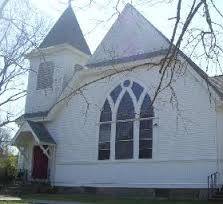
Architecturally and historically, the meetinghouse of the First Baptist Church of North Middleboro reflects the simplicity and practicality characteristic of early Baptist worship. While not as grand as some later structures, it embodies the values of the congregation—focus on preaching, community, and devotion rather than outward display. Over time, the building has stood as a witness to generations of worshippers who gathered there to practice their faith according to conscience.
The impact of the church is closely tied to the broader transformation of American religious life in the late eighteenth century. As debates over independence unfolded during the American Revolution, Baptists like those in North Middleboro insisted that political liberty must include religious liberty. Their persistent advocacy helped bring about the eventual disestablishment of state churches in Massachusetts and influenced the principles later enshrined in the United States Constitution First Amendment.
In the years since, the First Baptist Church of North Middleboro has remained a testament to the enduring importance of conscience and conviction. Though the surrounding community and religious landscape have changed, the legacy of the church continues through its historical example and ongoing witness.
In sum, the First Baptist Church of North Middleboro is more than a local congregation; it is a vital part of the story of American religious freedom. Through its early formation, steadfast leadership, and commitment to principle, it helped shape a tradition that values both faith and liberty—an influence that extends far beyond its modest beginnings.
♦ _____ ♦
Once known as “Backus Memorial Baptist Church,” First Baptist Church of North Middleboro, Massachusetts, is now in its third building since Isaac Backus founded it in 1756. It stands at the intersection of Plymouth and Bedford Streets.
Copyrighted and used by permission from David Beale, Baptist History in England and America: Personalities, Positions, and Practices
_____
Image Source/Credit:
• KJV Churches. “First Baptist Church of North Middleboro, MA » KJV Churches.” KJV Churches, 29 June 2022 (www.kjvchurches.com/churches/united-states/massachusetts/middleborough/first-baptist-church-of-north-middleboro)
Related
Sorry, no records were found. Please adjust your search criteria and try again.
Sorry, unable to load the Maps API.