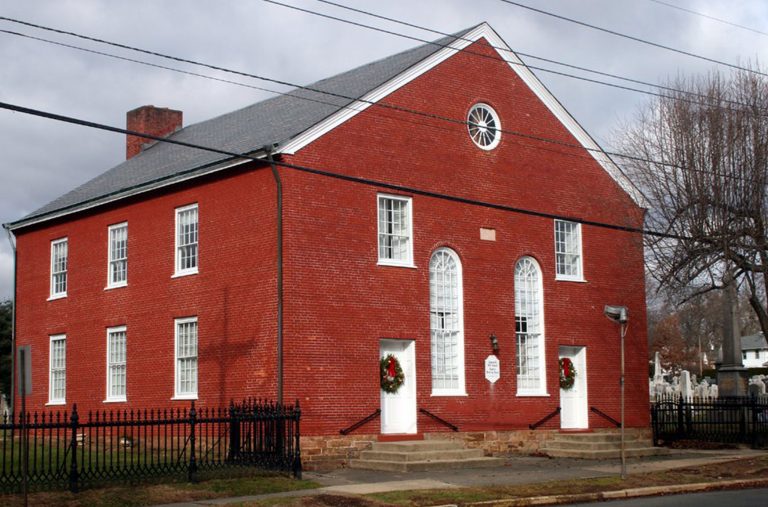
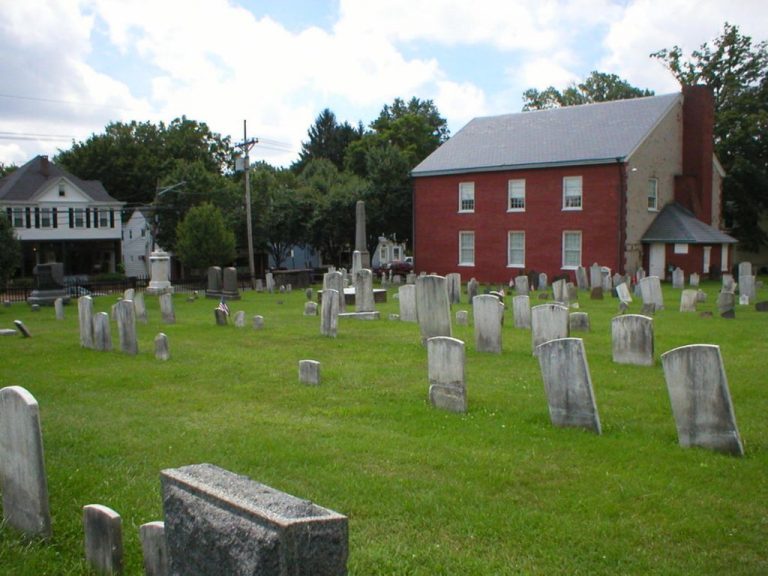
Hopewell Baptist Church is one of the oldest Baptist congregations in New Jersey, with roots reaching back into the early eighteenth century. Its history reflects the growth of Baptist life in the Middle Colonies and its connection to the broader movement for religious liberty in early America.
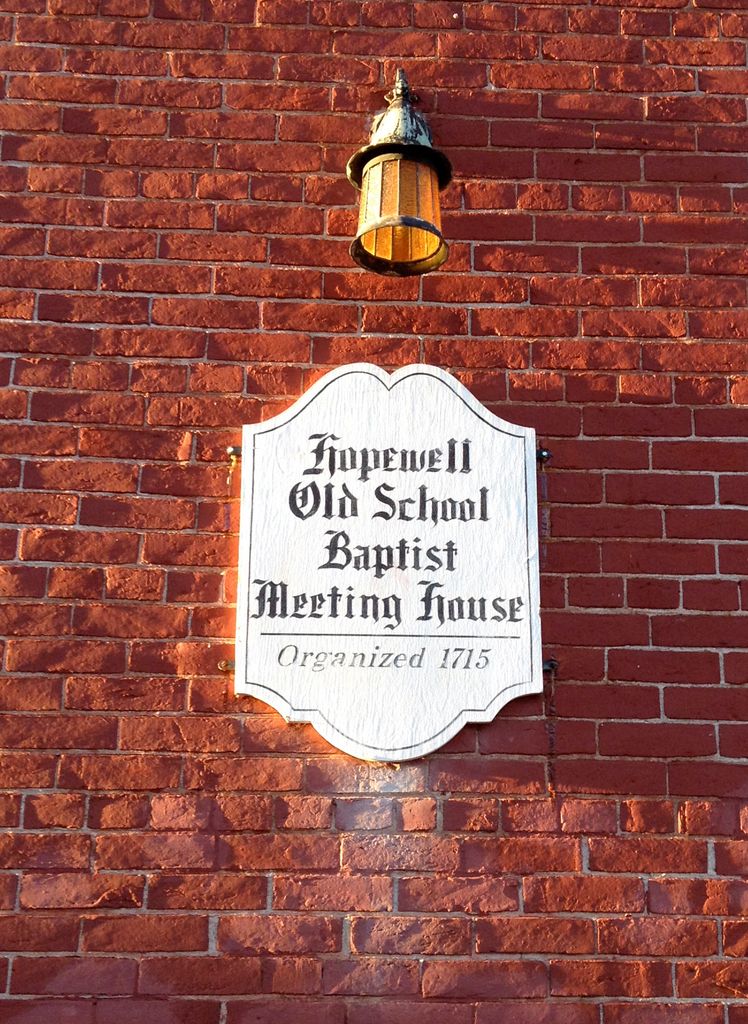
The church was founded in 1715 in the rural community of Hopewell, during a time when Baptists were still a small and often misunderstood minority. Many of the early members were influenced by the wider evangelical currents that would later culminate in the Great Awakening. They emphasized personal conversion, believer’s baptism, and the authority of Scripture—distinctives that set them apart from established churches such as the Anglican and Presbyterian bodies that were more prominent in the region.
One of the most significant figures associated with Hopewell Baptist Church was Isaac Eaton, who served as pastor in the mid-eighteenth century. Eaton played a key role not only in the spiritual life of the congregation but also in the advancement of education among Baptists. In 1756, he established a school at Hopewell to train young men for ministry, combining classical education with theological instruction. This institution became known as the Hopewell Academy and is often regarded as a precursor to Brown University, which was founded by Baptists in 1764.
Another prominent individual connected to the church was John Hart, a member of the congregation and a respected leader in the community. Hart’s involvement illustrates the close ties between religious life and civic responsibility during the colonial and revolutionary periods. The church itself would have been a place where ideas about liberty—both spiritual and political—were discussed and shaped.
During the American Revolution, Hopewell Baptist Church experienced the disruptions common to many congregations. The region saw military activity, and members of the church were affected by the conflict. Yet the congregation endured, continuing its ministry in the years that followed. Its survival during this period reflects both the resilience of its members and the importance of faith communities in sustaining morale and unity.
Throughout the nineteenth century, the church grew alongside the surrounding community. It served as a center for worship, fellowship, and moral instruction, playing a vital role in local life. Like many Baptist churches, it participated in the expansion of mission work, Sunday schools, and other organized efforts to spread the gospel and educate the young.
The impact of Hopewell Baptist Church extends beyond its immediate congregation. Through its early emphasis on education, it contributed to the intellectual and spiritual formation of Baptist leaders. Through its association with figures like John Hart, it was connected to the broader struggle for American independence. And through its steady witness over generations, it helped establish and maintain a Baptist presence in New Jersey.
Today, Hopewell Baptist Church stands as both a historical landmark and an active congregation. Its long history offers a window into the development of Baptist life in America, from its beginnings as a small dissenting group to its growth into a significant religious tradition. The church’s legacy is one of faithfulness, education, and commitment to both religious and civic principles.
In the broader story of American Christianity, Hopewell Baptist Church occupies a place of quiet but lasting importance—demonstrating how local congregations can influence both their communities and the wider course of history.
♦ _____ ♦
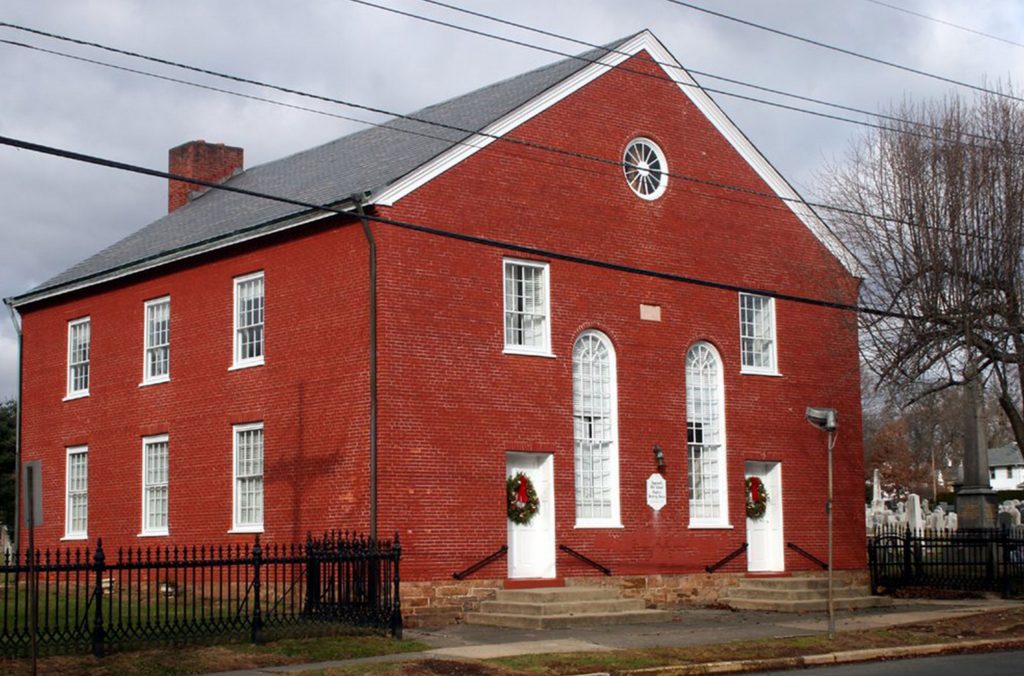
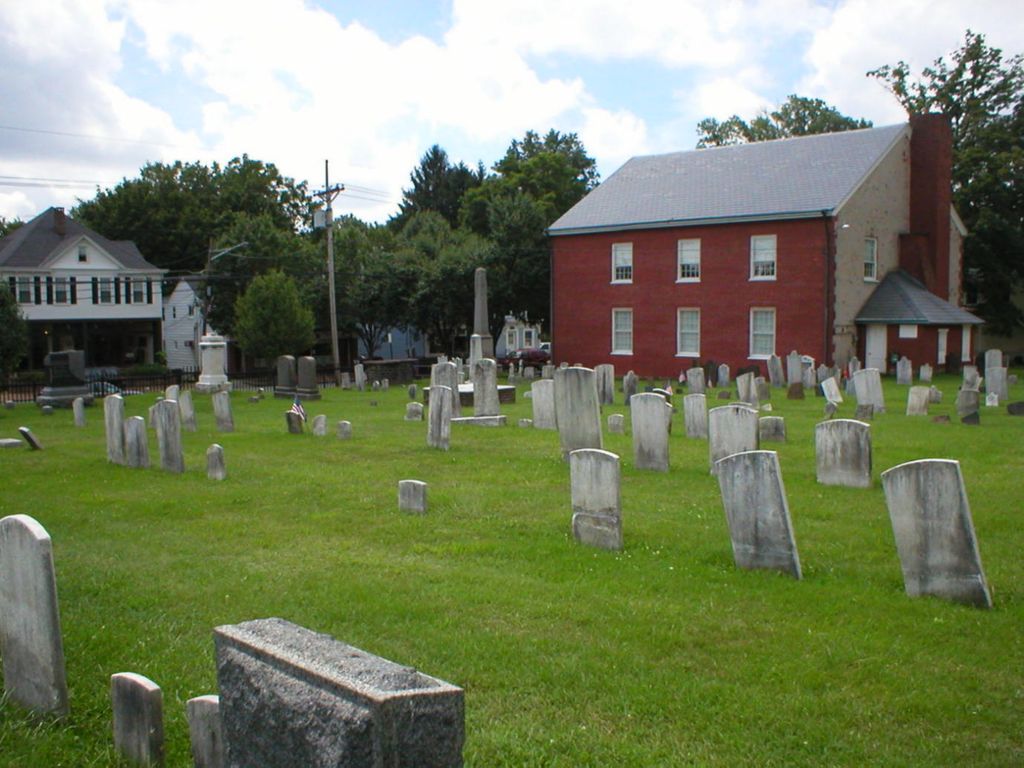
Hopewell Baptist Church is on West Broad Street (Hopewell, New Jersey). One of its most notable pastors was Oliver Hart (1723-95). Gravestones in the church cemetery include those of Isaac Eaton and John Hart, signer of the Declaration of Independence. Hart was not a member here, but he donated the land on which the building stands. Revolutionary War veterans lie buried here. The appearance of the Hopewell Baptist meetinghouse has not changed since 1822, when the congregation rebuilt it on its original foundation.
Copyrighted and used by permission from David Beale, Baptist History in England and America: Personalities, Positions, and Practices
http://genealogytrails.com/njer/mercer/baptist_meeting_house.html
_____
Image Source/Credit:
• Hopewell Old School Baptist Meetinghouse. “A Chronological History of the Hopewell Baptist Church.” Old School Baptist Meeting House, 9 Oct. 2023 (oldschoolbaptistmeetinghouse.com/a-chronological-history-of-the-hopewell-baptist-church)
Related
Sorry, no records were found. Please adjust your search criteria and try again.
Sorry, unable to load the Maps API.