Voyage to the rock – read an account
Archaeology of Christianity in Vanuatu (including map of the last day of Williams
♦ _____ ♦
The John Williams Rock in Samoa is a historic maritime landmark tied to one of the most significant episodes in the early missionary history of the South Pacific. Located off the coast of the islands of Samoa, the rock marks the site where the missionary ship John Williams met its tragic end in the mid-nineteenth century, an event that became deeply embedded in the memory of both Samoan Christian history and the broader story of Pacific missions.
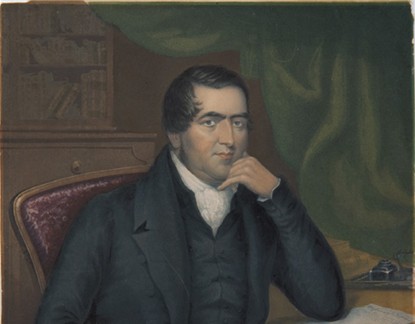
The landmark is named after the famed missionary John Williams, who played a major role in spreading Christianity across the Pacific Islands during the early 1800s. Williams, associated with the London Missionary Society, was known for his energetic travels between island groups, establishing churches, translating Scripture, and training local pastors. His work took him across vast ocean distances at a time when travel was dangerous and slow, relying on wind-powered vessels and limited navigational tools.
The rock itself is associated not with Williams’s personal death, but with the sinking of the mission ship named in his honor, the John Williams, which was used by the London Missionary Society after his death to continue his work. In 1864, while sailing near Samoa, the vessel struck a submerged reef and was wrecked. Fortunately, the passengers and crew were rescued, and no lives were lost, but the ship was destroyed. The reef or rock where this occurred became known as John Williams Rock in remembrance of the incident.
The location of John Williams Rock lies within the broader maritime environment surrounding Samoa’s volcanic islands and coral reef systems. These waters, while rich in natural beauty, have historically been hazardous for navigation. Hidden reefs, shifting currents, and limited charts in the nineteenth century made sailing particularly dangerous. The wreck of the John Williams was one of several maritime incidents in the region during this era, underscoring the risks faced by missionaries and traders alike.
Despite the loss of the ship, the event carried symbolic significance rather than tragedy. The safe evacuation of all aboard was interpreted by many at the time as a providential outcome, reinforcing the missionary community’s sense of divine protection and purpose. The London Missionary Society quickly arranged for replacement vessels so that missionary work in the Pacific could continue without interruption.
Over time, John Williams Rock became more than a nautical reference point; it evolved into a historical marker that reflects the broader story of Christian mission in the Pacific Islands. The introduction of Christianity to Samoa in the early nineteenth century brought significant cultural and social changes, including the establishment of churches, schools, and new forms of governance influenced by missionary teaching. Figures like John Williams were central to this transformation, and the rock serves as a geographic reminder of that era.
Today, the site is occasionally referenced in historical accounts of Pacific navigation and missionary activity, though it is not a major tourist destination. Its significance is largely symbolic and historical rather than developed as a formal monument. For historians of missions and maritime travel, however, it represents an important intersection of faith, exploration, and the challenges of oceanic travel in the nineteenth century.
In the broader context of Samoan history, John Williams Rock stands as a quiet witness to a period of profound change. The arrival of Christianity reshaped many aspects of island life, and the efforts of missionaries like Williams and their successors left a lasting legacy in language, education, and religious practice.
Though the rock itself is a simple natural formation, its story connects the rugged geography of the Pacific with the global currents of religious history. It remains a point of remembrance for a time when wooden ships crossed vast oceans to carry ideas, beliefs, and institutions that would permanently shape the islands of Samoa and the wider Pacific world.
♦ _____ ♦
From Wikipedia:
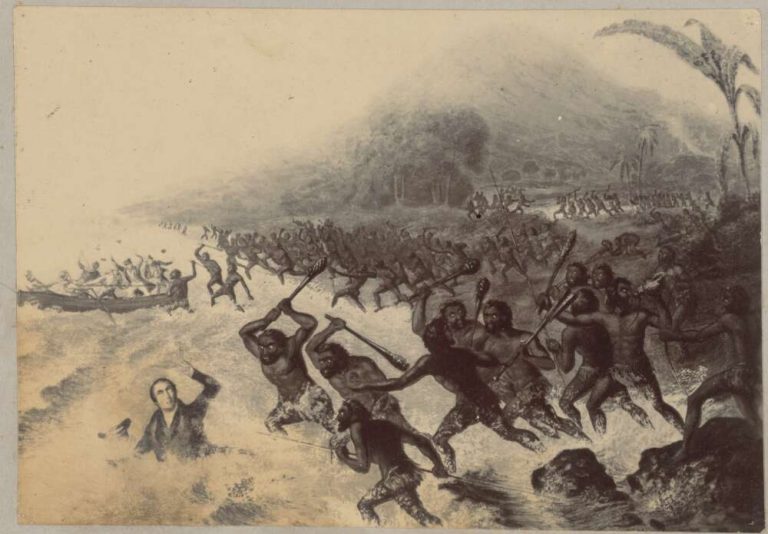
Most of the Williamses’ missionary work, and their delivery of a cultural message, was very successful and they became famed in Congregational circles. However, in November 1839, while visiting a part of the New Hebrides where John Williams was unknown, he and fellow missionary James Harris were killed and eaten by cannibals on the island of Erromango during an attempt to bring them the Gospel.
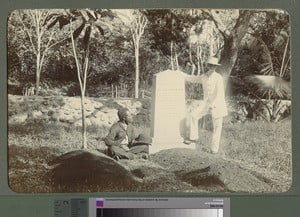
A memorial stone was erected on the island of Rarotonga in 1839 and is still there. Mrs. Williams died in June 1852. She is buried with their son Rev Samuel Tamatoa Williams, who was born in the New Hebrides, at the old Cedar Circle in London’s Abney Park Cemetery; the name of her husband and the record of his death were placed on the most prominent side of the stone monument.[5] John Williams’ remains (bones) were shipped and are buried in Apia, Samoa. A monument was erected in front of the LMS church of Apia, and the six-storey headquarters of the Congregational Church of Samoa is named after John Williams, commemorating his work in the Samoan islands.
_____
Image Source/Credit (in order):
• George Baxter, Public domain, via Wikimedia Commons
• “Graves on Erromango, Vanuatu, 1903.” Calisphere (calisphere.org/item/b78ba992598863caa23b98deb83aa1c7)
• George Baxter, Public domain, via Wikimedia Commons
Related

Sorry, no records were found. Please adjust your search criteria and try again.
Sorry, unable to load the Maps API.