Favorite
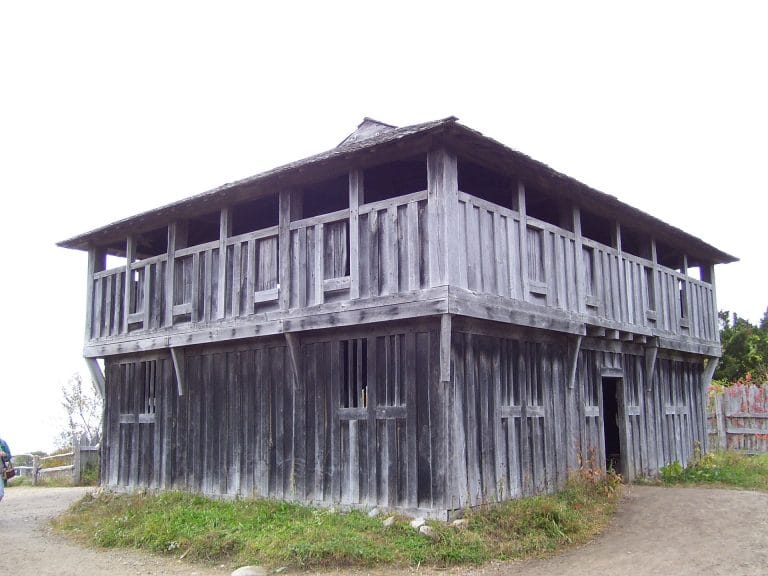
The Pilgrims did not seek to build fancy houses of worship like those of the Church of England that they left. Rather they met in the fort for collective worship. The church later had its own building at First Parish Church. _____ Image Source/Credit: • Swampyank at en.wikipedia, CC BY-SA 3.0 <https://creativecommons.org/licenses/by-sa/3.0>, via Wikimedia Commons Read more...
Favorite
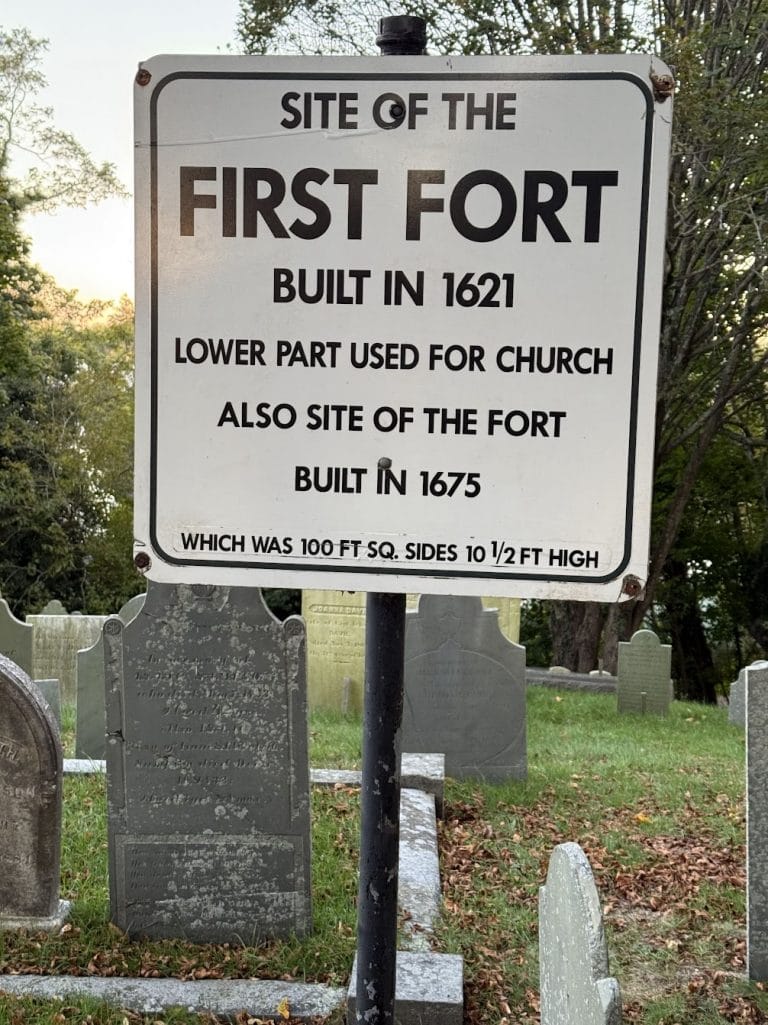
Although depicted nearby at Plimoth Plantation, the actual location of the Pilgrim’s first church is here. Later the church would move down the hill to First Parish Church. Site of the First Fort Built in 1621 Lower part used for church Also site of the fort built in 1675 which was 100 ft sq. Sides 10½ ft high _____ Read more...
Favorite
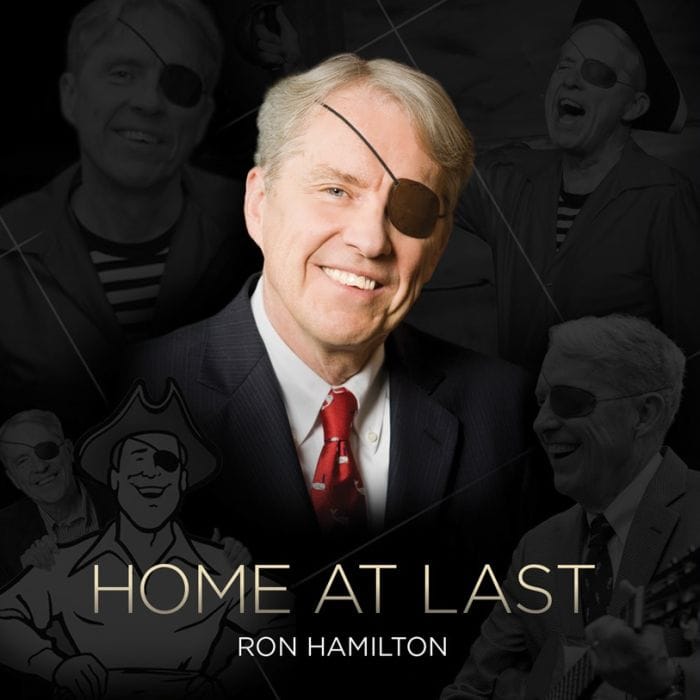
Better known as Patch the Pirate, Ron Hamilton authored thousands of songs and the musical adventure series, The Adventures of Patch the Pirate. Obituary in Christianity Today From his obituary: Ronald Allen Hamilton was born in South Bend, Indiana on November 9, 1950. His parents, Melvin Hamilton and Leota Marie Hamilton, were perfect family planners. Marta Sue was born exactly two Read more...
Favorite
Tabernacles & Sawdust Trails: “At Ames, Iowa,” he says, “we had to wait for the train and we went to a little hotel and they came about one o’clock and said : ‘Get ready for the train.’ I looked into mother’s face, and her eyes were red, her hair was disheveled. I said: ‘What’s the matter mother?’ All the time Read more...
Favorite
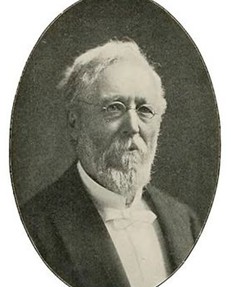
Wikipedia: By fourteen, Sunday was shifting for himself. In Nevada, Iowa, he worked for Colonel John Scott, a former lieutenant governor, tending Shetland ponies and doing other farm chores. The Scotts provided Sunday a good home and the opportunity to attend Nevada High School.[5] Although Sunday never received a high school diploma, by 1880 he was better educated than many Read more...
Favorite
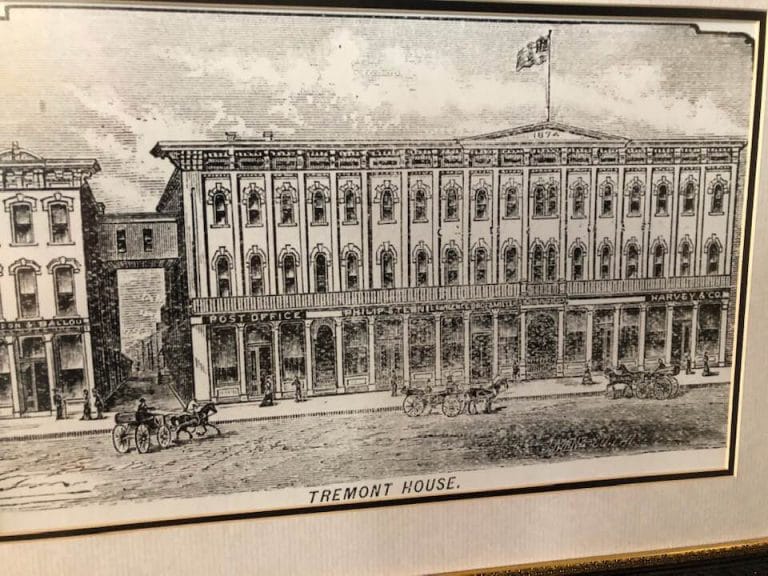
Billy Sunday, one of the most vibrant figures in early twentieth-century American religious life, is often remembered for his electrifying revival meetings and dramatic preaching style. However, his rise to prominence was shaped not only by his athletic and spiritual gifts but also by experiences rooted in small-town America. One such formative connection was with the Tremont Inn, a gathering Read more...
Favorite
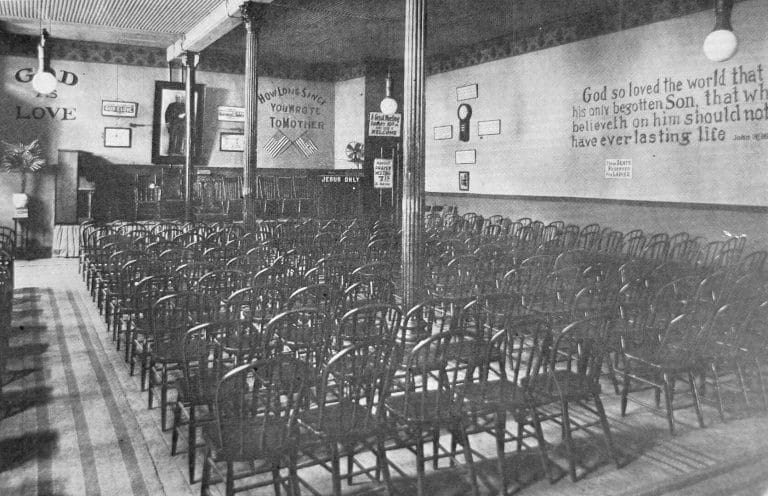
Billy Sunday is remembered today as one of the most dynamic revivalists in American history, a man whose fiery sermons and dramatic style captivated audiences across the nation in the early twentieth century. While his fame eventually spread far and wide, one of the most important turning points in his life occurred in Chicago, where his association with the Pacific Read more...
Favorite
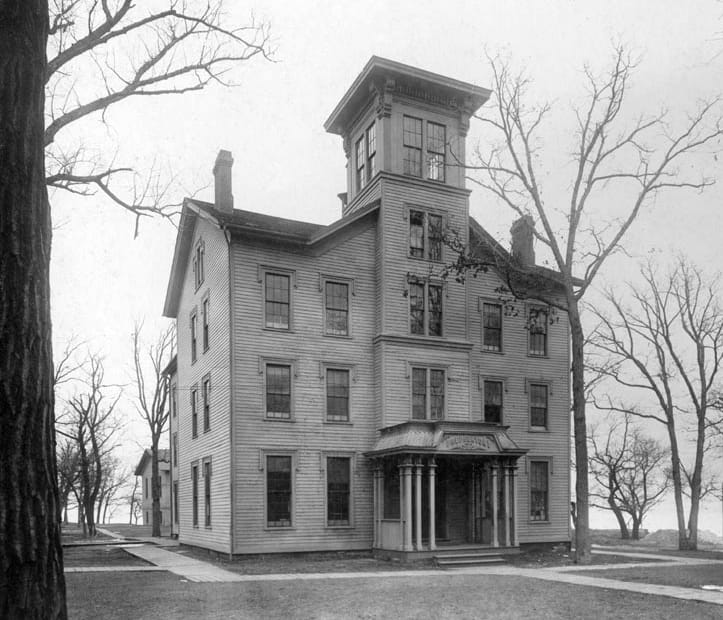
Billy Sunday remains one of the most colorful and influential figures in early twentieth-century American religious life, and his formative years at Northwestern Academy—often referred to historically as Evanston Academy—played a meaningful role in shaping the man he would become. Born in 1862 in rural Iowa, Billy Sunday’s early life was marked by hardship. His father, a Union soldier, died Read more...
Favorite
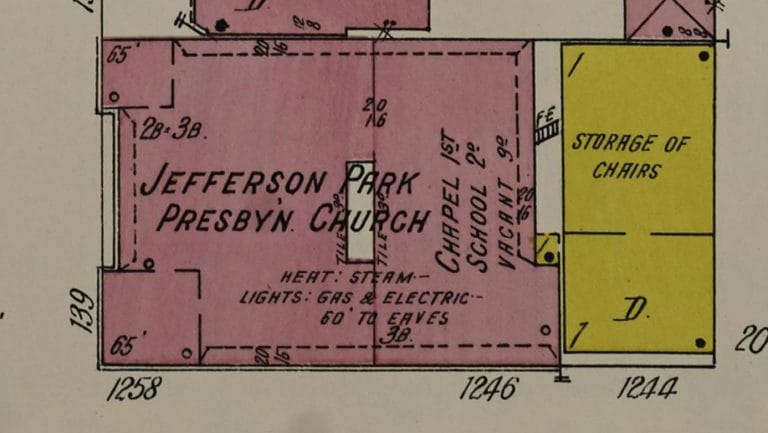
Jefferson Park Presbyterian Church. Jefferson Park is now Skinner Park. Northeast corner of Adams & Throop St. Billy Sunday started attending in 1886, became an elder, and was ordained there in 1905. Real Billy Sunday: IN 1905 Mr. Sunday was ordained a minister in the Presbyterian Church, by the Chicago Presbytery, the ordination taking place at the Jefferson Park Presbyterian Read more...
Favorite
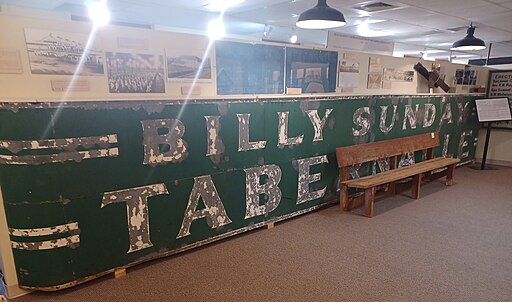
The Winona History Center serves as a vital guardian of the rich cultural and religious heritage of Winona Lake. Situated in a town once known as a major hub for Bible conferences and Christian gatherings, the center preserves the stories, artifacts, and legacy of a community that played a significant role in shaping American evangelical life in the late 19th Read more...
Favorite
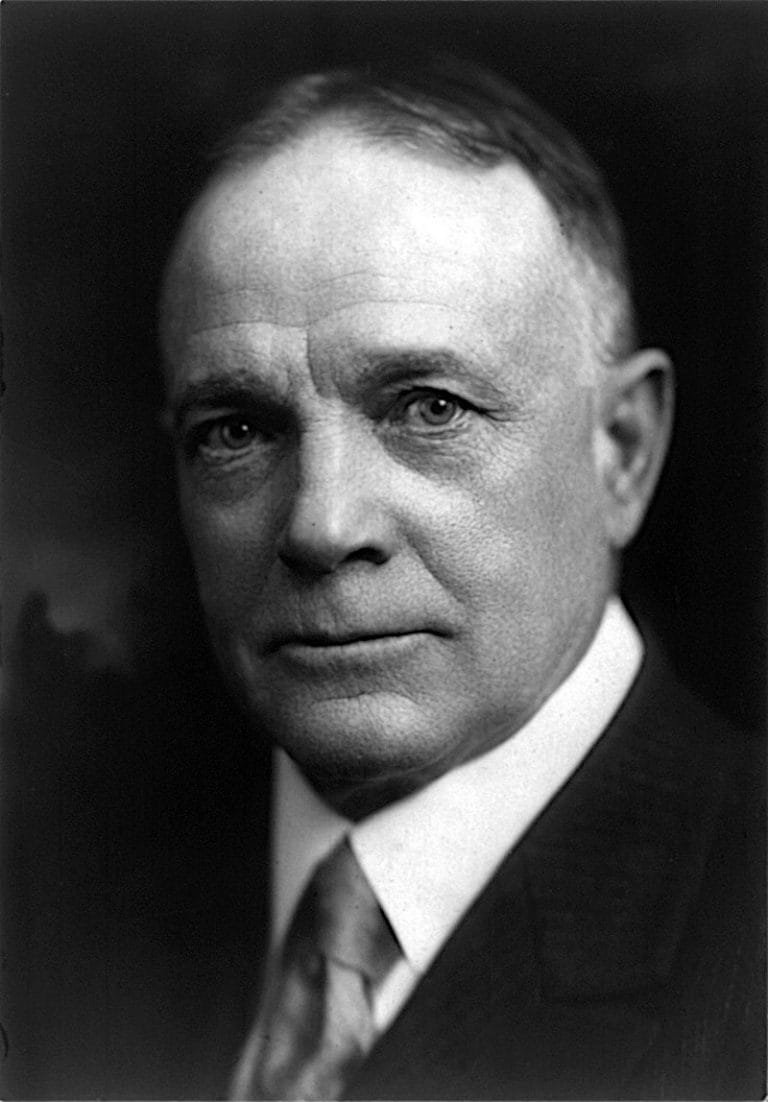
The place of death of Billy Sunday, located in Winona Lake, serves as a quiet yet meaningful site connected to one of the most dynamic figures in American religious history. Known for his energetic preaching style and his wide-reaching revival campaigns, Billy Sunday left a lasting impression on early 20th-century evangelical Christianity. The home where he spent his final days Read more...
Favorite
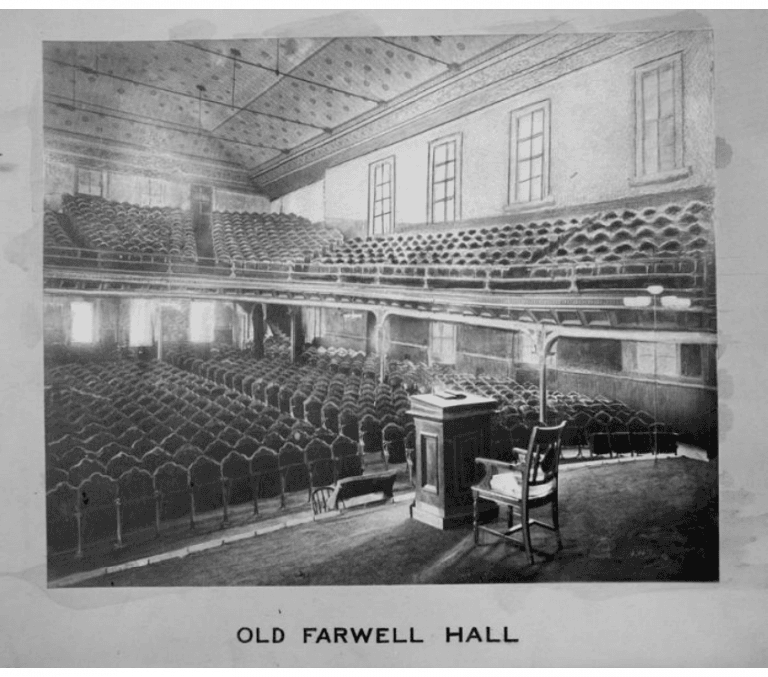
February 17, 1889, Billy Sunday preached his first message at Farwell Hall. Chicago Tribune featured it on the front page: Image Credit: Feb 18, 1889, Page 1 – Chicago Tribune at Newspapers.com. www.newspapers.com/image/349864826/?match=1. “STRIKING OUT” SATAN. BILLY SUNDAY, THE NOTED BALL TOSSER, TURNS EVANGELIST. The Famous Centre-Fielder Addresses a Large Crowd at Farwell Hall — He Didn’t Even Allow the Read more...
Favorite
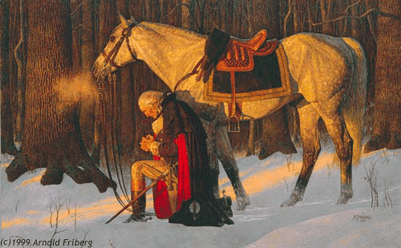
The iconic painting, Washington’s Prayer at Valley Forge is moving. The father of our country in prayer for his country. Arnold Friberg (December 21, 1913 – July 1, 2010) was an American illustrator and painter noted for his religious and patriotic works. He is perhaps best known for his 1975 painting The Prayer at Valley Forge, a depiction of George Washington praying at Valley Forge.[1][2][3] He is also well known for his 15 Read more...
Favorite
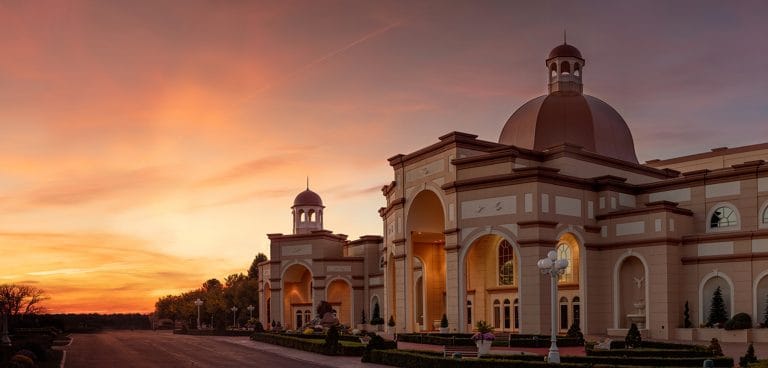
Sight & Sound: Growing up on a dairy farm in rural Lancaster County, our founder Glenn Eshelman was so inspired by the beauty of the world around him that he began painting landscapes as a boy. As he grew up, Glenn continued to pursue his artistic interests, eventually buying a camera to take reference photos for his paintings. Photography quickly Read more...
Favorite
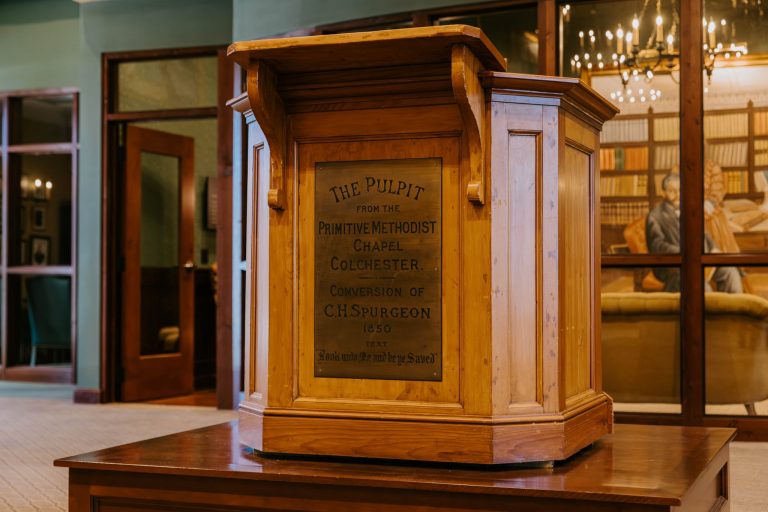
From Spurgeon.org: One of the goals of the Spurgeon Library is to advance the gospel of Jesus Christ by preserving the personal library of Charles Haddon Spurgeon and fostering a deeper appreciation of his life, legacy, theology, and preaching. When visiting the Spurgeon Library, visitors are able to see and study the gospel through the lenses of the “Prince of Read more...
Favorite
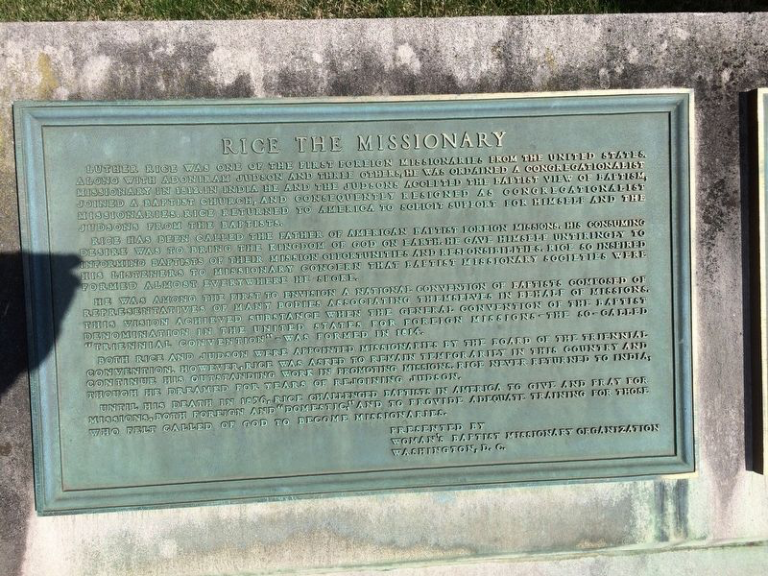
This plaque is located at Luther Rice Memorial Baptist Church, an American Baptist congregation named in honor of Luther Rice. From HMDB: Luther Rice was one of the first foreign missionaries from the United States. Along with Adoniram Judson and three others, he was ordained a Congregationalist missionary in 1812. In India he and the Judsons accepted the Baptist view Read more...
Favorite
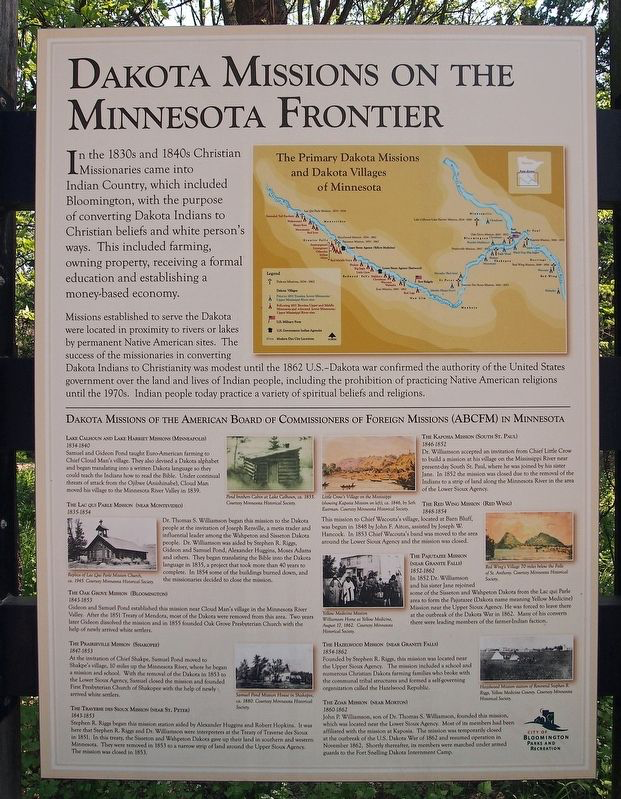
In the 1830s and 1840s Christian Missionaries came into Indian Country, which included Bloomington, with the purpose of converting Dakota Indians to Christian beliefs and white person’s ways. This included farming, owning property, receiving a formal education and establishing a money-based economy. Missions established to serve the Dakota were located in proximity to rivers or lakes by permanent Native American Read more...
Favorite
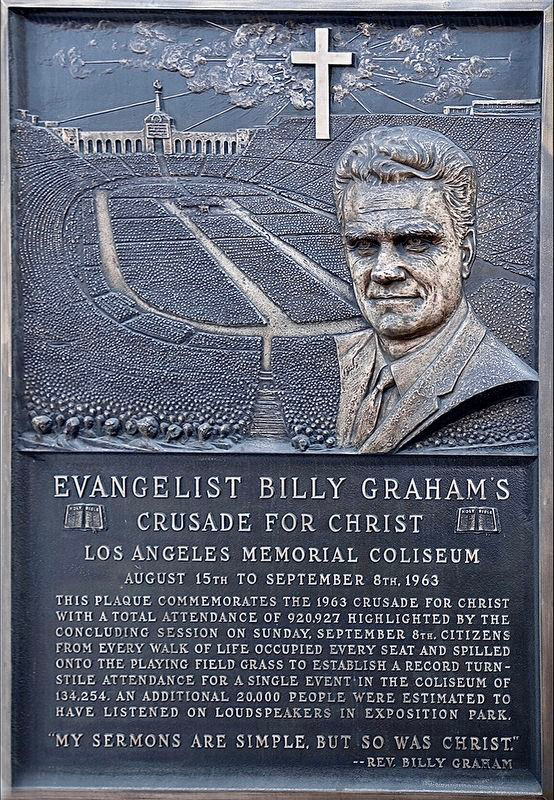
This plaque commemorates the 1963 Crusade for Christ with a total attendance of 920,927 highlighted by the concluding session on Sunday, September 8th. Citizens from every walk of life occupied every seat and spilled onto the playing field grass to establish a record turnstile attendance for a single event in the Coliseum of 134,254. An additional 20,000 people were estimated Read more...
Favorite
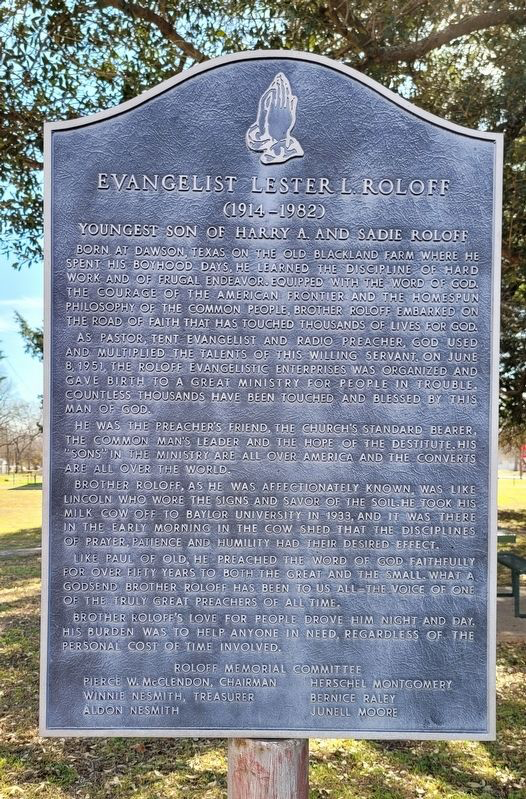
Youngest son of Harry A. and Sadie Roloff born at Dawson, Texas on the old Blackland Farm where he spent his boyhood days, he learned the discipline of hard work and of frugal endeavor. Equipped with the word of God. The courage of the American frontier and the homespun philosophy of the common people, Brother Roloff embarked on the road Read more...
Favorite
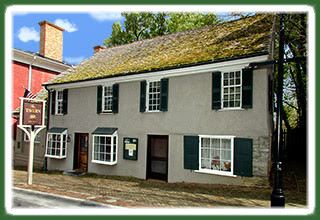
Can’t confirm this is THE tavern, but this tavern dates to 1779 and is the oldest surviving building in Abingdon. “In January of [1839] young Sheffey and a group of his drinking buddies, left an Abingdon tavern to go to a small revival meeting being held on an upper floor in Grenway’s Storehouse along Main Street, with the intention of Read more...