Favorite
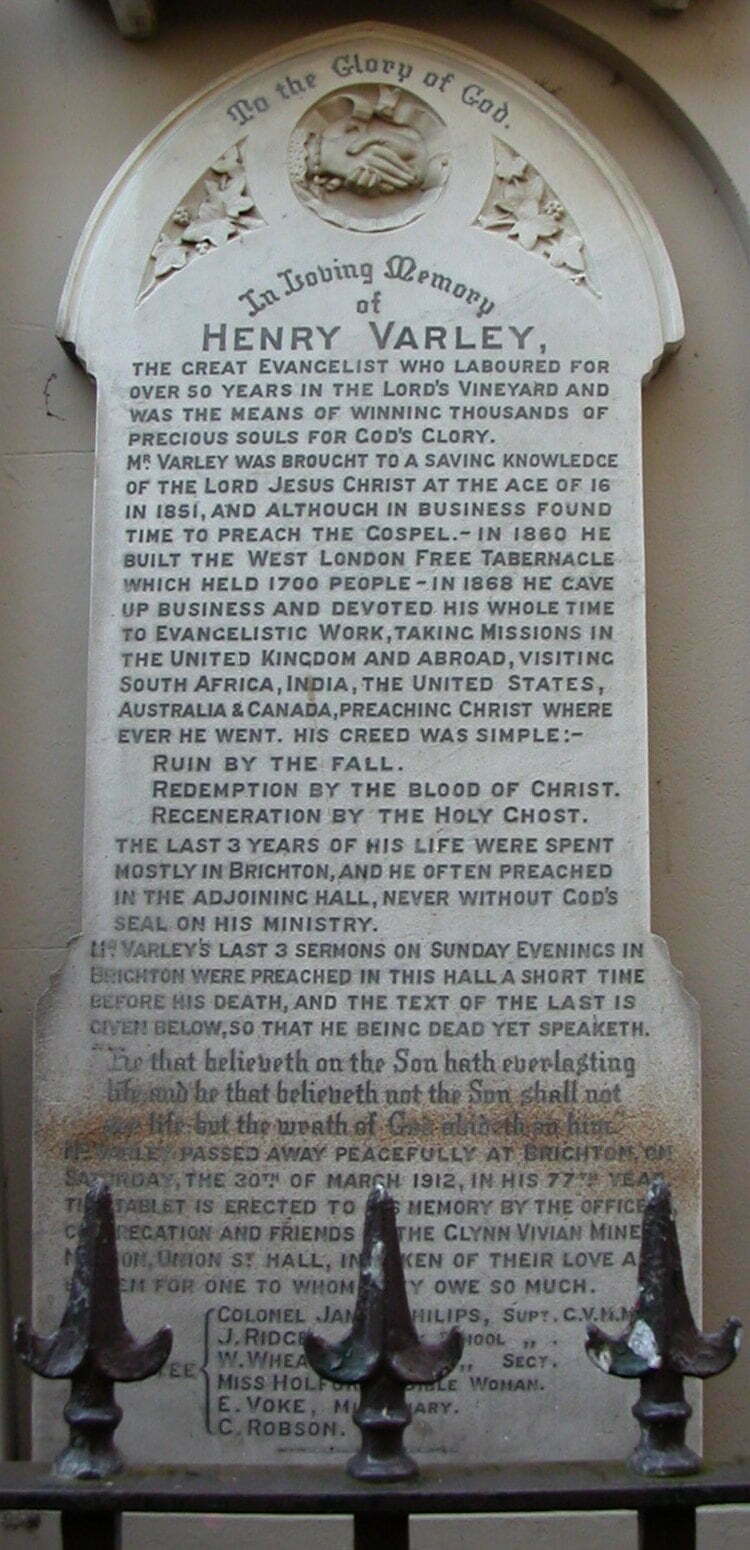
The Life, Legacy, and Impact of Henry Varley Henry Varley (1835–1912) was an English evangelist whose life and ministry played a significant role in the revivalist movements of the nineteenth century. Though not as widely remembered as some of his contemporaries, Varley’s influence reached far beyond his immediate sphere, particularly through his association with prominent figures such as Dwight L. Read more...
Favorite
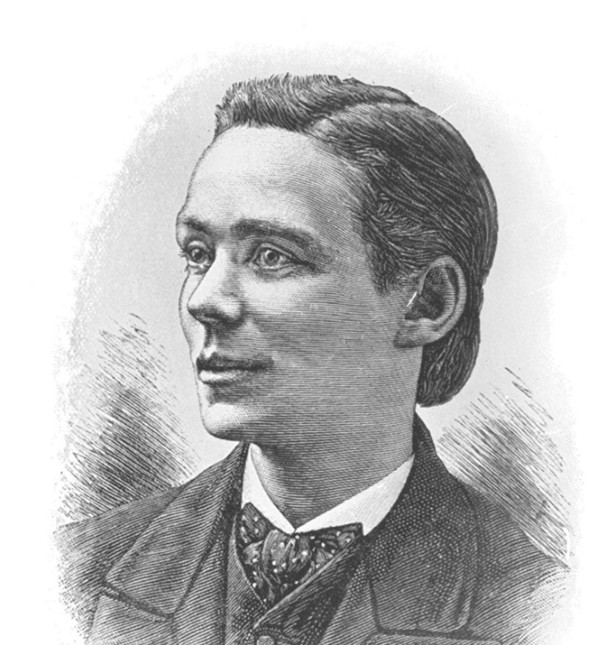
The Life, Legacy, and Impact of Henry Moorhouse Henry Moorhouse (1840–1880) was an English evangelist whose brief life left a lasting imprint on nineteenth-century evangelical Christianity. Often remembered as a man of passionate preaching and deep spiritual conviction, Moorhouse became closely associated with revivalist ministry in both Britain and the United States. Though he never held a formal pastoral office Read more...
Favorite
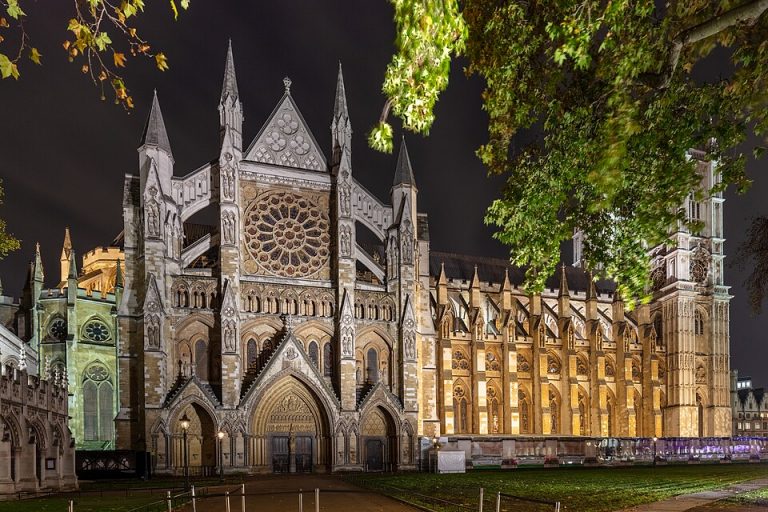
Behind me is Westminster Abbey, and of course, as you know, it has a tremendous history here in England. It’s a graveyard for about a thousand people, and 2,000 others are memorialized here. But someone buried in the Abbey and his burial there caused controversy, was Charles Darwin, who was born in 1809. He’s the one who wrote The Origin Read more...
Favorite
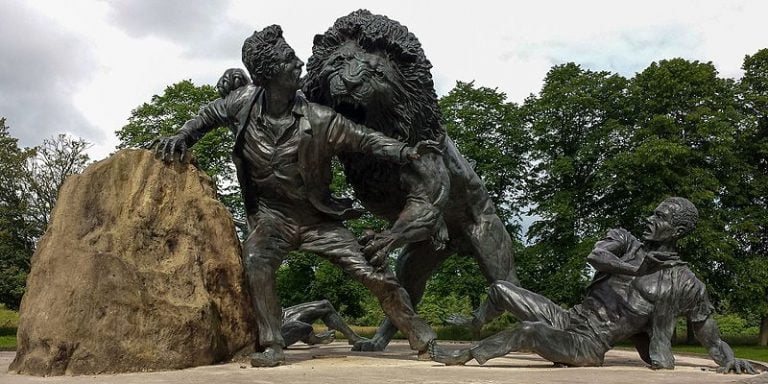
The David Livingstone Birthplace Museum The David Livingstone Birthplace Museum, located in Blantyre, Scotland, is a significant historical site dedicated to preserving and interpreting the life of one of the nineteenth century’s most influential missionary-explorers, David Livingstone. Set along the scenic banks of the River Clyde, the museum offers visitors a detailed and thoughtful look into Livingstone’s early life, his Read more...
Favorite
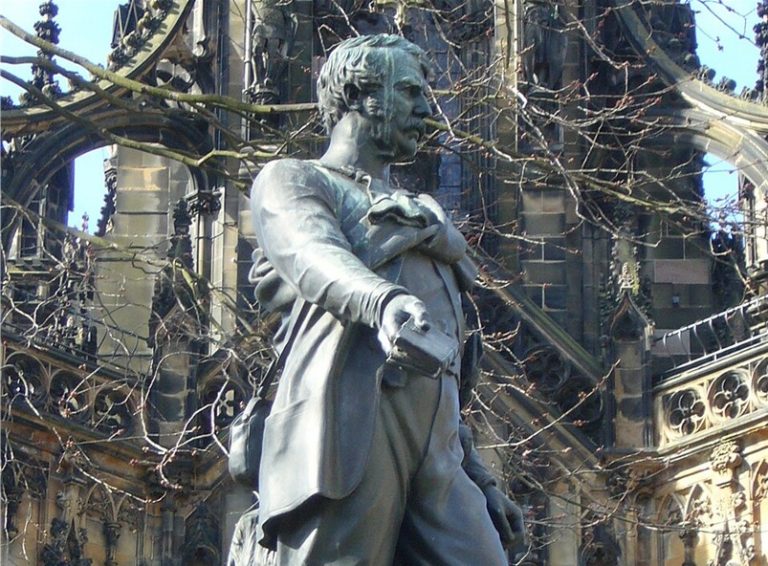
Across Scotland, several monuments honor the life and achievements of David Livingstone, the famed missionary, explorer, and opponent of the slave trade. Among these, the statues erected in his memory stand as enduring symbols of national pride and moral purpose. While the most prominent is located in Edinburgh, other memorials—particularly in his birthplace of Blantyre—reflect the widespread admiration he inspired Read more...
Favorite
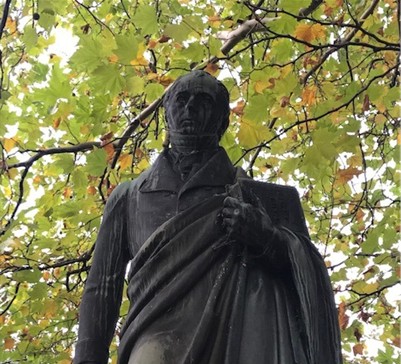
The James Montgomery Statue is a notable memorial located within the grounds of Sheffield Cathedral in Sheffield. It honors the life and legacy of James Montgomery (1771–1854), a respected poet, editor, and one of the most beloved hymn writers of the nineteenth century. James Montgomery was born in Irvine, Scotland, the son of Moravian missionaries. His early life was marked Read more...

Favorite
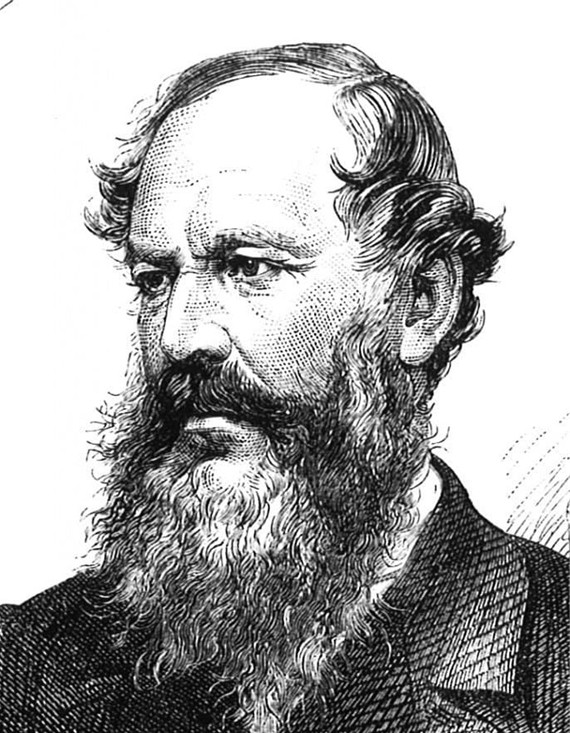
George Müller (1805–1898), born Johann Georg Ferdinand Müller, was one of the most remarkable figures in nineteenth-century Christian ministry. Best known for his work with orphans in England and his unwavering commitment to a life of faith and prayer, Müller’s influence extended far beyond his own lifetime, shaping approaches to philanthropy, missions, and personal devotion. Müller was born on September Read more...
Favorite
John Charles Ryle (1816–1900) was one of the most influential evangelical leaders in the Church of England during the nineteenth century. A prolific writer, faithful pastor, and the first Bishop of Liverpool, Ryle combined doctrinal clarity with practical application, leaving a lasting mark on Protestant thought and devotional life. Ryle was born on May 10, 1816, in Macclesfield, England, into Read more...
Favorite
On July 17, 1854, Frances Ridley Havergal was confirmed at Worcester Cathedral. In the procession to Worcester Cathedral Ellen Wakeman was my companion. On reaching our seat very near the rails, I sunk on my knees, and for the first time to-day the thought of “whose I am” burst upon me, and I prayed “my God, oh, my own Father, Read more...
Favorite
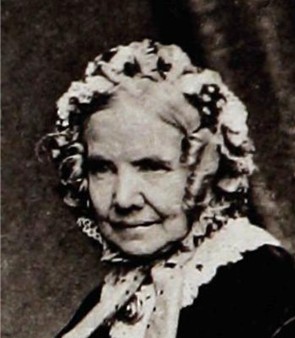
Hymn History: Just As I Am Author: Charlotte Elliott “Then followed a period of much seclusion and bodily distress, from the continuance of feeble health. Her views, too, became clouded and confused, through an introduction to religious controversy, and the disturbing influence of various teachers, who held inadequate notions of the efficacy of Divine grace.” (Sister of Charlotte, Eleanor Read more...
Favorite
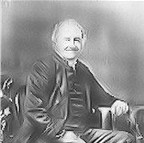
Hymn History: On Christ the Solid Rock Author: Edward Mote “My Sabbaths were spent in the streets at play. So ignorant was I that I did not know there was a God.” If there ever was a person that could hide behind their upbringing and excuse their godlessness, it was Edward Mote. Born to tavern owners on January Read more...
Favorite
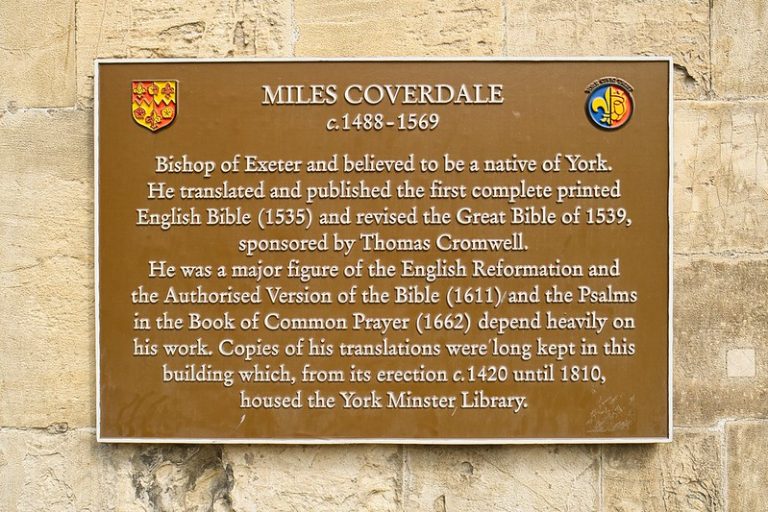
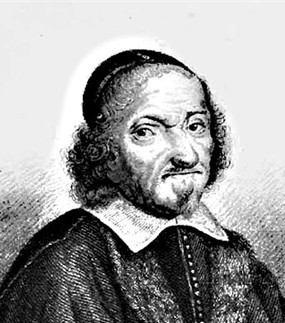
Miles Coverdale holds a distinguished place in the history of the English Reformation as one of the earliest translators of the Bible into the English language. Though often overshadowed by more well-known figures, his life and work played a vital role in making Scripture accessible to ordinary people and shaping the course of English Protestantism. Born around 1488 in Yorkshire, Read more...
Favorite
Romans Chap. XVI. Verse XVII. The Holy Bible To the memory of Miles Coverdale who convinced that the pure Word of God ought to be the sole rule of our faith and guide of our practice laboured earnestly for its diffusion and with a view of affording the meaning of reading and hearing in their own tongue the wonderful works Read more...
Favorite
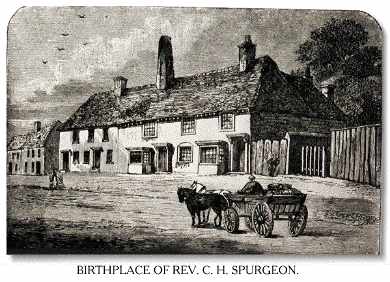
Watch Our Christian Heritage with David Saxon on the life of Charles Spurgeon ♦ _____ ♦ Charles Haddon Spurgeon, often called the “Prince of Preachers,” was born on June 19, 1834, in the small English village of Kelvedon. His birthplace, a modest house in this quiet rural setting, stands as an important historical and spiritual landmark for those who appreciate Read more...
Favorite
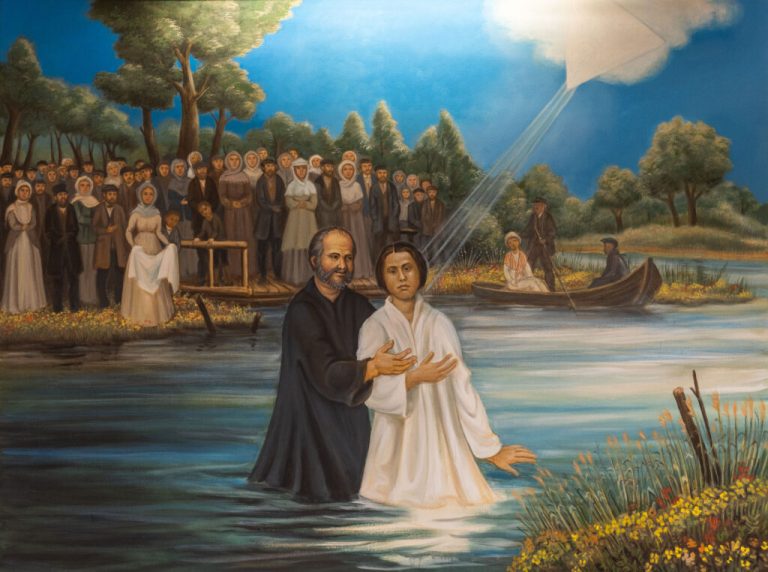
From the Ely Standard: Charles Spurgeon, who gave sermons to more than 10,000 people at a time in the nineteenth century, was baptised in the river Lark at Isleham. Retired Anglican priest, Christopher Goodwins, said Spurgeon has been remembered for five years with a Ecumenical processional along the lanes of the village and along the river to the site of Read more...
Favorite
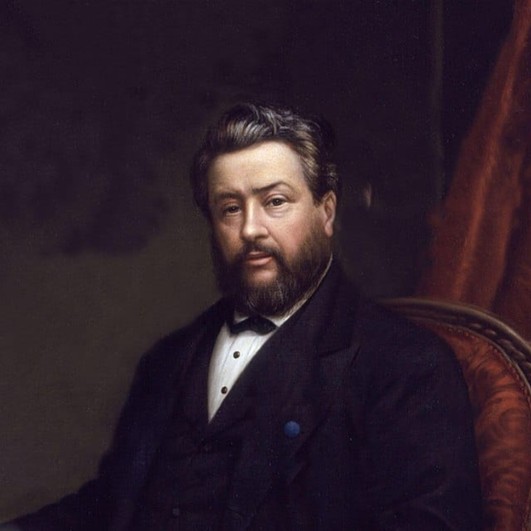
From the church: The great Victorian ‘Prince of Preachers’, Charles Haddon Spurgeon, began his ministry here at the Baptist church in Waterbeach. Every great venture of faith has to begin somewhere, and we are seeking to rekindle the passion and impact of Spurgeon’s ministry in our present-day community some 170 years later. Spurgeon always had a fond love and appreciation Read more...
Favorite
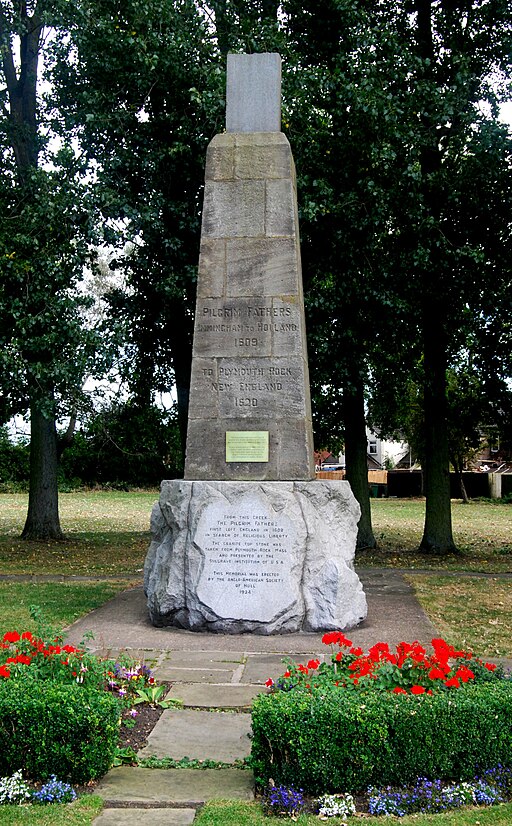
The Pilgrim Fathers Departure Monument stands as a quiet but meaningful tribute to one of the most consequential journeys in early modern history. Located in the historic city of Leiden, the monument commemorates the departure of the English Separatists—later known as the Pilgrim Fathers—who left the Netherlands in 1620 to seek a new life in the New World. The Pilgrims Read more...
Favorite
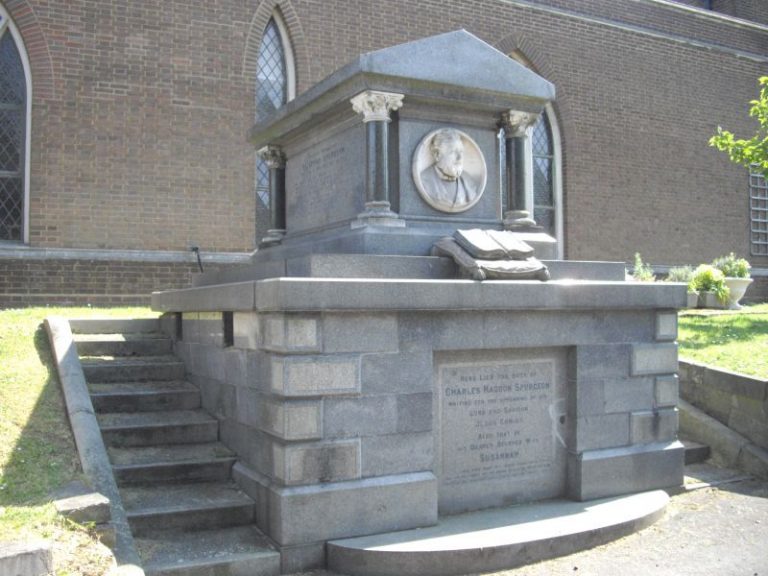
Watch our interview on Charles Spurgeon Here lies the body of CHARLES HADDON SPURGEON Waiting for the appearing of his Lord and Saviour, Jesus Christ Also that of his dearly beloved wife, SUSANNAH Born January 15, 1832, Died October 22, 1903 His love in time past forbids me to think He’ll leave me at last in trouble to sink Each Read more...
Favorite
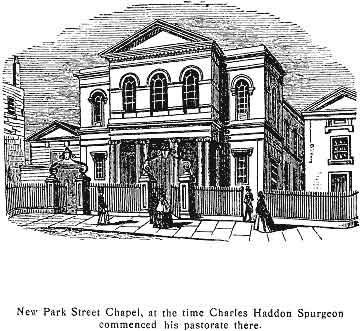
A Pilgrim’s Coffer At the age of 20, Charles Spurgeon came to New Park Street Chapel from his first pastorate at a small Baptist church in Waterbeach, Cambridgeshire. This congregation had continuously met since 1650, beginning in the Tower Bridge area and continuing in the proximity until they built the church at New Park Street in 1833—at the rear of Read more...
Favorite
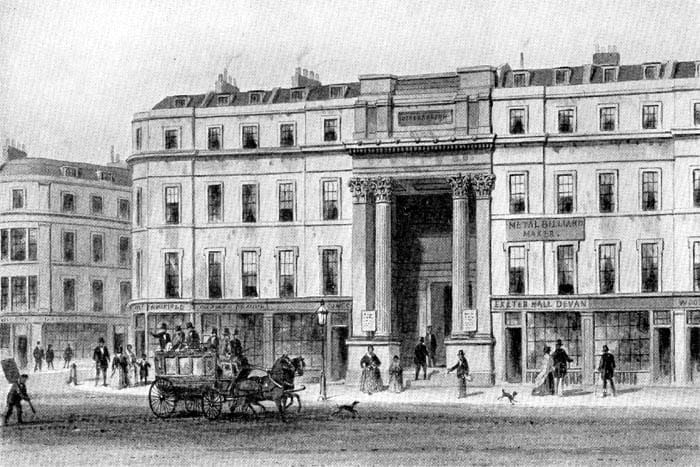
The Daily Telegraph Tue, Jul 03, 1855 ·Page 1 _____ Image Source/Credit: • Jul 02, 1855, Page 1 – the Daily Telegraph at Newspapers.com (www.newspapers.com/image/823895455) ♦ _____ ♦ A Pilgrim’s Coffer: The New Park Street Chapel only had room for about 1,200 people, and by 1855—only a year into his pastorate—Spurgeon began hold services at Exeter Hall, on the North side Read more...