Favorite
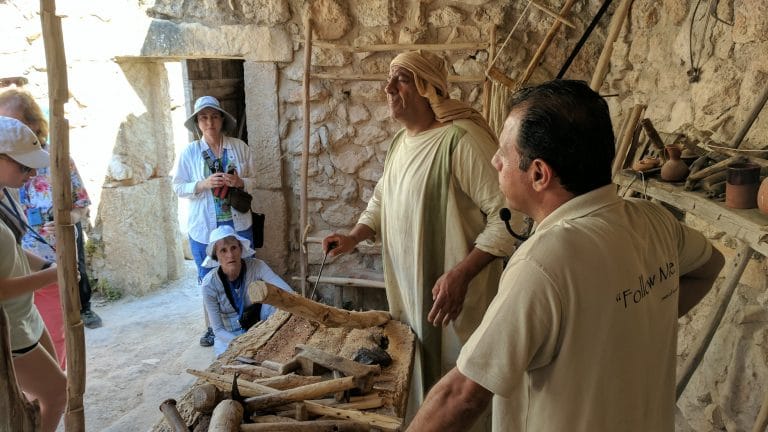
Set on the outskirts of old Nazareth, the Nazareth Village is built on ancient agricultural land that boasts the area’s last remaining first-century wine press. The original farm has been restored with its ancient wine press, terraces, irrigation system and stone quarry, and exact replicas of first-century houses, a synagogue, a watchtower, mikveh and olive presses have been carefully constructed Read more...
Favorite
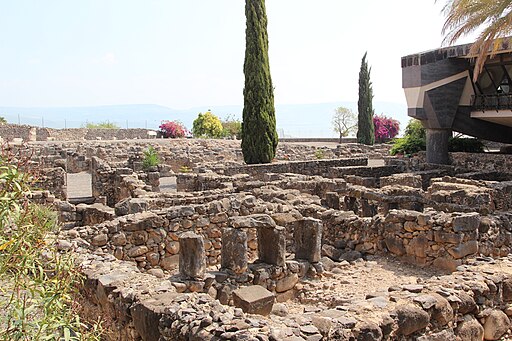
The ancient town of Capernaum—also known as Capharnaum—holds a place of great importance in the history of the New Testament. Situated along the northwestern shore of the Sea of Galilee, it served as a center of ministry for Jesus Christ and is frequently mentioned in the Gospels. In the first century, Capernaum was a modest fishing village, yet its location Read more...
Favorite
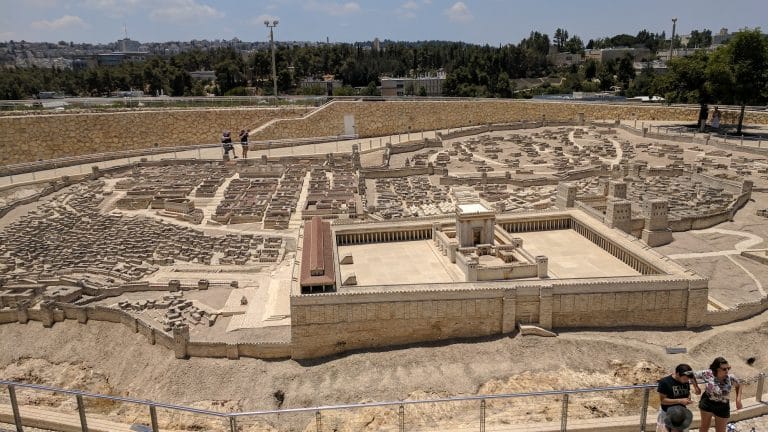
The model of ancient Jerusalem at the Israel Museum is one of the most remarkable visual reconstructions of the city as it stood during the late Second Temple period. Known as the Holyland Model of Jerusalem, it offers visitors a detailed and immersive glimpse into the appearance of the city at the time of Jesus Christ and the height of Read more...
Favorite
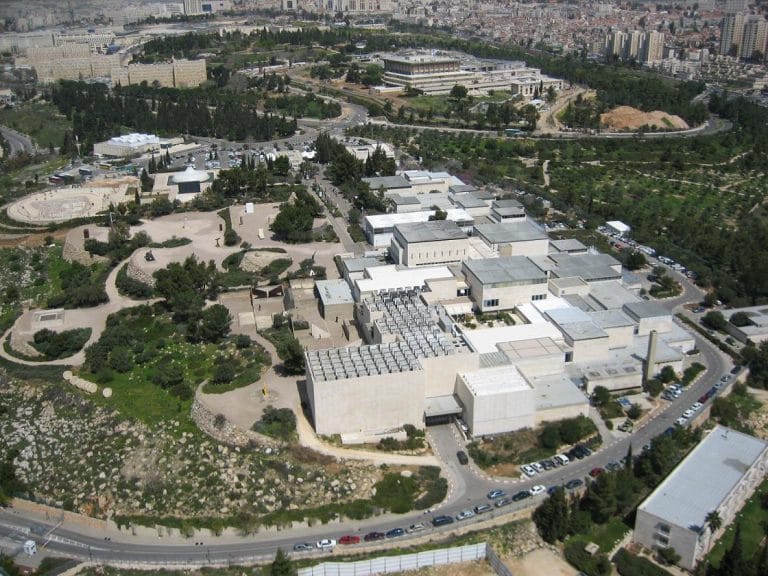
Artifacts of Biblical Significance: Caiaphas Ossuary Caiaphas Ossuary, Author’s Photo Tel Dan Stele Tel Dan Stele, Author’s Photo Shema Seal Uzzah’s Tombstone “Hither were brought The bones of Uzziah King of Judah. Do not open!” Pontius Pilate Inscription _____ Image Source/Credit: • אסף.צ at he.wikipedia, CC BY-SA 3.0 , via Wikimedia Commons Read more...
Favorite
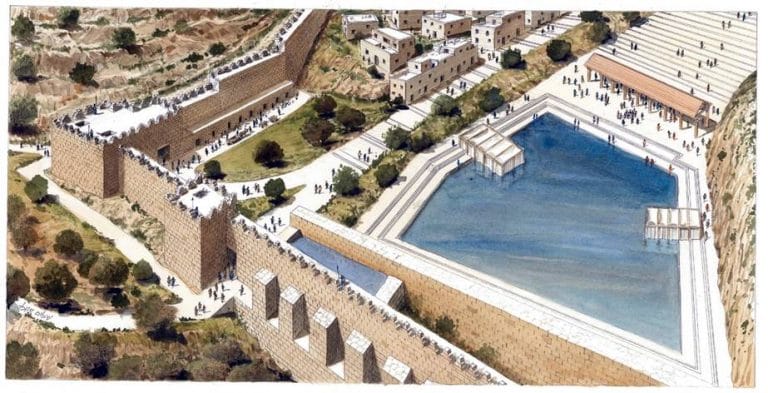
Associates for Biblical Research: Currently, two archaeological treasures are being unearthed in Jerusalem. One is the Pool of Siloam at the southern end of the City of David, and the other is the excavation and restoration of the Pilgrimage Road connecting the Pool of Siloam with the Temple Mount. There are a number of references to pools in both the Read more...
Favorite
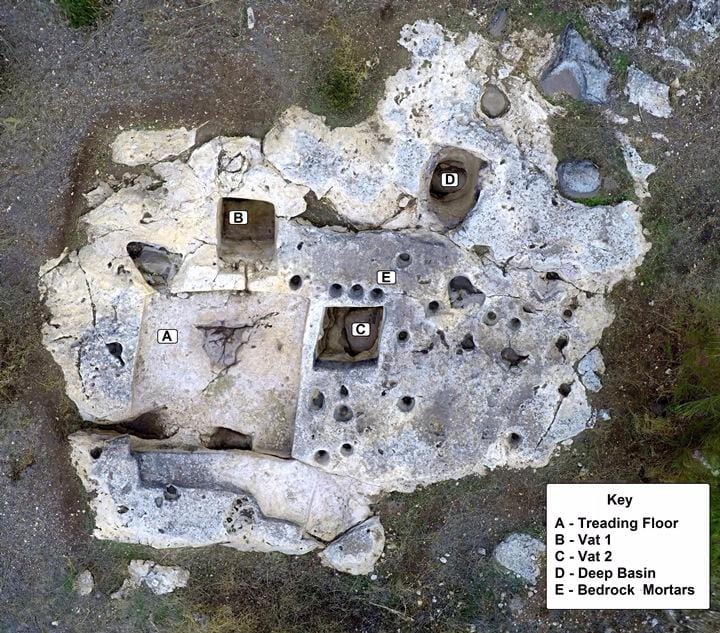
The ancient city of Jezreel and the account of Naboth’s Vineyard together form one of the most powerful moral episodes in the history of Israel. Set during the reign of Ahab, this narrative weaves together themes of power, injustice, and divine judgment in a way that has resonated for centuries. Jezreel was an important royal city in the northern kingdom Read more...
Favorite
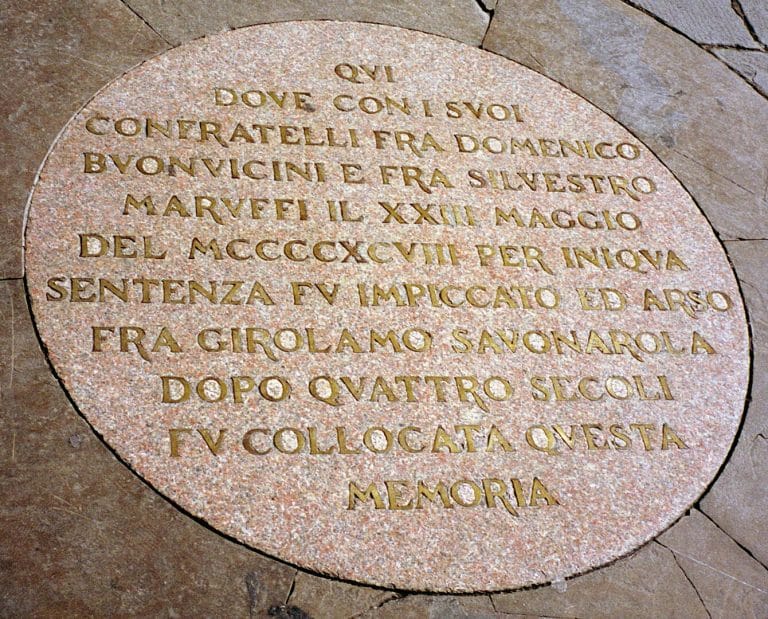
In 1498, Savonarola was executed. Unconventional yet popular with the masses, he differed from the established church: Philip Schaff: By the general consent of Protestants, Jerome Savonarola is numbered among the precursors of the Reformation,—the view taken by Ranke. He was not an advocate of its distinguishing tenet of justification by faith. The Roman church was for him the Read more...
Favorite
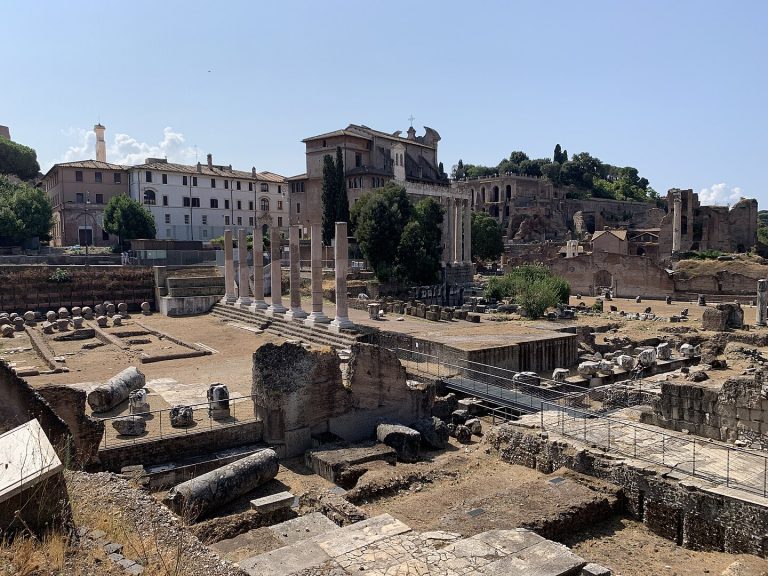
Many of the Jewish artifacts such as the Table of Shewbread and the Menorah were taken from the Temple to Rome, specifically here! From Wikipedia: The Temple of Peace (Latin: Templum Pacis), also known as the Forum of Vespasian (Latin: Forum Vespasiani), was built in Rome in 71 AD under Emperor Vespasian[1] in honour to Pax, the Roman goddess of peace. It housed artifacts such as the Table of Shewbread and the seven-branched menorah from Read more...
Favorite
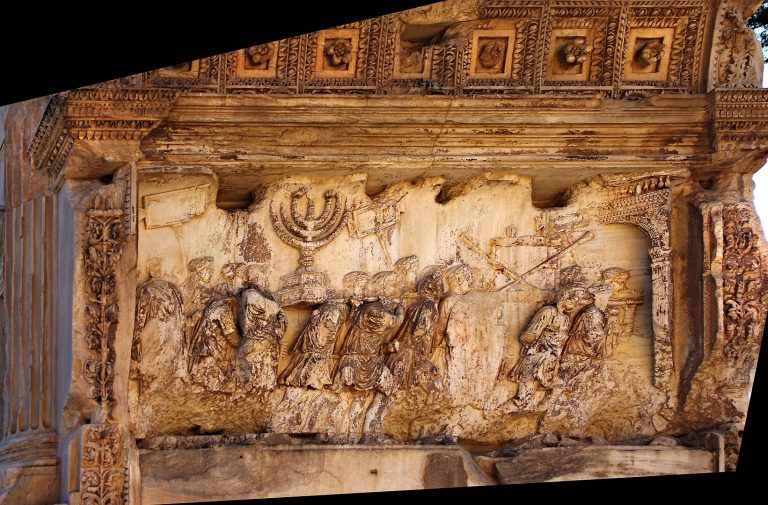
The Arch of Titus is one of the most significant surviving monuments of ancient Rome, both for its artistic achievement and for the historical events it commemorates. Located on the Via Sacra at the entrance to the Roman Forum, the arch was constructed to honor the Roman emperor Titus and his victory in the Siege of Jerusalem during the First Read more...
Favorite
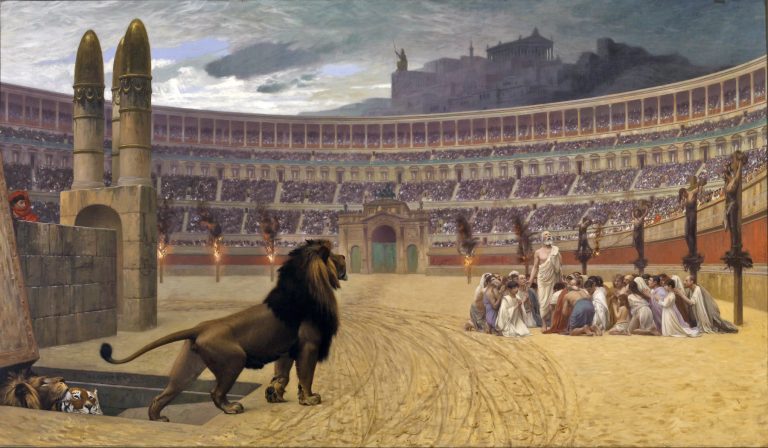
The Colosseum, one of the most iconic structures of the ancient world, stands in the heart of Rome as a powerful symbol of the grandeur and complexity of the Roman Empire. Known in antiquity as the Flavian Amphitheatre, it was constructed during the first century A.D. and remains a testament to Roman engineering, architecture, and public life. Construction of the Read more...
Favorite
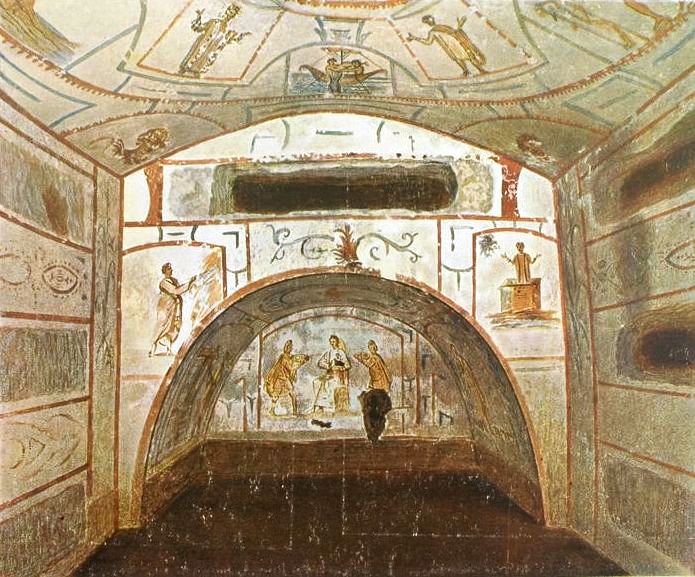
The Catacombs of Marcellinus and Peter are among the most significant early Christian burial sites in Rome. Located along the ancient Via Labicana, these catacombs provide a vivid window into the life, faith, and artistic expression of the early Christian community during the late Roman Empire. The catacombs are named after two early Christian martyrs, Marcellinus and Peter, who were Read more...
Favorite
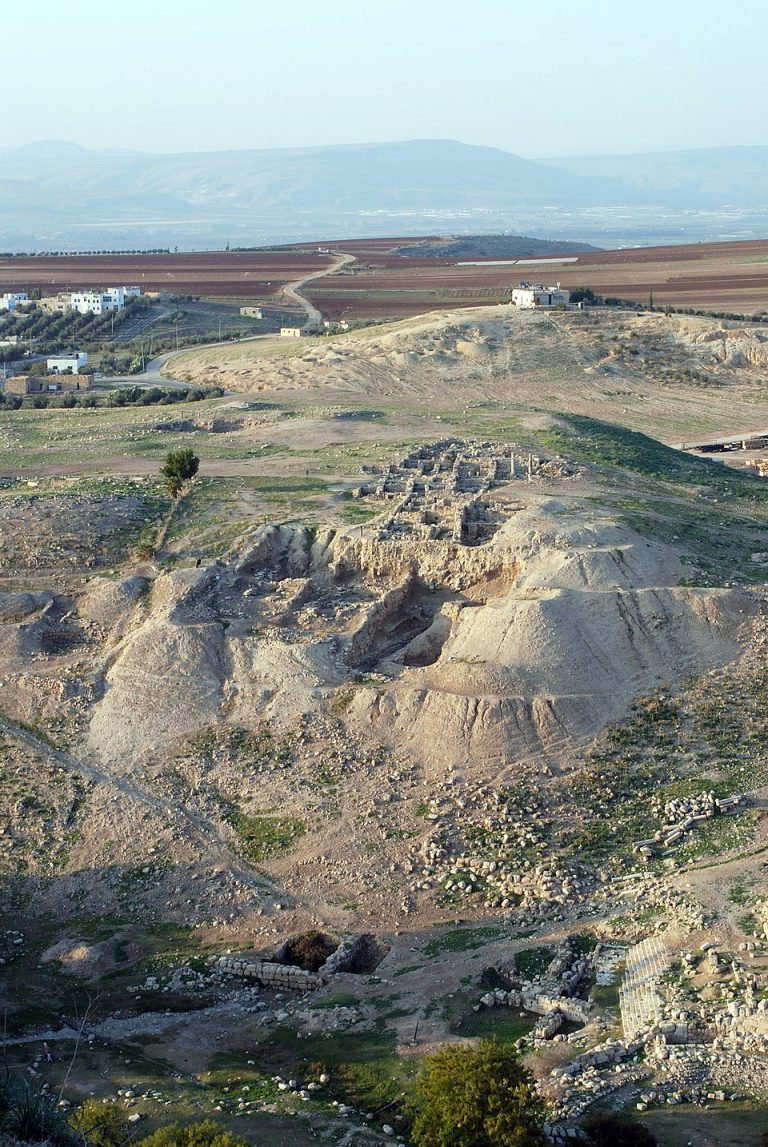
Pella is the namesake for such places as Pella, Iowa, founded by Dutch Reformed Christians. The story of Pella is found in church history. From Wikipedia: The fourth-century Church Father Eusebius of Caesarea and Epiphanius of Salamis cite a tradition that before the destruction of Jerusalem in AD 70 the early Christians had been warned to flee to Pella in the region of the Decapolis across the Jordan River. And when ye shall see Read more...
Favorite
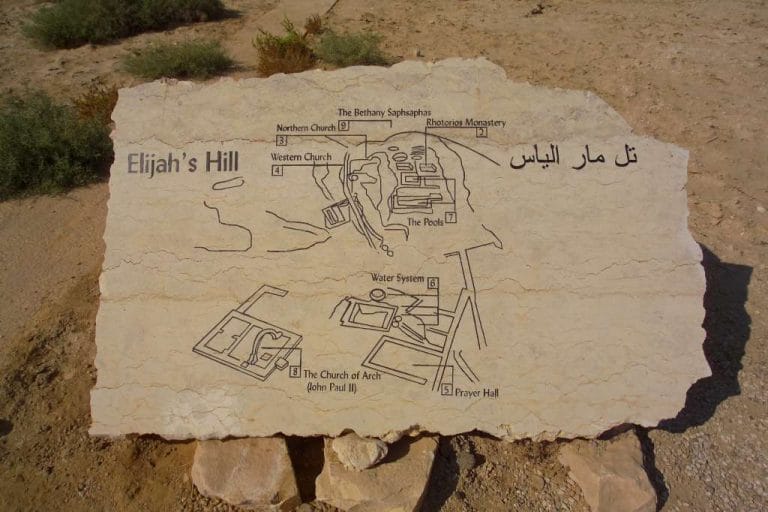
The site often referred to as “Elijah’s Hill” is most commonly associated with Mount Carmel, a place deeply rooted in the biblical narrative of the prophet Elijah. Rising above the Mediterranean coastline in northern Israel, Mount Carmel has long been regarded as a location of spiritual significance, particularly in connection with one of the most dramatic events recorded in the Read more...
Favorite
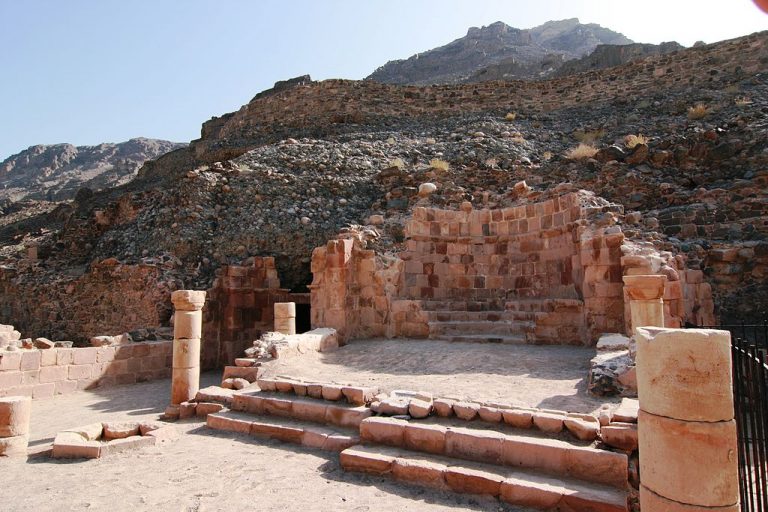
A traditional site for the cave of Lot from Genesis 19:30, and a nearby pillar attributed to his wife who was turned into salt. 30 And Lot went up out of Zoar, and dwelt in the mountain, and his two daughters with him; for he feared to dwell in Zoar: and he dwelt in a cave, he and his two daughters. Read more...
Favorite
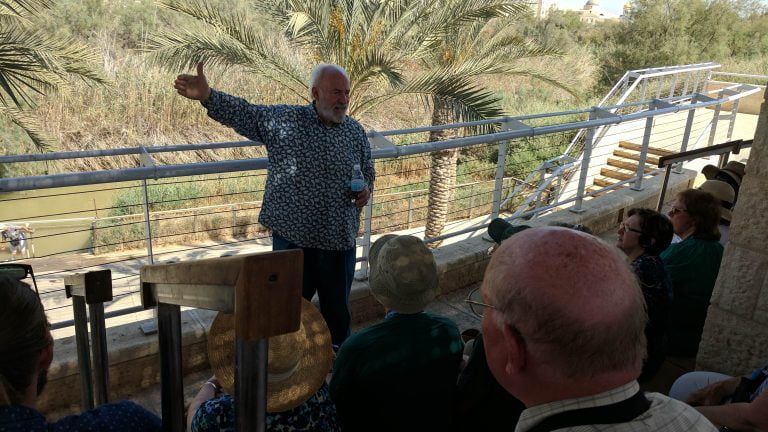
From the website: THE REDISCOVERY How it was lost The Baptism Site was a major Pilgrim Station from the days of John the Baptist. Even after he died, many of his students stayed in the area which was the birthplace of Christianity. Churches were built near the site, monks lived in caves, and pilgrims visited the site. This tradition continued Read more...
Favorite
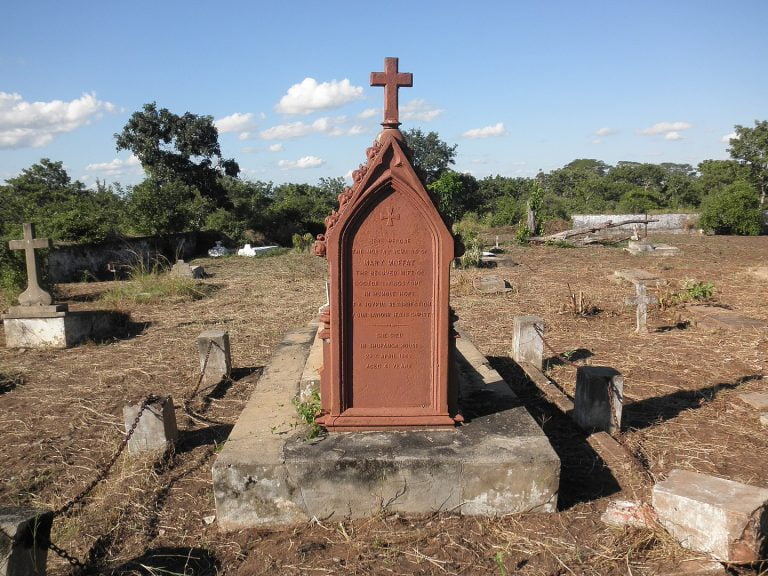
The Life, Legacy, and Impact of Mary Moffat Livingstone Mary Moffat Livingstone (1821–1862) occupies a significant yet often underappreciated place in the history of nineteenth-century missionary work in southern Africa. As the wife of David Livingstone and the daughter of pioneering missionaries, she lived a life marked by devotion, hardship, and quiet resilience. Though frequently overshadowed by her husband’s fame, Read more...

Favorite
Adoniram Judson is closely associated with one of the most severe episodes of his early missionary life: his imprisonment in the royal capital of Burma, then known as Ava (now Inwa, near Mandalay). Although often described in missionary literature as a “death prison,” the site was not a formal named institution so much as a series of harsh detention locations Read more...
Favorite
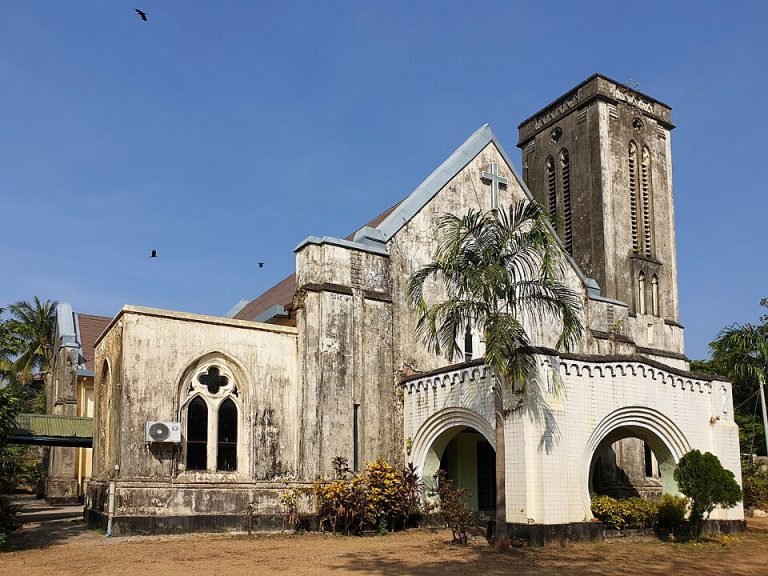
First Baptist Church in Mawlamyine, Myanmar, stands as one of the earliest and most historically significant Baptist congregations in Southeast Asia. Its story is closely tied to the expansion of Baptist missionary work in the nineteenth century and the broader development of Christianity among the Karen and other ethnic groups in the region. Mawlamyine, formerly known as Moulmein, is located Read more...
Favorite
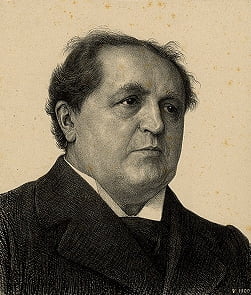
Abraham Kuyper (1837–1920) was one of the most influential figures in modern Dutch history, known for his remarkable contributions as a theologian, journalist, educator, and statesman. His life was marked by a deep commitment to Christian faith and a determination to apply that faith to every sphere of life, from politics and education to culture and society. Through his ideas Read more...
Favorite
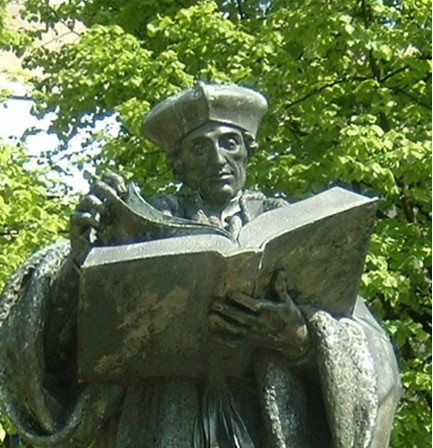
Desiderius Erasmus prepared the first printed Greek New Testament, the Novum Instrumentum Omne, in 1516. The relationship between Desiderius Erasmus and the Textus Receptus is one of the most significant developments in the history of the Bible. Though Erasmus himself never used the term “Textus Receptus,” his work laid the essential foundation for what would later become known by that Read more...