Favorite
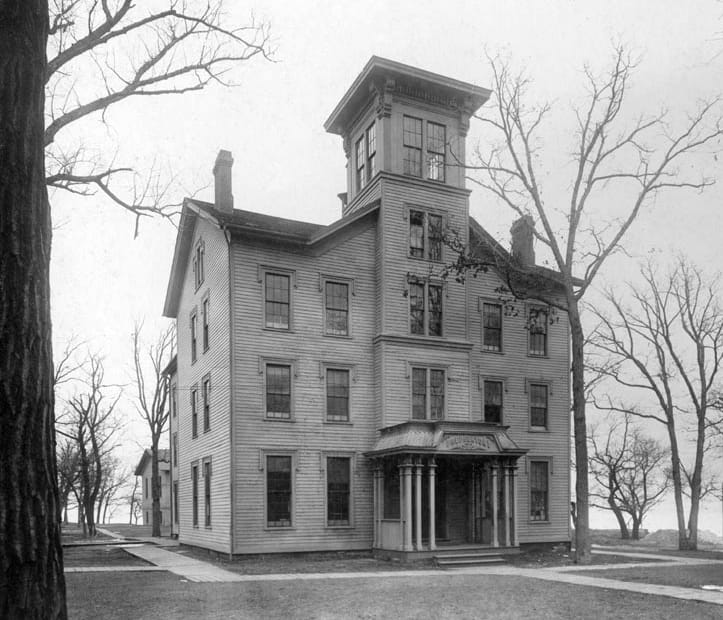
Billy Sunday remains one of the most colorful and influential figures in early twentieth-century American religious life, and his formative years at Northwestern Academy—often referred to historically as Evanston Academy—played a meaningful role in shaping the man he would become. Born in 1862 in rural Iowa, Billy Sunday’s early life was marked by hardship. His father, a Union soldier, died Read more...
Favorite
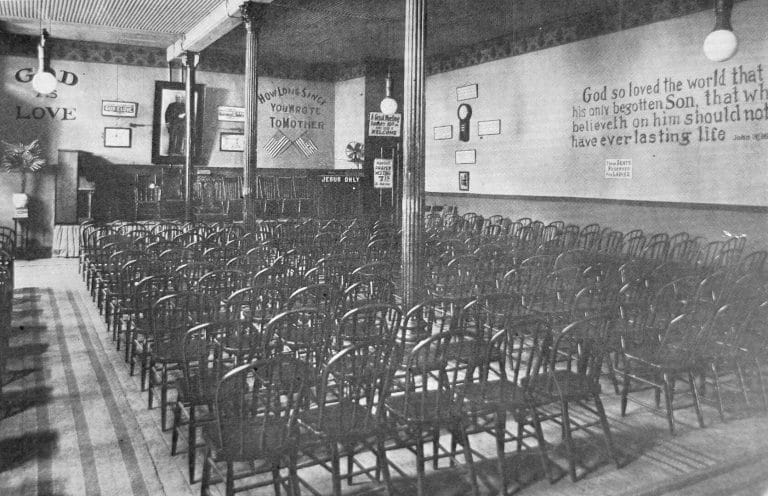
Billy Sunday is remembered today as one of the most dynamic revivalists in American history, a man whose fiery sermons and dramatic style captivated audiences across the nation in the early twentieth century. While his fame eventually spread far and wide, one of the most important turning points in his life occurred in Chicago, where his association with the Pacific Read more...
Favorite
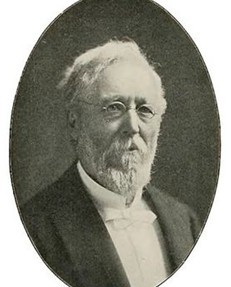
Wikipedia: By fourteen, Sunday was shifting for himself. In Nevada, Iowa, he worked for Colonel John Scott, a former lieutenant governor, tending Shetland ponies and doing other farm chores. The Scotts provided Sunday a good home and the opportunity to attend Nevada High School.[5] Although Sunday never received a high school diploma, by 1880 he was better educated than many Read more...
Favorite
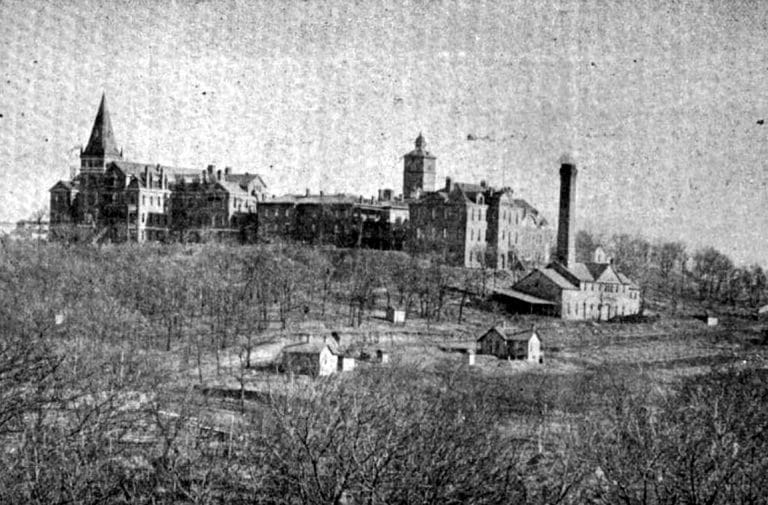
Tabernacles & Sawdust Trails: “At Ames, Iowa,” he says, “we had to wait for the train and we went to a little hotel and they came about one o’clock and said : ‘Get ready for the train.’ I looked into mother’s face, and her eyes were red, her hair was disheveled. I said: ‘What’s the matter mother?’ All the time Read more...
Favorite
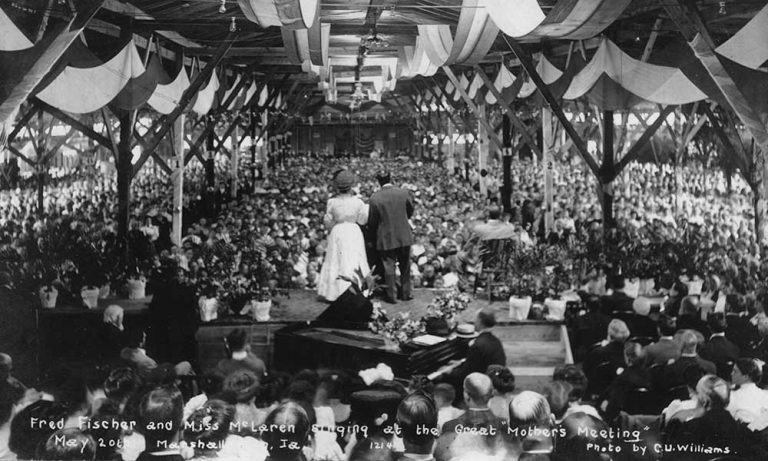
Billy Sunday (1862-1935) is regarded as the most prominent — and influential — evangelist of the early part of the 20th century. Born near Ames, he spent part of his youth in Marshalltown, then returned here in 1909, where he spoke to a packed tabernacle of his followers. The tabernacle in Marshalltown in which Sunday did his preaching was located Read more...

Favorite
Formerly the site of the McFerrin House, home of John B. McFerrin, the Methodist evangelist who President James K Polk heard at a camp meeting in 1833 and was provoked, but left “a convicted sinner, if not a converted man.” ♦ _____ ♦ John Berry McFerrin was one of the most energetic and influential Methodist evangelists of the nineteenth century, Read more...

Favorite
William Richards was a significant figure in the early nineteenth-century missionary movement, remembered for his work in the Hawaiian Islands and his role in shaping both religious and political life during a time of profound change. His life reflects the blend of evangelistic zeal, cultural engagement, and public service that characterized many early Protestant missionaries. Born in 1793 in Massachusetts, Read more...
Favorite
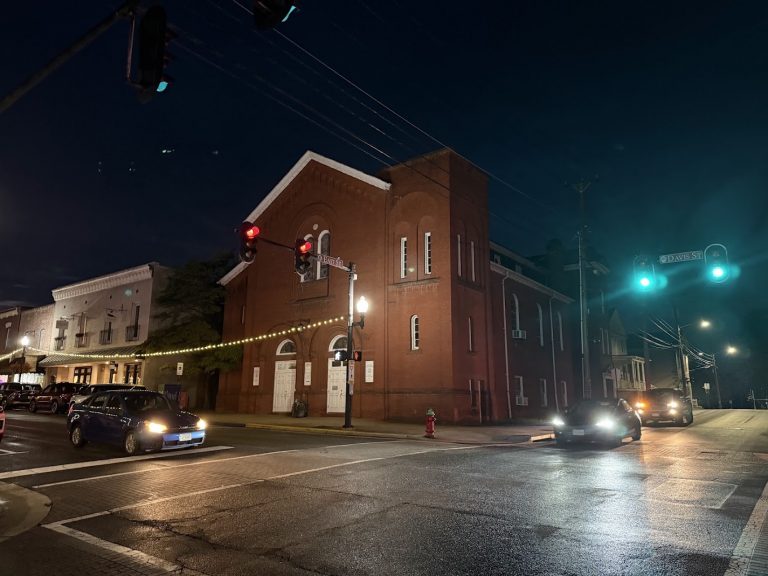
The lock and key from this jail is in the Virginia Baptist History Museum in Richmond, and can be viewed at their site Early congregations also gathered at their own risk, as when the well-bred men of Culpeper County galloped their horses through a crowd that had formed to hear the Reverend James Ireland preach from his cell while incarcerated Read more...
Favorite
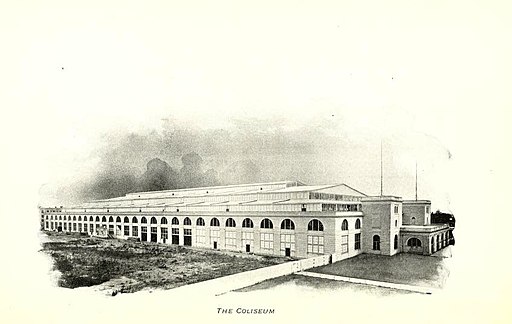
In 1896 the Democratic National Convention would be held in Chicago. Who would emerge as the leader of the party to be their presidential nominee? Image Credit: Wikipedia contributors. 1896 Democratic National Convention. 27 Feb. 2025, en.wikipedia.org/wiki/1896_Democratic_National_Convention#/media/File:1896_DNC_(2).jpg. The Coliseum in Chicago was twice the size of Madison Square Garden, and had just been completed. It almost was finished the Read more...
Favorite
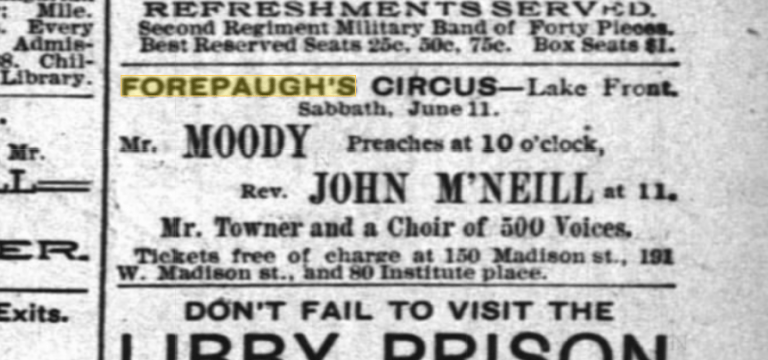
Billy Sunday’s first professional baseball game was played May 22, 1883, in Chicago at now-Millennium Park. Ten years later, on June 11, 1893, D.L. Moody would preach in a circus tent to his largest audience at the same spot! The 1890s were the peak of the Gilded Age. Industrialization, wage growth, railroads, factories, mines, immigration, formed the boom times that were Read more...
Favorite
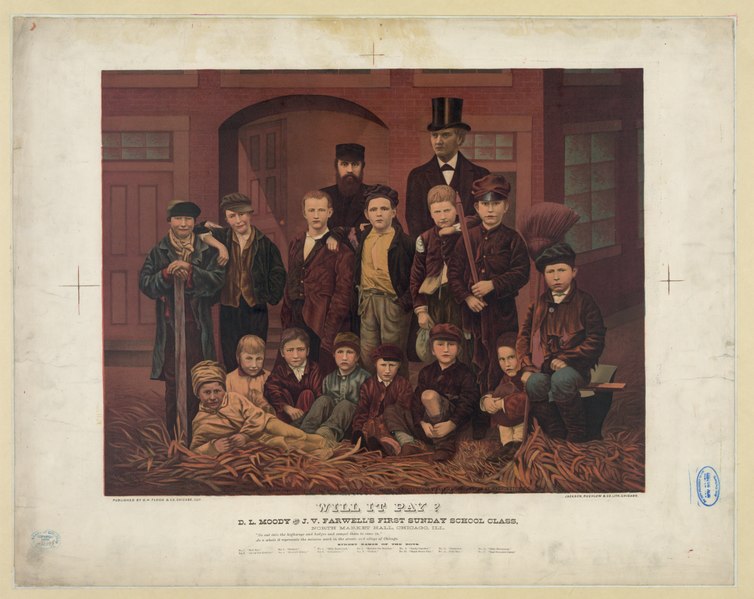
Abraham Lincoln, on his way to the White House to be inaugurated as President, stopped by Dwight L. Moody’s Sunday School in “Little Hell” I was once as poor as any boy in this school, but I am now President of the United States, and if you attend to what is taught you here, some of you may yet be Read more...
Favorite
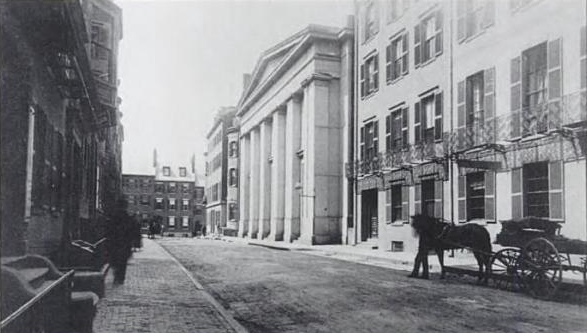
Mount Vernon Congregational Church in Boston, Massachusetts, occupies a meaningful place in the history of American evangelical Christianity, not only for its own ministry but also for its association with individuals whose quiet faith would have far-reaching impact. Among these figures, Edward Kimball stands out as a reminder that influence in religious life is often exercised in simple, personal ways Read more...

Favorite
John Girardeau was pastor of the Anson Street Presbyterian Mission in the late 1850s, before the Civil War. The Mission was targeted to the enslaved population. In Girardeau’s biography we read: The greatest event in his ministry was the revival in the later fifties. This began with a prayer meeting that constantly increased until the house was filled. Some of Read more...

Favorite
Lew Wallace, remembered as a Union general, author of Ben-Hur, and American diplomat, also played a significant role in the history of the American Southwest during his tenure as governor of the New Mexico Territory from 1878 to 1881. Central to this chapter of his life was the Palace of the Governors in Santa Fe, the historic seat of government Read more...

Favorite
Since 2002, Within the Secretary of State’s office in the Minnesota State Office Building is a colorized photograph that has been in the public domain since 1995. The photograph “Grace,” depicting an elderly man bowing his head and giving thanks, was taken in Bovey, Minnesota in 1918 by Eric Enstrom, and was adopted as the official state photograph in 2002. A Read more...
Favorite
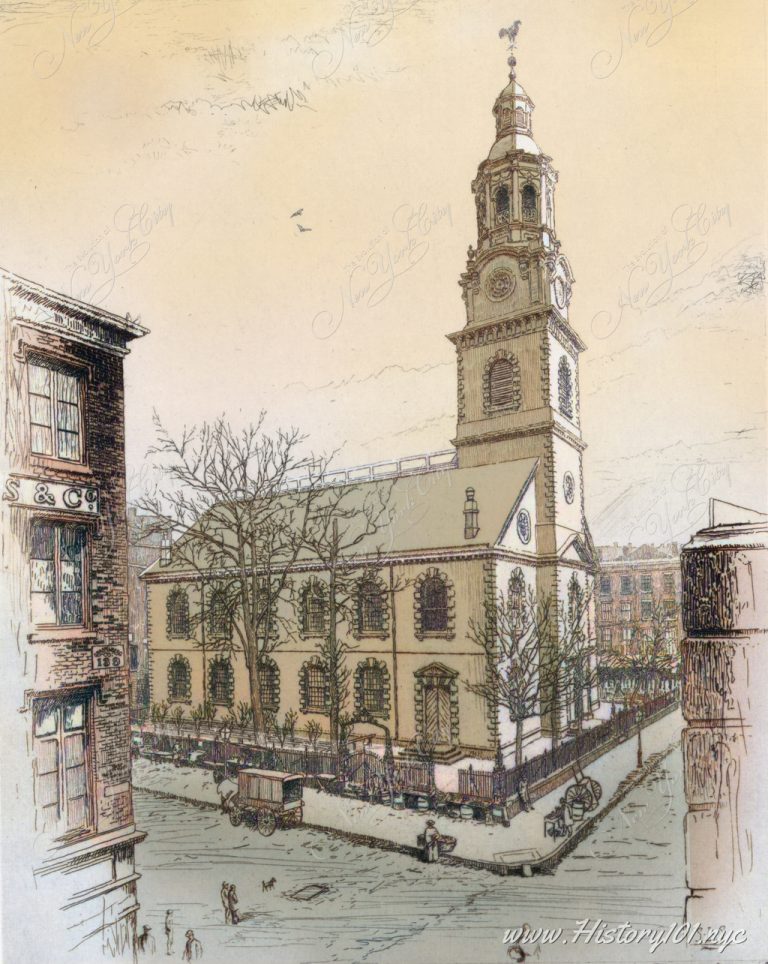
The story of Jeremiah Lanphier and the North Dutch Church in New York City is closely tied to one of the most remarkable religious awakenings in American history, the 1857–1858 Prayer Revival. At a time of economic uncertainty and social anxiety, a quiet layman’s simple initiative helped spark a movement that spread across the United States and beyond. Lanphier’s life Read more...
Favorite
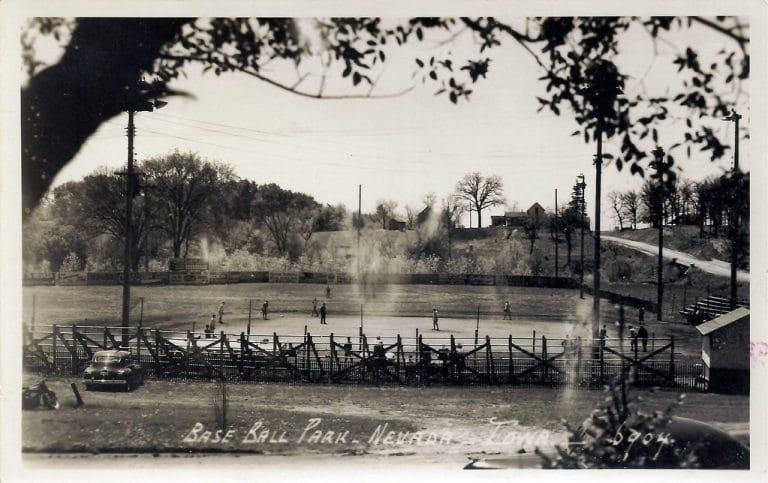
The Billy Sunday Baseball Field was constructed in the 1930s to serve as a consistent playing location for Nevada’s semi-pro baseball team. The field was originally located on the west side of S14, but was soon relocated to its current location, just east of S14. The Nevada High School baseball team began playing at the field around 1934, which prompted Read more...
Favorite
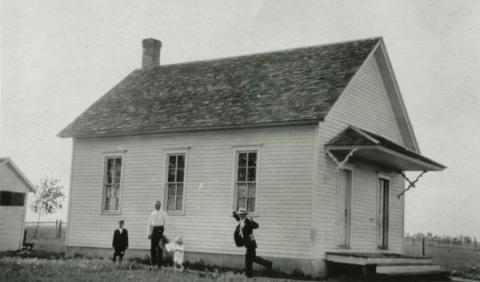
Clearview School in Iowa represents a small but meaningful piece of the early life and environment that helped shape one of America’s most famous evangelists, Billy Sunday. Though the school itself was a typical rural one-room schoolhouse, its connection to Sunday reflects the broader story of how modest beginnings and local institutions contributed to the development of influential figures in Read more...
Favorite
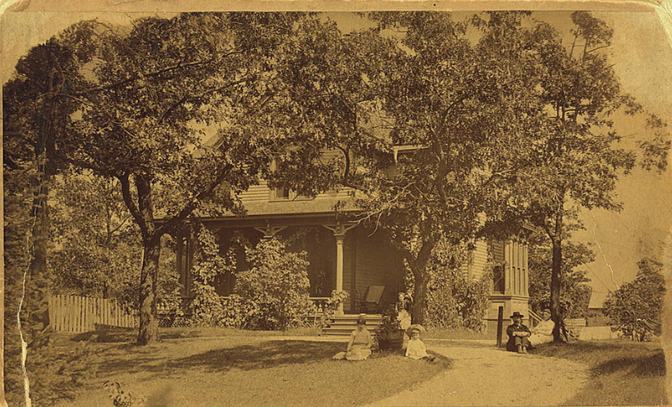
Hymn History: It Is Well With My Soul Author: Horatio Spafford “One of the most comforting and triumphant expressions of faith in the entire hymnody of the Christian church.” (Kenneth W. Osbeck) The beloved hymn “It Is Well with My Soul” was born out of one of the most profound personal tragedies in American Christian history. Its Read more...

Favorite
From Daytonian in Manhattan: Three blocks to the north, on Ninth Avenue between 33rd and 34th Street, the New York Asylum for the Blind had stood since 1831. In 1839 it had taken in a 19-year old student, Franny J. Crosby, who quickly was recognized for her talent in writing poetry and hymns. Fanny had been blinded by an incompetent physician at Read more...