Favorite
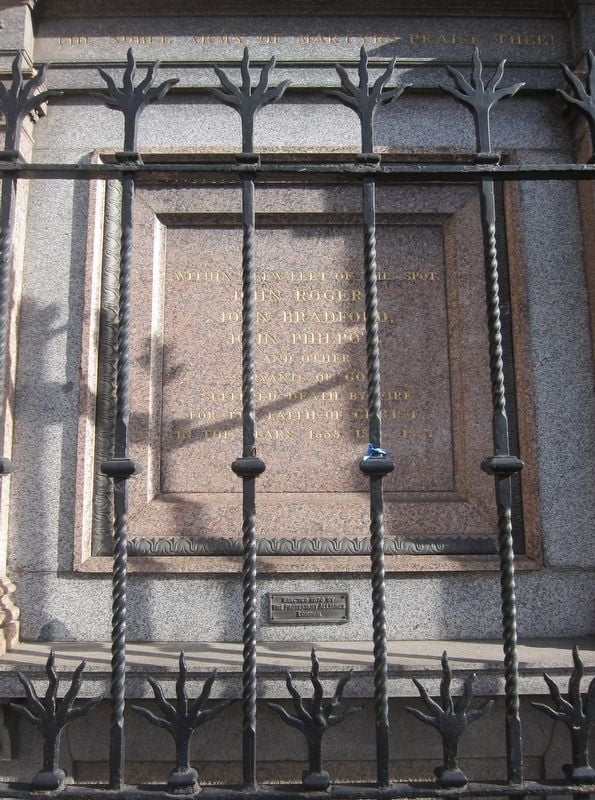
The Rogers Bradford and Philpot Memorial in London stands as a solemn tribute to three Protestant martyrs of the sixteenth century—John Rogers, John Bradford, and John Philpot. Located in Smithfield, a historic area long associated with public executions, the memorial marks a site where faith, conviction, and sacrifice intersected during one of England’s most turbulent religious periods. The story behind Read more...
Favorite
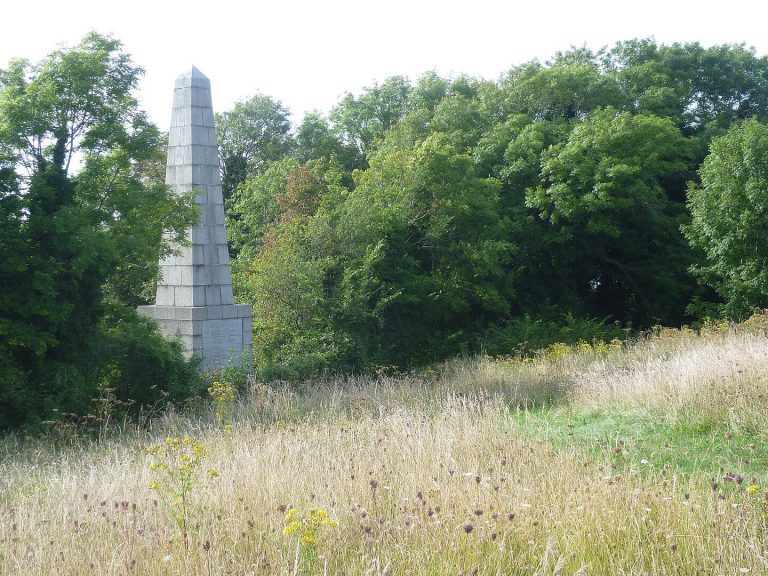
From Wikipedia: The Lewes Martyrs were 17 Protestants who were burned at the stake in Lewes, Sussex, England, between 1555 and 1557. These executions were part of the Marian persecutions of Protestants during the reign of Mary I. On 6 June 1556, Thomas Harland of Woodmancote, near Henfield, Sussex, carpenter, John Oswald (or Oseward) of Woodmancote, husbandman, Thomas Reed of Ardingly, Sussex, and Thomas Avington (or Euington) of Ardingly, Sussex, turner, were burnt. [1][2][3] Richard Woodman and Read more...
Favorite
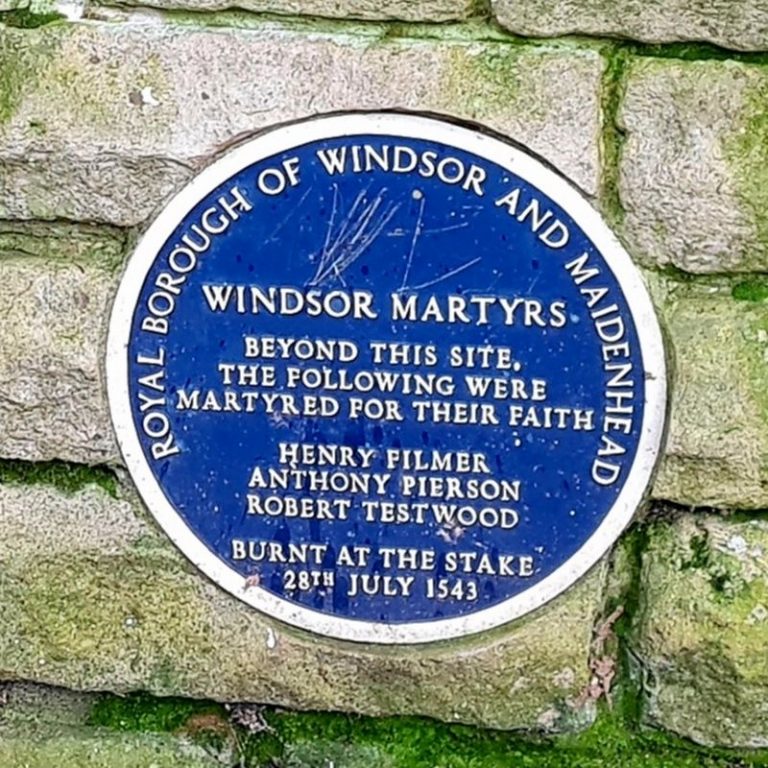
The Windsor Martyrs represent a lesser-known but deeply significant episode in the turbulent years of the English Reformation. Taking place during the reign of Henry VIII, the executions at Windsor in 1543 reveal the complex and often contradictory religious climate of the period—when reformist ideas were spreading, yet severe punishment still awaited those who moved too far beyond official boundaries. Read more...
Favorite
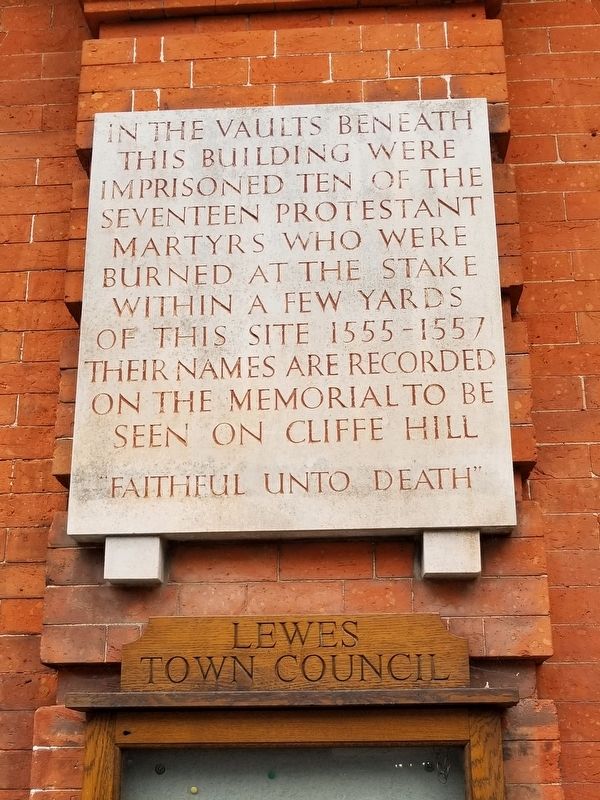
The Protestant Martyrs’ Prison stands as a solemn reminder of religious conflict and steadfast faith during one of the most turbulent periods in European history. Located in the medieval citadel of Sighișoara, this small but historically significant site is traditionally associated with the imprisonment of Protestant believers during times of persecution, particularly in the sixteenth and seventeenth centuries. Sighișoara itself Read more...
Favorite
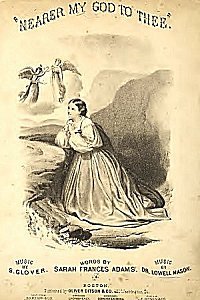
Hymn History: Nearer, My God, to Thee Author: Sarah Fuller Flower Adams “All who knew Mrs. Adams personally speak of her with enthusiasm; she is described as a woman of singular beauty and attractiveness, delicate and truly feminine, high-minded, and in her days of health playful and high-spirited.” (Richard Garnett) The Origin of the Hymn “Nearer, My God, Read more...
Favorite
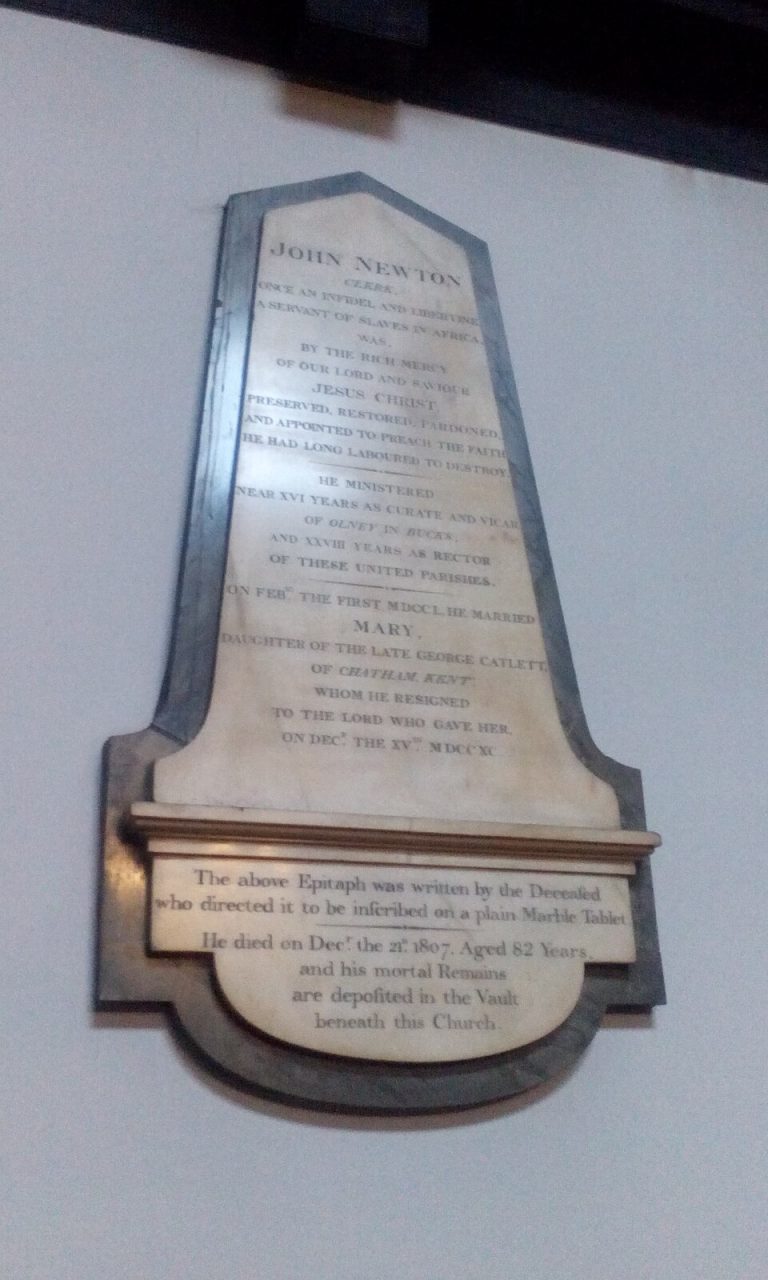
John Newton was the pastor here from 1780-1807. William Wilberforce was part of the congregation during that time. Even though he was originally buried here, around 1900 the City & South London Railroad was going to demolish the church for an Underground (subway) stop. The church remained due to public outcry, but the vault/crypt/cemetery was removed, and Newton’s body was Read more...

Favorite
From Wikipedia: The Cowper and Newton Museum is a museum in Olney, north Buckinghamshire, England, around 8 miles (13 km) north-east of Central Milton Keynes. Celebrating the work and lives of two famous local residents: William Cowper (1731–1800), a celebrated 18th-century poet; and John Newton (1725–1807), a slave trader and subsequently a prominent abolitionist, who was curate in the local church.[1] Together, Cowper and Newton wrote the Olney Hymns, including one of the world’s Read more...

Favorite
The memorial sculpture at the Mersey Ferry Terminal Pier Head stands as a thoughtful and reflective tribute inspired by the life of John Newton. Positioned along Liverpool’s historic waterfront, the work connects the city’s maritime heritage with a deeper moral narrative—one that acknowledges both the darkness of the past and the possibility of transformation. John Newton (1725–1807) is a figure Read more...
Favorite
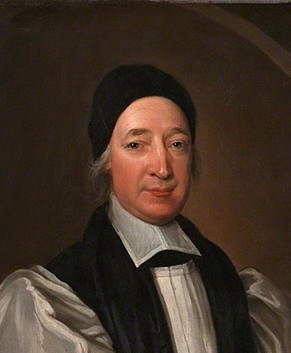
Hymn History: The Doxology Author: Thomas Ken “He came as near to the ideal of Christian perfection as human weakness permits.” (Stephen C. Weber) The Origin of the Hymn “Doxology” The hymn “Doxology” — most commonly known by its opening line, “Praise God, from whom all blessings flow” — is one of the most widely recognized and enduring expressions Read more...
Favorite
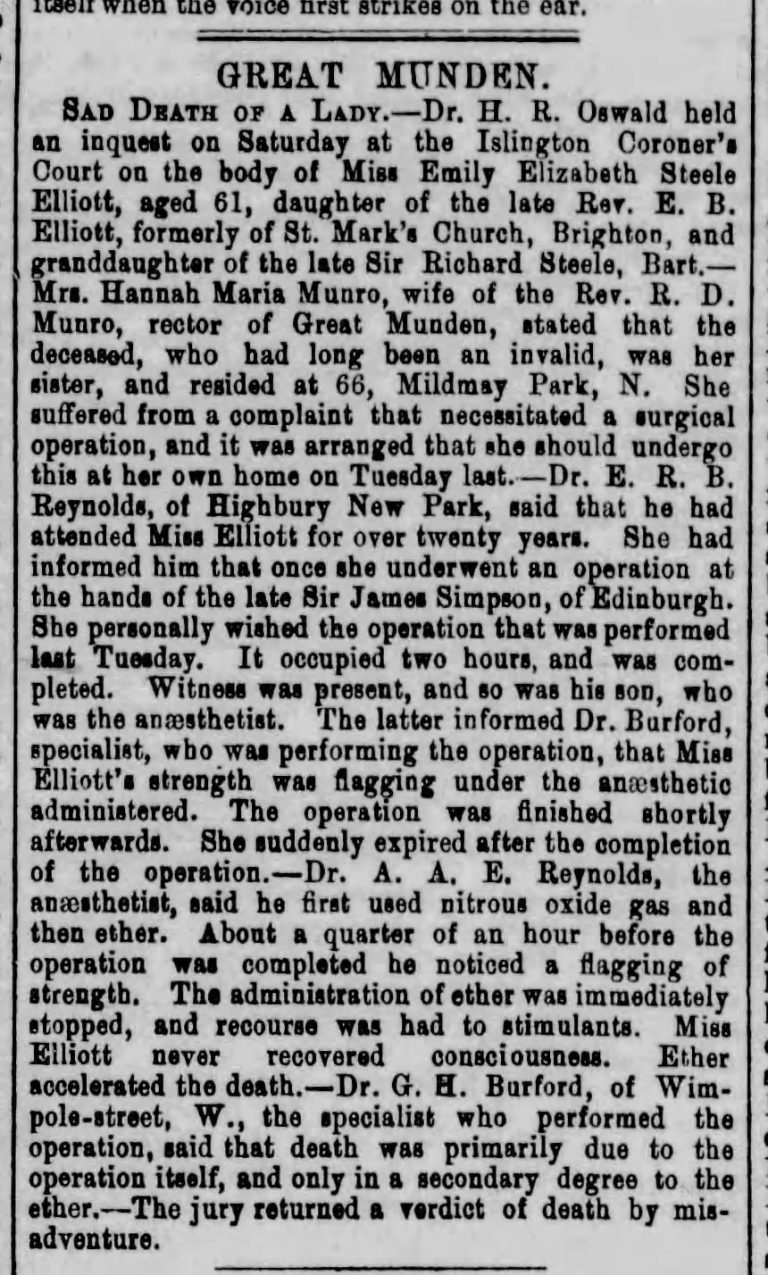
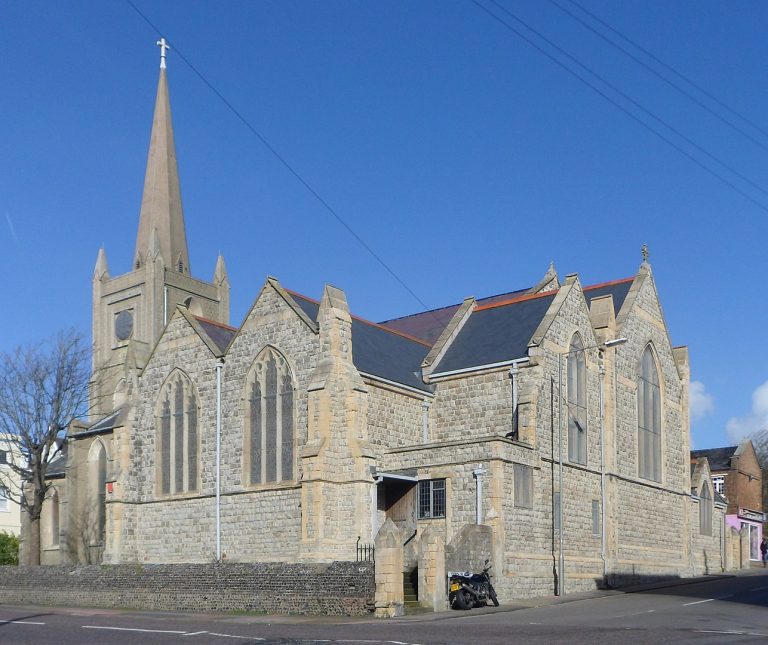
Hymn History: Thou Didst Leave Thy Throne Author: Emily Elizabeth Steele Elliott Thou didst leave Thy throne and Thy kingly crown, When Thou camest to earth for me; But in Bethlehem’s home was there found no room For Thy holy nativity. (Emily Elizabeth Steele Elliott) The Origin of the Hymn “Thou Didst Leave Thy Throne” The hymn “Thou Read more...
Favorite
A past vicar, Rev. E.B. Elliott, was the father of Emily Elizabeth Steele Elliott. Emily wrote the popular Christmas hymn “Thou didst leave Thy throne” for the use of the church. Wikipedia: Among Christmas hymns designed for children, two popular ones were written by Elliott. One begins with the line, “There came a little child to earth,” which was popular Read more...
Favorite
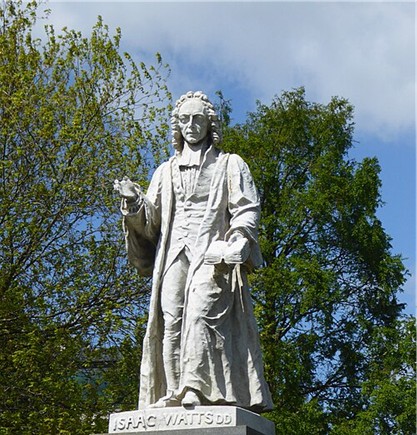
From Wikipedia: Watts was born in Southampton, Hampshire, England, in 1674 and was brought up in the home of a committed religious nonconformist; his father, also Isaac Watts, had been incarcerated twice for his views. Watts had a classical education at King Edward VI School, Southampton, learning Latin, Greek, and Hebrew. BBC: A statue has been given new fingers to mark the 350th birthday of one of Read more...
Favorite
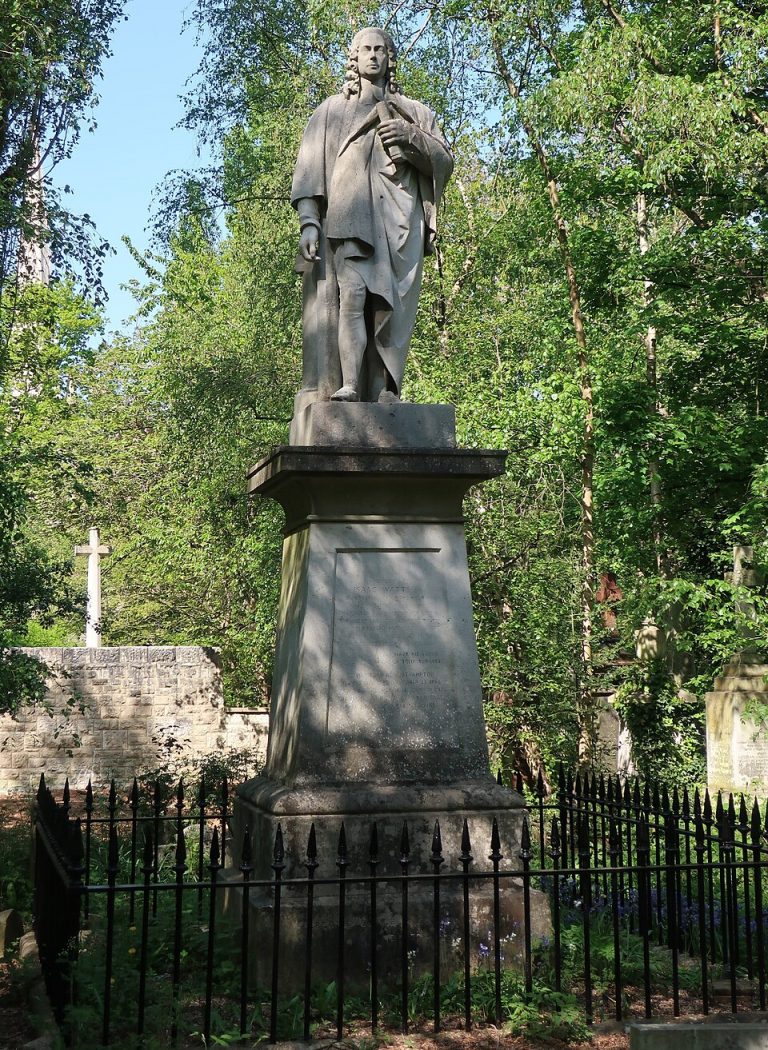
The Isaac Watts Statue Abney Park stands as a lasting tribute to Isaac Watts, one of the most influential figures in the history of English hymnody. Located within Abney Park Cemetery in London, the statue commemorates a man whose writings have shaped Christian worship for over three centuries. Isaac Watts spent the latter part of his life in the home Read more...
Favorite
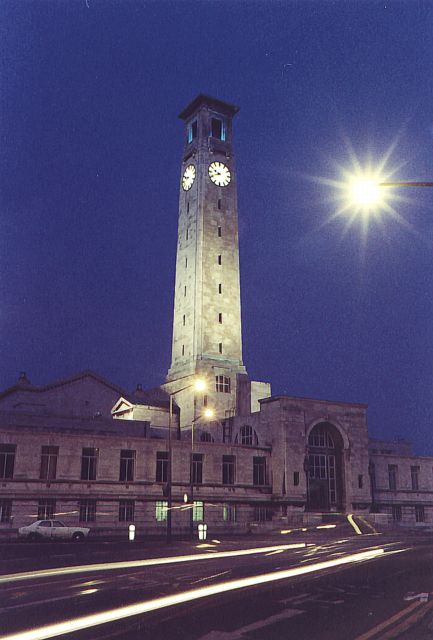
The Southampton Civic Centre stands as one of the most prominent architectural and cultural landmarks in Southampton. Serving as a hub for municipal administration, education, and the arts, the Civic Centre reflects the city’s growth in the twentieth century and its commitment to public life. The origins of the Civic Centre date to the interwar period, when Southampton sought to Read more...
Favorite
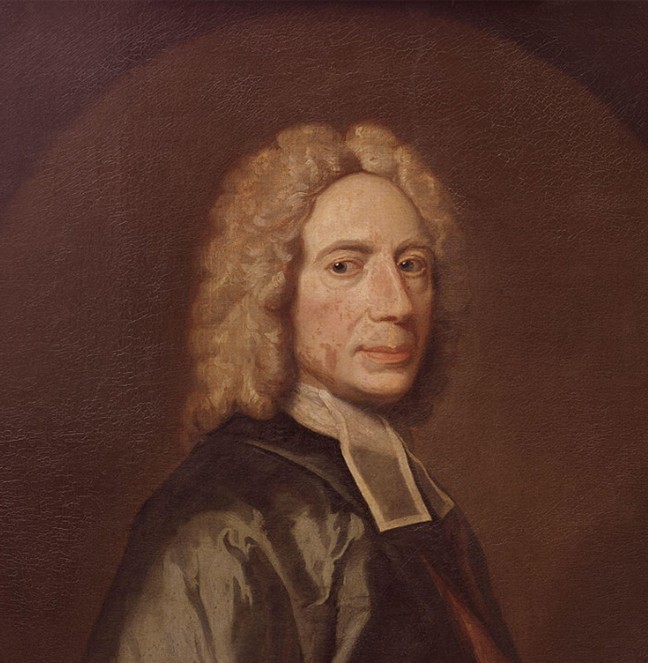
Isaac Watts (1674–1748) is widely regarded as one of the most influential hymn writers in the English-speaking world. Often called the “Father of English Hymnody,” Watts transformed congregational singing and left a lasting legacy through his poetry, theology, and educational writings. Born in Southampton, Watts grew up in a devout Nonconformist family at a time when those outside the established Read more...
Favorite
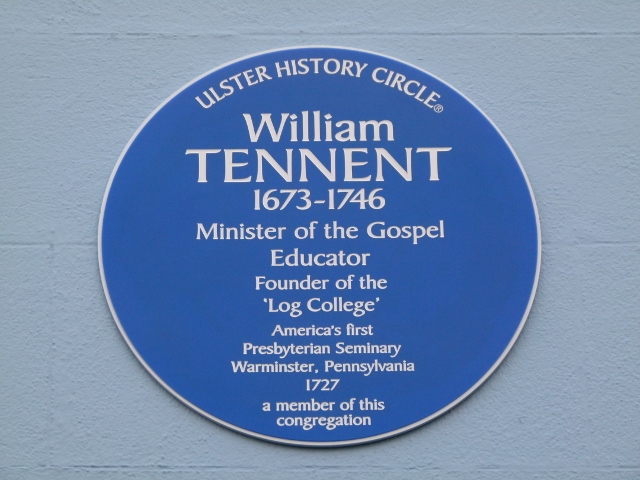
The Neshaminy Presbyterian Church, often associated with William Tennent, stands as one of the most important sites connected with the early Presbyterian movement and the Great Awakening in colonial America. Located in Warminster, Pennsylvania, the church is closely linked to the life and ministry of Tennent, whose influence helped shape American evangelical religion in the eighteenth century. William Tennent, born Read more...
Favorite
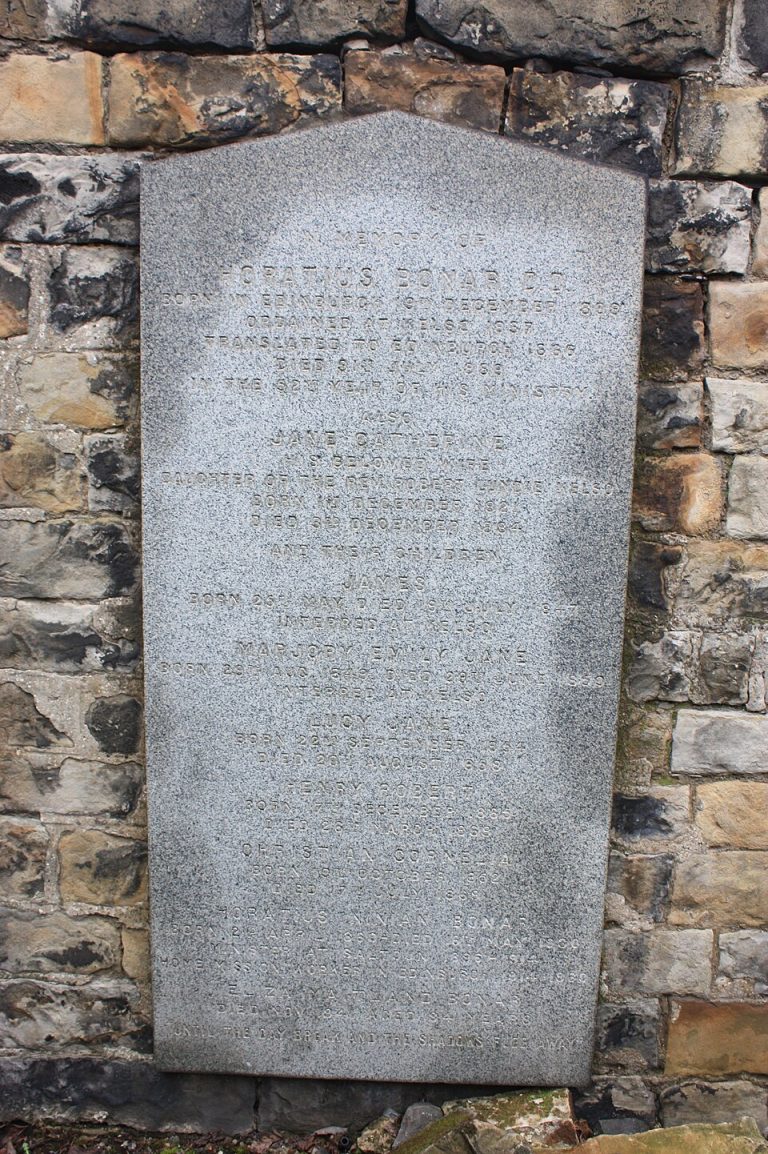
Horatius Bonar (1808–1889) stands among the most influential figures in nineteenth-century Scottish religious life, remembered both for his pastoral ministry and his prolific hymnody. A minister of the Free Church of Scotland, Bonar devoted his life to preaching, writing, and shaping Christian devotion through music and literature, leaving a legacy that continues to inspire believers today. Born in Edinburgh in Read more...
Favorite
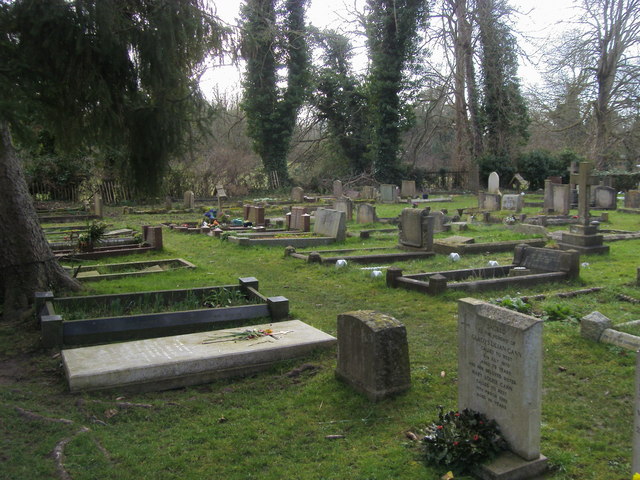
The grave of C.S. Lewis is a place of quiet reflection and lasting significance, located in the churchyard of Holy Trinity Church Headington Quarry in Oxford. Though simple in appearance, the site draws visitors from around the world who come to honor the life and legacy of one of the twentieth century’s most influential Christian thinkers and writers. Clive Staples Read more...
Favorite
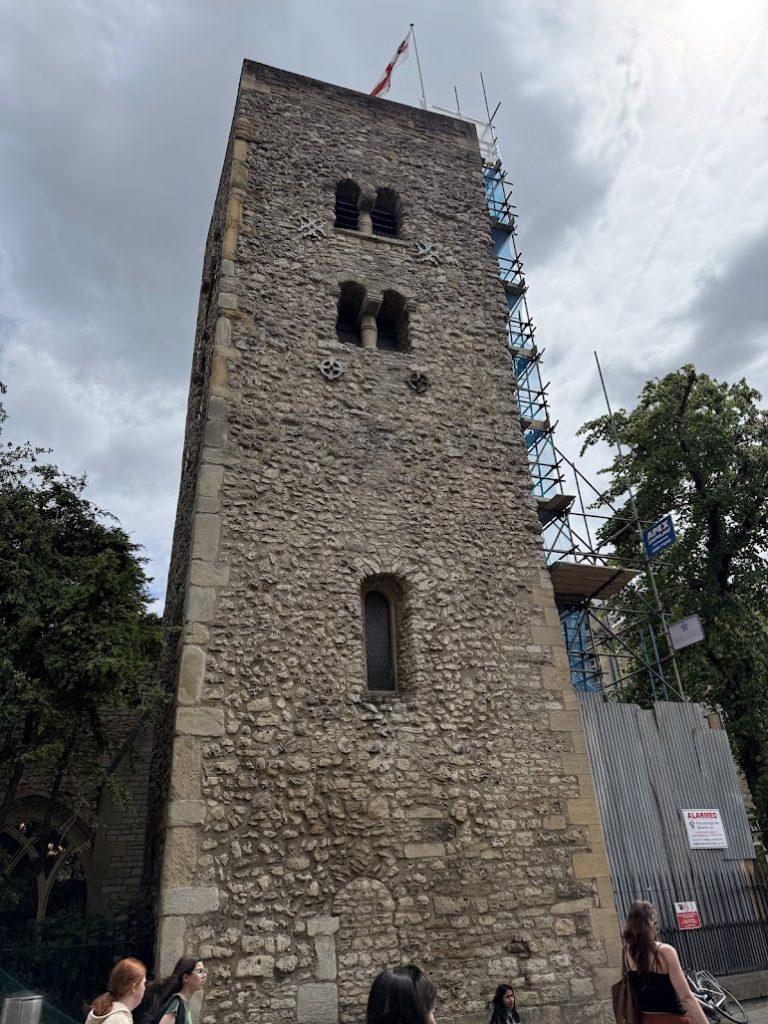
Erwin Lutzer in the Saxon Tower: I’m here in a very important room in Oxford, England. When Mary Tudor became the Queen, that was in 1553, she believed it was her responsibility to turn the clock back and to make England into a Catholic country again. To do this, she martyred a number of people, and the most famous three Read more...
Favorite
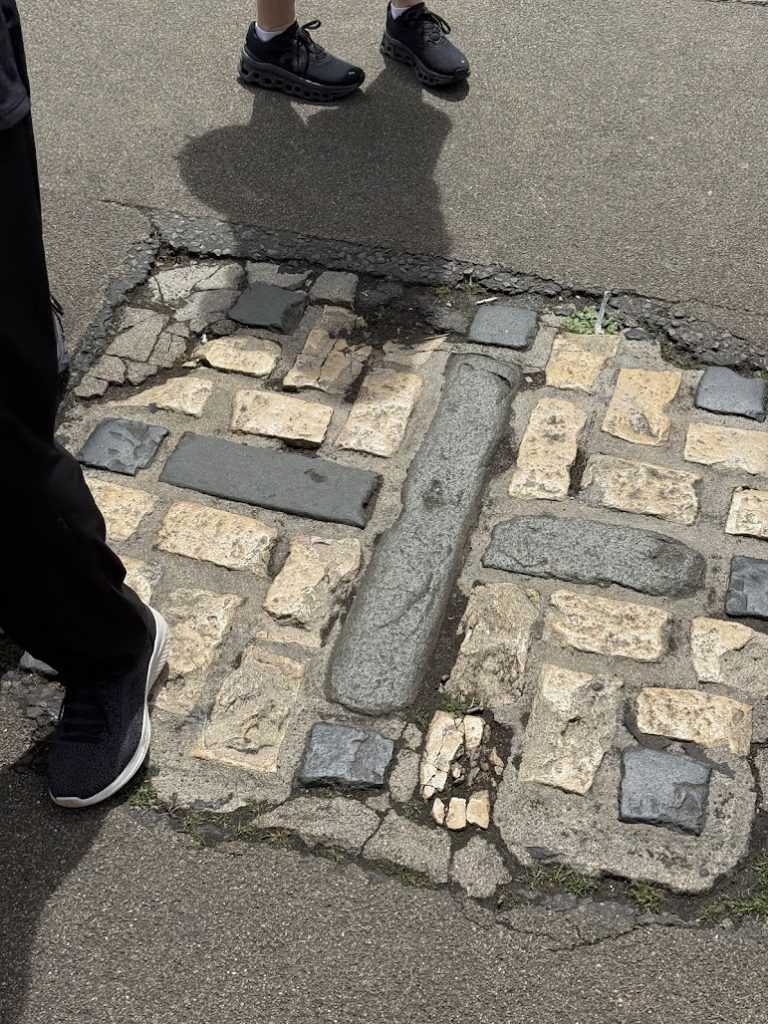
Erwin Lutzer at the Martyr’s Cross: Mary Tudor believes it’s God’s will that she turn England back to Catholicism. And she thought that if she killed a number of martyrs, if she killed a number of people, a number of Protestants, surely the country would turn back. Well, she killed nearly 300, but there are three that are famous, and Read more...