Favorite
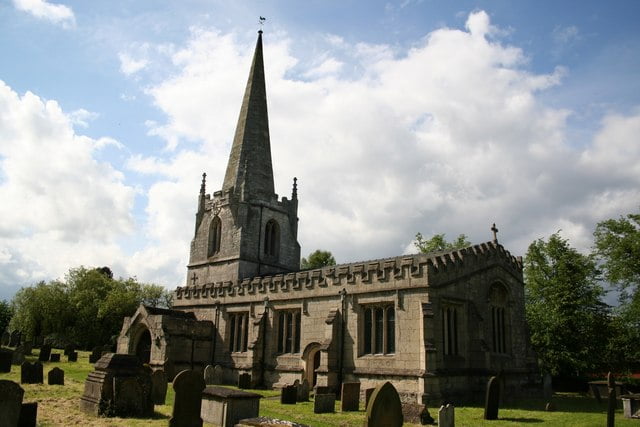
St. Wilfrid’s Church holds an important place in the early history of the English Separatist movement, from which the Pilgrims eventually emerged. Though a quiet parish church in the village of Scrooby, its story is closely connected to the struggle for religious freedom that would ultimately lead to the founding of Plymouth Colony in New England. During the late sixteenth Read more...
Favorite
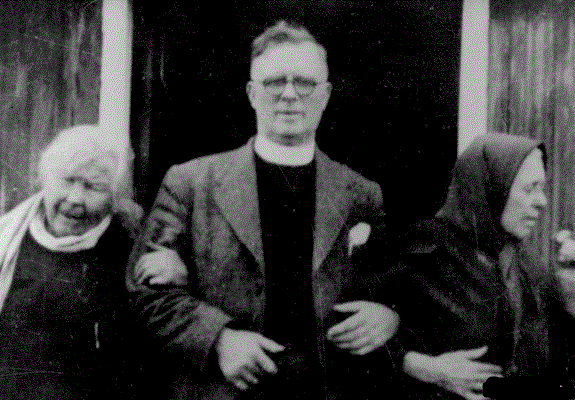
UKWells: The Church of Scotland and the Free Church had given out an instruction that everyone should pray for revival. This was not difficult for the people were well practised. Prayer was the basis of the 1934 and 1939 revivals. Prayer was woven into the very fabric of the church in Barvas and many spontaneous prayer meetings would start as Read more...
Favorite
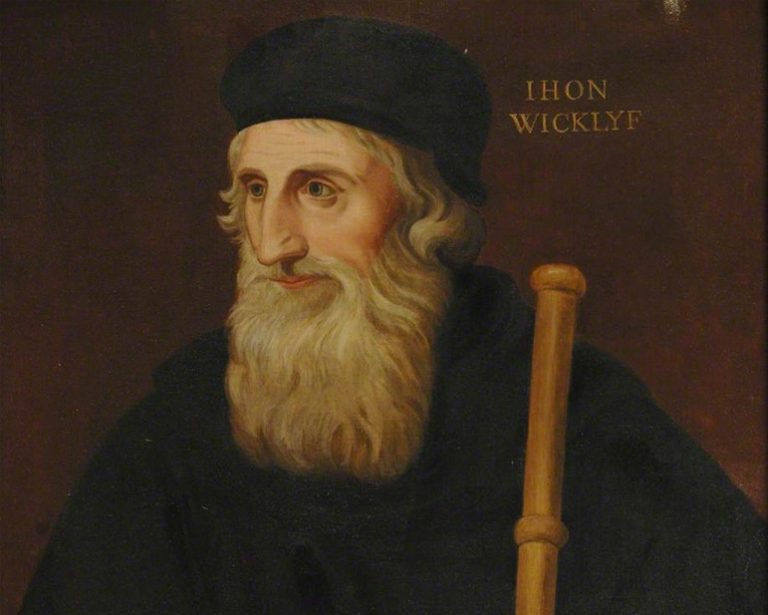
From the Lutterworth Museum: In 1374 this early church reformer was made Rector of Lutterworth as a royal reward for his diplomatic services. He appointed a curate to carry out his parochial duties while he preached sermons and wrote tracts, in Oxford and London, that threatened the doctrines of the Roman Church. The first translation of the Bible into English Read more...
Favorite
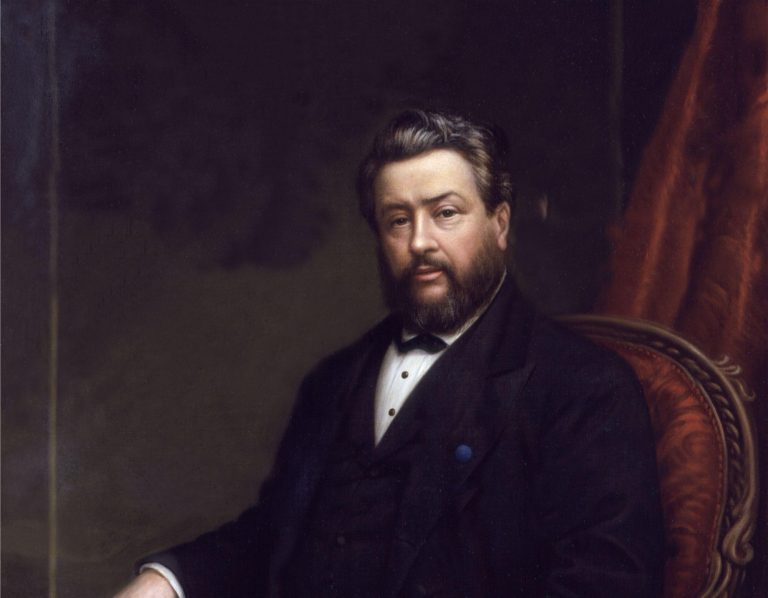
“However, from an historical viewpoint, this church is most famous for being the place where Charles Haddon Spurgeon – a very famous Victorian preacher – was converted in January 1850. As a lad of 15, Spurgeon was struggling up Hythe Hill in a snow blizzard one Sunday, trying to get to another church in Colchester. He realised he was not Read more...
Favorite
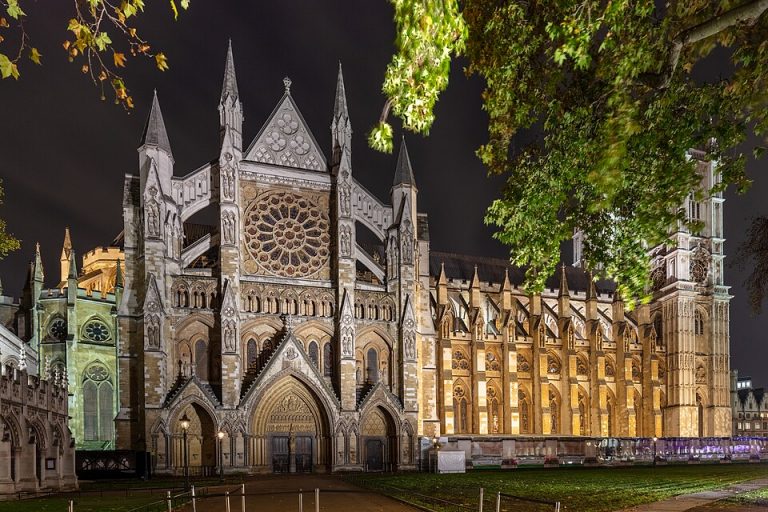
Behind me is Westminster Abbey, and of course, as you know, it has a tremendous history here in England. It’s a graveyard for about a thousand people, and 2,000 others are memorialized here. But someone buried in the Abbey and his burial there caused controversy, was Charles Darwin, who was born in 1809. He’s the one who wrote The Origin Read more...
Favorite
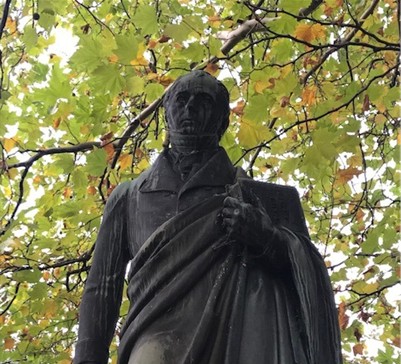
The James Montgomery Statue is a notable memorial located within the grounds of Sheffield Cathedral in Sheffield. It honors the life and legacy of James Montgomery (1771–1854), a respected poet, editor, and one of the most beloved hymn writers of the nineteenth century. James Montgomery was born in Irvine, Scotland, the son of Moravian missionaries. His early life was marked Read more...
Favorite
On July 17, 1854, Frances Ridley Havergal was confirmed at Worcester Cathedral. In the procession to Worcester Cathedral Ellen Wakeman was my companion. On reaching our seat very near the rails, I sunk on my knees, and for the first time to-day the thought of “whose I am” burst upon me, and I prayed “my God, oh, my own Father, Read more...
Favorite
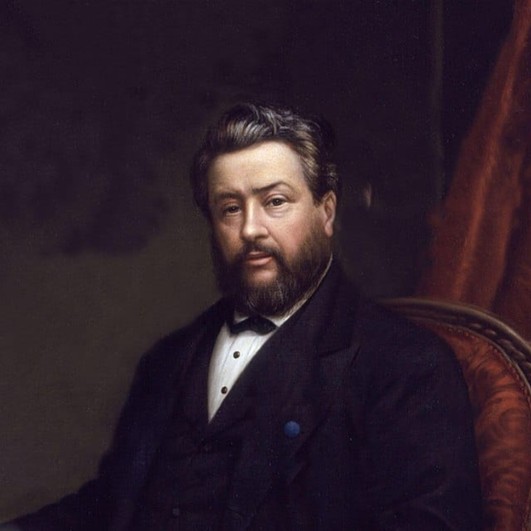
From the church: The great Victorian ‘Prince of Preachers’, Charles Haddon Spurgeon, began his ministry here at the Baptist church in Waterbeach. Every great venture of faith has to begin somewhere, and we are seeking to rekindle the passion and impact of Spurgeon’s ministry in our present-day community some 170 years later. Spurgeon always had a fond love and appreciation Read more...
Favorite
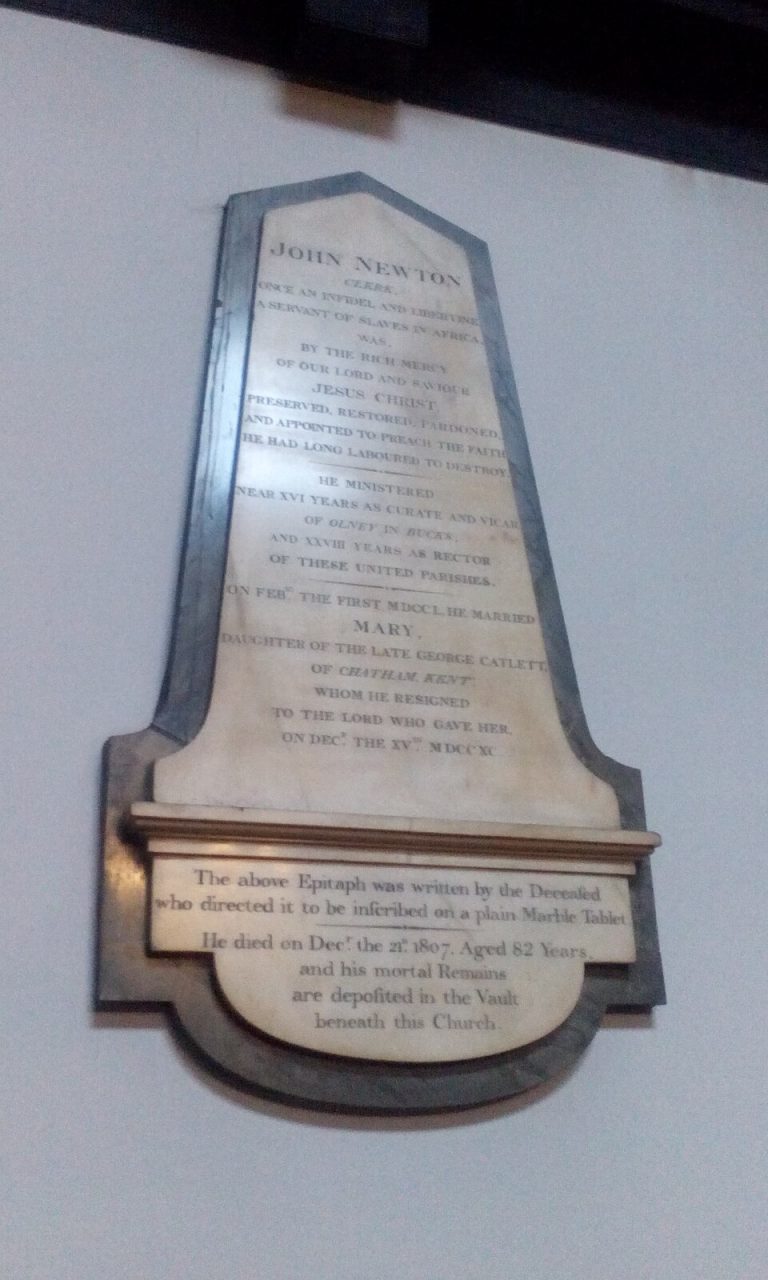
John Newton was the pastor here from 1780-1807. William Wilberforce was part of the congregation during that time. Even though he was originally buried here, around 1900 the City & South London Railroad was going to demolish the church for an Underground (subway) stop. The church remained due to public outcry, but the vault/crypt/cemetery was removed, and Newton’s body was Read more...

Favorite
From Wikipedia: The Cowper and Newton Museum is a museum in Olney, north Buckinghamshire, England, around 8 miles (13 km) north-east of Central Milton Keynes. Celebrating the work and lives of two famous local residents: William Cowper (1731–1800), a celebrated 18th-century poet; and John Newton (1725–1807), a slave trader and subsequently a prominent abolitionist, who was curate in the local church.[1] Together, Cowper and Newton wrote the Olney Hymns, including one of the world’s Read more...
Favorite
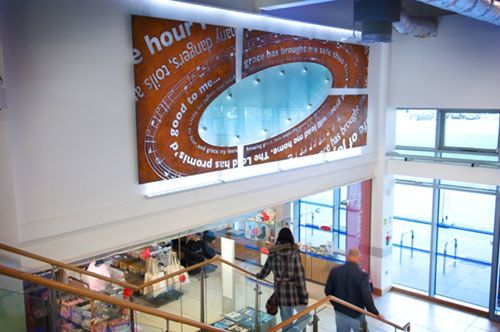
The memorial sculpture at the Mersey Ferry Terminal Pier Head stands as a thoughtful and reflective tribute inspired by the life of John Newton. Positioned along Liverpool’s historic waterfront, the work connects the city’s maritime heritage with a deeper moral narrative—one that acknowledges both the darkness of the past and the possibility of transformation. John Newton (1725–1807) is a figure Read more...
Favorite
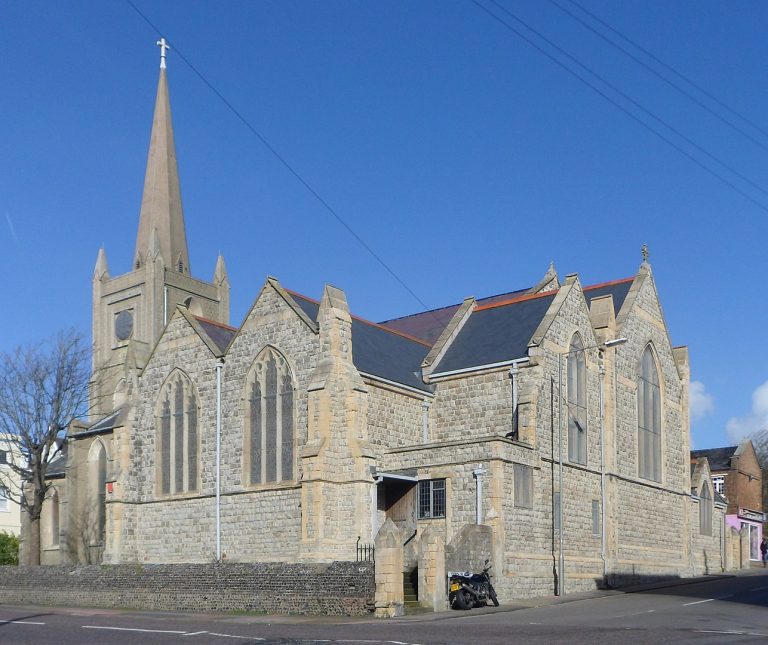
A past vicar, Rev. E.B. Elliott, was the father of Emily Elizabeth Steele Elliott. Emily wrote the popular Christmas hymn “Thou didst leave Thy throne” for the use of the church. Wikipedia: Among Christmas hymns designed for children, two popular ones were written by Elliott. One begins with the line, “There came a little child to earth,” which was popular Read more...
Favorite
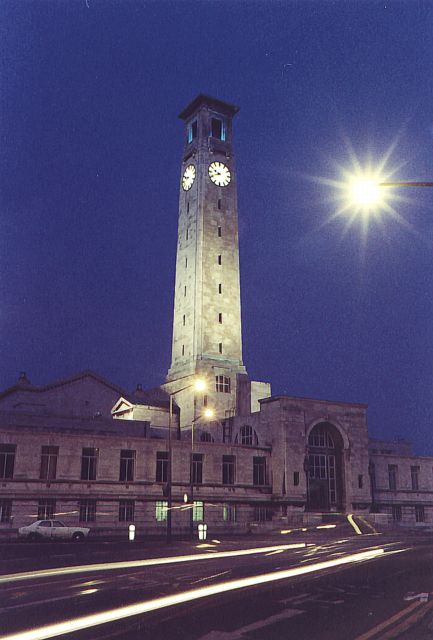
The Southampton Civic Centre stands as one of the most prominent architectural and cultural landmarks in Southampton. Serving as a hub for municipal administration, education, and the arts, the Civic Centre reflects the city’s growth in the twentieth century and its commitment to public life. The origins of the Civic Centre date to the interwar period, when Southampton sought to Read more...
Favorite
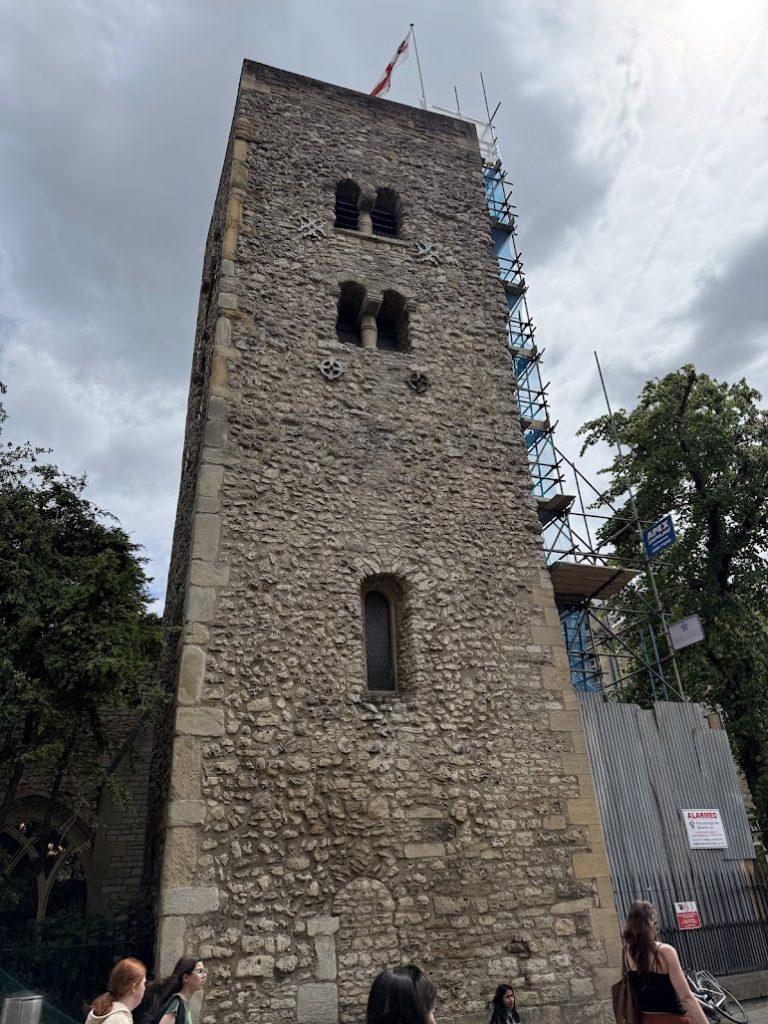
Erwin Lutzer in the Saxon Tower: I’m here in a very important room in Oxford, England. When Mary Tudor became the Queen, that was in 1553, she believed it was her responsibility to turn the clock back and to make England into a Catholic country again. To do this, she martyred a number of people, and the most famous three Read more...
Favorite
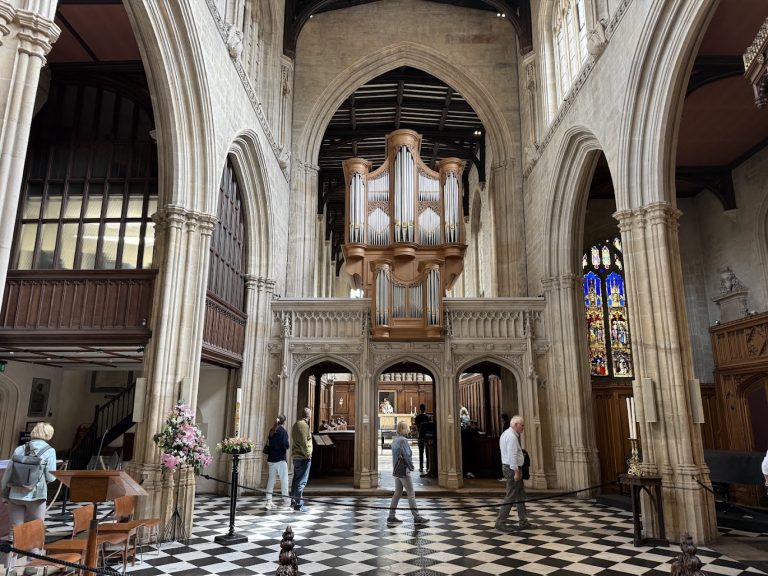
Erwin Lutzer at St. Mary’s Church: Some of us have just had the opportunity of visiting St. Mary’s Church here in Oxford, England, and we recounted the story of Bishop Cranmer, who was a Protestant and advanced the Protestant faith, eventually converted to Catholicism out of fear. He knew that Queen Mary wanted to kill him. And then here in Read more...
Favorite
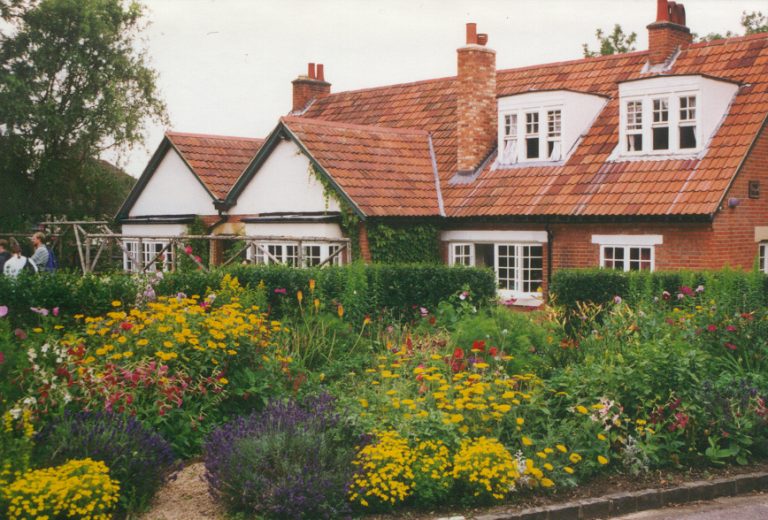
Hi, my name is Professor Jerry Root. I’ve spent my life studying C.S. Lewis. We’re sitting in the garden of C.S. Lewis’s Oxford home. It was called The Kilns, named after a brick kiln that was right next door to this house. And Lewis purchased the house in 1930 with his brother and a woman named Mrs. Moore, and he Read more...
Favorite
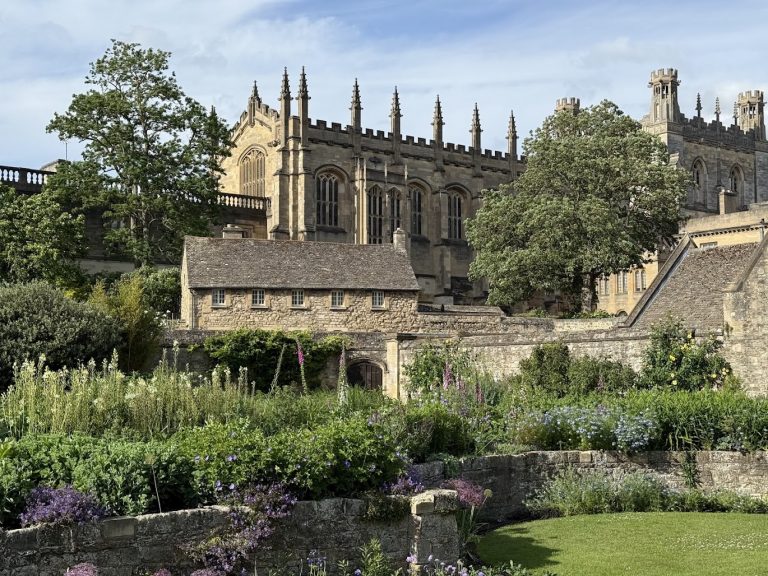
The “Holy Club” at Christ Church College in Oxford occupies an important place in the history of evangelical Christianity, particularly as the seedbed of what would later become the Methodist movement. Though the name “Holy Club” was originally intended as a term of mockery, it has since come to represent a sincere and disciplined effort among a small group of Read more...
Favorite
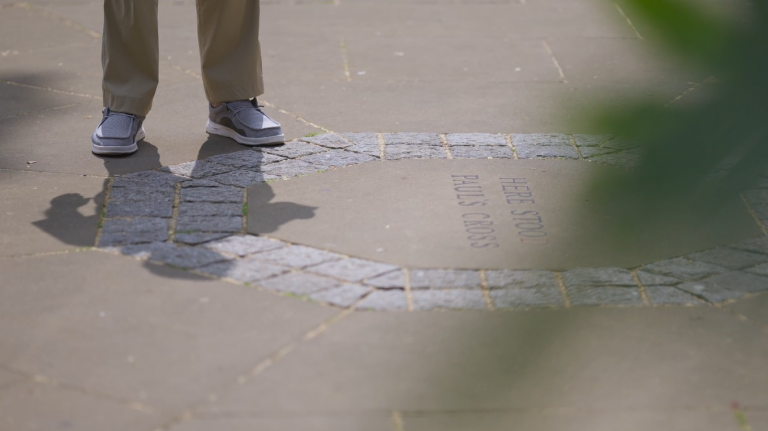
Erwin Lutzer at St. Paul’s Cathedral: Welcome to St. Paul’s Cathedral here in London, England. I’m standing at a very important place, a place that reminds us so clearly of the tremendous price that was paid for the Bible that we oftentimes take for granted. So what happened here, and why is this so important? You know, the Bible, as Read more...
Favorite
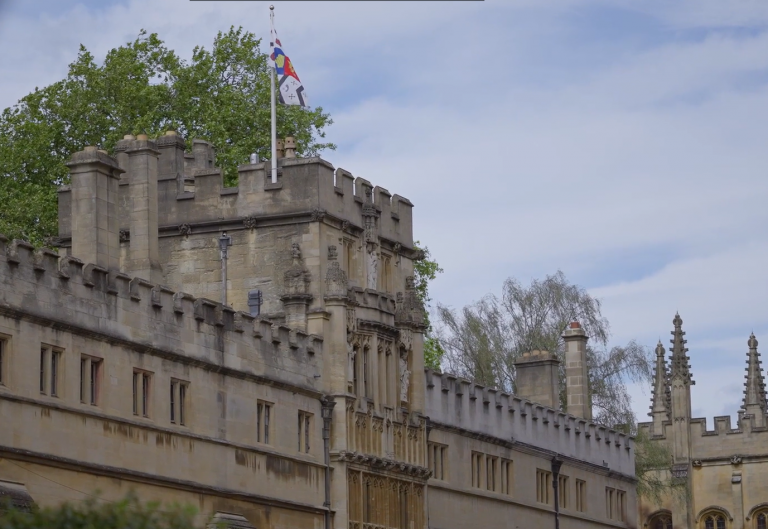
Erwin Lutzer at Balliol College: Behind me is one of the oldest colleges here in Oxford, England. It is called Balliol College. And our interest goes back to the time of Wycliffe, who was in charge of this college for one full year. And then, of course, he had to move on. Now, Wycliffe was a man who insisted that Read more...
Favorite
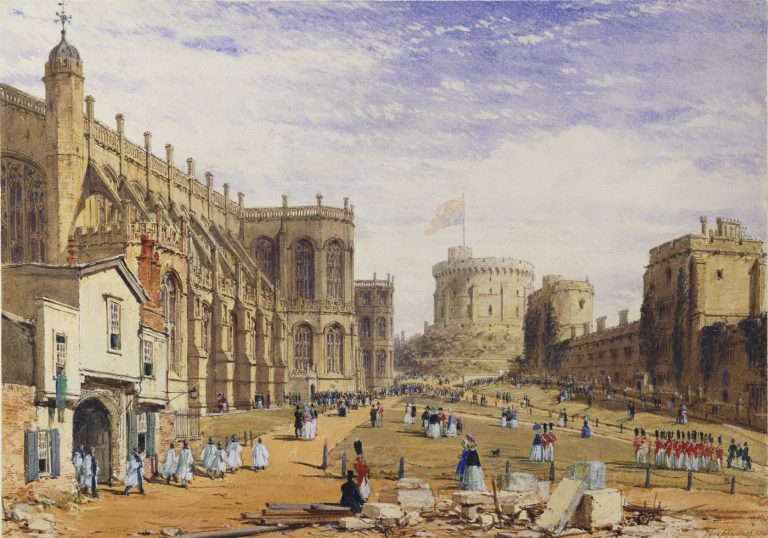
Erwin Lutzer on St. George Chapel & the Death of Henry VIII Behind me is St. George’s Chapel. It’s the place where Henry VIII is buried. When we follow his life, his six wives, two beheadings, we are brought to this place as a reminder of the fact that life comes to an end even to the most powerful and Read more...