Favorite
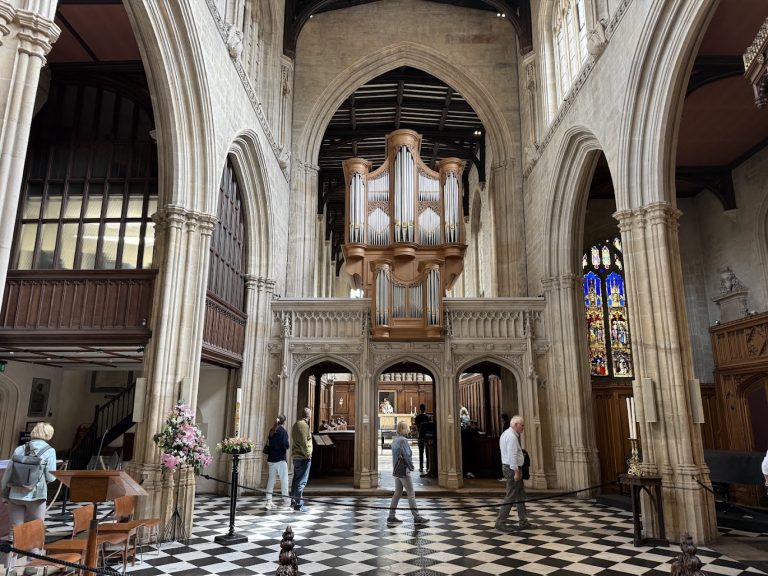
Erwin Lutzer at St. Mary’s Church: Some of us have just had the opportunity of visiting St. Mary’s Church here in Oxford, England, and we recounted the story of Bishop Cranmer, who was a Protestant and advanced the Protestant faith, eventually converted to Catholicism out of fear. He knew that Queen Mary wanted to kill him. And then here in Read more...
Favorite
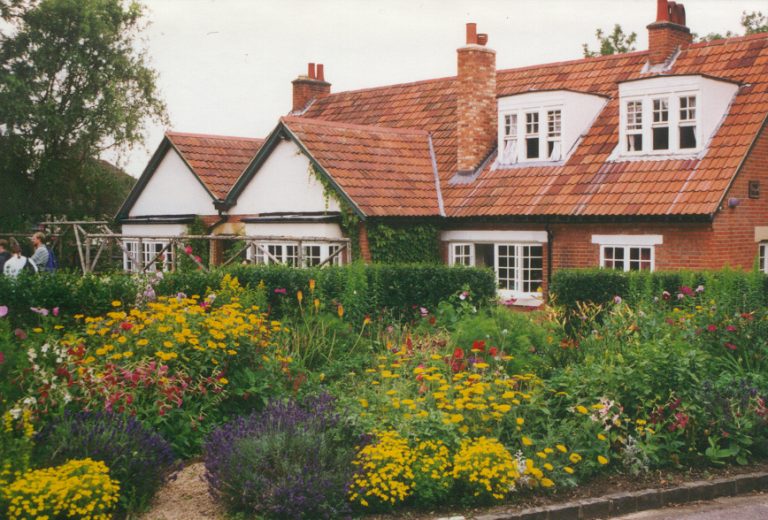
Hi, my name is Professor Jerry Root. I’ve spent my life studying C.S. Lewis. We’re sitting in the garden of C.S. Lewis’s Oxford home. It was called The Kilns, named after a brick kiln that was right next door to this house. And Lewis purchased the house in 1930 with his brother and a woman named Mrs. Moore, and he Read more...
Favorite
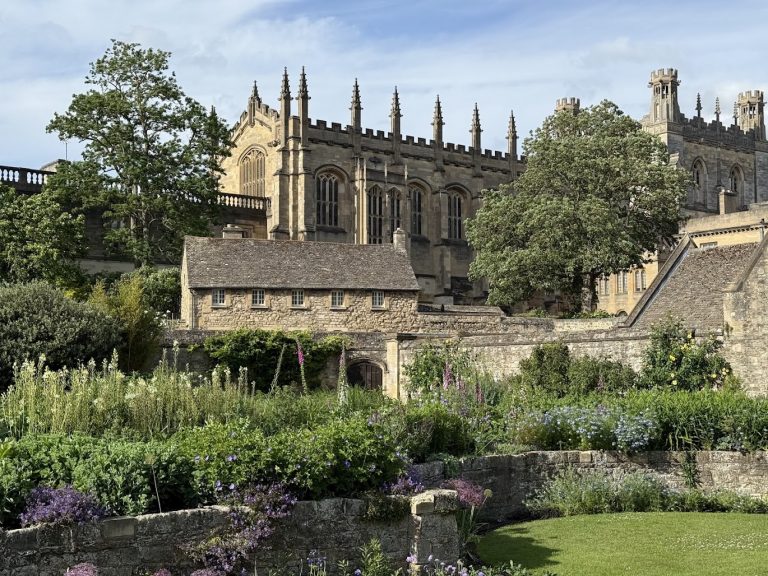
The “Holy Club” at Christ Church College in Oxford occupies an important place in the history of evangelical Christianity, particularly as the seedbed of what would later become the Methodist movement. Though the name “Holy Club” was originally intended as a term of mockery, it has since come to represent a sincere and disciplined effort among a small group of Read more...
Favorite
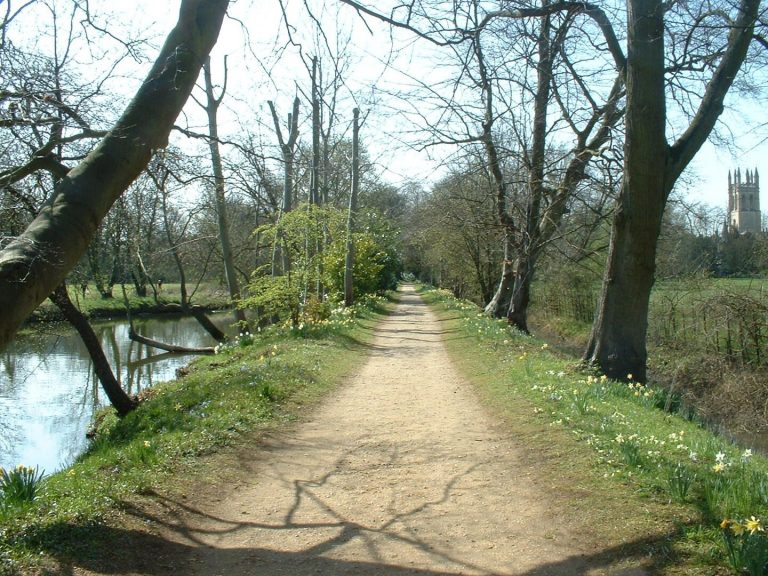
From ChurchAndCulture: On Saturday, September 19, 1931, Lewis invited two friends to dine with him in his rooms at Magdalen. One was a man by the name of Hugo Dyson, a lecturer in English Literature at Reading University. The other was Tolkien. On that fall evening, after they had dined, Lewis took his guests on a walk through the Magdalen Read more...
Favorite
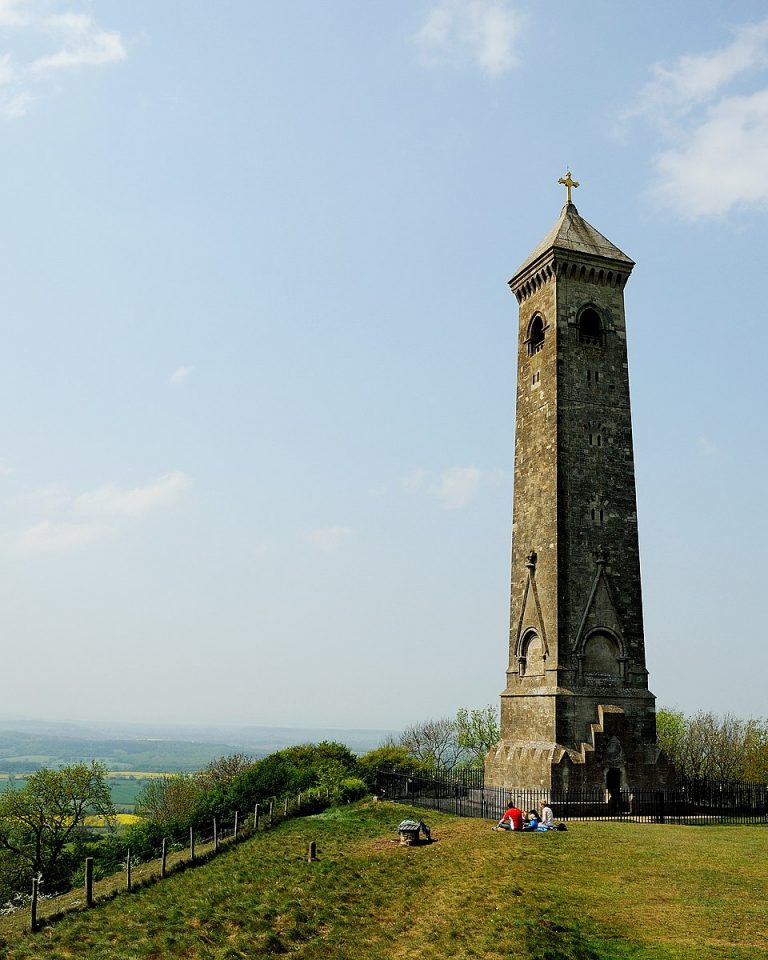
The Tyndale Monument stands as a prominent memorial to one of the most important figures in the history of the English Bible, William Tyndale. Situated on a hill overlooking the village of North Nibley, the monument rises high above the surrounding countryside and serves as a visible tribute to Tyndale’s enduring legacy. The monument was completed in 1866, more than Read more...
Favorite
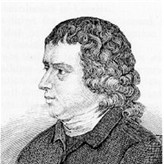
Hymn History: Come, Thou Fount of Every Blessing Author: Robert Robinson “For disentangling a subject from confusion, for the power of development, for genuine simplification, for invention — what writer ever surpassed Robinson of Cambridge?” (Edwin Hatfield) The Origin of the Hymn “Come, Thou Fount of Every Blessing” Among the hymns that have stood the test of centuries, Read more...
Favorite
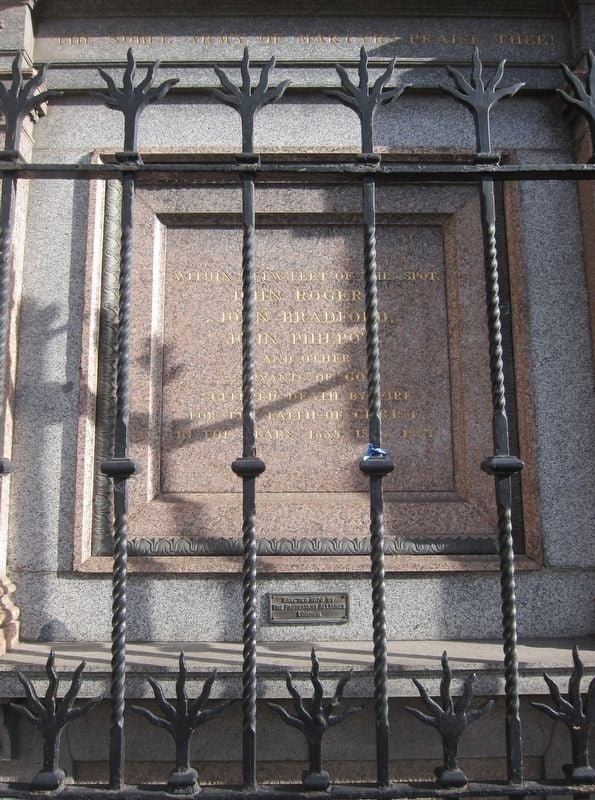
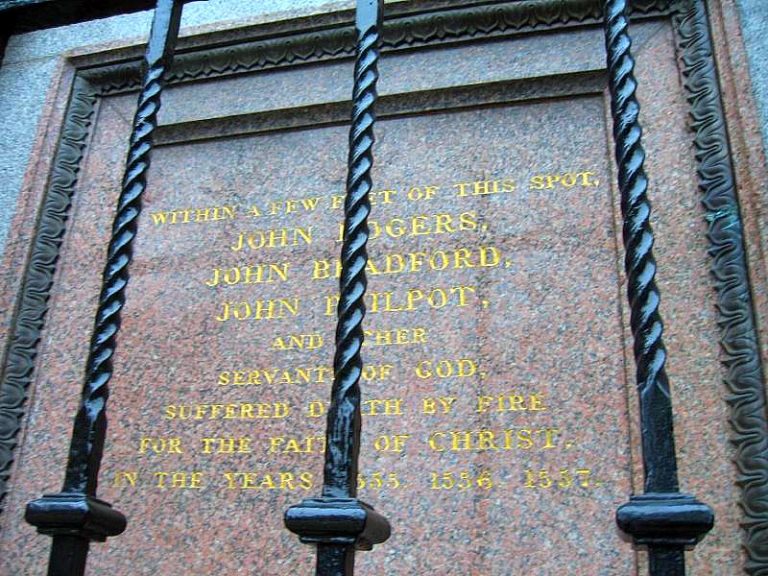
Inscription Within a few feet of this spot, John Rogers, John Bradford, John Philpot, and other servants of God, suffered death by fire for the faith of Christ, in the years 1555, 1556, 1557. _____ The Marian Persecutions represent one of the most dramatic and tragic chapters in the history of the English Reformation. During the reign of Mary I Read more...
Favorite
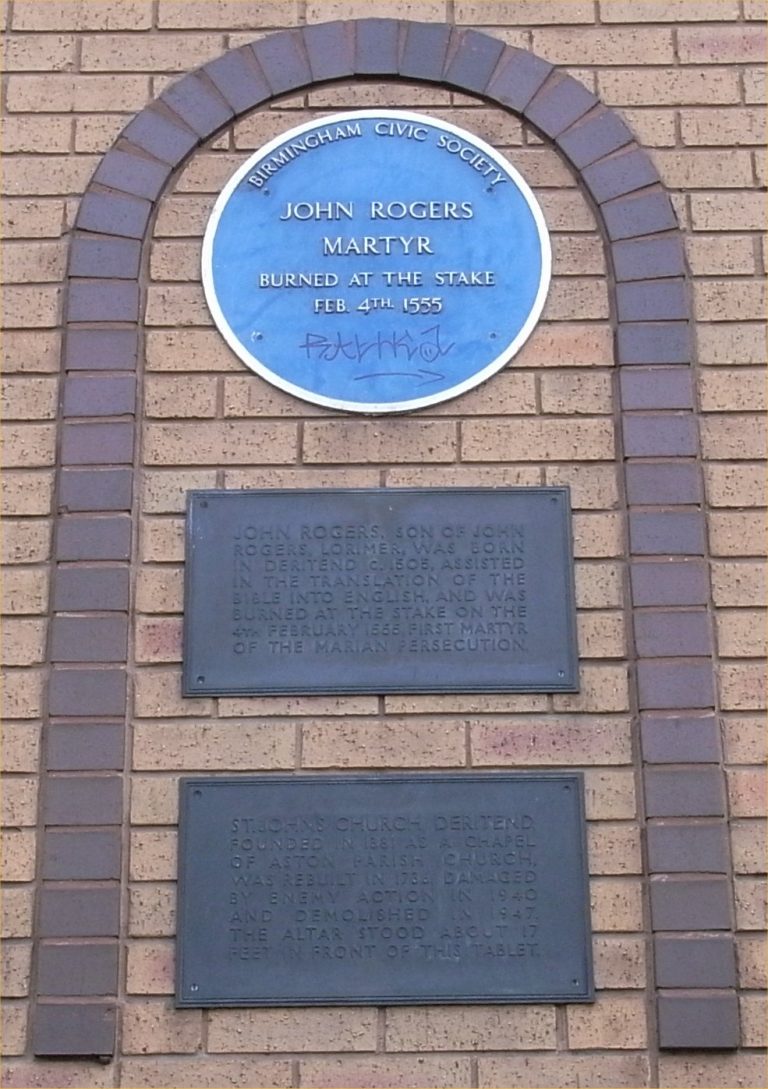
John Rogers (c. 1500–1555) was one of the earliest and most notable martyrs of the English Reformation. A committed Protestant preacher and Bible translator, Rogers became the first individual executed for his faith during the reign of Mary I of England. His courage in the face of persecution made him an enduring symbol of Protestant conviction in sixteenth-century England. Rogers Read more...
Favorite
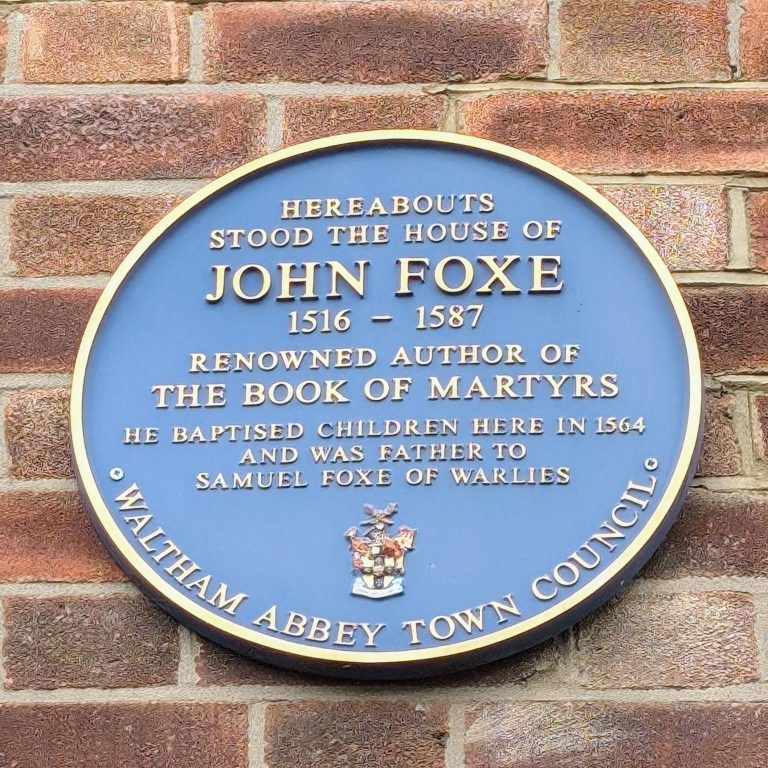
John Foxe (1516–1587) was an English historian and Protestant writer best known for his influential work documenting the suffering of Christians during periods of religious persecution. His writings played an important role in shaping Protestant identity in England and preserving the memory of those who died for their faith during the English Reformation. Foxe was born in 1516 in Boston. Read more...
Favorite
The Smithfield Martyrs Memorial stands as a solemn reminder of the religious conflicts that marked the English Reformation. Located in London near the historic district of Smithfield Market, the memorial commemorates the Protestant men and women who were executed there during the reign of Mary I of England in the mid–sixteenth century. Smithfield had long been an open area outside Read more...
Favorite
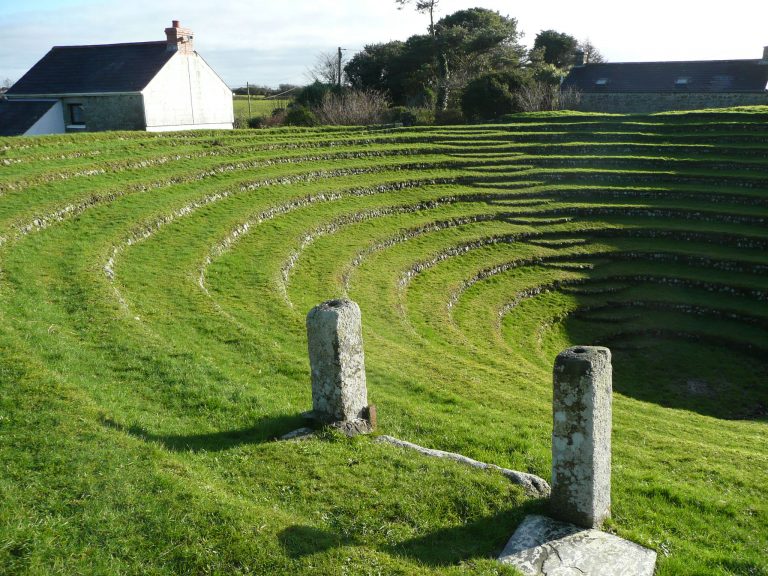
Thanks to Sarah (friend of the site) for finding this and noting the Wikipedia article: On 6 September 1762 John Wesley came to Gwennap and attracted a great crowd of copper tin miners. Unfortunately the day was very windy and Wesley could not make himself heard. Someone suggested the shelter of Gwennap Pit, about 1.5 miles away, so the whole Read more...
Favorite
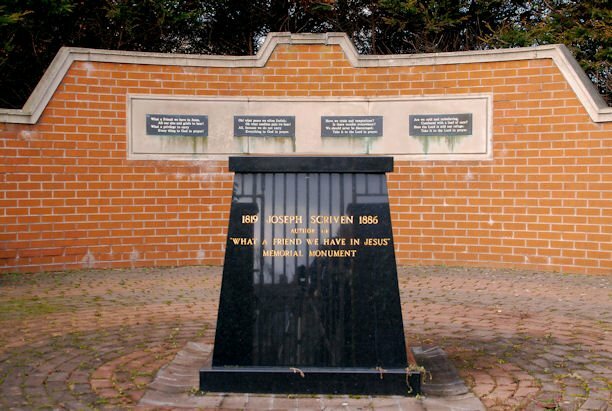
Hymn History: What a Friend We Have in Jesus Author: Joseph Scriven “He was a man of strong faith and deep humility, giving away what he had and working without pay for those in need.” (James Cleland) The Origin of the Hymn “What a Friend We Have in Jesus” Few hymns have offered more quiet comfort to ordinary Christians Read more...
Favorite
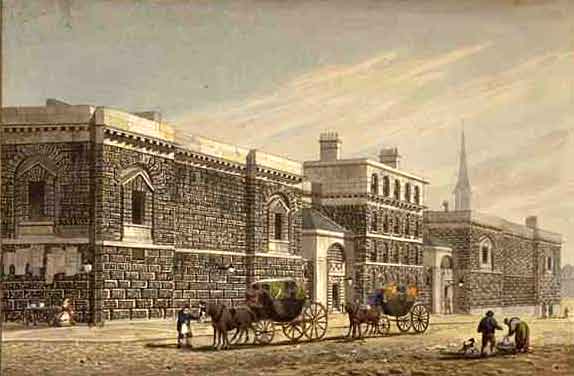
Newgate Prison was one of the most infamous prisons in London, serving as a central institution in the English system of law and punishment for over 700 years. Located near the Old Bailey, it became synonymous with crime, justice, and the harsh realities of pre-modern imprisonment. The origins of Newgate Prison date back to the twelfth century, when it was Read more...
Favorite
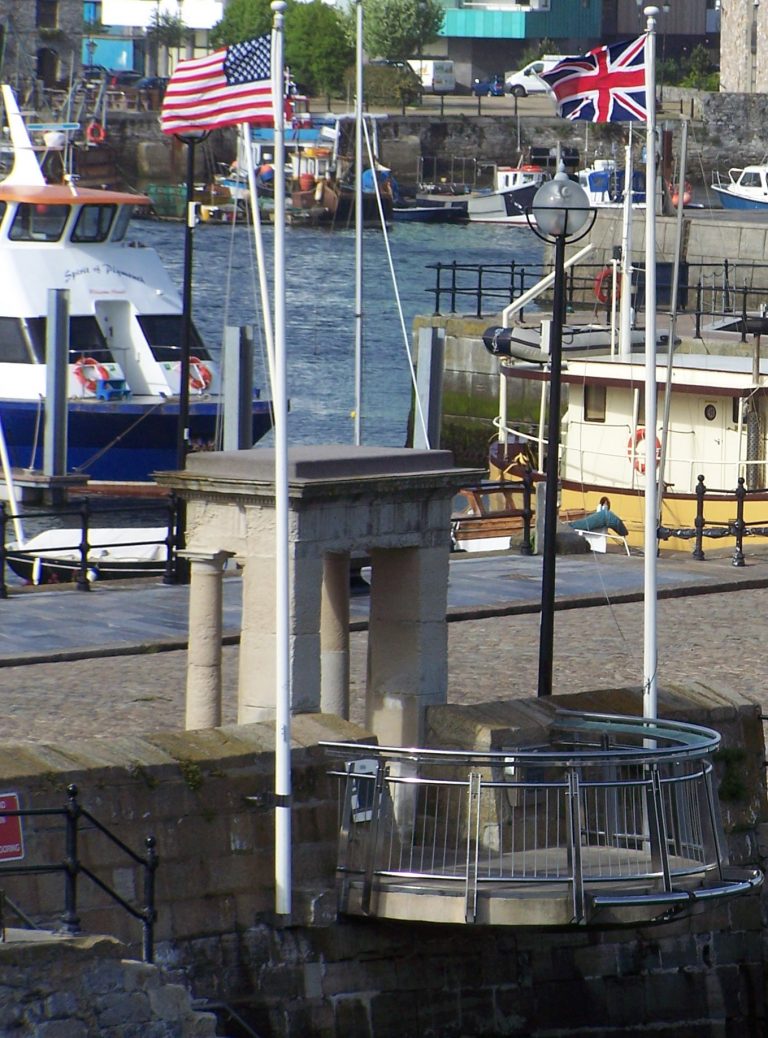
The Mayflower Steps Memorial in Plymouth is a commemorative site marking one of the most significant departures in early American colonial history. It honors the voyage of the Pilgrims aboard the ship Mayflower, which set sail in 1620 carrying English Separatists seeking religious freedom in the New World. The memorial stands on the historic Barbican waterfront, traditionally believed to be Read more...
Favorite
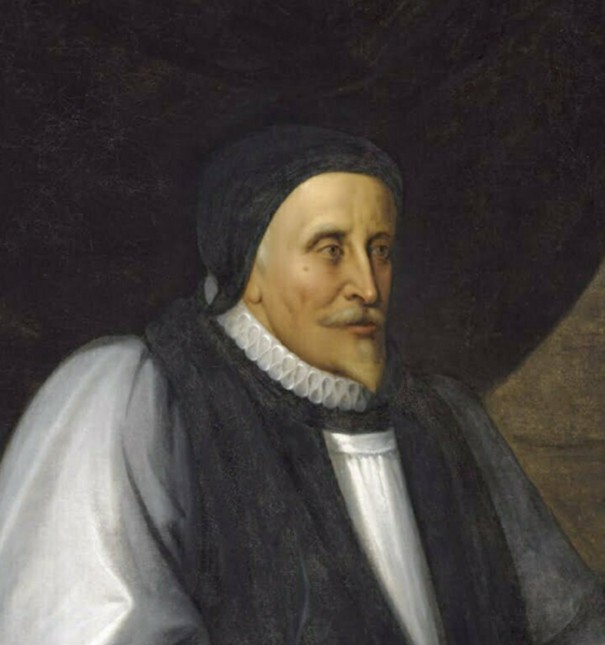
Lancelot Andrewes (1555–1626) was one of the most learned and influential churchmen of early modern England. A leading figure in the development of Anglican theology and a principal contributor to the translation of the King James Bible, Andrewes combined deep scholarship with pastoral devotion, shaping both the language of English Scripture and the identity of the post-Reformation Church. Andrewes was Read more...
Favorite
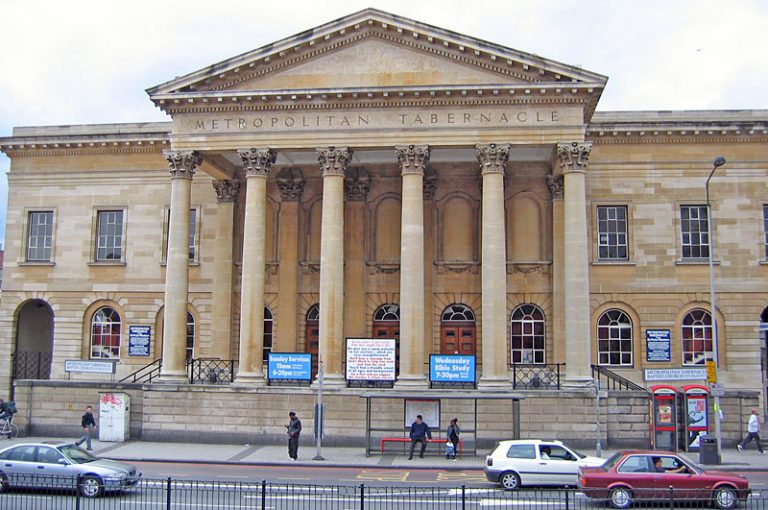
Watch Douglas Whitley as Spurgeon: The Metropolitan Tabernacle in London is one of the most influential Baptist churches in the history of English Nonconformity. Closely associated with the ministry of Charles Haddon Spurgeon, it became a center of evangelical preaching in the nineteenth century and remains an active congregation today. The origins of the Metropolitan Tabernacle trace back to Read more...
Favorite
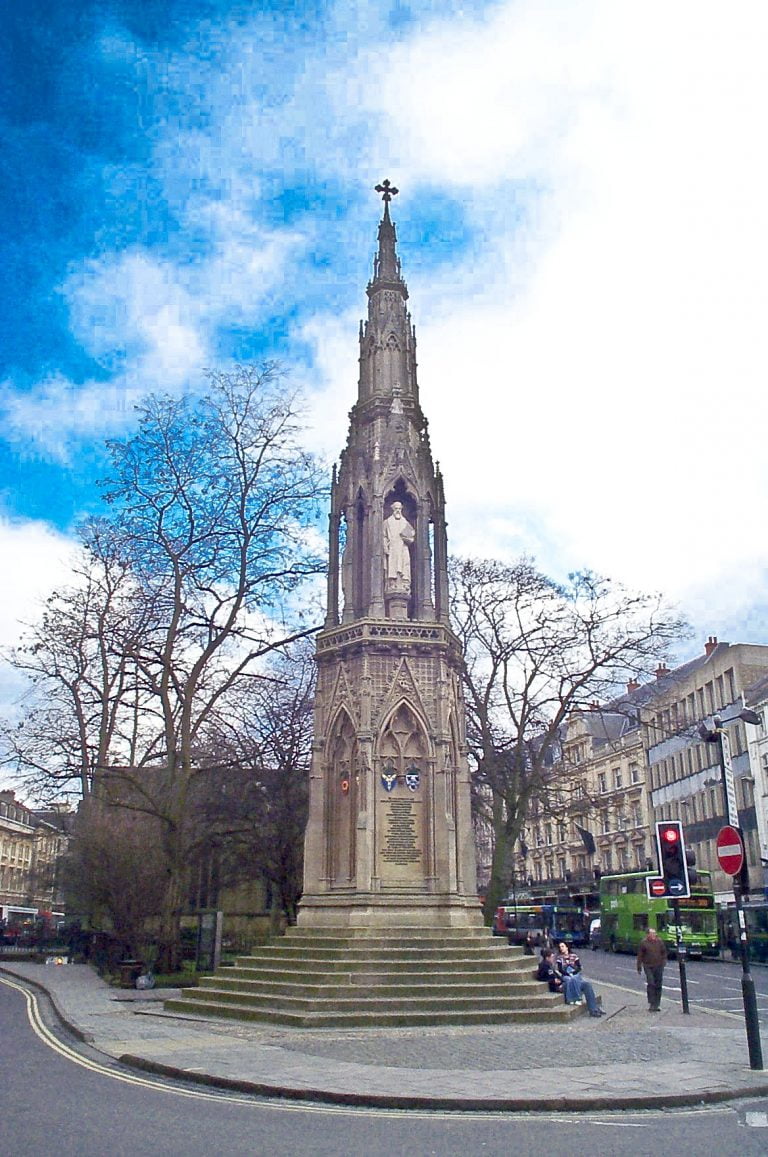
The Martyrs’ Memorial in Oxford is one of the most prominent Victorian monuments in England, commemorating three key figures of the English Reformation: Hugh Latimer, Nicholas Ridley, and Thomas Cranmer. The memorial stands as a striking reminder of the religious upheavals of the sixteenth century and the profound costs associated with doctrinal change in England. The monument was completed in Read more...
Favorite
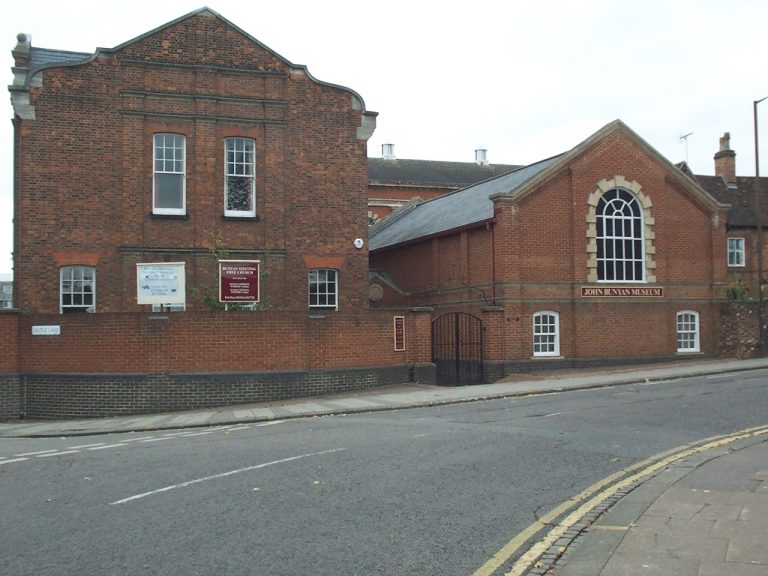
The Bunyan Meeting Free Church and the adjacent John Bunyan Museum together form one of the most important historic Nonconformist sites in Bedford. Closely associated with the life and legacy of John Bunyan, they preserve the story of a congregation shaped by religious dissent, literary achievement, and a long commitment to freedom of conscience. The Bunyan Meeting House traces its Read more...
Favorite
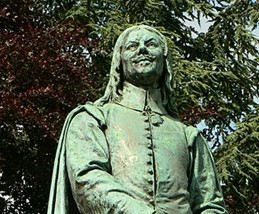
John Bunyan Statue stands prominently in the market town of Bedford, commemorating one of England’s most beloved religious writers, John Bunyan. The statue not only honors Bunyan’s literary achievement but also reflects the enduring influence of his life, his faith, and his role in the history of religious dissent. John Bunyan (1628–1688) is best known for his classic work The Read more...
Favorite
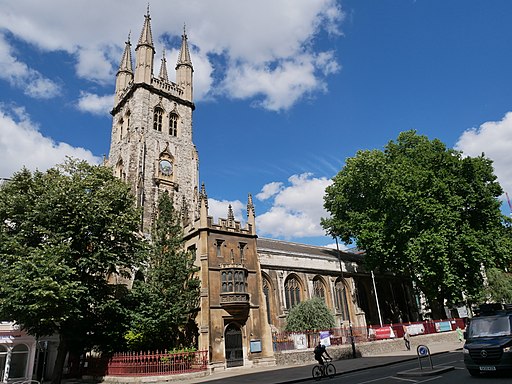
St Sepulchre-without-Newgate, often called the Church of the Holy Sepulchre without Newgate, is one of the most historically significant parish churches in London. Standing near the site of the old Newgate Prison and close to the Old Bailey, it has long been associated with the administration of justice, mercy, and the spiritual care of those facing death. The origins of Read more...