Favorite
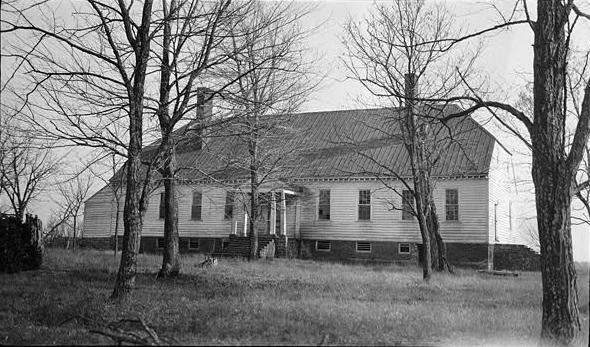
The Scotchtown is one of the most significant historic homes associated with Patrick Henry, offering a valuable glimpse into the private life of one of America’s most influential voices for liberty. Located in Hanover County, Virginia, Scotchtown served as Henry’s residence from 1771 to 1778, a crucial period that included the opening years of the American Revolution. Originally built around Read more...
Favorite
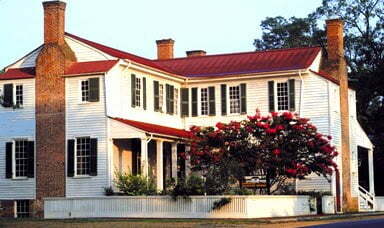
The Hanover Tavern is one of Virginia’s most storied colonial landmarks, closely associated with the early life and career of Patrick Henry. Situated just a short distance from the historic Hanover County Courthouse, the tavern played an important role in the civic and social life of eighteenth-century Virginia and served as a formative setting for one of America’s most celebrated Read more...
Favorite
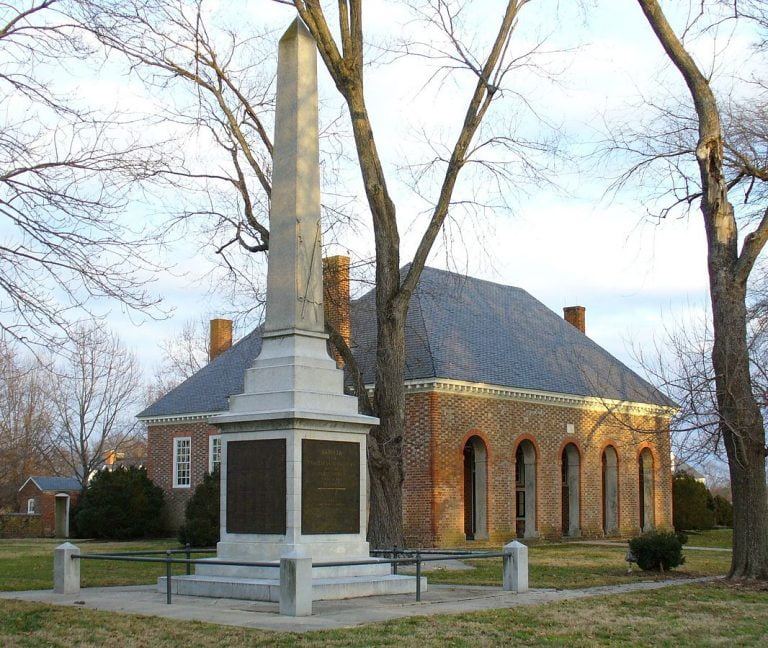
The Hanover County Courthouse occupies an important place in American history as the setting for one of the earliest and most influential public stands taken by Patrick Henry. Long before his famous speech at St. John’s Church, Henry rose to prominence within this courthouse, where his bold defense of colonial rights helped lay the groundwork for the spirit of resistance Read more...
Favorite
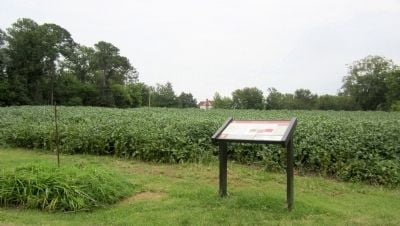
Only archaeological remnants of Studley survive today, but in the 18th century this was the site of an impressive two-story brick house. Studley was built by John Syme in the 1720s for his wife Sarah Winston. After his death, she married John Henry. The couple’s nine children were born at the house, including their son, Patrick Henry, who was born Read more...
Favorite
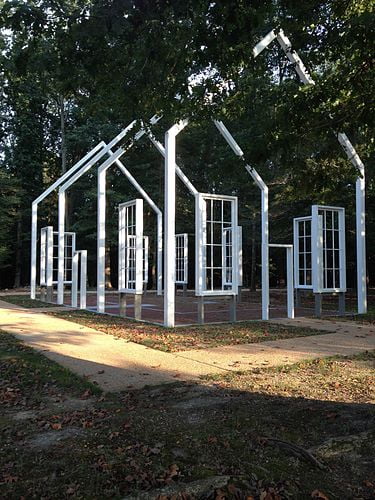
Samuel Davies was born in Delaware, trained in Pennsylvania, and at 23 years of age, a missionary to Virginia. He was a “New Light” Presbyterian (like George Whitfield) that taught salvation by grace alone, thru a personal conversion that resulted in a Romans 12:2 transformation. He arrived in Hanover County, Virginia, and took Samuel Morris’ reading houses (such as we Read more...
Favorite
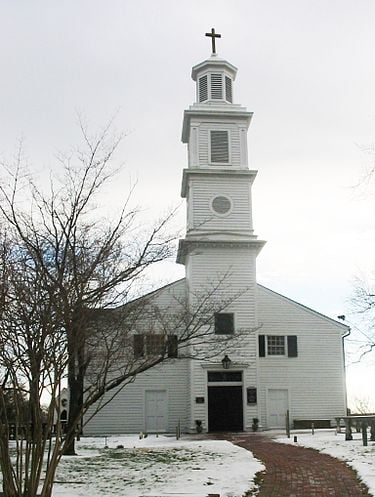
The St. John’s Church in Richmond, Virginia, holds a distinguished place in American history as the site of one of the most famous speeches in the struggle for independence. It was within this modest colonial church that Patrick Henry delivered his stirring call for resistance to British rule, forever linking the building to the birth of American liberty. St. John’s Read more...
Favorite
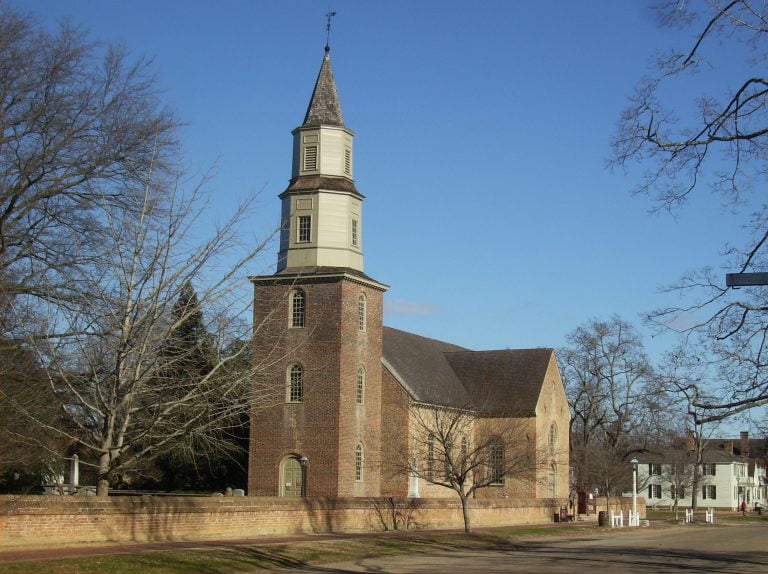
The Bruton Parish Church is one of the most historically significant churches in the United States, serving as a living link between colonial Virginia, the American Revolution, and modern American heritage. Founded in the late seventeenth century, it has stood at the center of civic, political, and religious life in Williamsburg for more than three centuries. The parish was established Read more...
Favorite
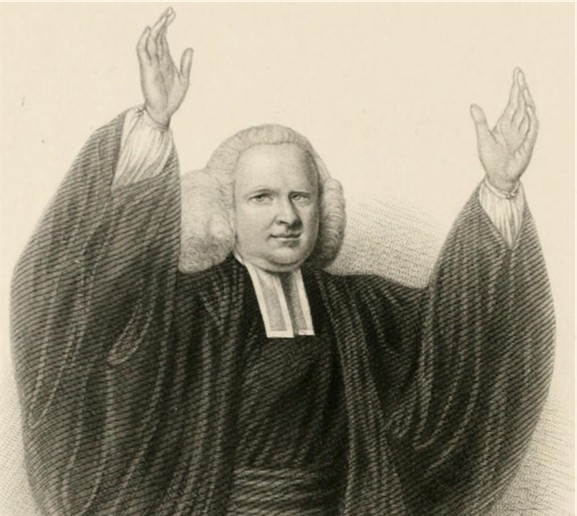
George Whitefield, the renowned eighteenth-century preacher and leading figure of the First Great Awakening, was known not only for his powerful sermons but also for his willingness to confront what he believed were moral and spiritual dangers in everyday life. Among the many stories that circulated about his ministry is the account of his interrupting—or “breaking up”—a public dance, an Read more...
Favorite
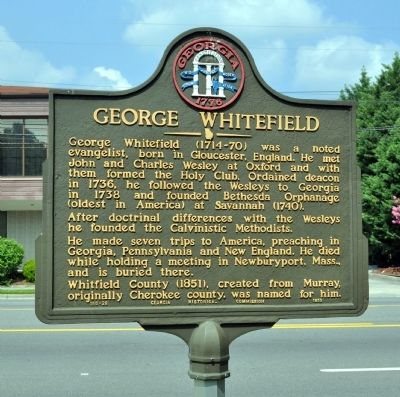
George Whitefield (1714–1770) was one of the most influential preachers of the eighteenth century and a central figure in the transatlantic revival known as the First Great Awakening. His powerful oratory, tireless travels, and deep concern for the spiritual condition of ordinary people helped reshape Protestant Christianity in both Britain and the American colonies. Whitefield was born in Gloucester, England, Read more...
Favorite
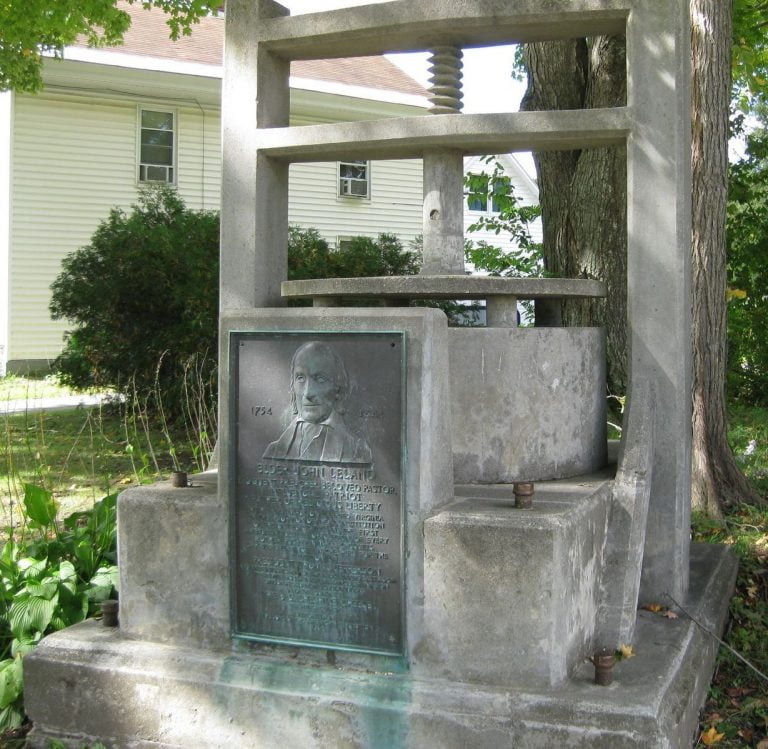
The Cheshire Mammoth Cheese stands as one of the most unusual and memorable episodes in early American history, symbolizing both political support and the principle of religious liberty. Created in the small town of Cheshire, Massachusetts, this enormous wheel of cheese became a national sensation and a powerful expression of goodwill toward President Thomas Jefferson. The story begins in 1801, Read more...
Favorite
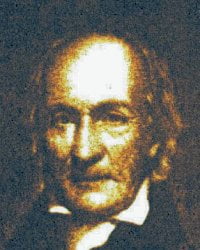
John Leland (1754–1841) was one of the most influential Baptist preachers and advocates for religious liberty in early American history. Known for his plainspoken preaching, independent spirit, and unwavering defense of freedom of conscience, Leland helped shape the emerging nation’s understanding of the proper relationship between church and state. Leland was born in Grafton, Massachusetts, and raised in a Congregationalist Read more...
Favorite
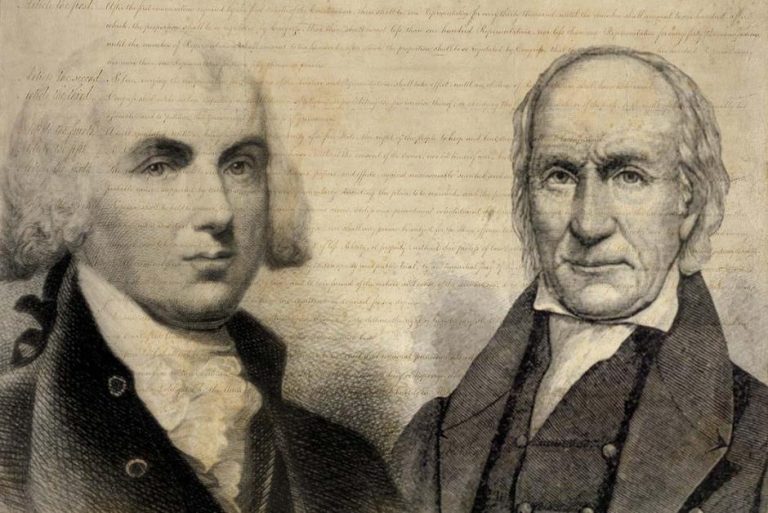
The meeting between John Leland and James Madison stands as a notable moment in the early history of American religious liberty. Though surrounded by some elements of tradition and later retelling, the encounter symbolizes a real and consequential alliance between Baptist advocates of religious freedom and the political leaders who would shape the United States Constitution. John Leland, a prominent Read more...

Favorite
At Williams College (Congregational), a twelve-foot-high marble monument, called the Haystack Prayer Meeting Memorial, commemorates “The Birthplace of American Foreign Missions 1806,” out of which came Baptists Adoniram Judson and Luther Rice. See the section, “Haystack Prayer Meeting at Williams College (1806),” in Chapter 17. Copyrighted and used by permission from David Beale, Baptist History in England and America: Personalities, Positions, and Read more...
Favorite
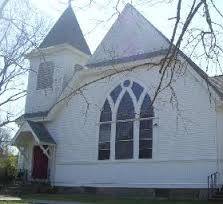
The First Baptist Church of North Middleboro represents a significant chapter in the development of Baptist life in New England. Rooted in the religious ferment of the eighteenth century, the church emerged during a time when questions of faith, authority, and liberty were reshaping the spiritual landscape of colonial America. The origins of the church can be traced to the Read more...
Favorite
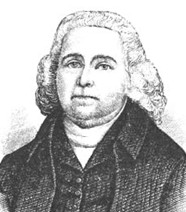
Isaac Backus (1724–1806) stands as one of the most influential Baptist leaders in early American history, particularly known for his tireless advocacy of religious liberty. A pastor, historian, and public spokesman, Backus played a crucial role in shaping the relationship between church and state in the formative years of the United States. Backus was born in Norwich, Connecticut, into a Read more...
Favorite
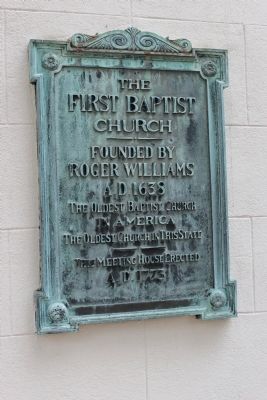
The First Baptist Church in America holds a distinguished place in American religious history as the oldest Baptist congregation in the United States. Founded in 1638, its story is closely tied to the life and convictions of Roger Williams, whose commitment to liberty of conscience helped shape the spiritual and political landscape of the nation. Roger Williams established the church Read more...
Favorite
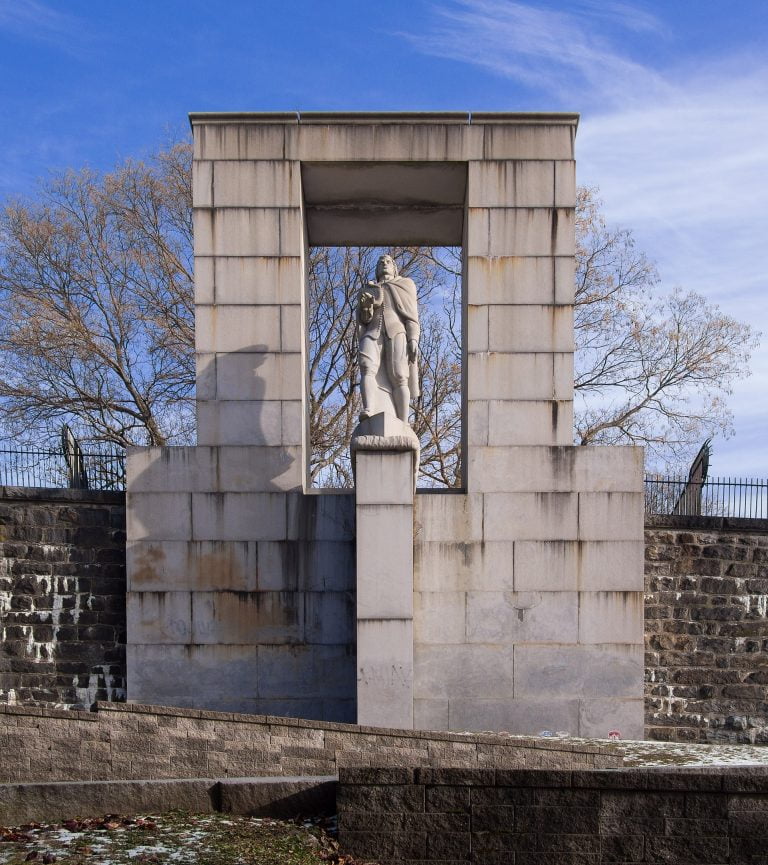
The Roger Williams National Memorial preserves one of the most meaningful historic sites in early American religious history: the resting place and memorial statue of Roger Williams. Both the statue and the story of his ashes reflect not only the life of a remarkable man but also the enduring ideals of liberty of conscience and separation of church and state. Read more...
Favorite
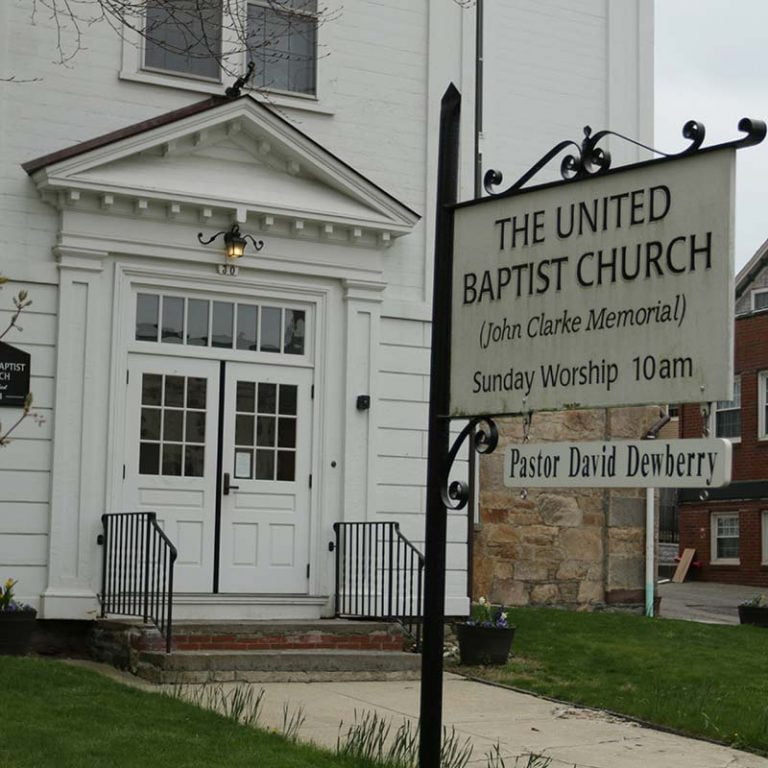
The United Baptist Church in Newport stands among the oldest Baptist congregations in the United States, with roots reaching back to the mid-seventeenth century. Its history reflects not only the development of Baptist life in America but also the broader struggle for religious liberty that helped shape the nation’s identity. The church traces its origins to the 1630s and 1640s, Read more...
Favorite
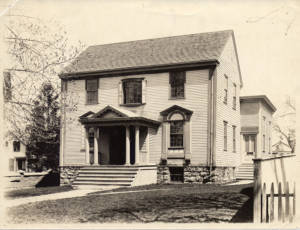
Newport Historical Society is one of the oldest historical organizations in the United States, dedicated to preserving and interpreting the rich past of Newport. Founded in 1854, the society has played a central role in safeguarding the city’s heritage, which spans colonial settlement, religious diversity, maritime trade, and the American Revolution. Newport itself was established in 1639 by settlers seeking Read more...
Favorite
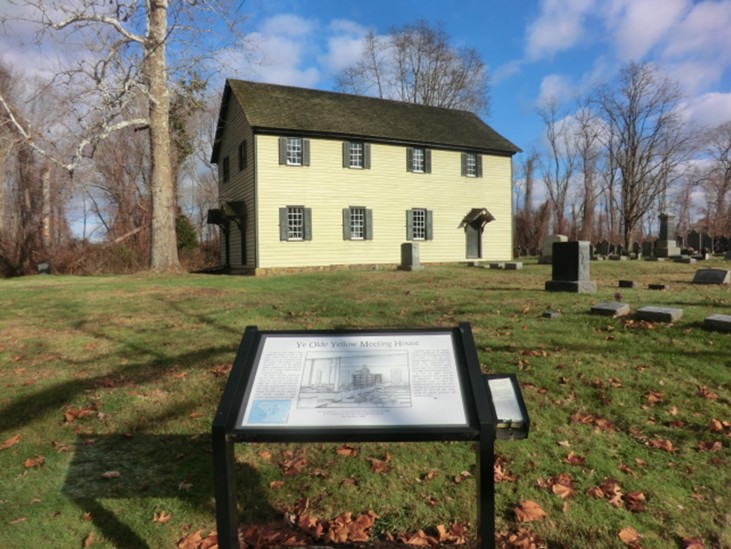
Ye Olde Yellow Meeting House, located on Yellow Meetinghouse Road, off Route 526, dates to about 1737. Its earliest records, beginning in 1766, are in a 165-page handwritten “Church Book: Giving an Account of ye First Settlement & Progress of the Baptists at Crosswicks, or Upper Freehold.” In 1766, its forty-seven members organized into Crosswicks Baptist Church. In 1773, its Read more...