Favorite
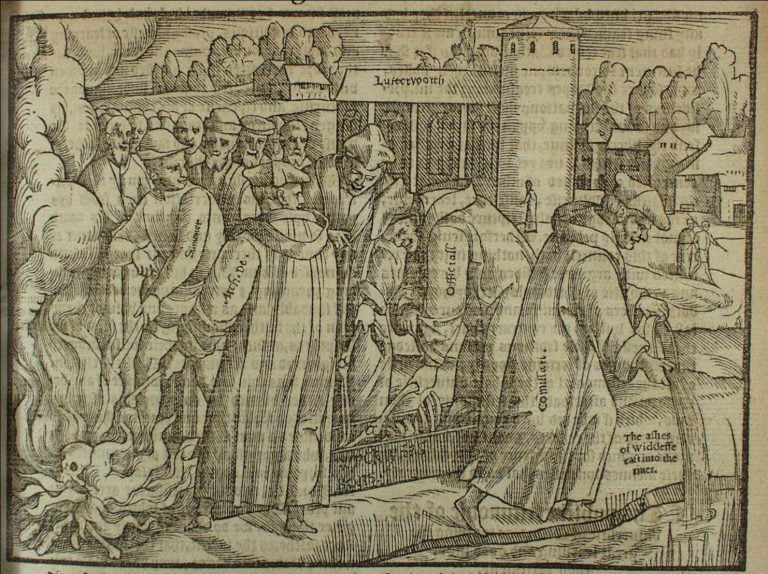
The exhumation and burning of John Wycliffe’s remains is one of the most striking episodes in the history of the late medieval church. Though John Wycliffe had died peacefully in 1384, decades later his body was exhumed, burned, and his ashes scattered—a symbolic act intended to condemn his teachings and erase his influence. Instead, the event only strengthened his legacy. Read more...
Favorite
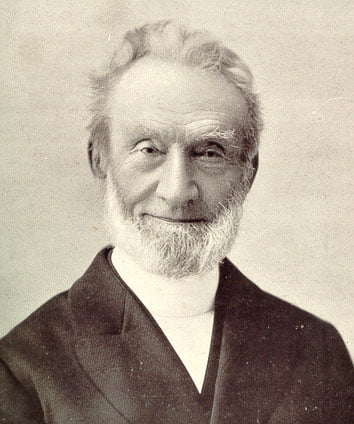
Erwin Lutzer previews the museum: Watch Douglas Whitley as George Muller: The George Müller Museum is a small but deeply meaningful historical site that preserves the life and legacy of George Müller, one of the most influential figures in nineteenth-century Christian philanthropy. Located in Bristol, the museum is housed within one of the original orphan homes established by Müller, making Read more...
Favorite
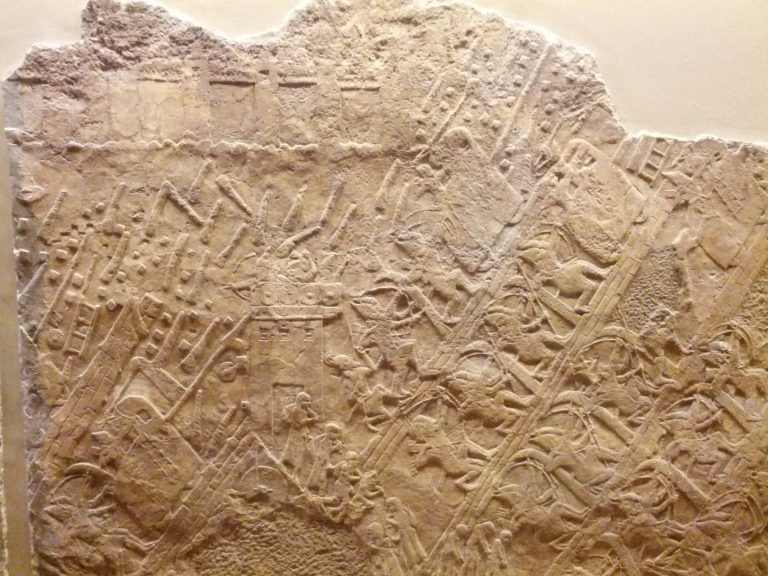
In Joshua 10, Japhia, king of Lachish joined with Adoni-zedek, king of Jerusalem to fight against Joshua. He was one of the “Five Kings of the Amorites” that was defeated by Joshua – on the day that the sun stood still (Joshua 10:13). Japhia, king of Lachish, hid in the cave at Makkedah, and was slain by Joshua (Joshua 10:26). Read more...
Favorite
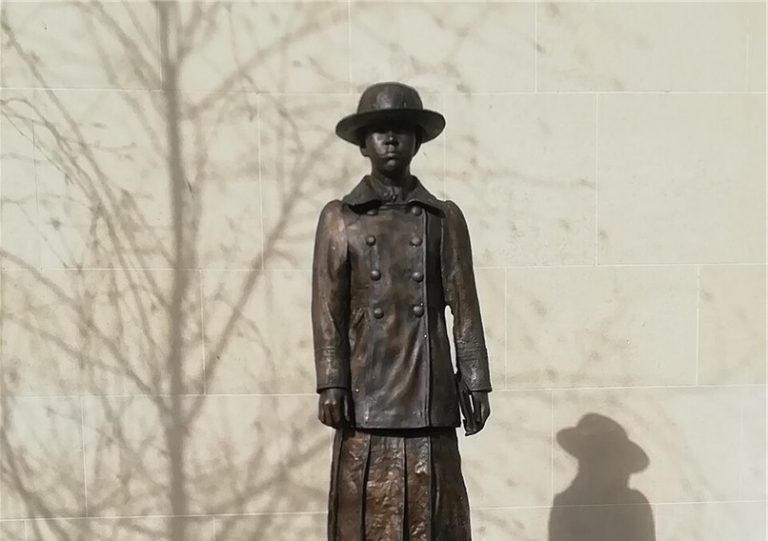
The statue of Amy Carmichael in India stands as a lasting tribute to a life of service devoted to children rescued from exploitation and abandonment. Located in the region of Dohnavur, the memorial reflects both the historical legacy of Carmichael’s work and the enduring influence of the community she helped establish. Amy Carmichael arrived in India in the late nineteenth Read more...
Favorite
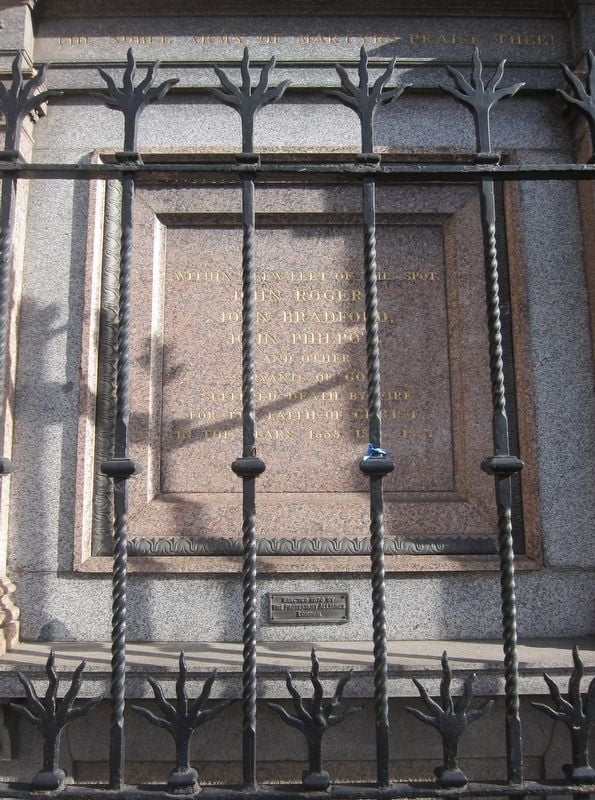
The Rogers Bradford and Philpot Memorial in London stands as a solemn tribute to three Protestant martyrs of the sixteenth century—John Rogers, John Bradford, and John Philpot. Located in Smithfield, a historic area long associated with public executions, the memorial marks a site where faith, conviction, and sacrifice intersected during one of England’s most turbulent religious periods. The story behind Read more...
Favorite
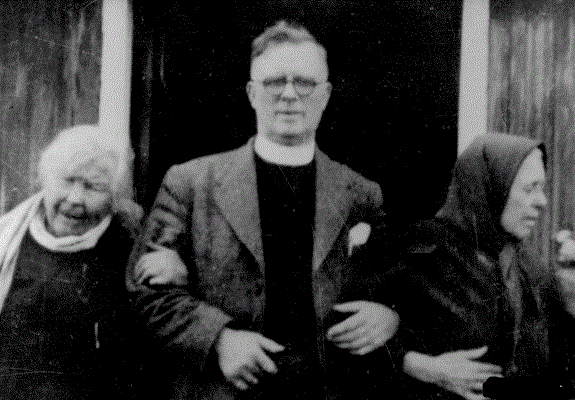
UKWells: The Church of Scotland and the Free Church had given out an instruction that everyone should pray for revival. This was not difficult for the people were well practised. Prayer was the basis of the 1934 and 1939 revivals. Prayer was woven into the very fabric of the church in Barvas and many spontaneous prayer meetings would start as Read more...
Favorite
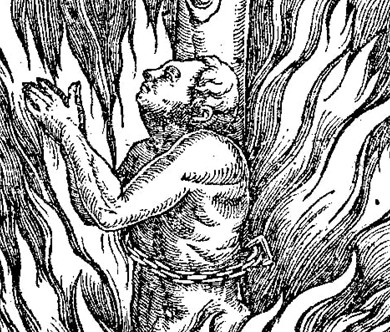
“My lord, if you cannot persuade my conscience by scripture, I cannot find it in my heart to turn from God for the love of the world; for I count all worldly things but loss, in comparison with the love of Christ.” Thus young William Hunter sealed his fate. In less than a month his teenaged body was burned Read more...
Favorite
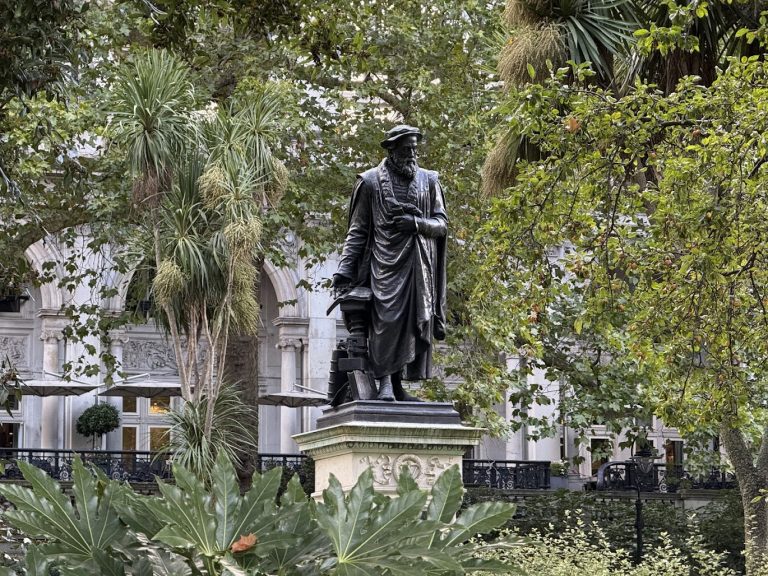
Just east of St. James Park in London, and just off the bank of the River Thames, in the Whitehall Gardens, is a larger than life statue of William Tyndale. This location is rather ironic, because Whitehall Gardens is the old Privy Garden of the Palace of Whitehall. In 1530 King Henry VIII moved from Westminster to Whitehall, and made Read more...
Favorite
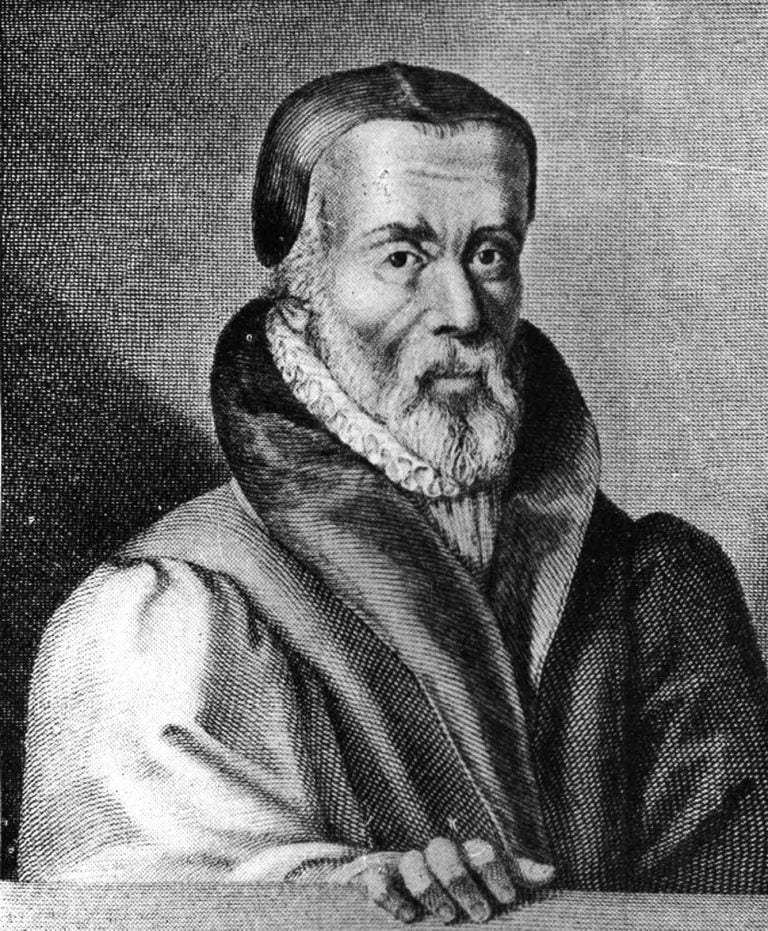
The William Tyndale Stained Glass Window stands as a vivid tribute to one of the most influential figures in the history of the English Bible, William Tyndale. Located in London, a city deeply connected to the religious transformations of the sixteenth century, the window commemorates Tyndale’s life, his work in translating Scripture into English, and the enduring impact of his Read more...
Favorite
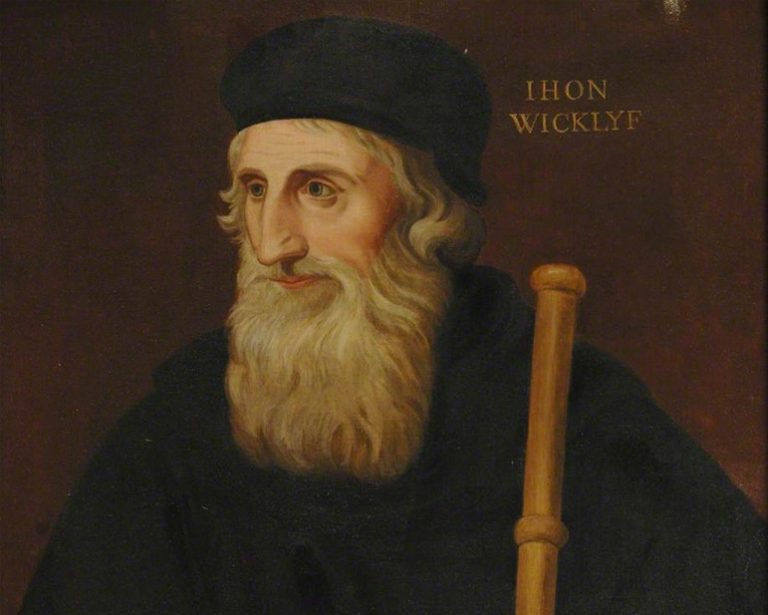
From the Lutterworth Museum: In 1374 this early church reformer was made Rector of Lutterworth as a royal reward for his diplomatic services. He appointed a curate to carry out his parochial duties while he preached sermons and wrote tracts, in Oxford and London, that threatened the doctrines of the Roman Church. The first translation of the Bible into English Read more...
Favorite
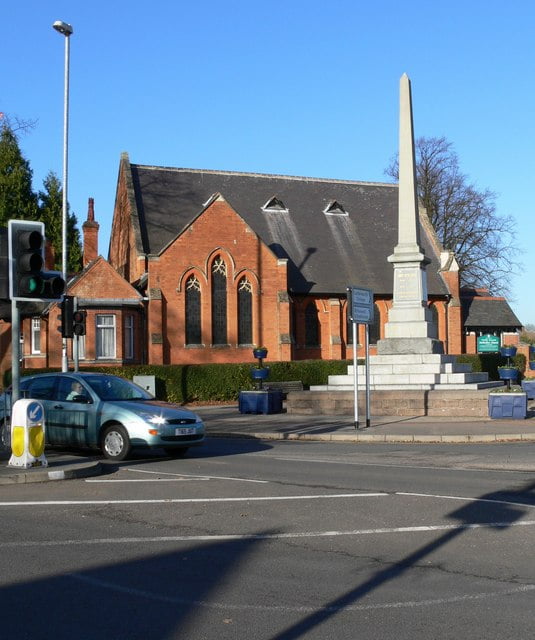
The Wycliffe Memorial in Lutterworth, England, stands as a tribute to one of the most influential figures in early English religious history, John Wycliffe. Located in the town where Wycliffe served as rector for many years, the memorial commemorates his life, his work in translating the Bible into English, and his lasting impact on the course of Christian reform. John Read more...
Favorite
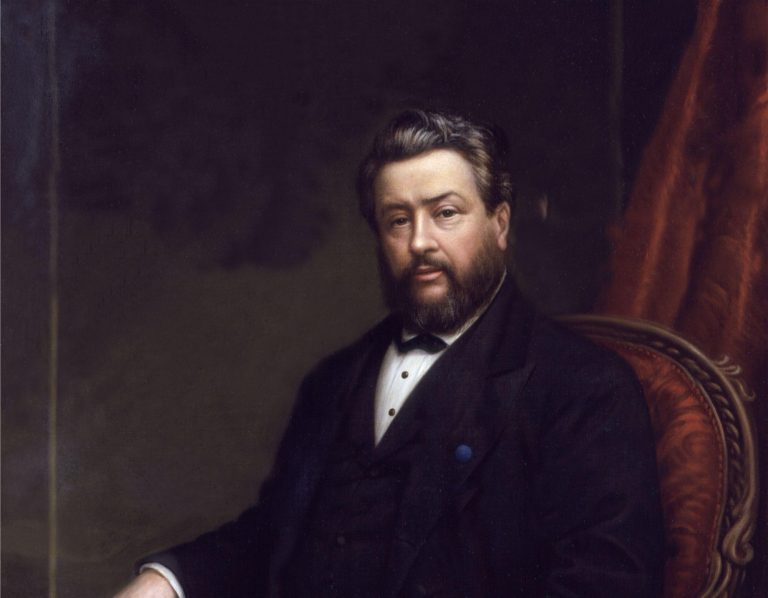
“However, from an historical viewpoint, this church is most famous for being the place where Charles Haddon Spurgeon – a very famous Victorian preacher – was converted in January 1850. As a lad of 15, Spurgeon was struggling up Hythe Hill in a snow blizzard one Sunday, trying to get to another church in Colchester. He realised he was not Read more...
Favorite
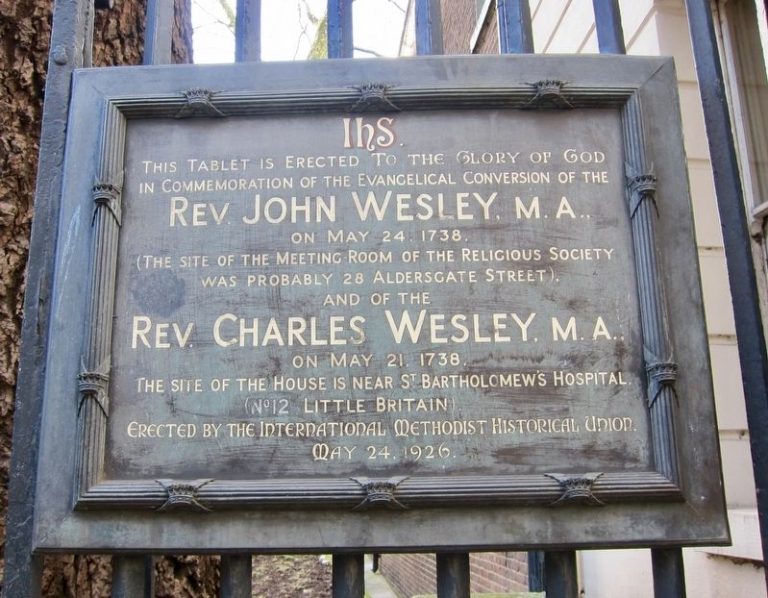
The conversions of John Wesley and Charles Wesley stand as defining moments in the history of eighteenth-century Christianity and the rise of Methodism. Though closely related as brothers, their spiritual awakenings unfolded in different ways and at slightly different times, yet together they helped shape a movement that would have global impact. John Wesley, born in 1703, was an Anglican Read more...
Favorite
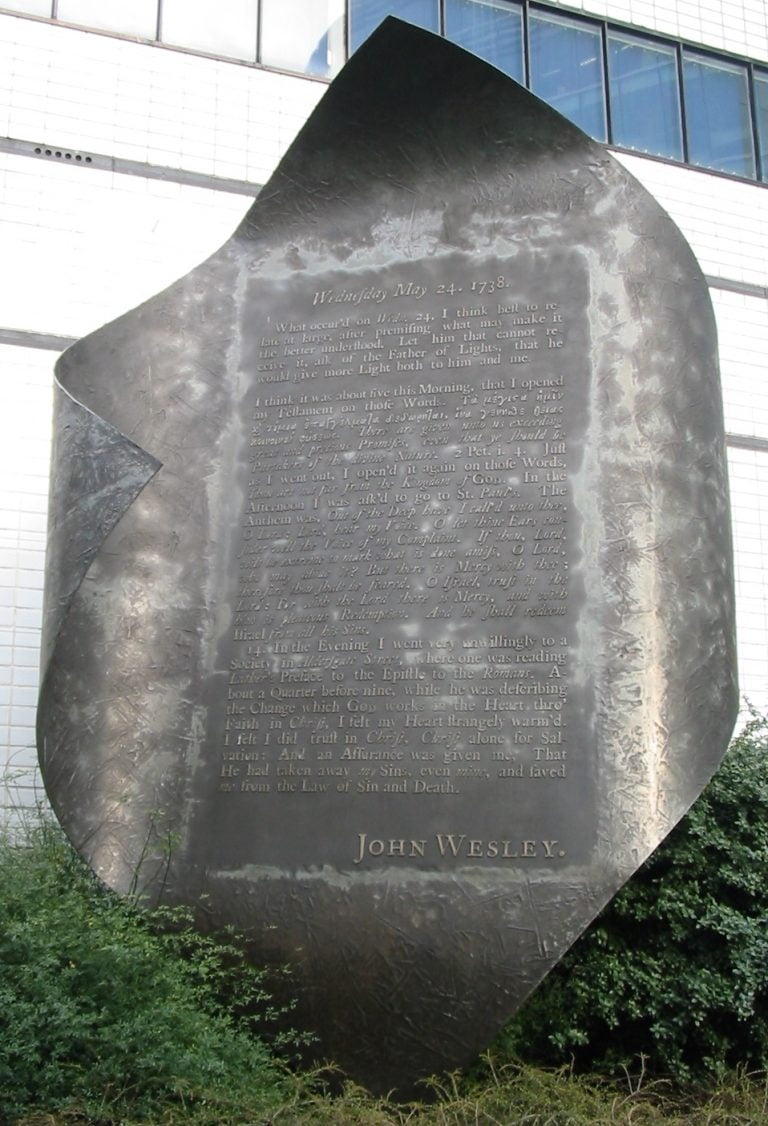
The Aldersgate Flame in London is a symbolic memorial commemorating a pivotal moment in the life of John Wesley, the eighteenth-century Anglican clergyman whose spiritual awakening helped ignite the Methodist movement. Located near the site of Aldersgate Street, where Wesley experienced a profound religious transformation in 1738, the monument serves as a reminder of the enduring influence of that event Read more...
Favorite
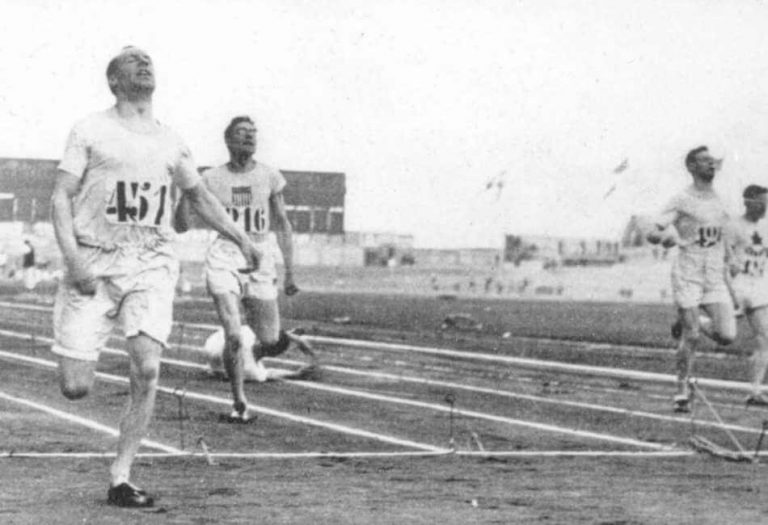
The Eric Liddell Sports Centre in Edinburgh, Scotland, is a modern community facility named in honor of one of the country’s most admired athletes and missionaries, Eric Liddell. Combining sports, wellness, and community outreach, the center stands as a living tribute to Liddell’s legacy of discipline, faith, and service. Eric Liddell is best remembered for his achievements at the 1924 Read more...
Favorite
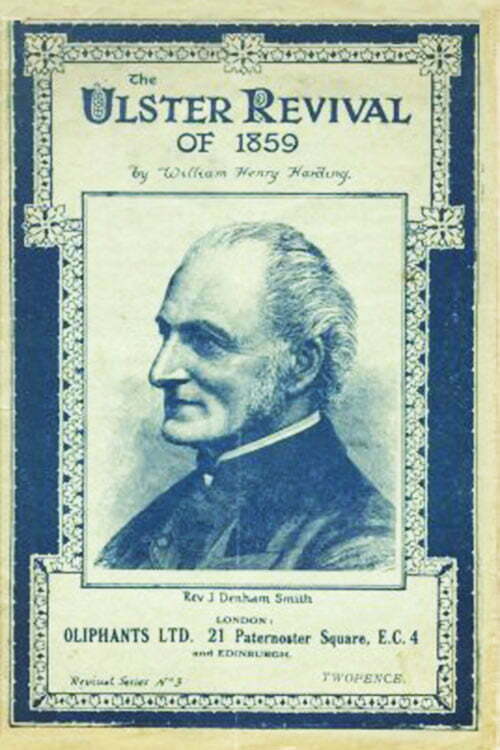
“[James] McQuilkin had put away the fighting cocks he had been rearing and had turned away from all the worldly pleasures because he claimed God had cleansed him from all his sins. All three of them, being old-line hyper-calvinistic Presbyterians, thought that such a claim as McQuilkin’s was, to say the least, presumptuous. Jeremiah Meneely was a communicant member of Read more...
Favorite
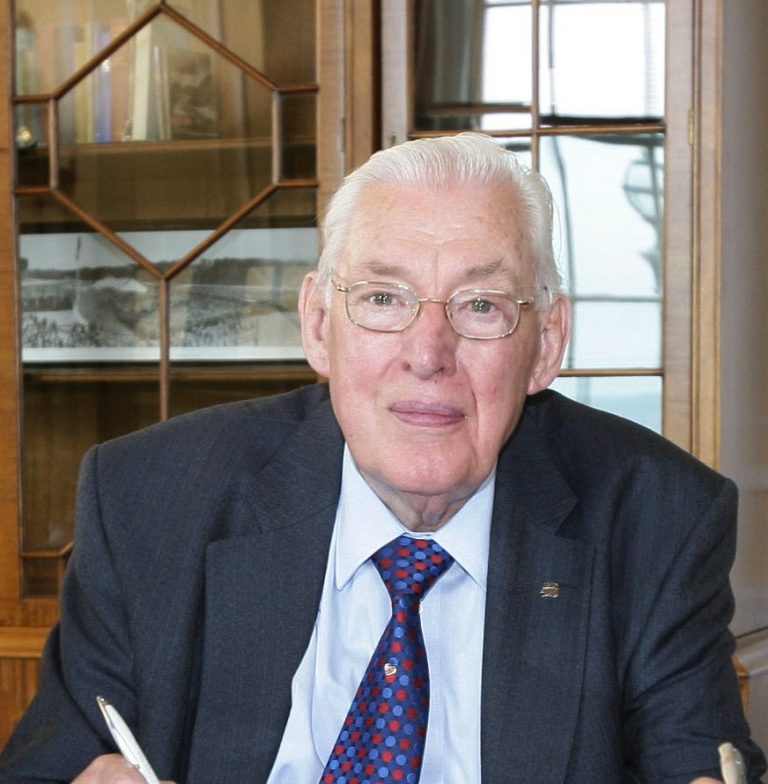
From Wikipedia: Ian Richard Kyle Paisley, Baron Bannside, PC (6 April 1926 – 12 September 2014) was a Northern Irish loyalist politician and Protestant religious leader who served as leader of the Democratic Unionist Party (DUP) from 1971 to 2008 and First Minister of Northern Ireland from 2007 to 2008. Paisley became a Protestant evangelical minister in 1946 and remained one for the rest of his life. In 1951 he co-founded the fundamentalist Free Read more...
Favorite
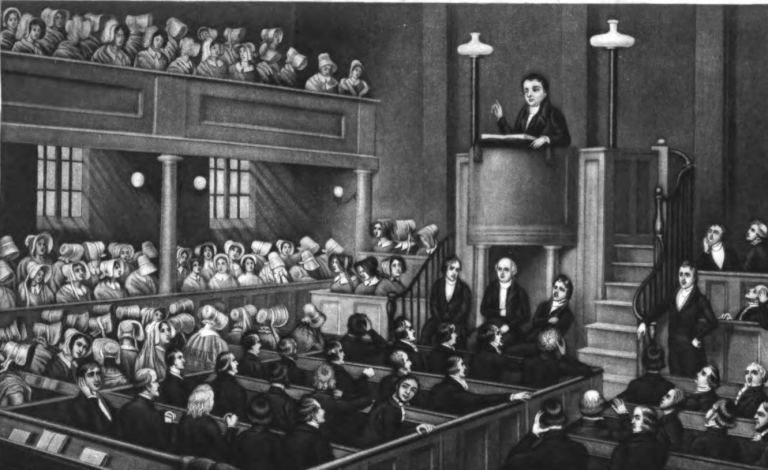
Named for the day of his birth, Christmas Evans (1766-1838) was an unlikely evangelist. When he was saved in 1783 he could not read or write. David Larsen records that “Evans was called the John Bunyan of Wales, the One-Eyed Man from Anglesea, and the prophet sent from God.” Eventually, he taught himself Greek and Hebrew to better preach – Read more...
Favorite
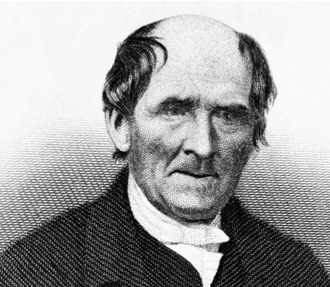
Billy Bray (1794–1868), often affectionately known as the “King’s Son,” was one of the most colorful and beloved figures in the history of Methodism in Cornwall, England. His life stands as a powerful testimony to personal transformation, joyful faith, and the enduring influence of humble yet wholehearted Christian devotion. Though he was not a formally trained minister, Bray’s exuberant spirit Read more...
Favorite
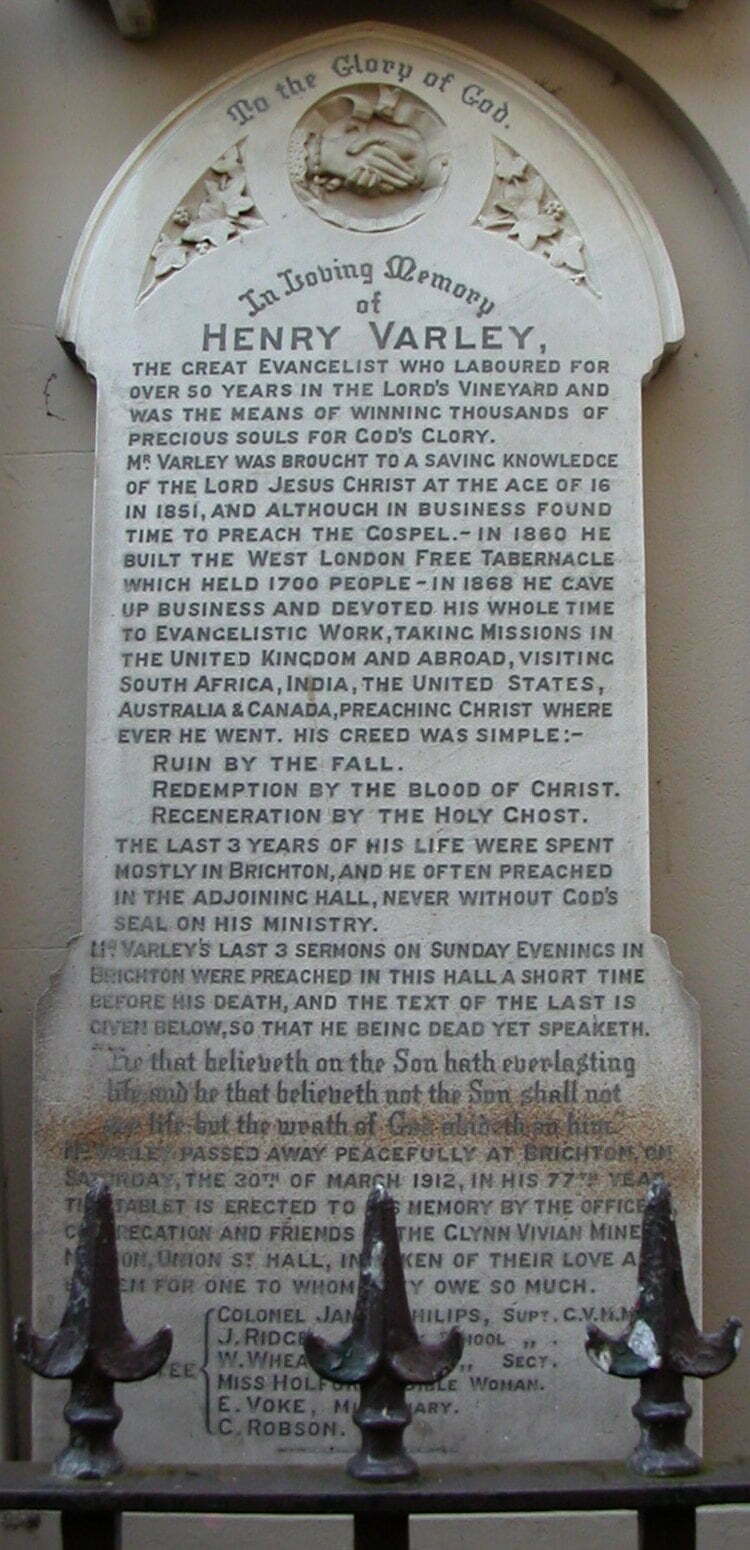
The Life, Legacy, and Impact of Henry Varley Henry Varley (1835–1912) was an English evangelist whose life and ministry played a significant role in the revivalist movements of the nineteenth century. Though not as widely remembered as some of his contemporaries, Varley’s influence reached far beyond his immediate sphere, particularly through his association with prominent figures such as Dwight L. Read more...