Favorite
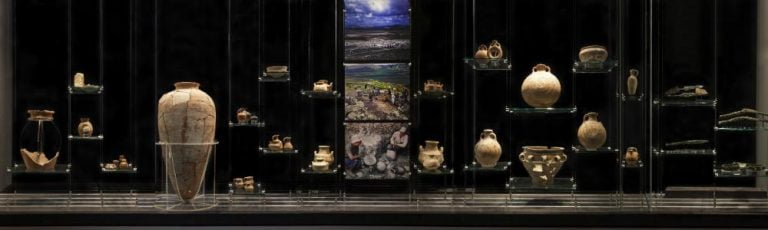
The Wheaton College Archaeology Laboratory focuses on Dothan, where Joseph found his brothers (Genesis 37), and where they planned to kill him, until Reuben saved his life, but Judah sold him into slavery to the Ishmeelites who took him to Egypt. Dothan is also where Elisha was based in 2 Kings 6, when the King of Syria tried to find Read more...
Favorite
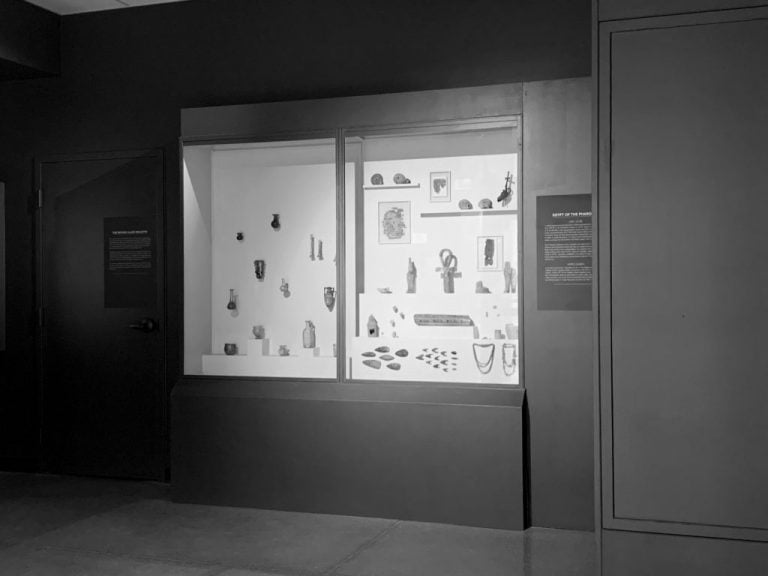
In addition to the artifacts, it features many of the most significant Biblical replicas, including Siloam Inscription – the “completion marker” of Hezekiah’s Tunnel, chiseled into stone underneath Jerusalem where the two teams of diggers met during the Sennacherib siege Mesha Stele – discuses Omri, King of Israel and his relations with Mesha of Moab as recorded in 2 Kings Read more...
Favorite
The G. Herbert Livingston Archaeology and Israel Studies Learning Lab, located at Southwestern Baptist Theological Seminary in Fort Worth, Texas, is a specialized educational facility dedicated to the study of biblical archaeology and the historical context of the ancient Near East. Designed to support both academic instruction and public engagement, the lab provides students and visitors with a hands-on opportunity Read more...
Favorite
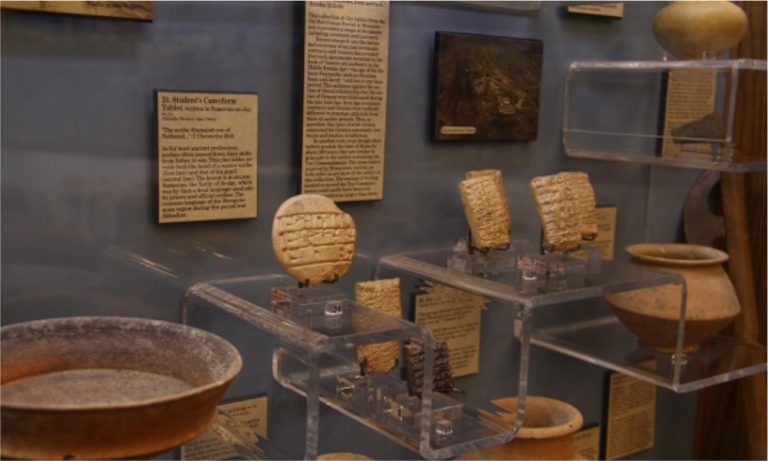
The Trinity Southwestern University Museum of Archaeology, located in Albuquerque, New Mexico, is a specialized institution dedicated to the study and display of artifacts related to the ancient Near East and the historical context of the Bible. Operated by Trinity Southwestern University, the museum serves both as an educational resource and as a center for research, particularly in the field Read more...
Favorite
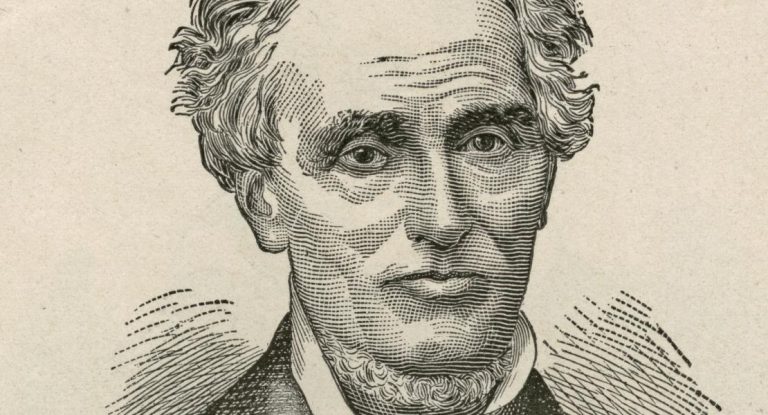
From Wikipedia: During his 40-year ministry, Peck contributed to the establishment of 900 Baptist churches, saw 600 pastors ordained and 32,000 were added to the Baptist faith. He died in Rock Springs, Illinois, where he was first buried. His body was reinterred at Bellefontaine Cemetery, St. Louis.[8] These other Baptists include: Adiel Sherwood, founder of the Georgia Baptist Convention Jonathan Goble, Read more...
Favorite
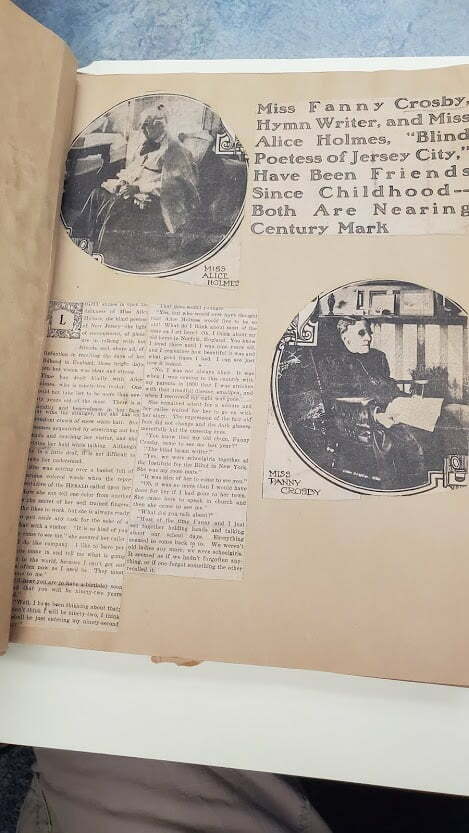
Although Fanny Crosby spent the majority of her life in Manhattan (growing up at the New York Institution for the Blind, working with the Bowery Rescue Mission, etc.), she did spend the last 11 years of her life in Bridgeport. Using Darlene Neptune’s Fanny Crosby Still Lives as our guide, we took the train into Bridgeport, Connecticut to see if Read more...
Favorite
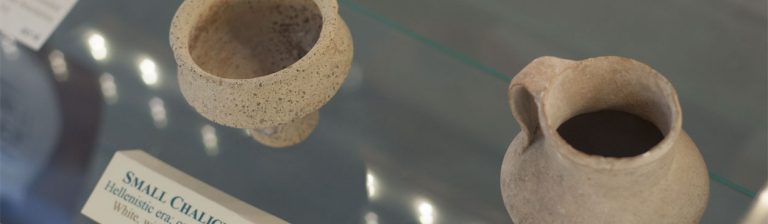
DorseyMoba.org: The David A. Dorsey Museum of Biblical Archaeology was created in 1980 by the generosity of Alan and Muriel Pense and the dedicated work of Dr. David A. Dorsey, Distinguished Professor of Old Testament of Evangelical Seminary. The museum contains nearly 500 archaeological artifacts from the lands of the Bible. The Dorsey Museum is designed to give visitors Read more...
Favorite
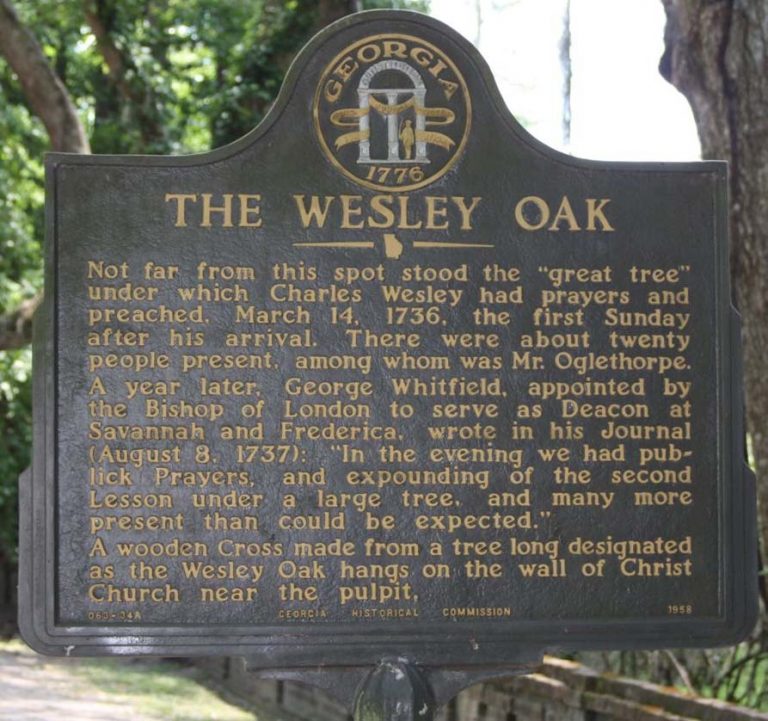
The Wesley Oak on St. Simons Island, Georgia, is a historic and symbolic landmark associated with the early ministry of John Wesley during his time in colonial America. Though less widely known than other sites connected to Wesley’s life, this venerable tree represents an important chapter in his spiritual development and in the beginnings of Methodism’s connection to the New Read more...
Favorite
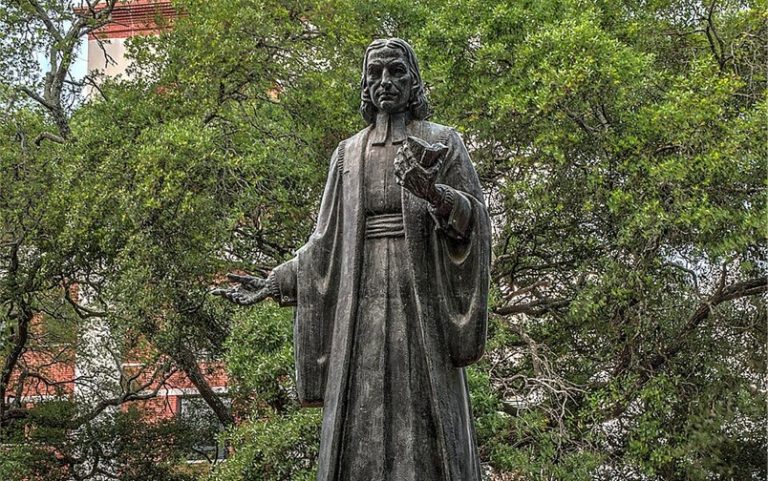
Back in Savannah, from May 9, 1736 to November 27, 1737, John would preach in the Court House (this was prior to the ‘separation of church and state’). His parsonage was near where his statue is in downtown Savannah (GPS: 32.079200, -81.088900) The Methodist Church has recorded these monuments into a “Wesley Trail” of sorts, including the first Methodist church Read more...
Favorite
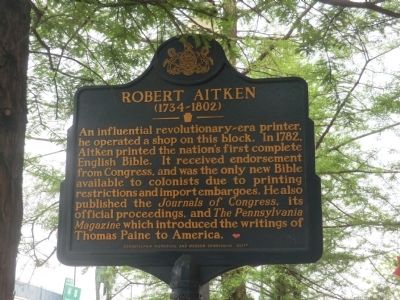
The King James Version of the Bible required the authorization of the King to print (hence the name Authorized Version). The King wanted the colonists dependent on England, and so did not give permission to the colonists to print the Bible, thus all Bibles were imported from England. During the Revolution, the British cut off the supply of Bibles. On Read more...
Favorite
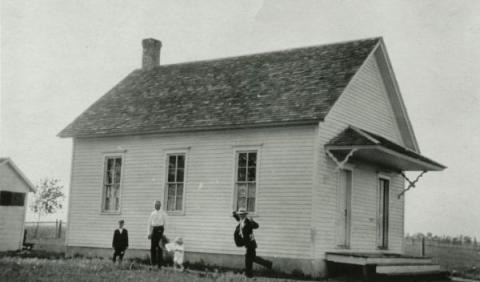
Clearview School in Iowa represents a small but meaningful piece of the early life and environment that helped shape one of America’s most famous evangelists, Billy Sunday. Though the school itself was a typical rural one-room schoolhouse, its connection to Sunday reflects the broader story of how modest beginnings and local institutions contributed to the development of influential figures in Read more...
Favorite
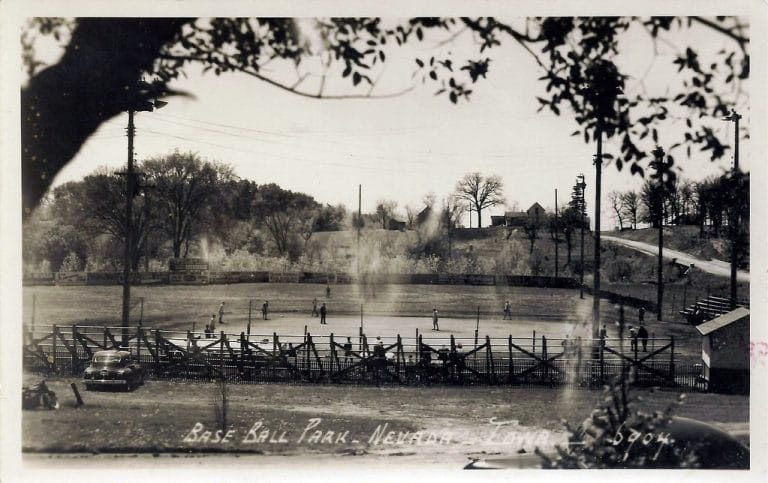
The Billy Sunday Baseball Field was constructed in the 1930s to serve as a consistent playing location for Nevada’s semi-pro baseball team. The field was originally located on the west side of S14, but was soon relocated to its current location, just east of S14. The Nevada High School baseball team began playing at the field around 1934, which prompted Read more...
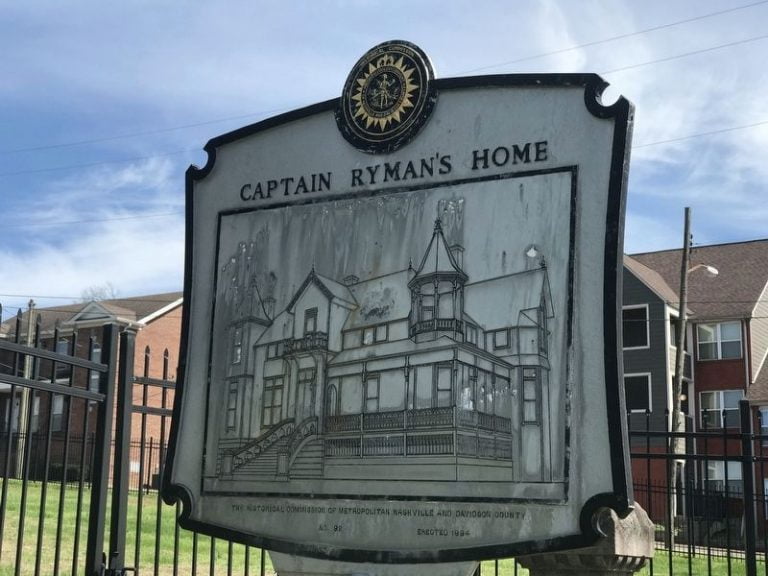
Favorite
Thomas Green Ryman (1841–1904) was a Tennessee riverboat captain and businessman whose legacy extends far beyond commerce and navigation. He is best remembered as the founder of what became the Ryman Auditorium, one of the most important cultural landmarks in American music history. Originally conceived as a gospel meeting hall, the building that bears his name became a central stage Read more...
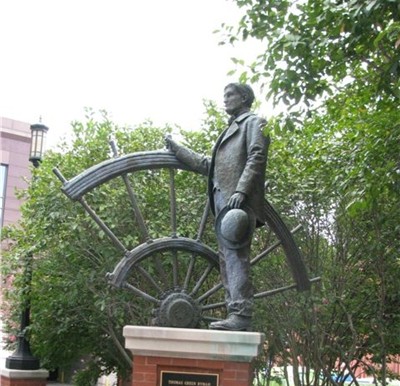
Favorite
The Union Gospel Tabernacle in Nashville, Tennessee—today world-famous as the Ryman Auditorium—stands as one of the most significant cultural and historical buildings in American religious and musical life. Originally built as a place of worship, it later became a premier entertainment venue, earning the title “Mother Church of Country Music.” The building was constructed in 1892 through the vision and Read more...
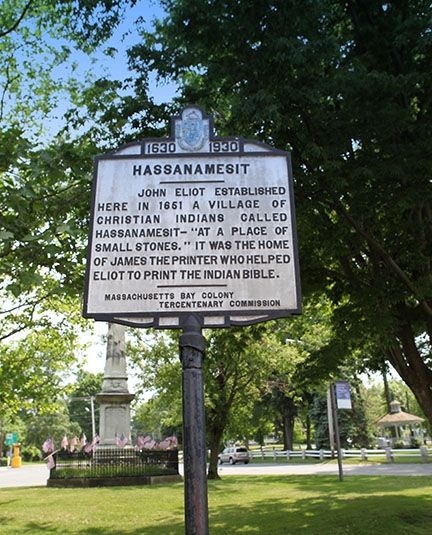
Favorite
Hassanamesit was one of the most important “Praying Indian” towns established in seventeenth-century New England. Located in what is now Grafton, Massachusetts, it played a significant role in the early interactions between Native American communities and English colonists, particularly in the context of Christian missionary efforts and colonial expansion. The name Hassanamesit comes from the Nipmuc language and is often Read more...
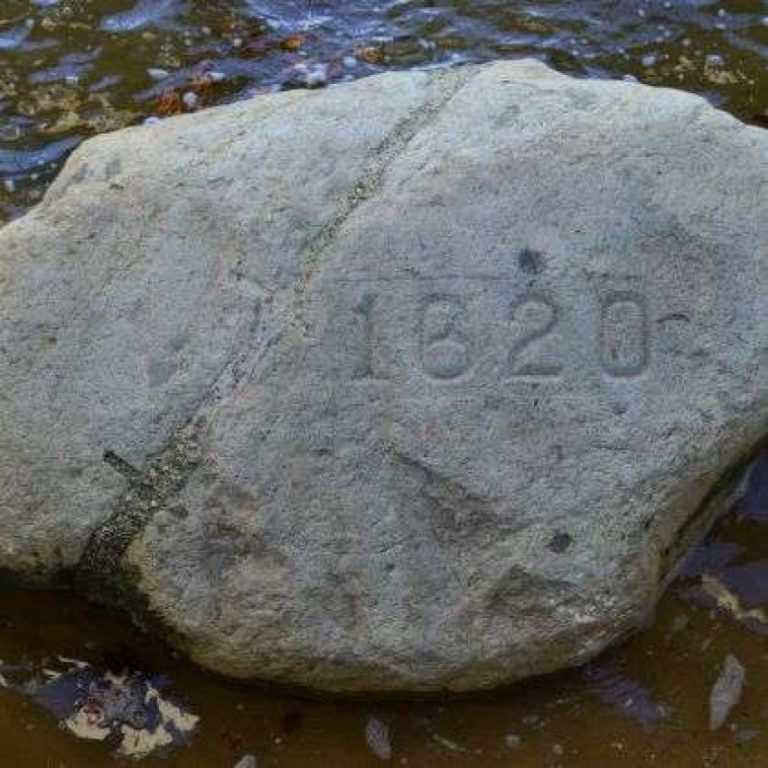
Favorite
Plymouth Rock is one of the most famous historical landmarks in the United States, traditionally identified as the landing site of the Pilgrims in 1620. Located along the waterfront in Plymouth, Massachusetts, it has become a powerful symbol of the founding of one of the earliest English settlements in North America and of the broader story of American origins. According Read more...
Favorite
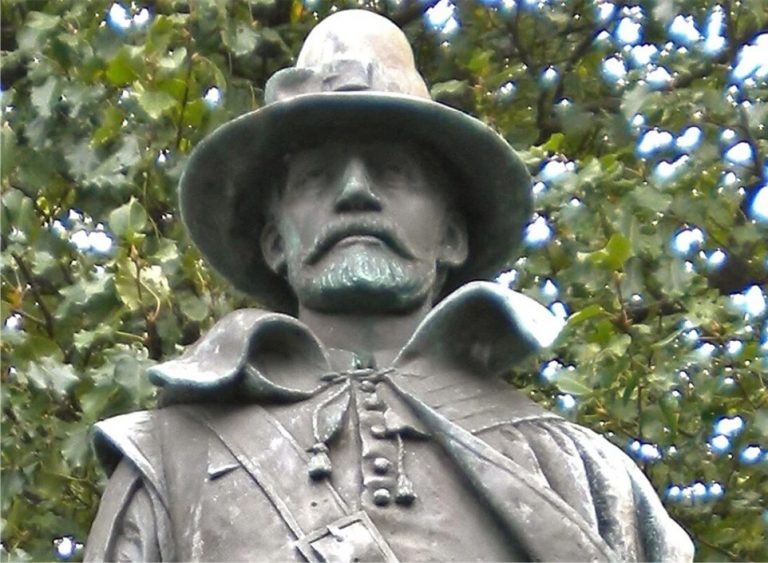
The William Bradford Statue in Plymouth, Massachusetts, stands as a tribute to one of the most important leaders of early colonial America, William Bradford. Overlooking Plymouth Harbor, the statue commemorates Bradford’s role as governor of the Plymouth Colony and his enduring influence on the development of self-governance and religious life in the New World. Erected in the late nineteenth century, Read more...
Favorite
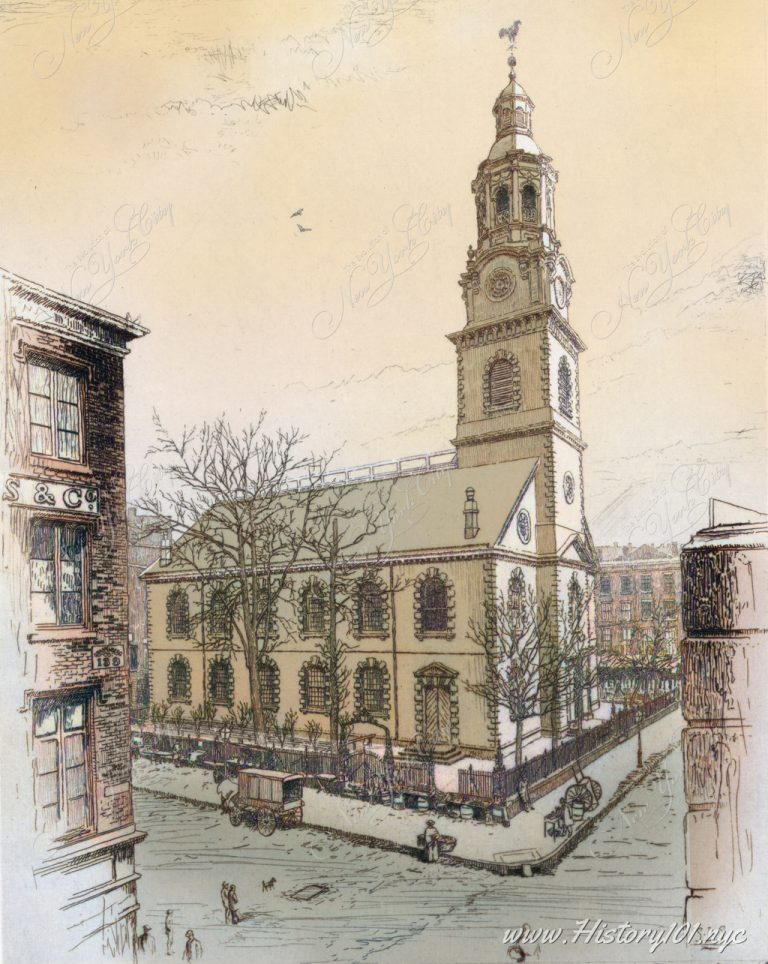
The story of Jeremiah Lanphier and the North Dutch Church in New York City is closely tied to one of the most remarkable religious awakenings in American history, the 1857–1858 Prayer Revival. At a time of economic uncertainty and social anxiety, a quiet layman’s simple initiative helped spark a movement that spread across the United States and beyond. Lanphier’s life Read more...

Favorite
Moses Tunda Tatamy (c. 1690–1760), often known simply as Moses Tatamy, was a prominent Native American leader, interpreter, and mediator of the Lenape (Delaware) people during a period of profound change and tension in colonial Pennsylvania. His life reflects the complexities of cross-cultural interaction in early America, as well as the challenges faced by Native leaders seeking to navigate relationships Read more...
Favorite
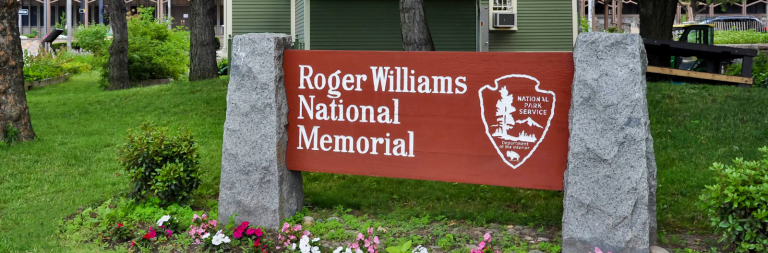
The Roger Williams National Memorial in Providence, Rhode Island, commemorates the life and legacy of Roger Williams, one of the most important figures in early American history. As the founder of Providence and a pioneering advocate for religious liberty, Williams helped shape principles that would later become central to the identity of the United States. The memorial stands not only Read more...