Favorite
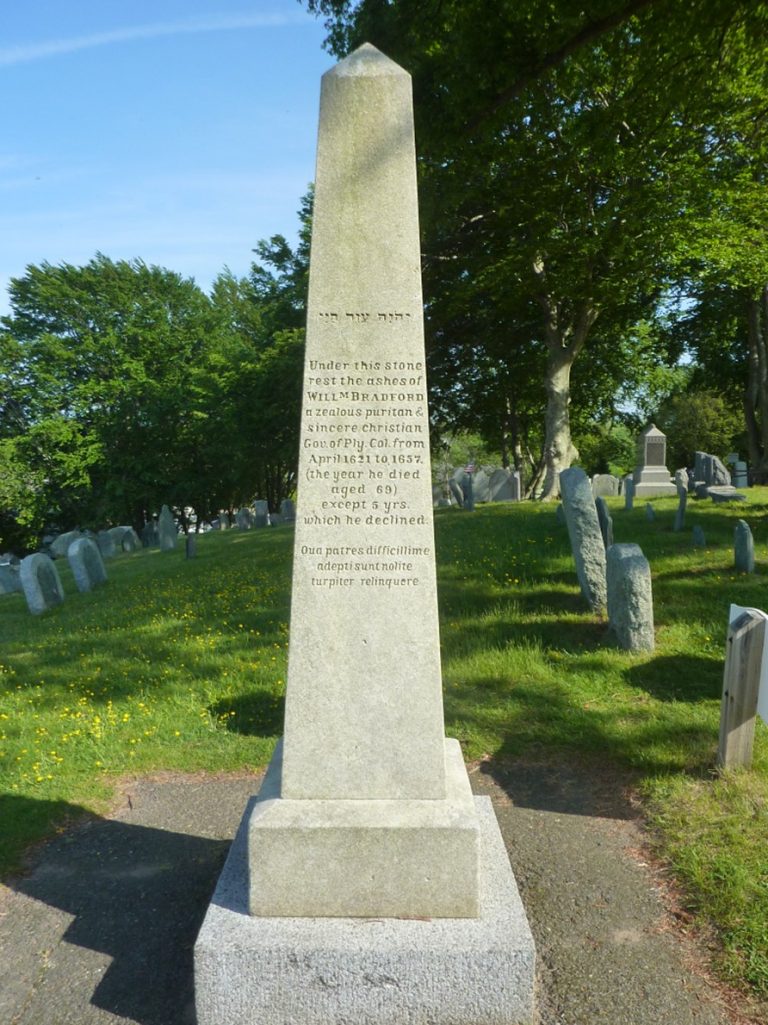
William Bradford stands as one of the most important figures among the Pilgrim Fathers, remembered especially for his role as a signer of the Mayflower Compact and for his long service as governor of Plymouth Colony. His life reflects both the hardships and the determination that marked the early years of English settlement in America. Born in 1590 in Read more...
Favorite
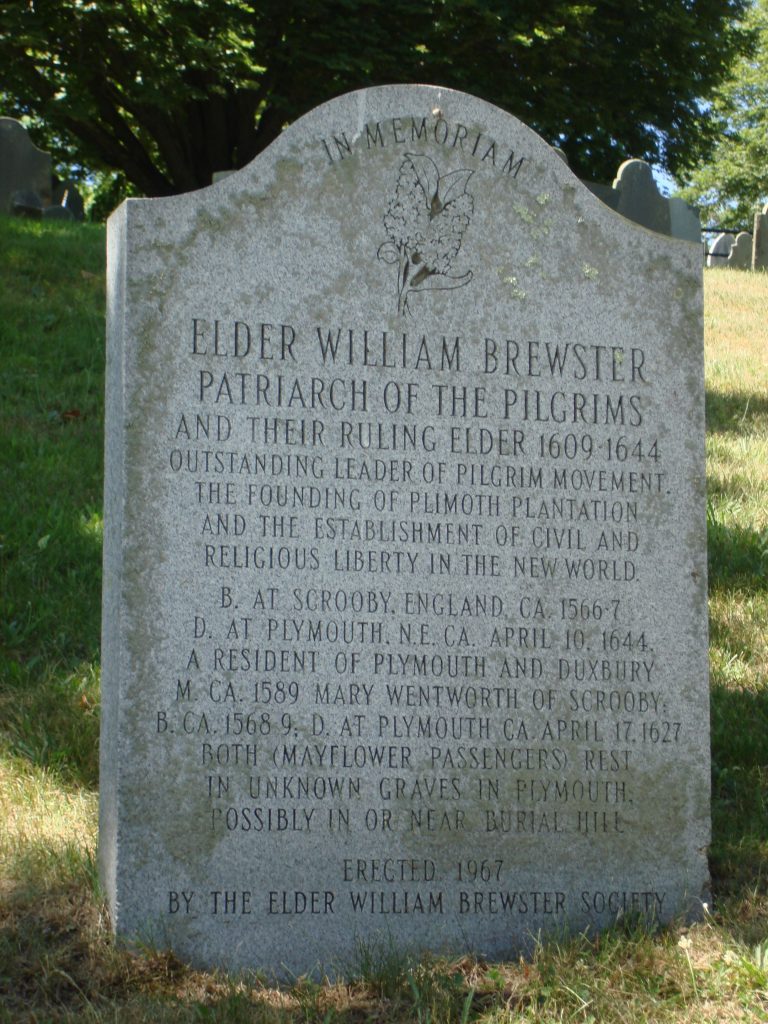
William Brewster stands as one of the most respected and steady figures among the Pilgrim Fathers, serving as their spiritual guide and elder during one of the most challenging chapters in early American history. Though not formally ordained as a minister, Brewster fulfilled the role of pastor to the Pilgrims, providing leadership, encouragement, and biblical instruction from their days in Read more...
Favorite
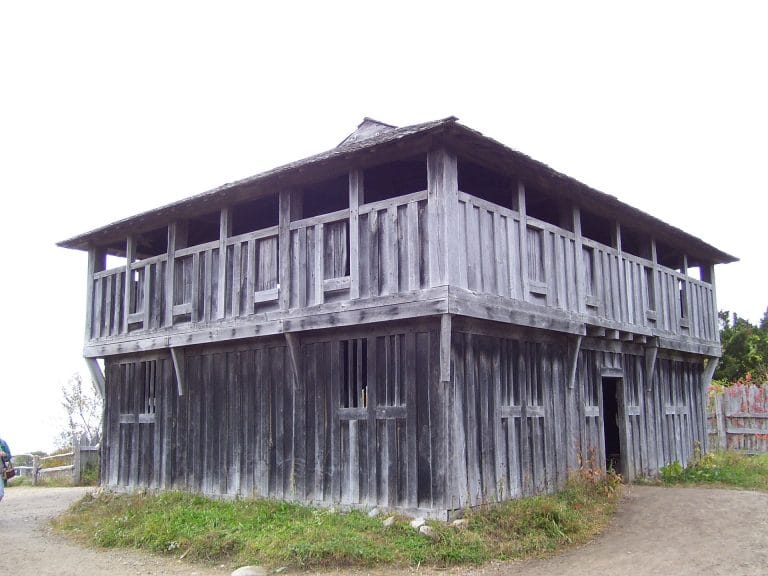
The Pilgrims did not seek to build fancy houses of worship like those of the Church of England that they left. Rather they met in the fort for collective worship. The church later had its own building at First Parish Church. _____ Image Source/Credit: • Swampyank at en.wikipedia, CC BY-SA 3.0 <https://creativecommons.org/licenses/by-sa/3.0>, via Wikimedia Commons Read more...
Favorite
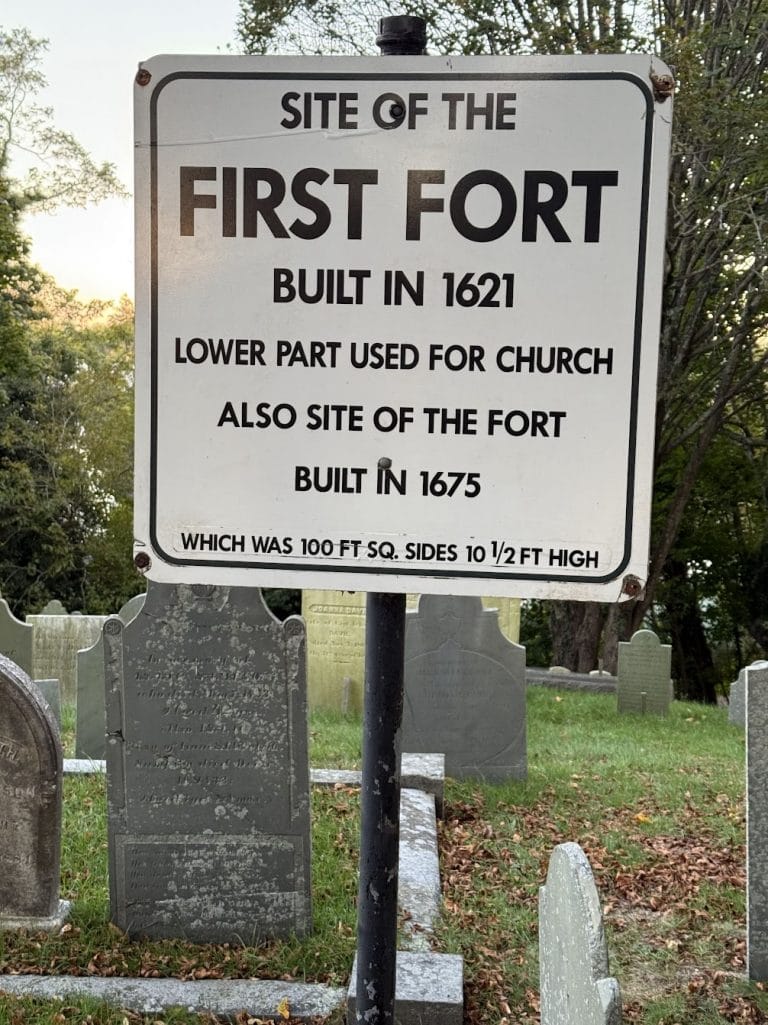
Although depicted nearby at Plimoth Plantation, the actual location of the Pilgrim’s first church is here. Later the church would move down the hill to First Parish Church. Site of the First Fort Built in 1621 Lower part used for church Also site of the fort built in 1675 which was 100 ft sq. Sides 10½ ft high _____ Read more...
Favorite
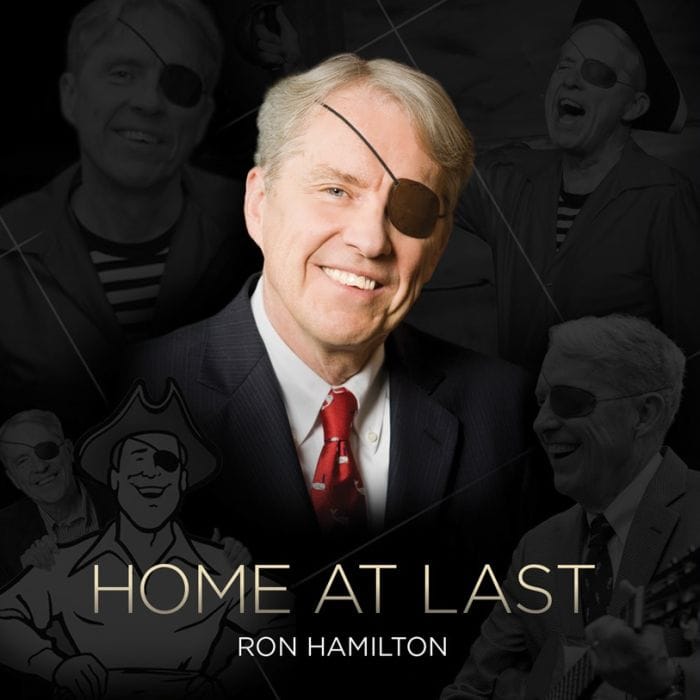
Better known as Patch the Pirate, Ron Hamilton authored thousands of songs and the musical adventure series, The Adventures of Patch the Pirate. Obituary in Christianity Today From his obituary: Ronald Allen Hamilton was born in South Bend, Indiana on November 9, 1950. His parents, Melvin Hamilton and Leota Marie Hamilton, were perfect family planners. Marta Sue was born exactly two Read more...
Favorite
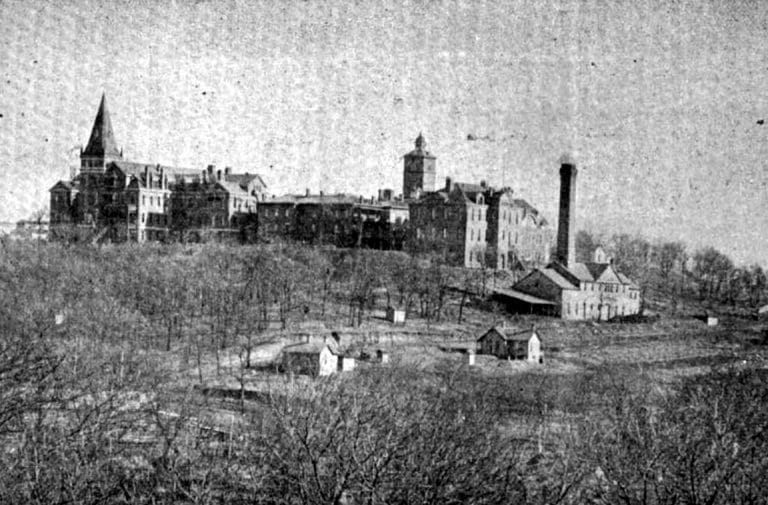
Tabernacles & Sawdust Trails: “At Ames, Iowa,” he says, “we had to wait for the train and we went to a little hotel and they came about one o’clock and said : ‘Get ready for the train.’ I looked into mother’s face, and her eyes were red, her hair was disheveled. I said: ‘What’s the matter mother?’ All the time Read more...
Favorite
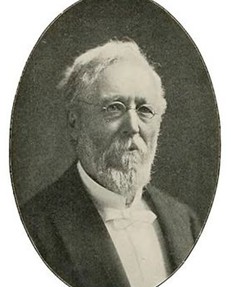
Wikipedia: By fourteen, Sunday was shifting for himself. In Nevada, Iowa, he worked for Colonel John Scott, a former lieutenant governor, tending Shetland ponies and doing other farm chores. The Scotts provided Sunday a good home and the opportunity to attend Nevada High School.[5] Although Sunday never received a high school diploma, by 1880 he was better educated than many Read more...
Favorite
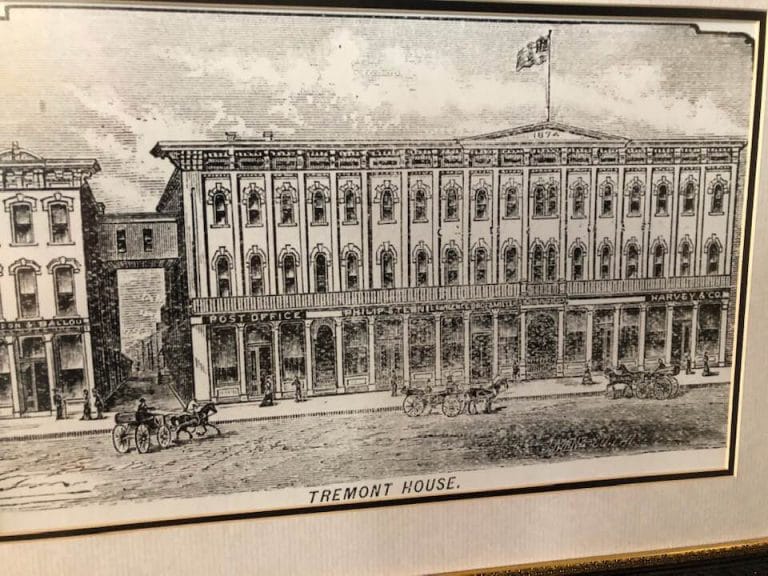
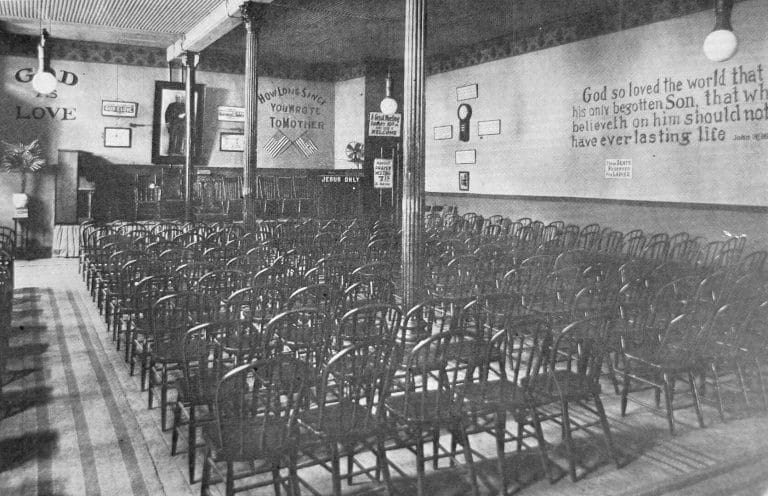
Billy Sunday, one of the most vibrant figures in early twentieth-century American religious life, is often remembered for his electrifying revival meetings and dramatic preaching style. However, his rise to prominence was shaped not only by his athletic and spiritual gifts but also by experiences rooted in small-town America. One such formative connection was with the Tremont Inn, a gathering Read more...
Favorite
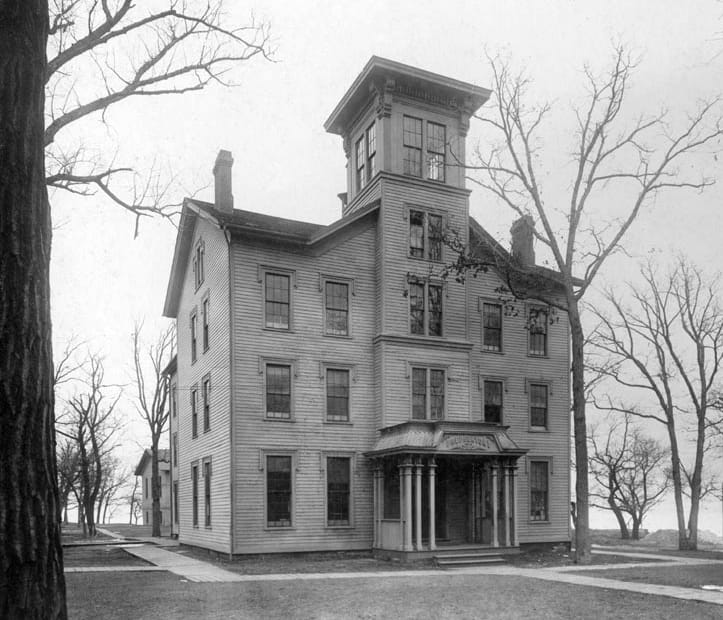
Billy Sunday is remembered today as one of the most dynamic revivalists in American history, a man whose fiery sermons and dramatic style captivated audiences across the nation in the early twentieth century. While his fame eventually spread far and wide, one of the most important turning points in his life occurred in Chicago, where his association with the Pacific Read more...
Favorite
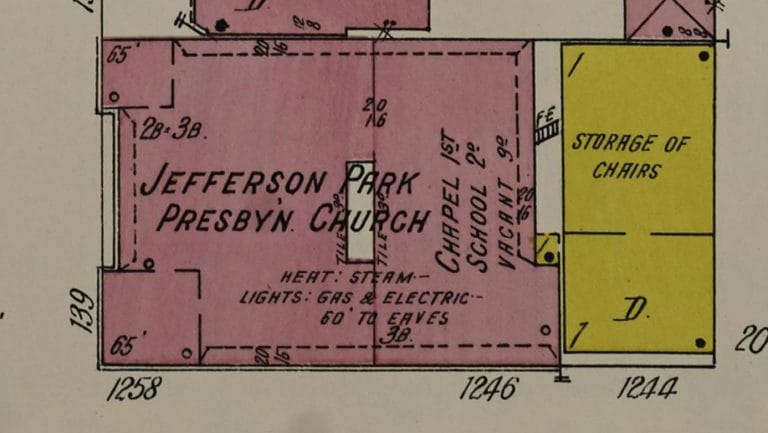
Billy Sunday remains one of the most colorful and influential figures in early twentieth-century American religious life, and his formative years at Northwestern Academy—often referred to historically as Evanston Academy—played a meaningful role in shaping the man he would become. Born in 1862 in rural Iowa, Billy Sunday’s early life was marked by hardship. His father, a Union soldier, died Read more...
Favorite
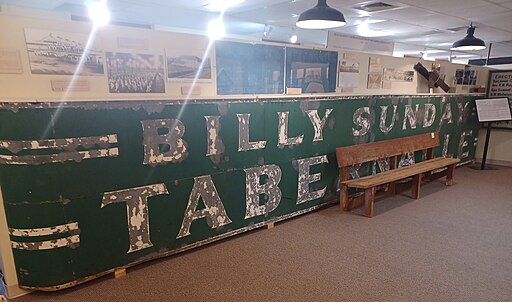
Jefferson Park Presbyterian Church. Jefferson Park is now Skinner Park. Northeast corner of Adams & Throop St. Billy Sunday started attending in 1886, became an elder, and was ordained there in 1905. Real Billy Sunday: IN 1905 Mr. Sunday was ordained a minister in the Presbyterian Church, by the Chicago Presbytery, the ordination taking place at the Jefferson Park Presbyterian Read more...
Favorite
The Winona History Center serves as a vital guardian of the rich cultural and religious heritage of Winona Lake. Situated in a town once known as a major hub for Bible conferences and Christian gatherings, the center preserves the stories, artifacts, and legacy of a community that played a significant role in shaping American evangelical life in the late 19th Read more...
Favorite
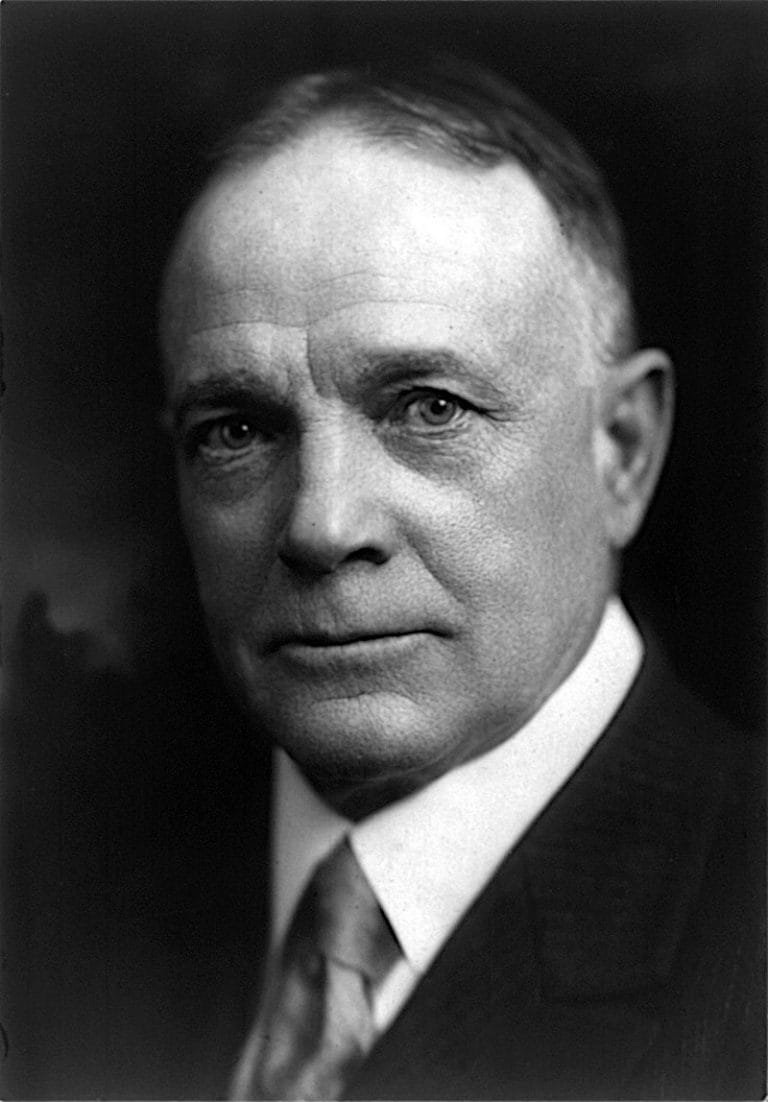
The place of death of Billy Sunday, located in Winona Lake, serves as a quiet yet meaningful site connected to one of the most dynamic figures in American religious history. Known for his energetic preaching style and his wide-reaching revival campaigns, Billy Sunday left a lasting impression on early 20th-century evangelical Christianity. The home where he spent his final days Read more...
Favorite
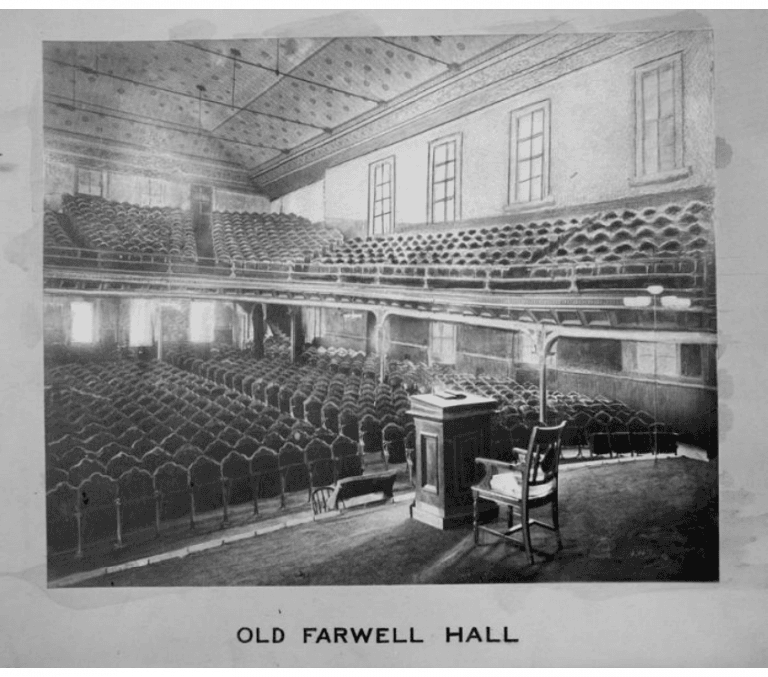
February 17, 1889, Billy Sunday preached his first message at Farwell Hall. Chicago Tribune featured it on the front page: Image Credit: Feb 18, 1889, Page 1 – Chicago Tribune at Newspapers.com. www.newspapers.com/image/349864826/?match=1. “STRIKING OUT” SATAN. BILLY SUNDAY, THE NOTED BALL TOSSER, TURNS EVANGELIST. The Famous Centre-Fielder Addresses a Large Crowd at Farwell Hall — He Didn’t Even Allow the Read more...
Favorite
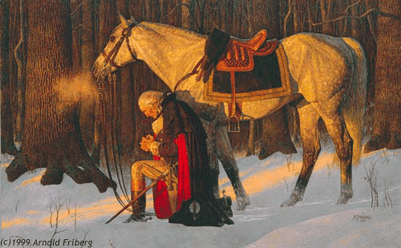
The iconic painting, Washington’s Prayer at Valley Forge is moving. The father of our country in prayer for his country. Arnold Friberg (December 21, 1913 – July 1, 2010) was an American illustrator and painter noted for his religious and patriotic works. He is perhaps best known for his 1975 painting The Prayer at Valley Forge, a depiction of George Washington praying at Valley Forge.[1][2][3] He is also well known for his 15 Read more...
Favorite
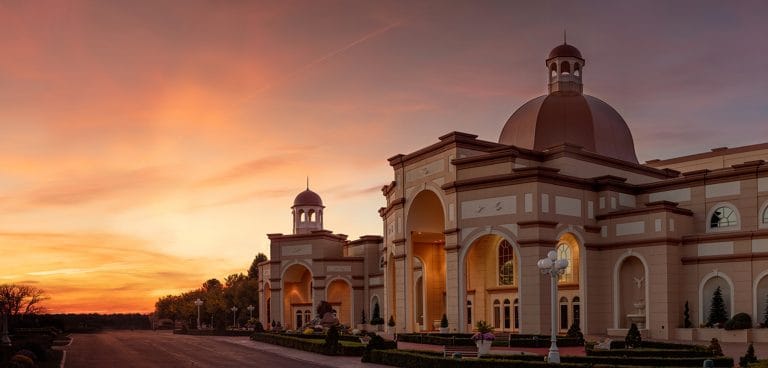
Sight & Sound: Growing up on a dairy farm in rural Lancaster County, our founder Glenn Eshelman was so inspired by the beauty of the world around him that he began painting landscapes as a boy. As he grew up, Glenn continued to pursue his artistic interests, eventually buying a camera to take reference photos for his paintings. Photography quickly Read more...
Favorite
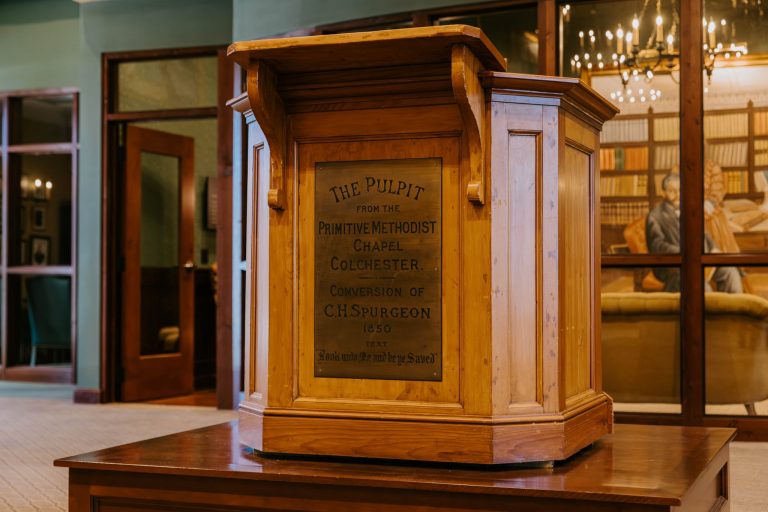
From Spurgeon.org: One of the goals of the Spurgeon Library is to advance the gospel of Jesus Christ by preserving the personal library of Charles Haddon Spurgeon and fostering a deeper appreciation of his life, legacy, theology, and preaching. When visiting the Spurgeon Library, visitors are able to see and study the gospel through the lenses of the “Prince of Read more...
Favorite
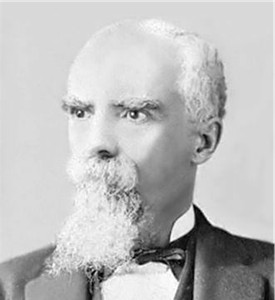
Watch Douglas Whitley as E.M. Bounds Edward McKendree Bounds—better known as E. M. Bounds—stands as one of the most enduring voices on the subject of prayer in American Christian history. Though he lived in the nineteenth century, his writings continue to influence pastors, missionaries, and laypeople who seek a deeper, more disciplined spiritual life. His legacy rests not on institutional Read more...
Favorite
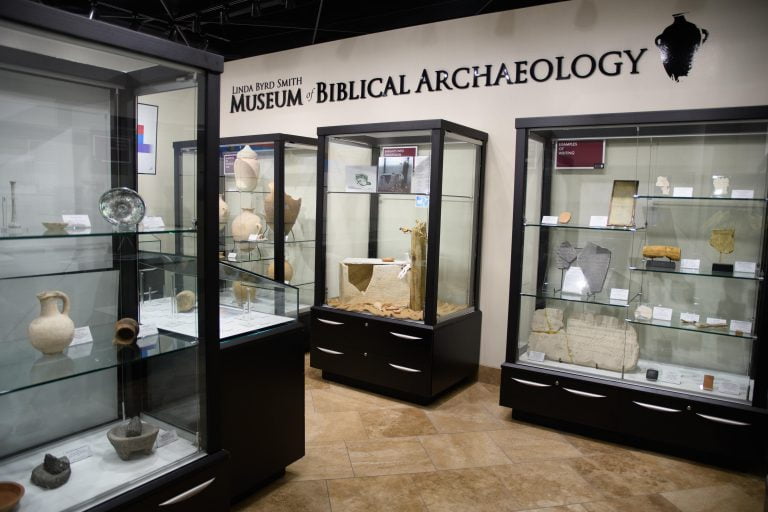
The Linda Byrd Smith Museum of Biblical Archaeology, located in Searcy, Arkansas, is a focused educational resource dedicated to illuminating the historical and cultural world of the Bible. Situated on the campus of Harding University, the museum provides students and visitors with a hands-on opportunity to explore artifacts and materials that reflect life in the ancient Near East. Established in Read more...
Favorite
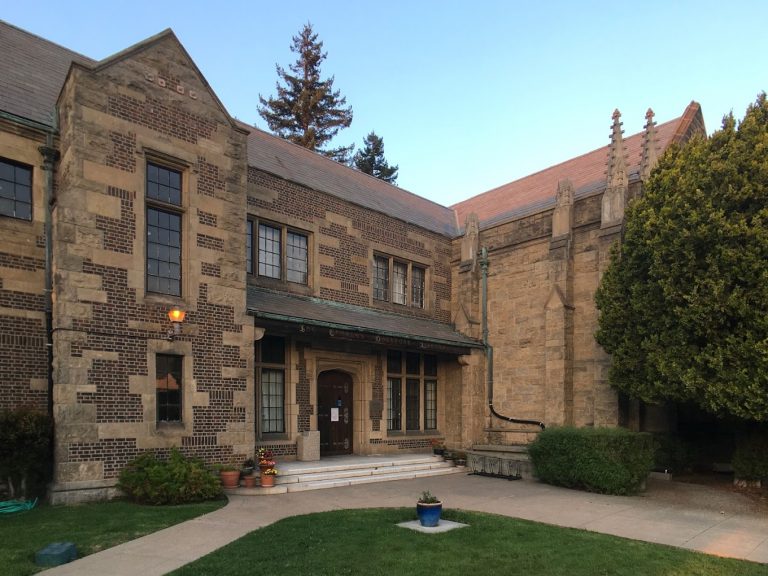
The focus of the Badè Museum of Biblical Archaeology is on the excavation of Biblical Mizpah (Tell en-Nasbeh) from 1926 to 1935 under the British Mandate. Mizpah, named for the place where Jacob and Laban made a covenant after Jacob left Laban’s employment with his wives Rachel and Leah (Laban’s daughters) according to Genesis 31:49. It was made into a Read more...