Favorite
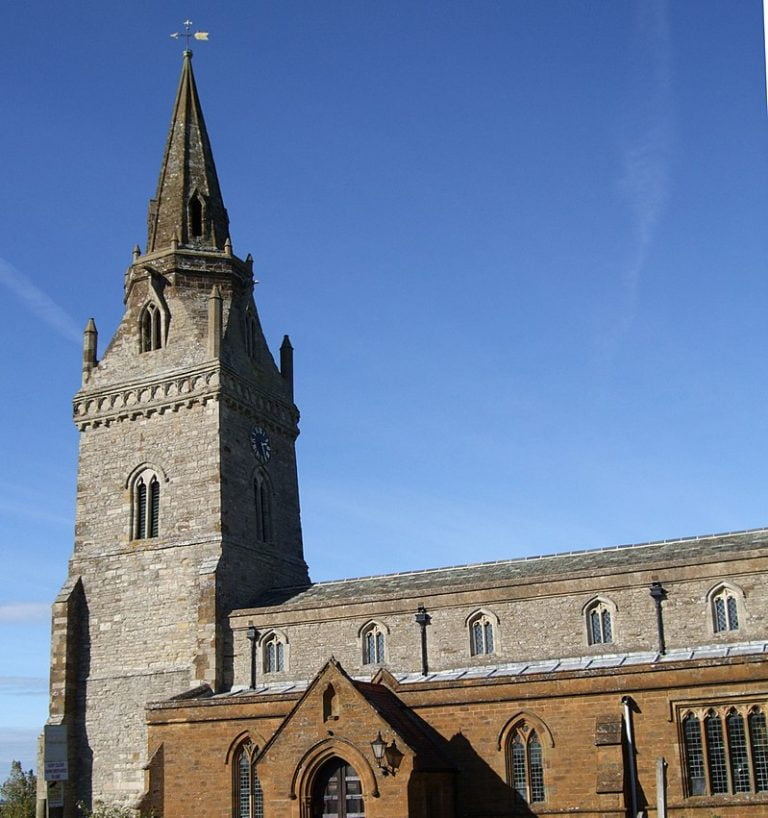
The Church of St. John the Baptist (Anglican), in Piddington, is where William Carey and Dorothy (“Dolly”) Plackett were married in 1781. (See Chapter 10.). copyrighted and used by permission from David Beale, Baptist History in England and America: Personalities, Positions, and Practices From Wikipedia: Several residents of Piddington and neighbouring village Hackleton were part of the dissenter church movement Read more...
Favorite
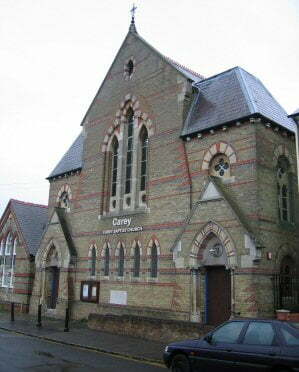
In one of the rooms of Carey Baptist Church, in Hackleton, one can see the pulpit from which William Carey once preached in a thatched cottage. In 1809, when the thatched cottage could no longer accommodate the growing congregation, the church moved to a nearby site and erected a “24 feet by 36 feet” chapel. (The thatched cottage eventually suffered Read more...

Favorite
On October 5, 1783, William Carey walked five miles from Piddington to Northampton, for John Ryland Jr. (1753-1825) to immerse him in the River Nene at 6:00 AM. he was baptized on the spot where the modern railway station is now located. The construction of the station necessitated the rerouting of the River Nene. Carey’s baptism took place where the Read more...
Favorite
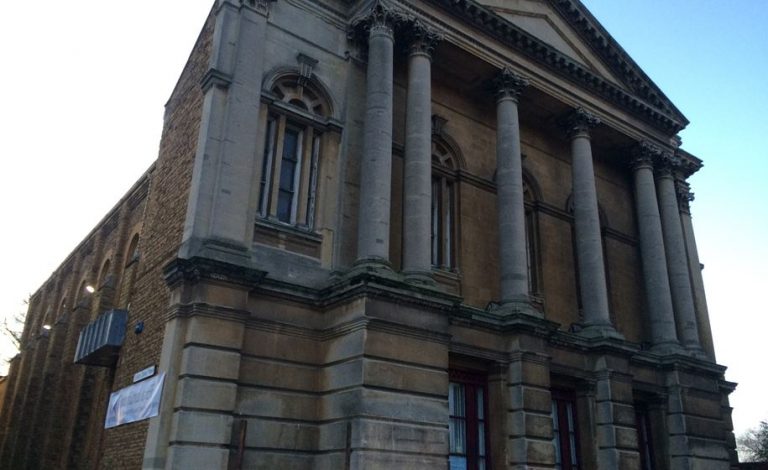
John Collett Ryland Sr. (1723-92) and John Ryland Jr. served the pastorate of Northampton’s College Lane Baptist Church (built in 1697). The church became College Street Baptist Church, in 1863, when the congregation erected a new building on the same site. The church would later close, but, on College Street, one can admire this magnificent building’s classical facade of Corinthian pillars. Read more...
Favorite
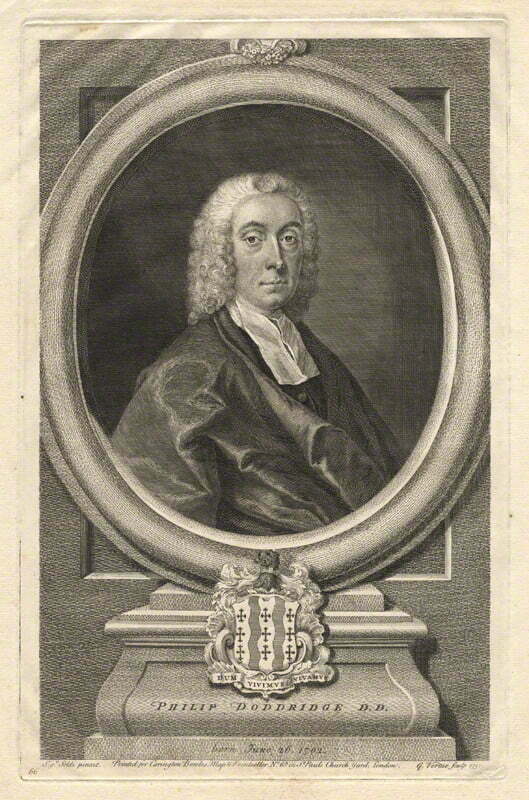
At Doddridge Street (NN1 2RN) is Castle Hill United Reformed Church, once known as Castle Hill Church, where the independent Congregationalist, Phillip Doddridge (1702-51), served as pastor. While Doddridge’s compromising endorsements led many young men toward erroneous doctrines, his songs, such as “O Happy Day,” and his classic book, The Rise and Progress of Religion in the Soul (1745), are still in use. Read more...
Favorite
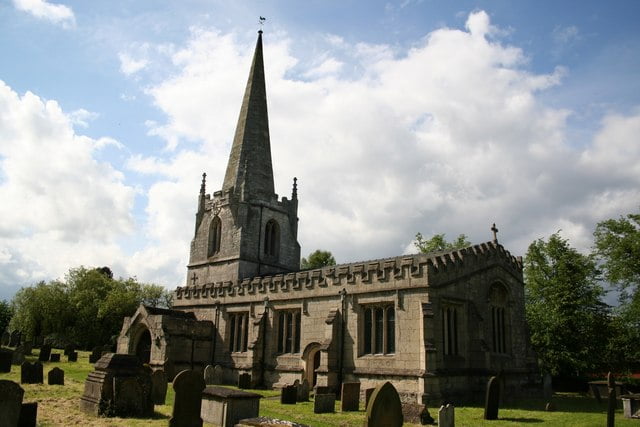
Visit St. Wilfred’s Church (Anglican) from which the Pilgrims separated. copyrighted and used by permission from David Beale, Baptist History in England and America: Personalities, Positions, and Practices Featured Image Credit: Richard Croft / St.Wilfrid’s, Scrooby Read more...
Favorite
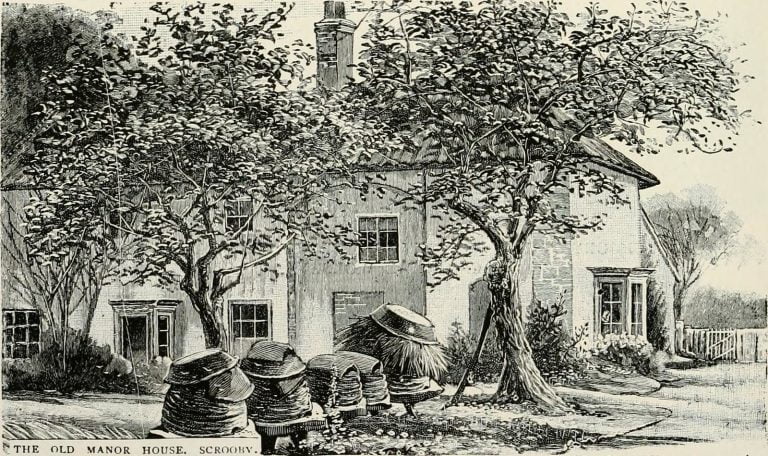
See the only remaining section of Scrooby Manor House where postmaster William Brewster lived, and where the Separatists organized their church in 1606. This is the church that the future Baptist, Thomas Helwys, sacrificially assisted in their escape to Holland. In 1620, many of these Pilgrims would come to the New World on the Mayflower ship. copyrighted and used by permission from Read more...
Favorite
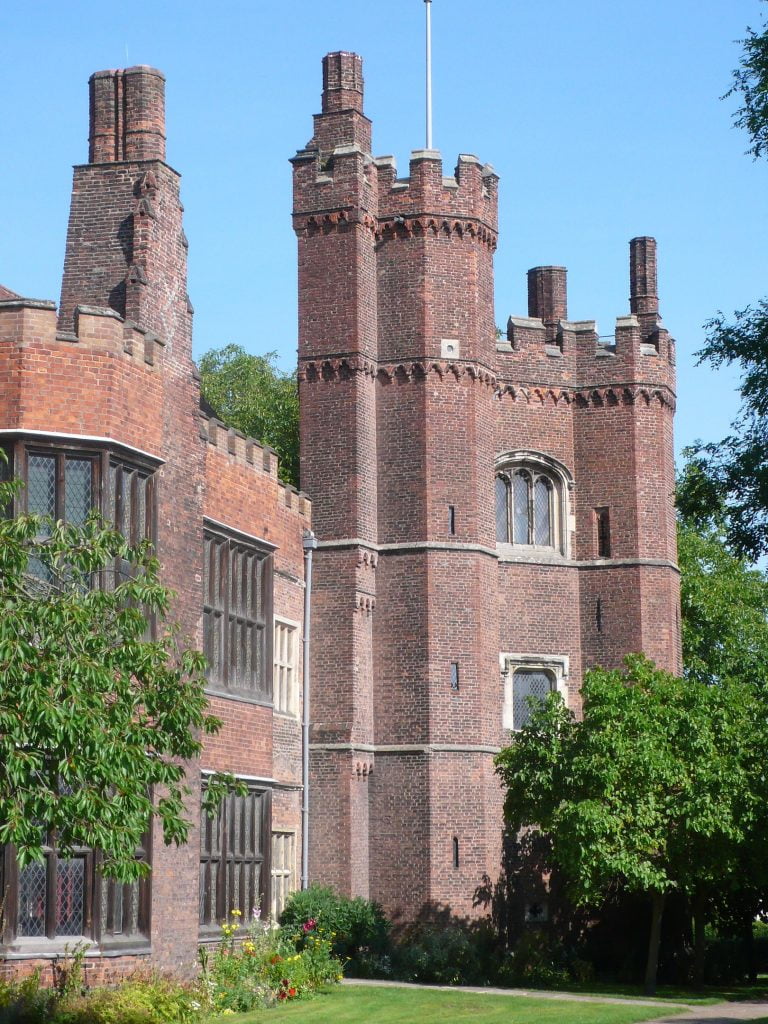
Visit historic Gainsborough Old Hall (Lincolnshire), where John Smyth held his Separatist meetings. From here, in early 1608, Smyth and most of his congregation escaped to Holland. Rich in Separatist history, the Gainsborough Old Hall is well worth a two-hour visit. It has a Gift Shop and Tea Shop. copyrighted and used by permission from David Beale, Baptist History in England Read more...
Favorite
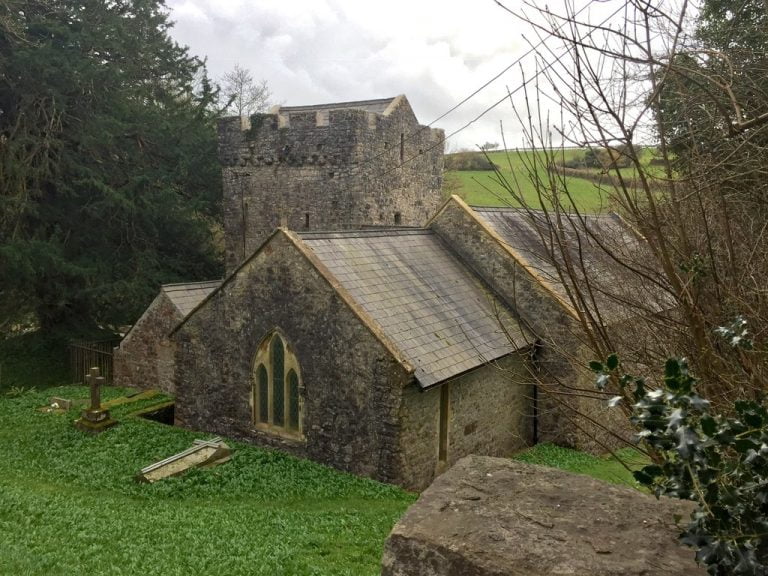
John Myles organized the earliest Baptist church in Wales, in 1651. During Oliver Cromwell’s rule, Myles’s church occupied the thirteenth-century Church of St. Illtyd, located on a small country lane, at Ilston, near the west end of the Swansea airfield. at the Restoration of the British monarchy, in 1660, officials of Charles II ousted John Myles and his congregation from St. Read more...
Favorite
John Clarke’s tombstone stands in the John Clarke Family Cemetery, on the west side of Dr. Marcus Wheatland Boulevard. The key to the cemetery’s padlock is available at the United Baptist Church office. Adjoining the cemetery, a small park has two Memorials to John Clarke: A plaque on a small rock, and a monument, erected by the Baptist History Preservation Society. Read more...
Favorite
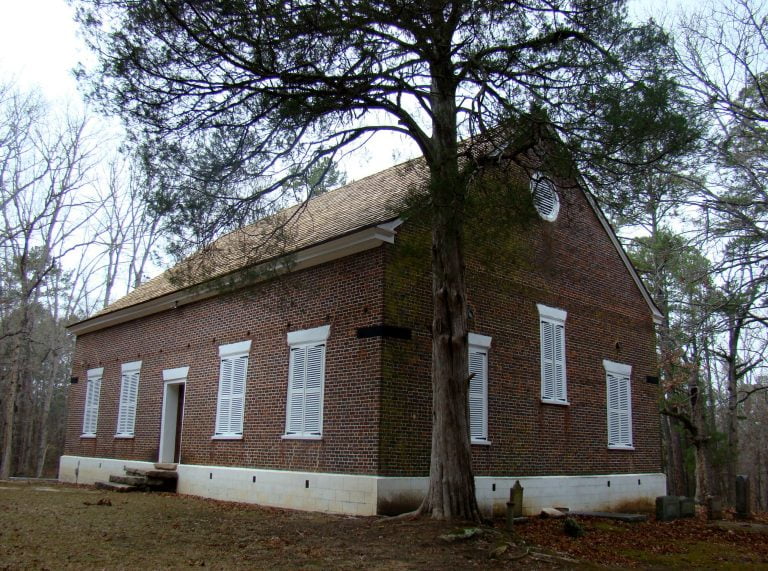
Old Kiokee Baptist Church, founded by Daniel Marshall, is the earliest continuing Baptist church in Georgia. They erected their third (present) meetinghouse, in 1808, with its quaint auditorium, gallery, and hand-hewn pews. The congregation uses this building, at 2520 Ray Owens Road, for special services. For access, contact the church (706-541-1086). Inquire about the Marshall home-site and cemetery. copyrighted and Read more...
Favorite
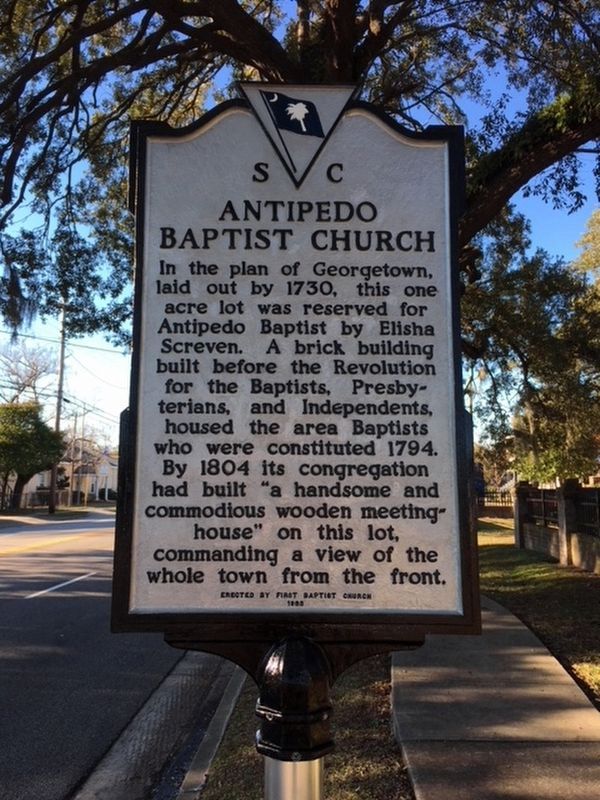
In the 700 block of Church Street, the remains of Edmund Botsford (1745-1819), early pastor of Antipedo Baptist (later First Baptist) Church, lie buried in the Old Baptist Cemtery. A marker was placed at Botsford’s grave in 2004. copyrighted and used by permission from David Beale, Baptist History in England and America: Personalities, Positions, and Practices In the plan Read more...
Favorite
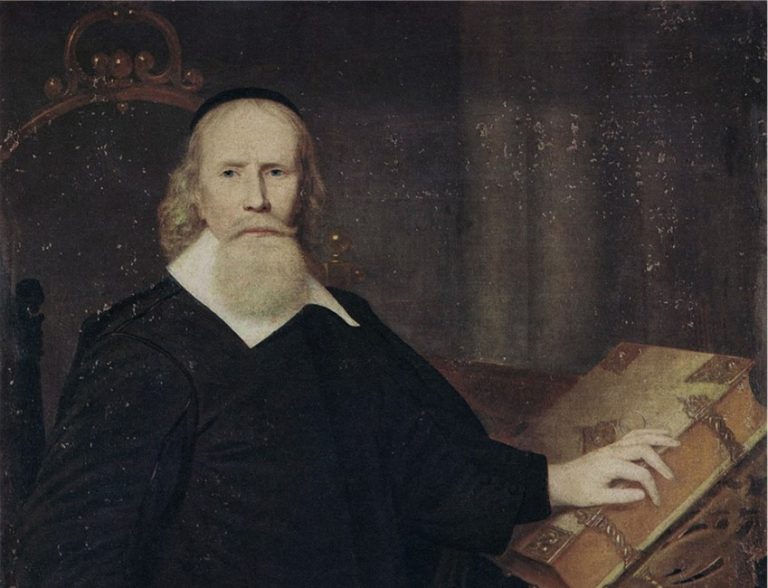
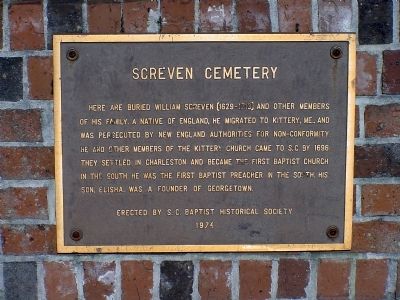
Founded in 1729 by William Screven’s son Elisha, Georgetown lies sixty miles north of Charleston. The Screven family cemetery is on Prince Street, near the intersection of Prince and Scriven Streets. copyrighted and used by permission from David Beale, Baptist History in England and America: Personalities, Positions, and Practices Here are buried William Screven (1624–1713) and other members of his Read more...
Favorite
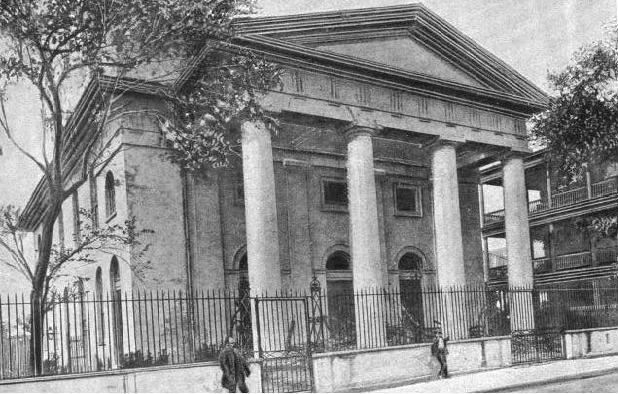
First Baptist Church finds its roots in 1696, when William Screven and his twenty-eight member church (est. 1682) moved from Kittery, Maine, and settled near Charleston, as the earliest Baptist church in the south. In 1698, they moved into Charleston, as First Baptist Church, still located on Church Street. Other early Baptist pastors here include Oliver Hart and Richard Furman. Read more...
Favorite
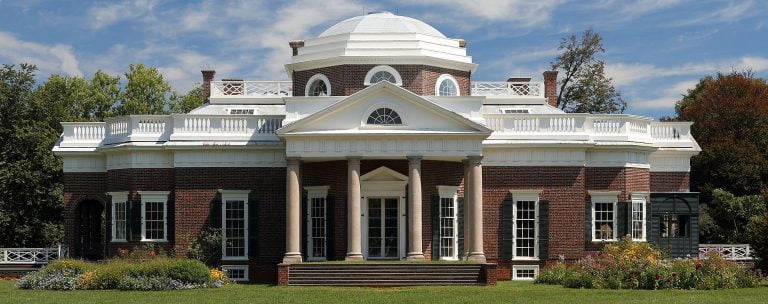
A short drive southwest of Orange is Monticello, at 931 Thomas Jefferson Parkway, Charlottesville, the home of President Thomas Jefferson – principal author of the Declaration of Independence. His tombstone inscription says: Here was buried Thomas Jefferson, author of the Declaration of American Independence, of the Statute of Virginia for Religious Freedom, and father of the University of Virginia. copyrighted and Read more...
Favorite
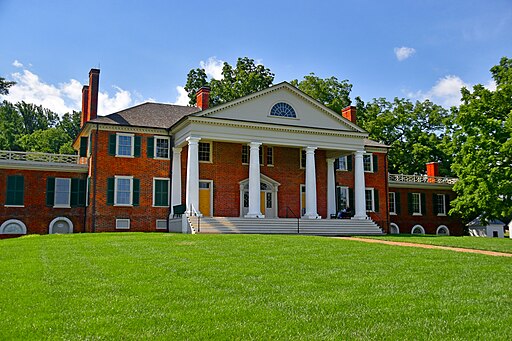
Nearby is Montpelier, home of the two-term, fourth President, James Madison – Father of the Constitution and Architect of the Bill of Rights. It was here that Dolley Madison earned the epithet “America’s first, ‘First Lady’.” Montpelier is at 11350 Constitution Highway, Montpelier Station. copyrighted and used by permission from David Beale, Baptist History in England and America: Personalities, Positions, and Read more...
Favorite
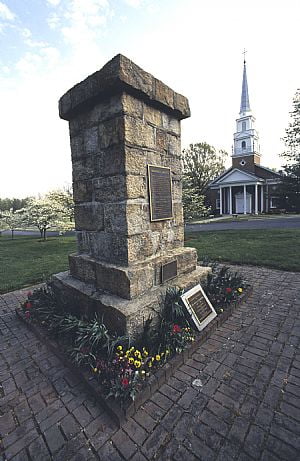
On Washington Avenue, stands the Thomas Jefferson Religious Freedom Monument, made from stones sent from churches across the country. It commemorates Jefferson’s Virginia Religious Freedom Statute, promising that “no man shall… suffer on account of his religious opinions or belief.” The Statute became the basis for the religion clause of the First Amendment. copyrighted and used by permission from David Beale, Baptist History Read more...
Favorite
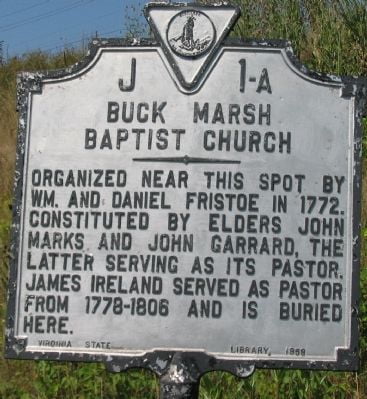
Berryville (formerly Buckmarsh) Baptist Church is at 114 Academy Street. John Gerrard (Garrard, ca. 1720-87), in 1772, constituted the Buckmarsh church. James Ireland (ca. 1745-1806) served the Buckmarsh pastorate from 1786 until his death. Ireland’s remains lie in an unknown grave in the Buckmarsh cemetery. A historical plaque marks the site where Buckmarsh Baptist once stood. The plaque is only Read more...
Favorite
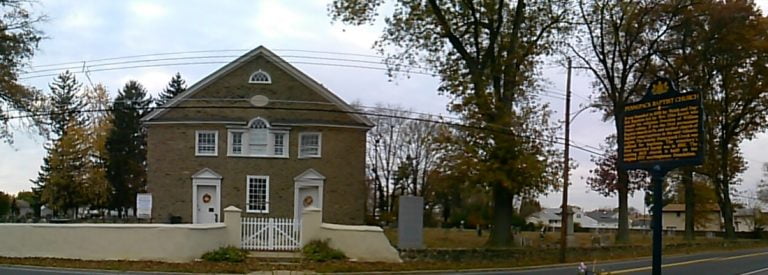
Pennepack Baptist Church, founded by Elias Keach, in 1688, is the oldest surviving Baptist church in the Middle Colonies. In 1805, at the peak of the Second Great Awakening, during the ministry of Samuel Jones, the congregation erected its present (third) building, constructed from fieldstone collected from the surrounding meadows. Straight-backed box pews occupy the main floor. An elegant, high Read more...
Favorite
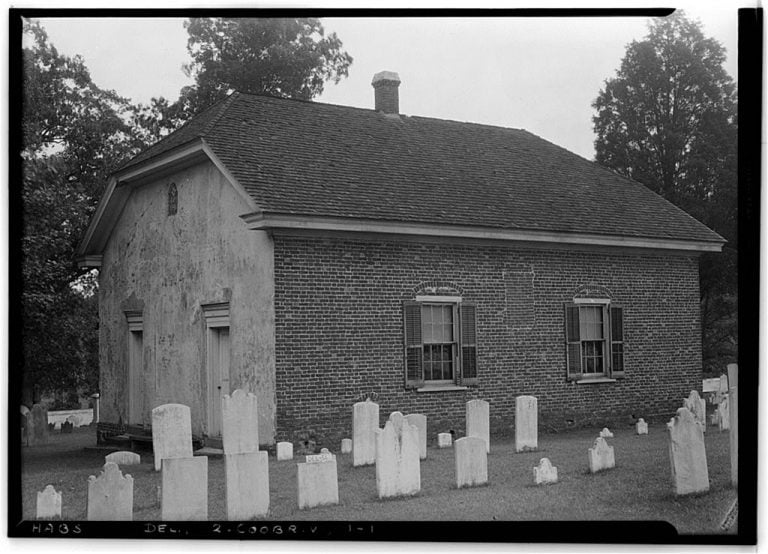
The Welsh Tract Baptist Church, on Welsh Tract Road, originated in 1701, when sixteen people formed the original congregation in Wales. In 1703, they settled on a thousand acre tract of land, granted by William Penn and since known as the Welsh Tract. As the first Baptist church in Delaware and situated a couple of miles south of Newark, they Read more...