Favorite
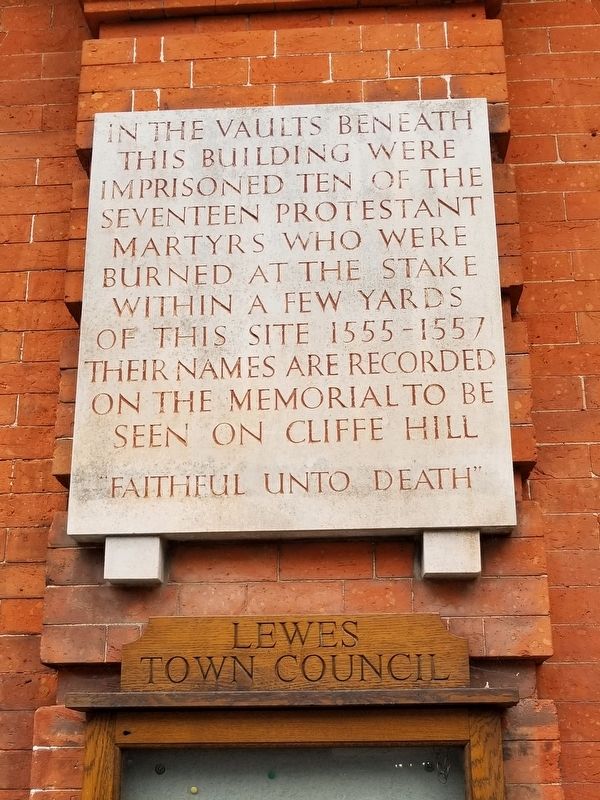
The Protestant Martyrs’ Prison stands as a solemn reminder of religious conflict and steadfast faith during one of the most turbulent periods in European history. Located in the medieval citadel of Sighișoara, this small but historically significant site is traditionally associated with the imprisonment of Protestant believers during times of persecution, particularly in the sixteenth and seventeenth centuries. Sighișoara itself Read more...
Favorite
Hymn History: Nearer, My God, to Thee Author: Sarah Fuller Flower Adams “All who knew Mrs. Adams personally speak of her with enthusiasm; she is described as a woman of singular beauty and attractiveness, delicate and truly feminine, high-minded, and in her days of health playful and high-spirited.” (Richard Garnett) The Origin of the Hymn “Nearer, My God, Read more...
Favorite
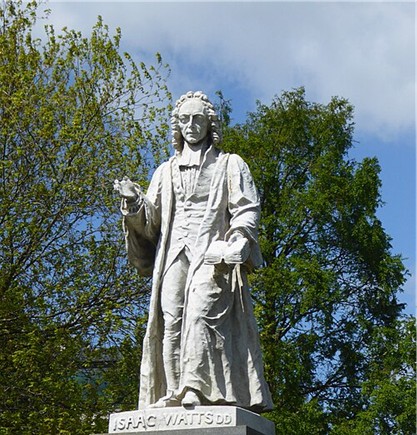
From Wikipedia: Watts was born in Southampton, Hampshire, England, in 1674 and was brought up in the home of a committed religious nonconformist; his father, also Isaac Watts, had been incarcerated twice for his views. Watts had a classical education at King Edward VI School, Southampton, learning Latin, Greek, and Hebrew. BBC: A statue has been given new fingers to mark the 350th birthday of one of Read more...
Favorite
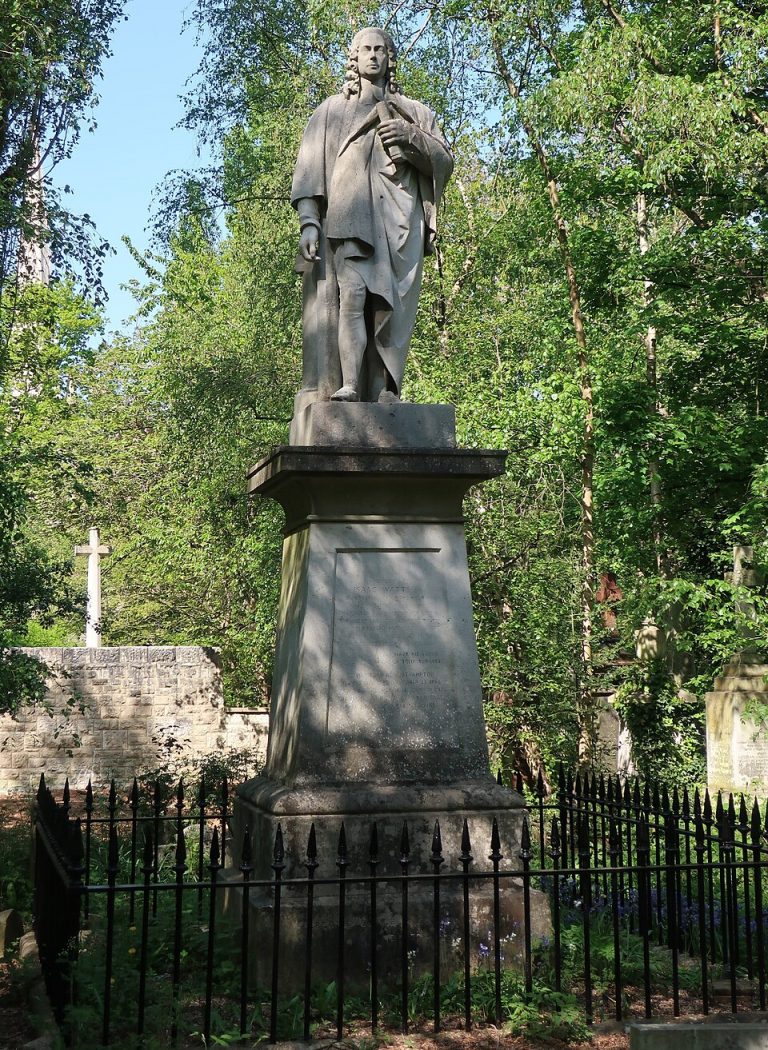
The Isaac Watts Statue Abney Park stands as a lasting tribute to Isaac Watts, one of the most influential figures in the history of English hymnody. Located within Abney Park Cemetery in London, the statue commemorates a man whose writings have shaped Christian worship for over three centuries. Isaac Watts spent the latter part of his life in the home Read more...
Favorite
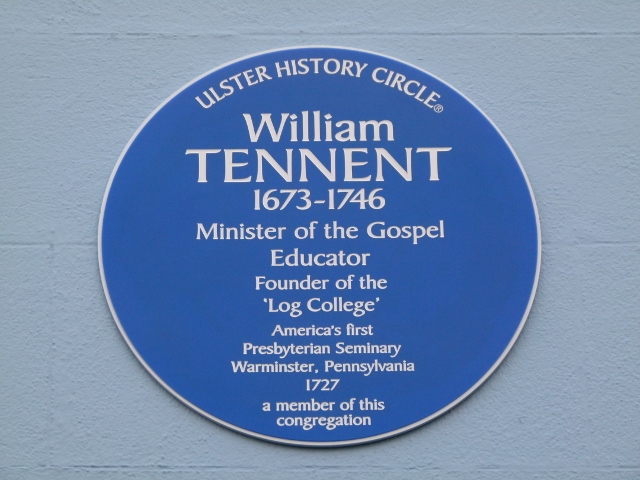
The Neshaminy Presbyterian Church, often associated with William Tennent, stands as one of the most important sites connected with the early Presbyterian movement and the Great Awakening in colonial America. Located in Warminster, Pennsylvania, the church is closely linked to the life and ministry of Tennent, whose influence helped shape American evangelical religion in the eighteenth century. William Tennent, born Read more...
Favorite
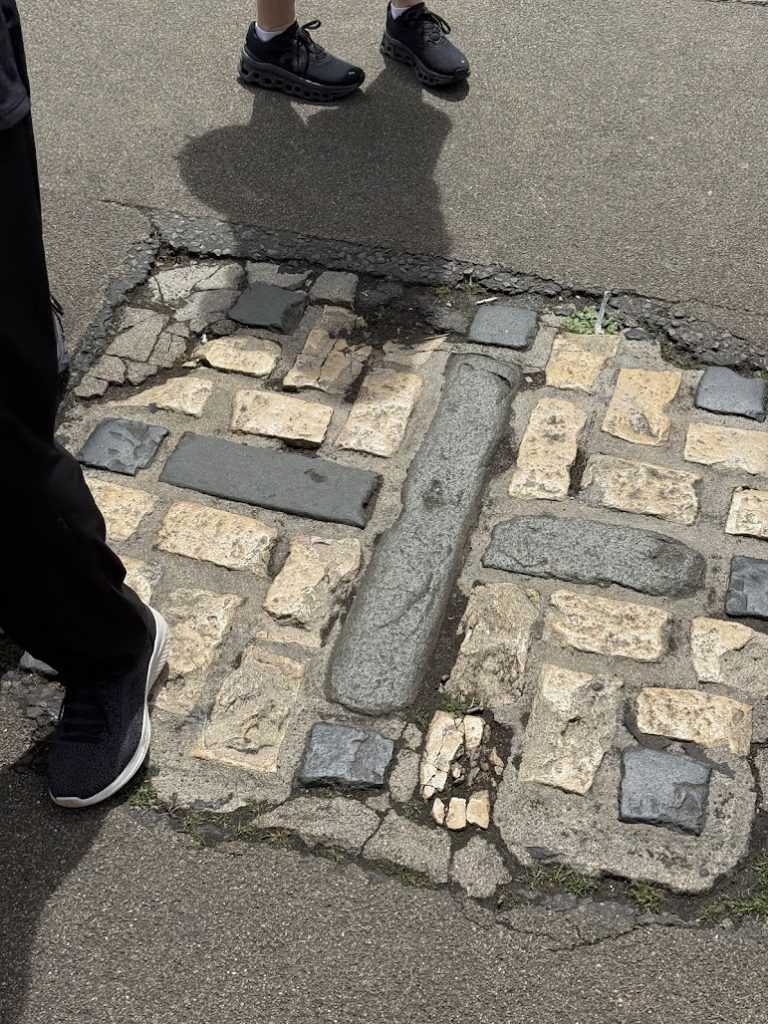
Erwin Lutzer at the Martyr’s Cross: Mary Tudor believes it’s God’s will that she turn England back to Catholicism. And she thought that if she killed a number of martyrs, if she killed a number of people, a number of Protestants, surely the country would turn back. Well, she killed nearly 300, but there are three that are famous, and Read more...
Favorite
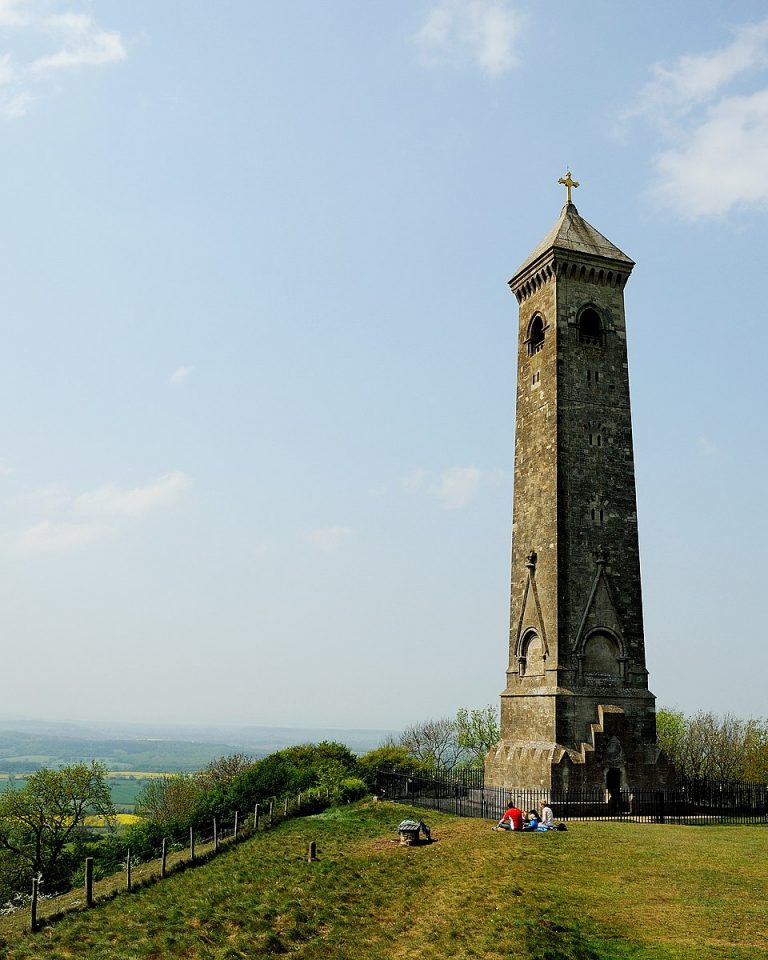
The Tyndale Monument stands as a prominent memorial to one of the most important figures in the history of the English Bible, William Tyndale. Situated on a hill overlooking the village of North Nibley, the monument rises high above the surrounding countryside and serves as a visible tribute to Tyndale’s enduring legacy. The monument was completed in 1866, more than Read more...
Favorite
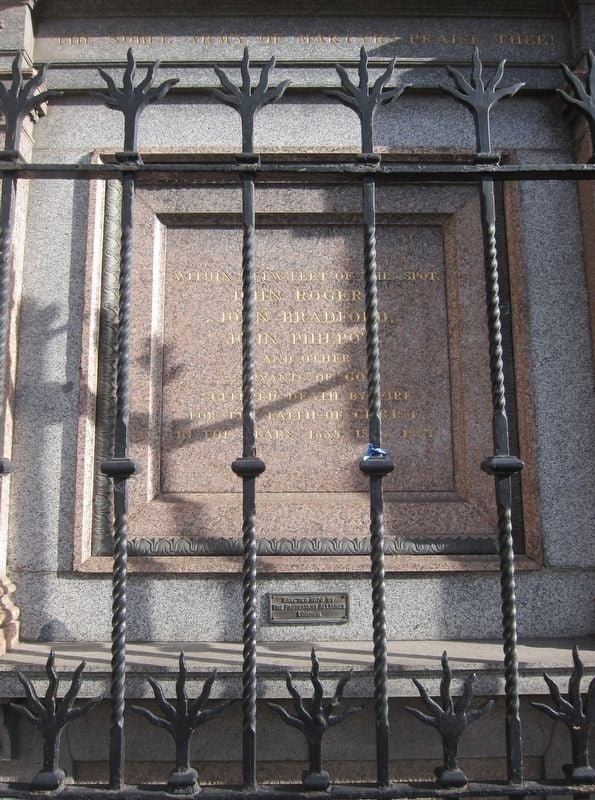
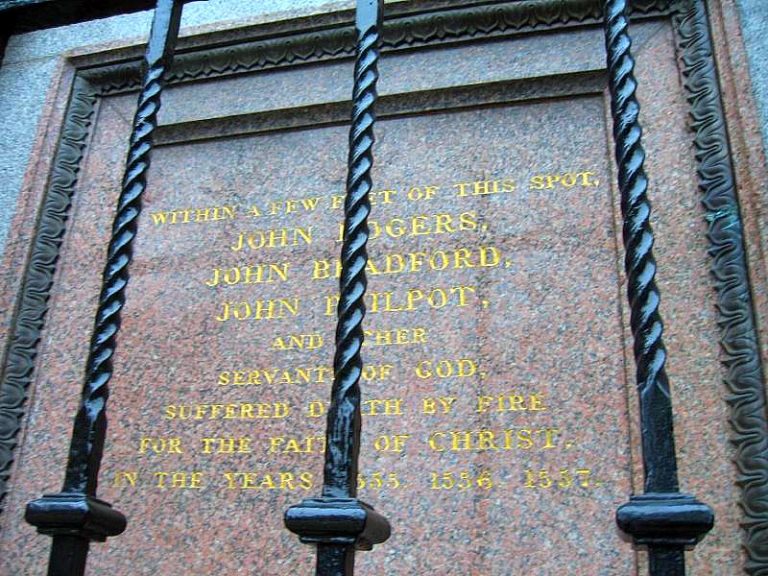
Inscription Within a few feet of this spot, John Rogers, John Bradford, John Philpot, and other servants of God, suffered death by fire for the faith of Christ, in the years 1555, 1556, 1557. _____ The Marian Persecutions represent one of the most dramatic and tragic chapters in the history of the English Reformation. During the reign of Mary I Read more...
Favorite
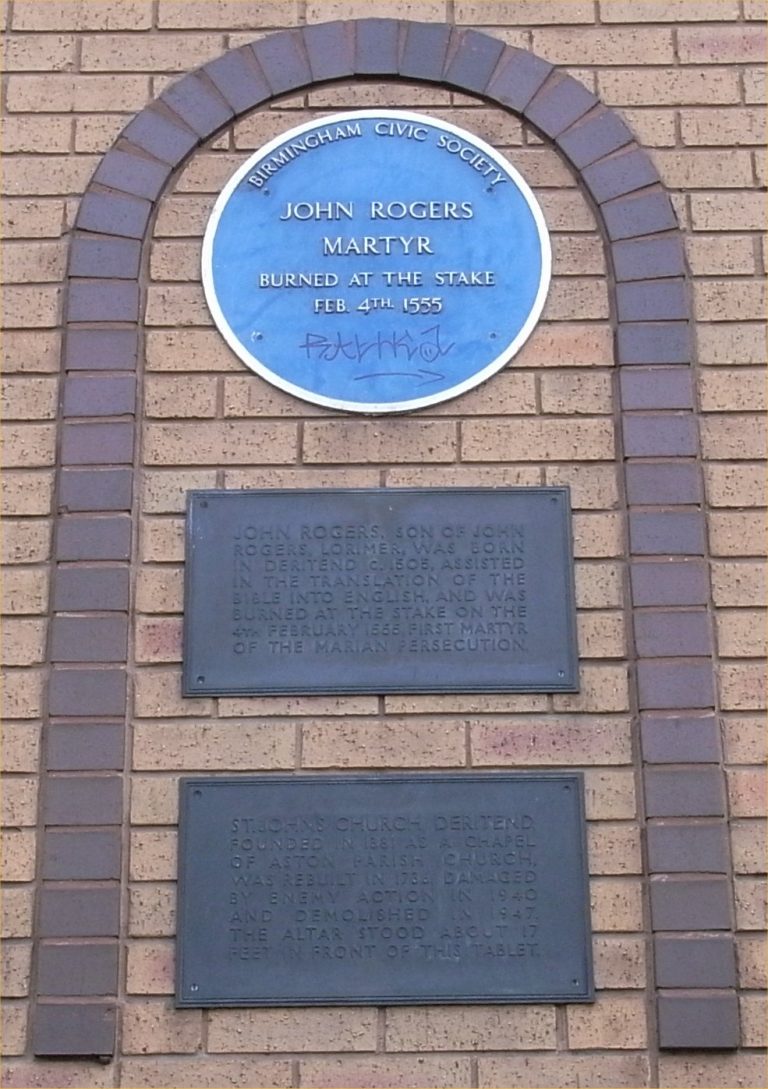
John Rogers (c. 1500–1555) was one of the earliest and most notable martyrs of the English Reformation. A committed Protestant preacher and Bible translator, Rogers became the first individual executed for his faith during the reign of Mary I of England. His courage in the face of persecution made him an enduring symbol of Protestant conviction in sixteenth-century England. Rogers Read more...
Favorite
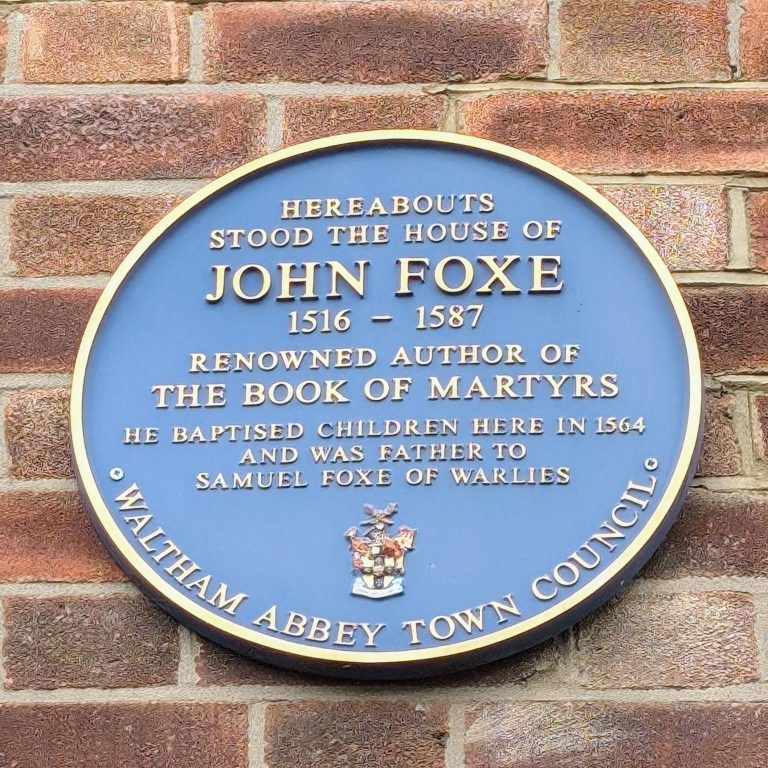
John Foxe (1516–1587) was an English historian and Protestant writer best known for his influential work documenting the suffering of Christians during periods of religious persecution. His writings played an important role in shaping Protestant identity in England and preserving the memory of those who died for their faith during the English Reformation. Foxe was born in 1516 in Boston. Read more...
Favorite
The Smithfield Martyrs Memorial stands as a solemn reminder of the religious conflicts that marked the English Reformation. Located in London near the historic district of Smithfield Market, the memorial commemorates the Protestant men and women who were executed there during the reign of Mary I of England in the mid–sixteenth century. Smithfield had long been an open area outside Read more...
Favorite
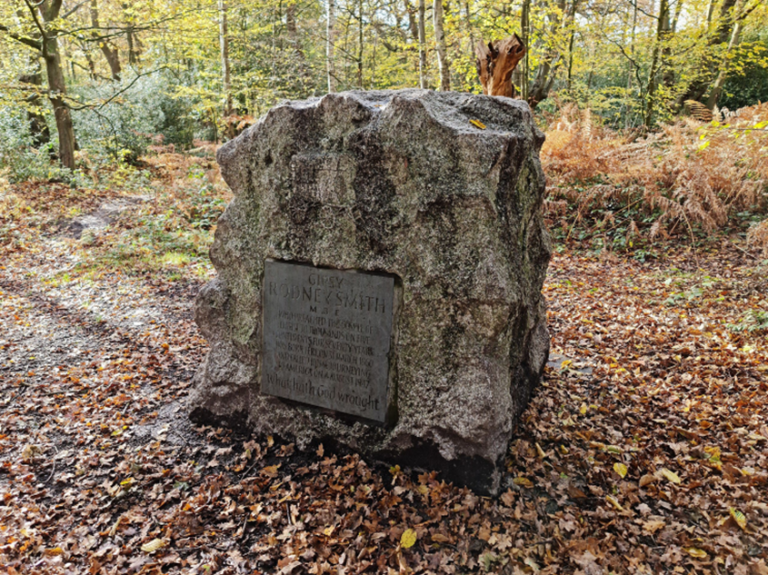
The Gypsy Stone The Gypsy Stone is a small but meaningful landmark long connected with the life and ministry of the evangelist Rodney “Gypsy” Smith, one of the most beloved revival preachers of the late nineteenth and early twentieth centuries. Located near Epping Forest in England, this simple stone marks the place where Smith, then a young Romani boy living Read more...
Favorite
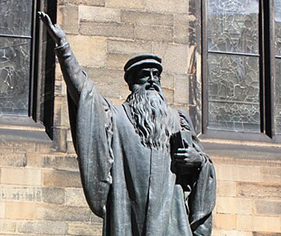
Watch Our Christian Heritage interview with Dr. David Saxon on John Knox: John Knox 1514-1572 Erected by Scotsmen who are mindful of the benefits conferred by John Knox on their native land 1896 _____ Image Source/Credit: • Stephencdickson, CC BY-SA 3.0 <https://creativecommons.org/licenses/by-sa/3.0>, via Wikimedia Commons Read more...
Favorite
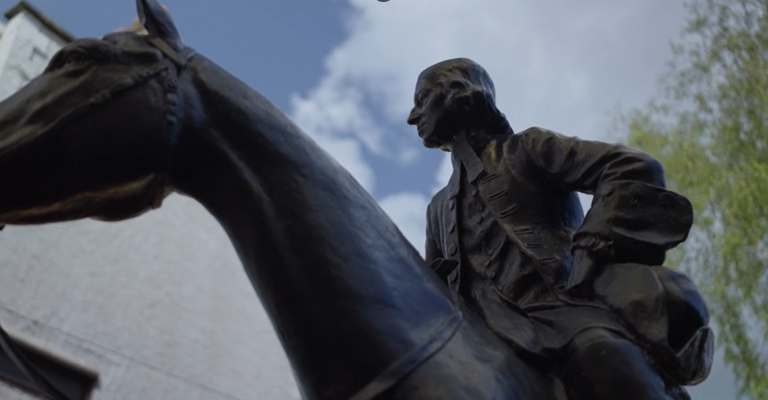
Erwin Lutzer explains the John Wesley Statue Welcome to Bristol, England. Behind me is a statue of John Wesley, one of the greatest evangelists of all time. Wesley lived in the 1700s, and of course he was a man who spent a great deal of time on horseback. because he preached the gospel of Jesus Christ throughout England. He went Read more...
Favorite
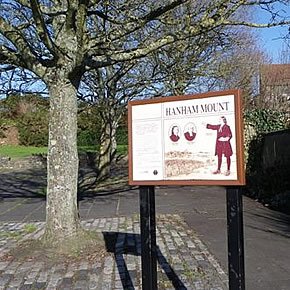
Erwin Lutzer explains the significance of Hanham Mount: Every once in a while you have the opportunity of standing somewhere that you’ve read about all of your life and you begin to understand the significance of the place and somehow it even becomes a very reverent place because you know that something very significant happened right here. I’m actually standing Read more...
Favorite
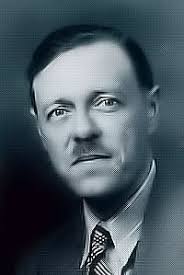
Hymn History: Have I Done My Best for Jesus? Author: E. Edwin Young “I wonder, have I done my best for Jesus, Who died upon the cruel tree?” (E. Edwin Young) The Origin of the Hymn “Have I Done My Best for Jesus?” The hymn “Have I Done My Best for Jesus?” is attributed to E. Edwin Young, Read more...
Favorite
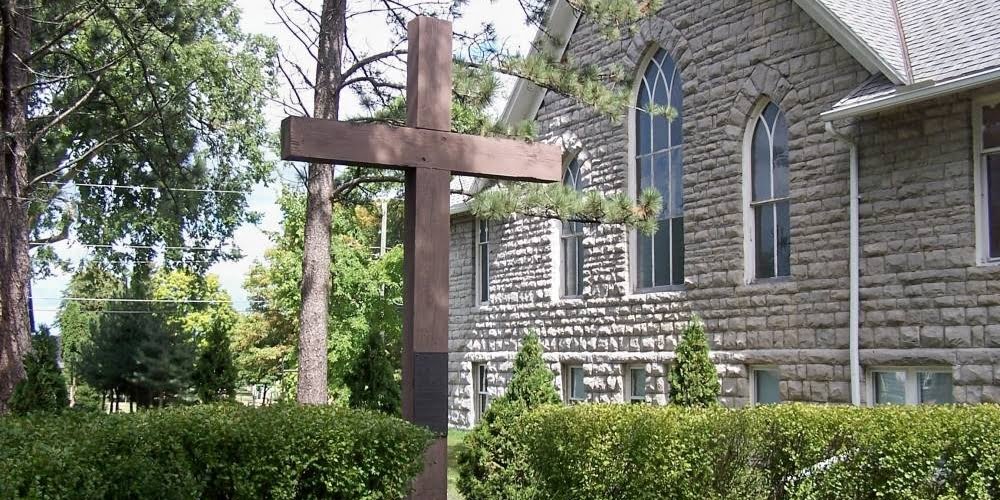
Wikipedia: George Bennard was a native of Youngstown, Ohio, but was reared in Iowa. After his conversion in a Salvation Army meeting, he and his wife became brigade leaders before leaving the organization for the Methodist Church.[1] As a Methodist evangelist, Bennard wrote the first verse of “The Old Rugged Cross” in Albion, Michigan, in the fall of 1912[a] as Read more...
Favorite
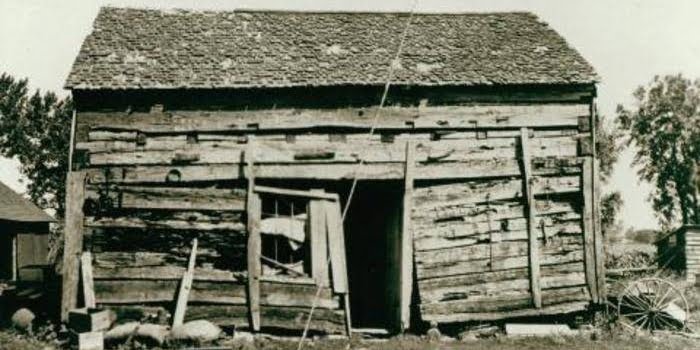
Billy Sunday home from 1862-1872. Road renamed Billy Sunday Lane Burial of Albert Sunday, older brother of Billy, and Mary Jane Corey, Billy’s mother Image Credit: Sep 20, 1916, Page 11 – Boston Post at Newspapers.com. www.newspapers.com/image/74642292/?match=1&terms=%22boyhood%20days%20again%3A%20billy%20sunday%22. 1851 – Squire Martin Cory (maternal grandfather of Billy Sunday) settlement started with a Land Patent on 160 acres 1862 – Read more...
Favorite
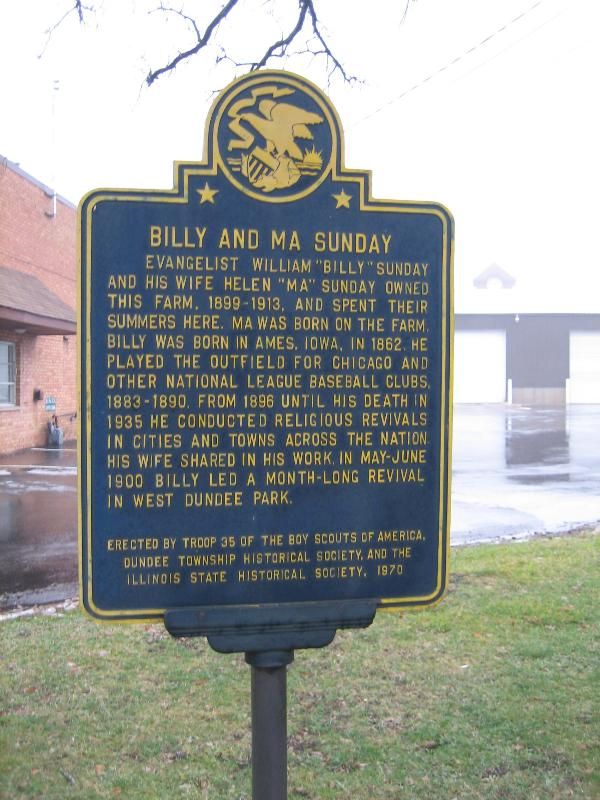
Halfway between O’Hare Airport and Rockford Illinois is a historical marker about a famous evangelist. Billy Sunday had given up professional baseball for the Chicago White Stockings in 1890 and began holding evangelistic meetings across the nation. During the summers he would take a break from the road – he wanted a place that felt like his hometown of Ames, Read more...
Favorite
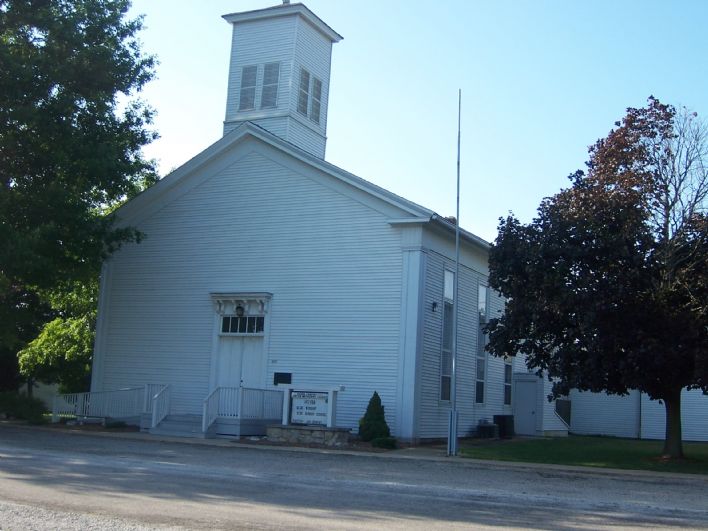
The story of Peter Cartwright United Methodist Church is deeply rooted in the early days of American frontier life and the spread of Methodism across the Midwest. More than just a local congregation, the church stands as a lasting testament to the work and influence of Peter Cartwright, one of the most energetic and influential preachers of the nineteenth century. Read more...