Favorite
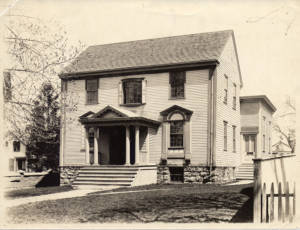
Newport Historical Society is one of the oldest historical organizations in the United States, dedicated to preserving and interpreting the rich past of Newport. Founded in 1854, the society has played a central role in safeguarding the city’s heritage, which spans colonial settlement, religious diversity, maritime trade, and the American Revolution. Newport itself was established in 1639 by settlers seeking Read more...
Favorite
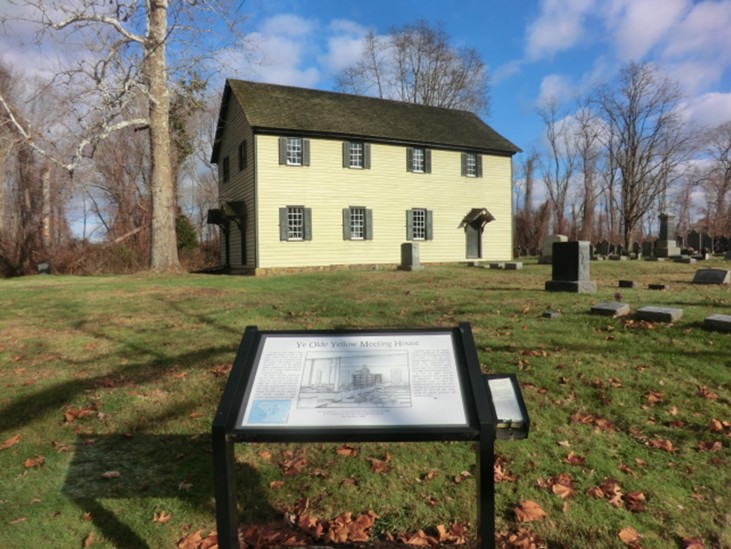
Ye Olde Yellow Meeting House, located on Yellow Meetinghouse Road, off Route 526, dates to about 1737. Its earliest records, beginning in 1766, are in a 165-page handwritten “Church Book: Giving an Account of ye First Settlement & Progress of the Baptists at Crosswicks, or Upper Freehold.” In 1766, its forty-seven members organized into Crosswicks Baptist Church. In 1773, its Read more...
Favorite
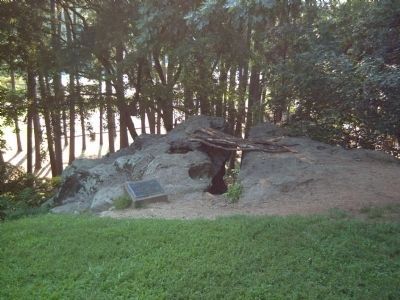
Marked by a tall obelisk at 1500 Washington Avenue, is the grave of George Washington’s mother. Near the obelisk, an inscription on Meditation Rock says of her, “Here Mary Ball Washington prayed for the safety of her son and country during the dark days of the Revolution.” Mary’s home is at 1200 Charles Street. Copyrighted and used by permission from David Read more...
Favorite
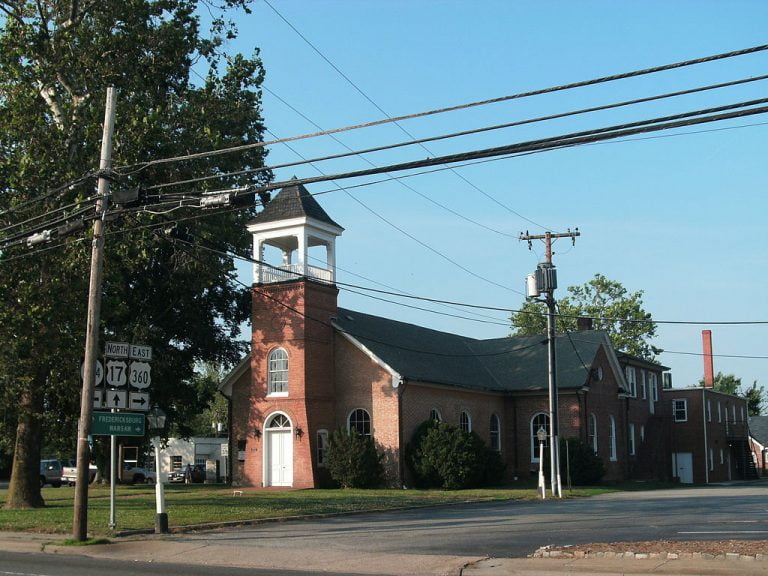
Old Essex County Courthouse, commonly known as the 1728 Essex County Courthouse, is one of the oldest surviving courthouses in the United States and a remarkable example of colonial architecture in Virginia. Located in the historic town of Tappahannock, the building stands as a lasting witness to the legal, political, and social life of early America. Constructed in 1728, the Read more...
Favorite
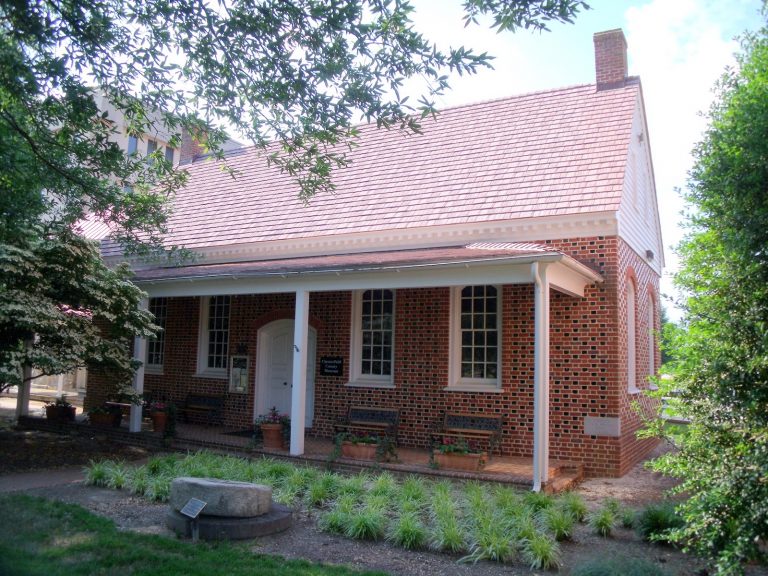
The Chesterfield County Museum provides more than a general survey of local history—it offers valuable insight into the development of religious liberty in Virginia, one of the earliest and most influential regions in the struggle for freedom of conscience in America. Through its exhibits and preserved artifacts, the museum connects visitors to a time when the right to worship freely Read more...

Favorite
The grave of Virginia Governor Patrick Henry, a friend of persecuted Baptists, is at Patrick Henry National Memorial, 1497 Red Hill Road, Brookneal, VA 24528. This beautiful plantation is called Red Hill. Copyrighted and used by permission from David Beale, Baptist History in England and America: Personalities, Positions, and Practices Patrick Henry (1736-1799) loved freedom – risking his life and Read more...
Favorite
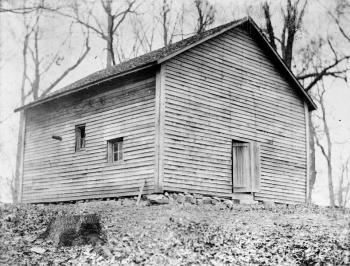
Shubal Stearns (1706–1771) was one of the most influential figures in the spread of Baptist life in the American South during the eighteenth century. His leadership at Sandy Creek Baptist Church helped spark a powerful revival movement that reshaped the religious landscape of the southern colonies and left a lasting legacy on American Christianity. Stearns was born in Boston, Massachusetts, Read more...
Favorite
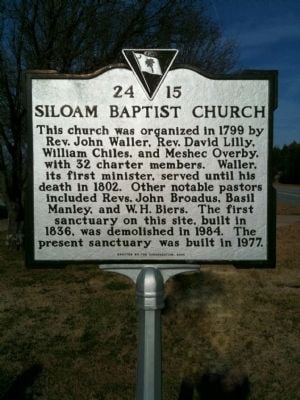
Siloam Baptist Church and John Waller are closely connected to the rise of Baptist life and the struggle for religious liberty in eighteenth-century Virginia. Their story reflects a time when Baptist preachers faced opposition from established religious authorities and yet helped lay the groundwork for the freedoms later secured in American law. John Waller, born in 1741, was an unlikely Read more...
Favorite
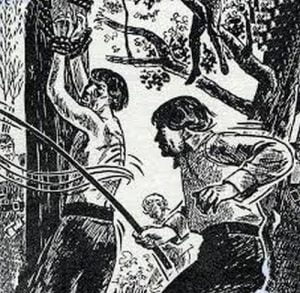
“I determined never to rest until it pleased God to show mercy or cut me off … I hasted into a neighbouring wood, and dropped on my knees before God, to beg for mercy. In an instant, I felt my heart melt and a sweet application of the Redeemer’s love to my poor soul.” John Waller was somewhat of Read more...
Favorite
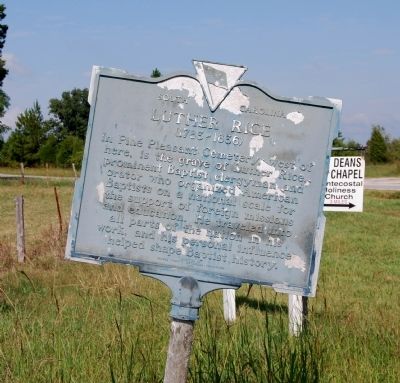
Luther Rice (1783–1836) was a pivotal figure in the early development of Baptist missions and institutions in the United States. Though less widely known than some of his contemporaries, his influence was profound, particularly in organizing support for global missions and in helping to establish what would become one of the leading Baptist universities in America. Rice was born in Read more...
Favorite
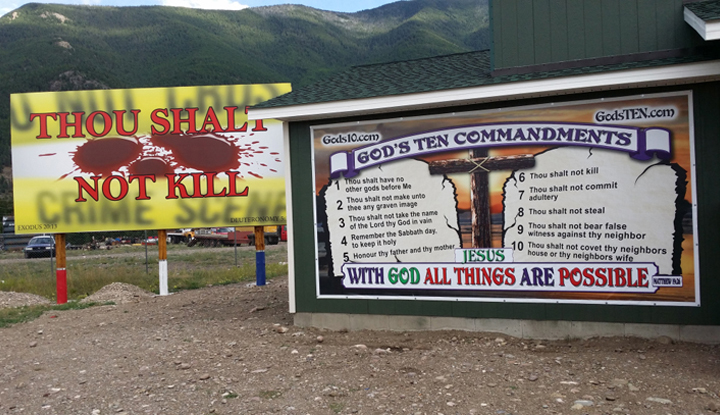
God’s Ten Commandments Park is a distinctive religious landmark located in southern Illinois. Overlooking the town of Murphysboro from a wooded hillside, the park has become known for its large-scale displays of biblical scenes, particularly its prominent monument to the Ten Commandments. Combining religious devotion, folk art, and local initiative, the park reflects a unique expression of faith in the Read more...
Favorite
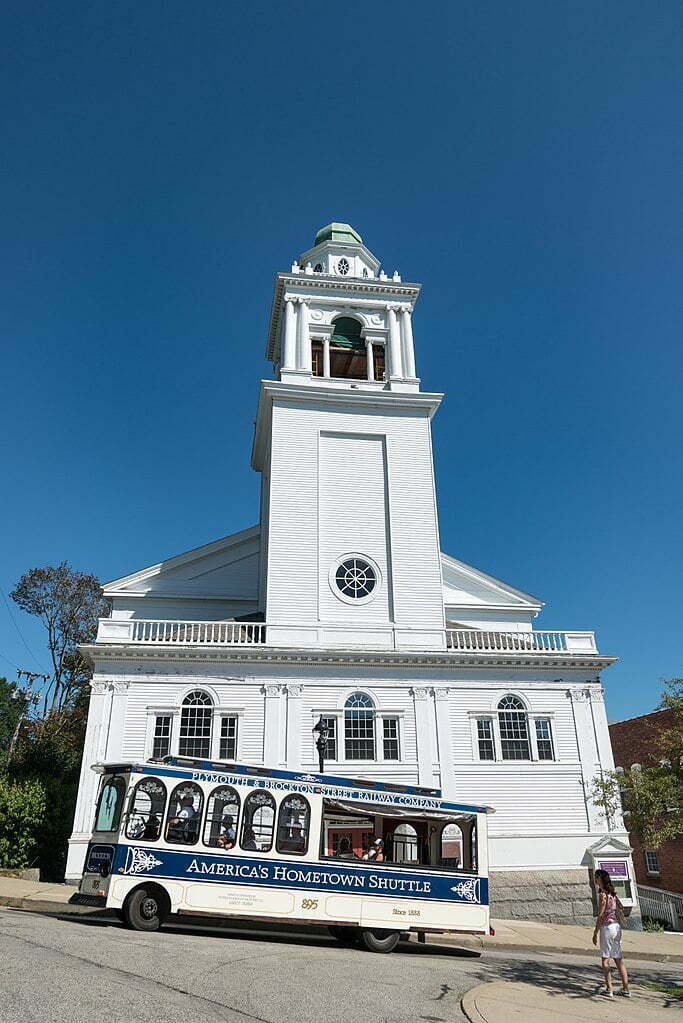
In 1801, the Church of the Pilgrimage broke off from the First Parish Church in Plymouth in the Unitarian Controversy. The Congregationalists formed this church, which later became part of the United Church of Christ. On the front of the church is this plaque: This tablet is inscribed in grateful memory of the Pilgrims and of their successors who Read more...
Favorite
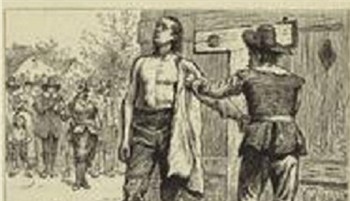
Watch Dr. David Saxon retell the story of Obadiah Holmes on Our Christian Heritage on VCY.tv Obadiah Holmes was born in England and came to Massachusetts Bay after adopting credobaptism (baptism by belief) as opposed to the Puritan pedobaptism (baptism of infants), he was evicted from Rehoboth, MA and joined John Clarke at his Baptist Church in Newport, Rhode Island. Read more...
Favorite
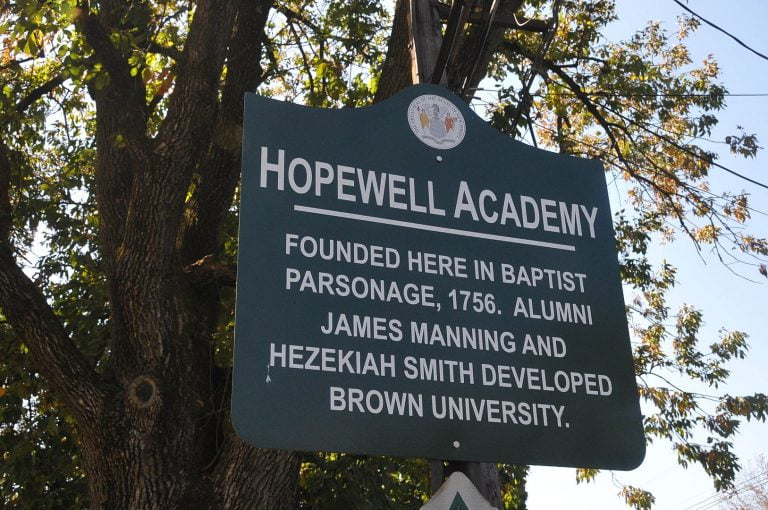
Hopewell Academy was one of the earliest and most influential educational institutions established by Baptists in colonial America. Founded in 1756 in Hopewell, the academy played a significant role in shaping both religious leadership and higher education in the colonies, leaving a legacy that extended far beyond its modest beginnings. The academy was established under the leadership of Isaac Eaton, Read more...
Favorite
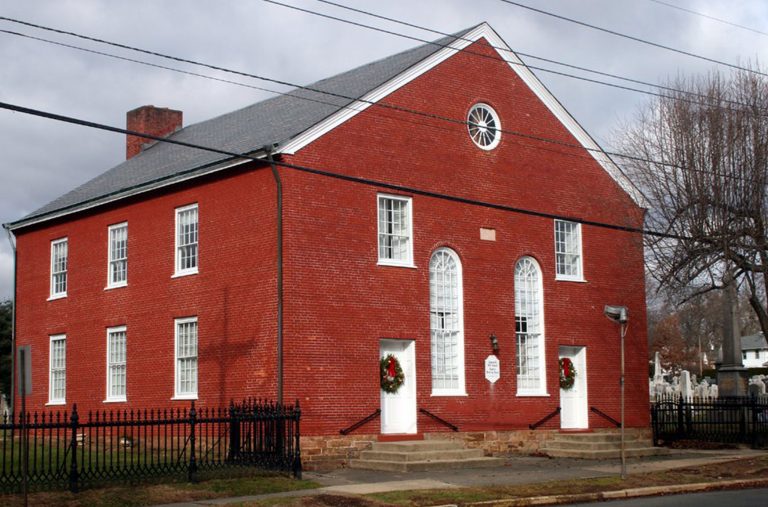
Hopewell Baptist Church is one of the oldest Baptist congregations in New Jersey, with roots reaching back into the early eighteenth century. Its history reflects the growth of Baptist life in the Middle Colonies and its connection to the broader movement for religious liberty in early America. The church was founded in 1715 in the rural community of Hopewell, during Read more...
Favorite
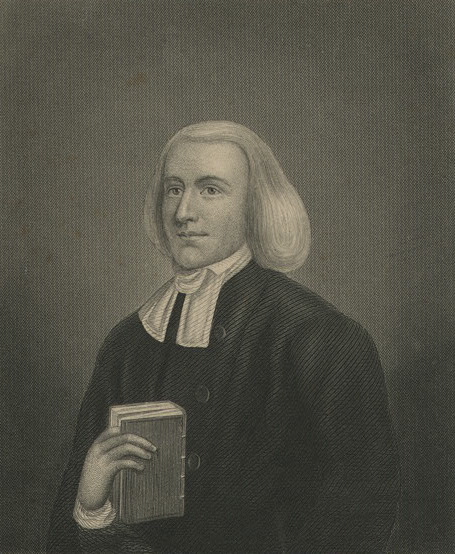
The story of John Gano and First Baptist Church in the City of New York offers a vivid glimpse into the growth of Baptist life in colonial and early American history. Together, they represent both the spread of evangelical religion in the northern colonies and the role of faith during the founding era of the United States. John Gano was Read more...
Favorite
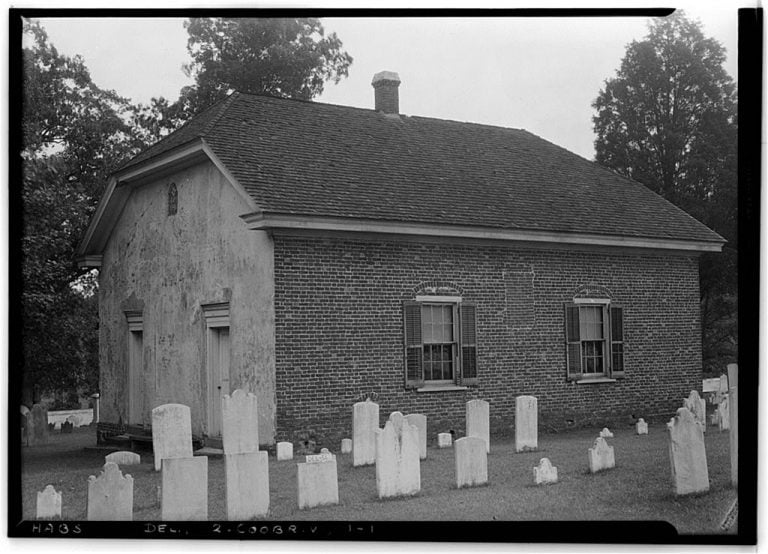
The Welsh Tract Baptist Church, on Welsh Tract Road, originated in 1701, when sixteen people formed the original congregation in Wales. In 1703, they settled on a thousand acre tract of land, granted by William Penn and since known as the Welsh Tract. As the first Baptist church in Delaware and situated a couple of miles south of Newark, they Read more...
Favorite
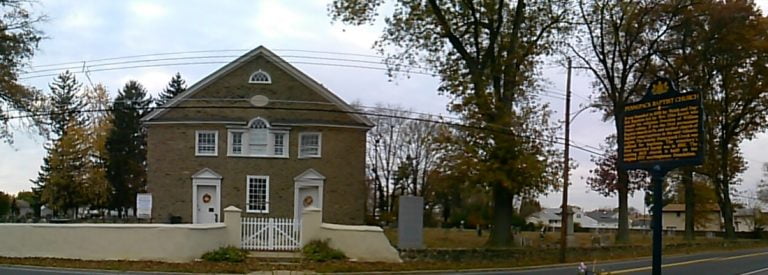
Pennepack Baptist Church, founded by Elias Keach, in 1688, is the oldest surviving Baptist church in the Middle Colonies. In 1805, at the peak of the Second Great Awakening, during the ministry of Samuel Jones, the congregation erected its present (third) building, constructed from fieldstone collected from the surrounding meadows. Straight-backed box pews occupy the main floor. An elegant, high Read more...
Favorite
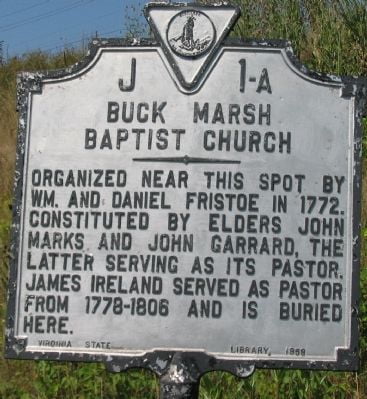
Berryville Baptist Church—formerly known as Buckmarsh Baptist Church—represents one of the enduring threads of Baptist history in the Shenandoah Valley of Virginia. Its story reflects both continuity and change, tracing a path from early frontier religion to an established community presence in the town of Berryville. The church’s origins date back to around 1773, when Buckmarsh Baptist Church was organized Read more...
Favorite
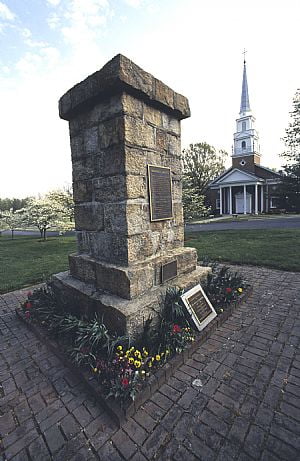
On Washington Avenue, stands the Thomas Jefferson Religious Freedom Monument, made from stones sent from churches across the country. It commemorates Jefferson’s Virginia Religious Freedom Statute, promising that “no man shall… suffer on account of his religious opinions or belief.” The Statute became the basis for the religion clause of the First Amendment. copyrighted and used by permission from David Beale, Baptist History Read more...