Favorite
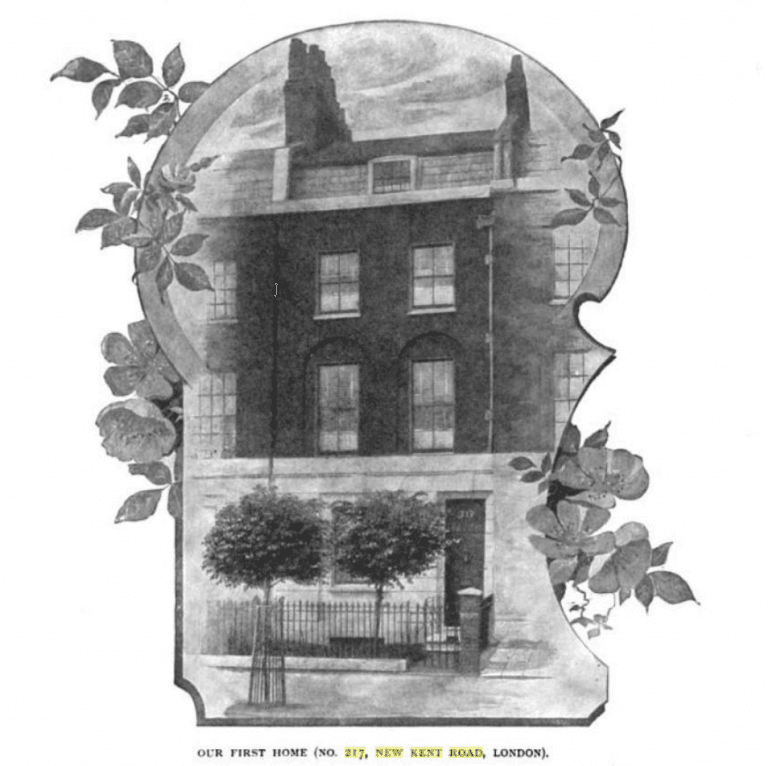
Weekly Examiner • Page 7 Saturday, October 25, 1856 Huddersfield, West Yorkshire, England HEALTH OF THE REV. MR. SPURGEON. Mr. Spurgeon, we are informed, is not at his residence in the Kent-road; but has removed out of town. He labours, we apprehend, not so much from excitement, as from the reaction consequent on the events of the terrible evening. His Read more...
Favorite
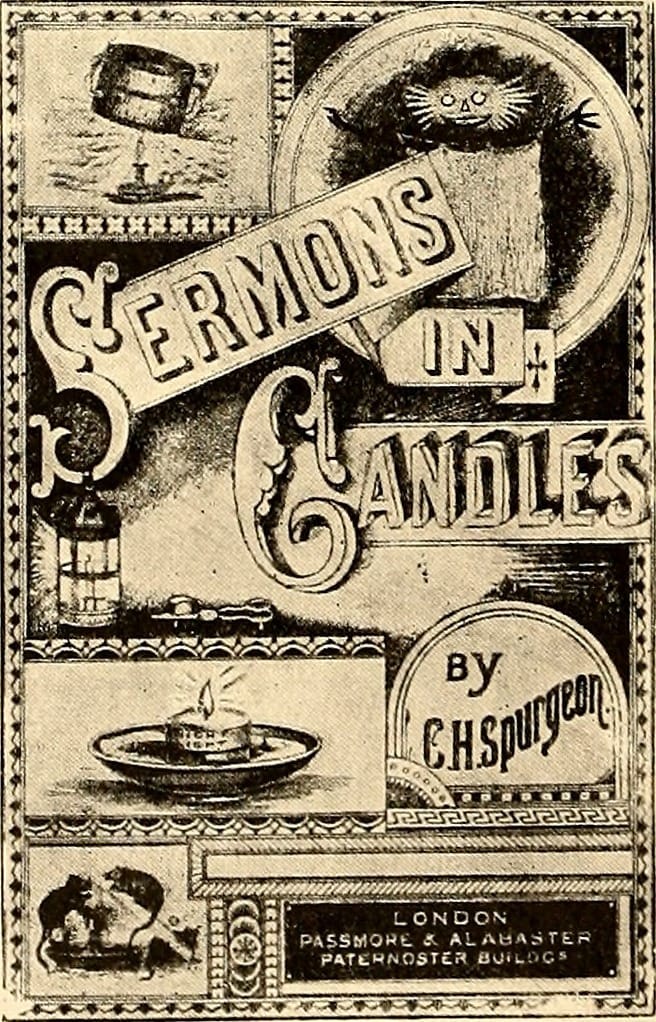
A Pilgrim’s Coffer: Joseph Passmore was the grandson of Mary Rippon, sister of Rev. John Rippon—who opened and presided over the congregation at New Park Street Chapel several decades before C.H. Spurgeon arrived. Shortly after Spurgeon’s arrival, he and Passmore struck up a friendship and, in January of 1855, Passmore & Alabaster began printing every original sermon and direct work Read more...
Favorite
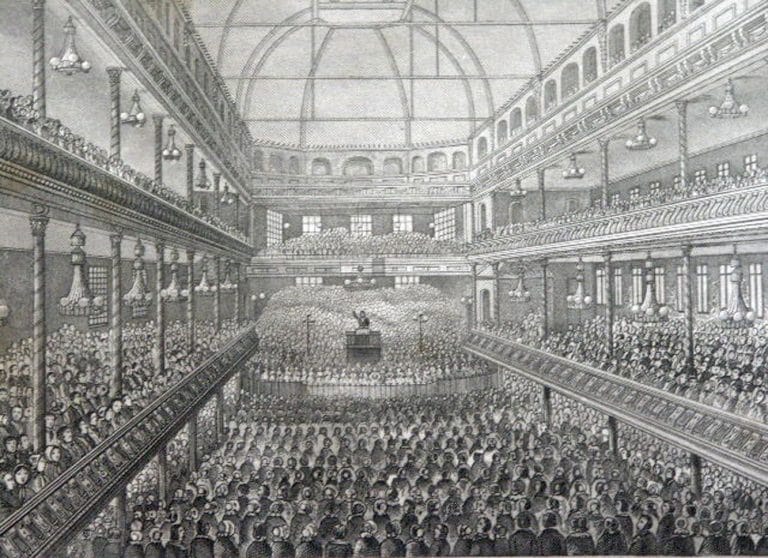
A Sunday School is still operated by Metropolitan Tabernacle in the neighborhood. Wikipedia: The famous Baptist preacher Charles Spurgeon held religious services at the Music Hall in weekends because the New Park Street Chapel could not contain his audiences. The first service was held on the evening of Sunday 19 October 1856, with an audience of 10,000 inside and as many outside unable to enter. Read more...
Favorite
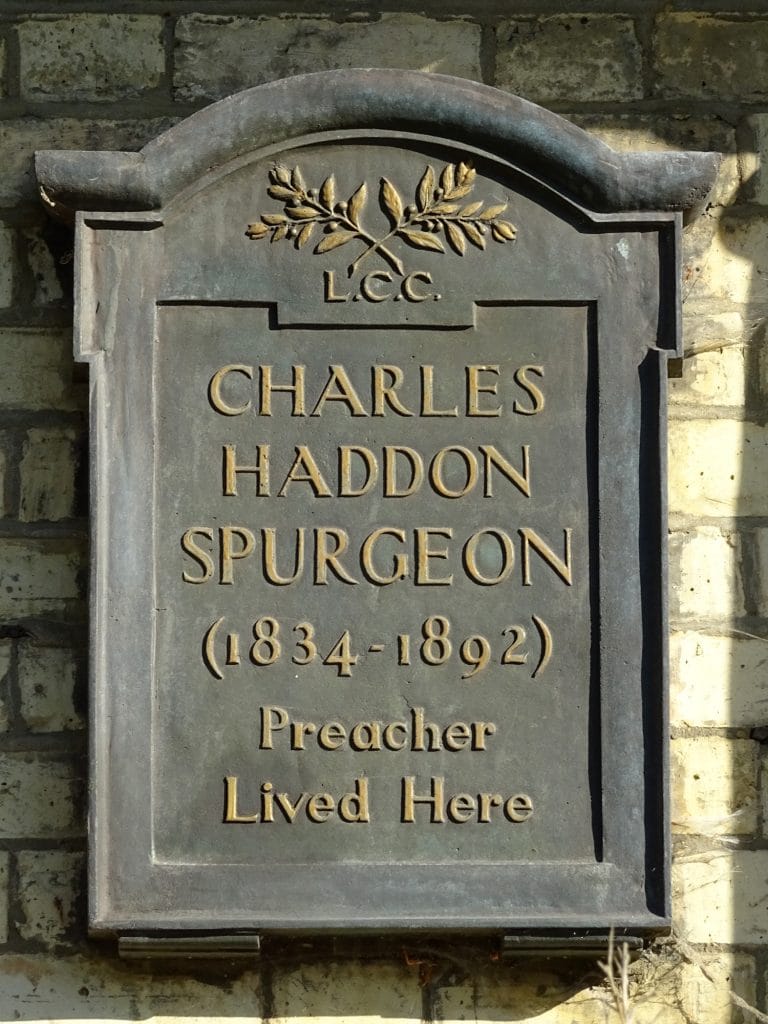
A Pilgrims Coffer: In 1857, Charles and Susannah left New Kent Road and moved down to 99 Nightingale Lane, in the Clapham area, West of Brixton. The house they moved into afforded for much more room than they previously had in Newington, while also offering the rural feel and slower pace they desired. Autobiography This illustration represents the pulpit stairs Read more...
Favorite
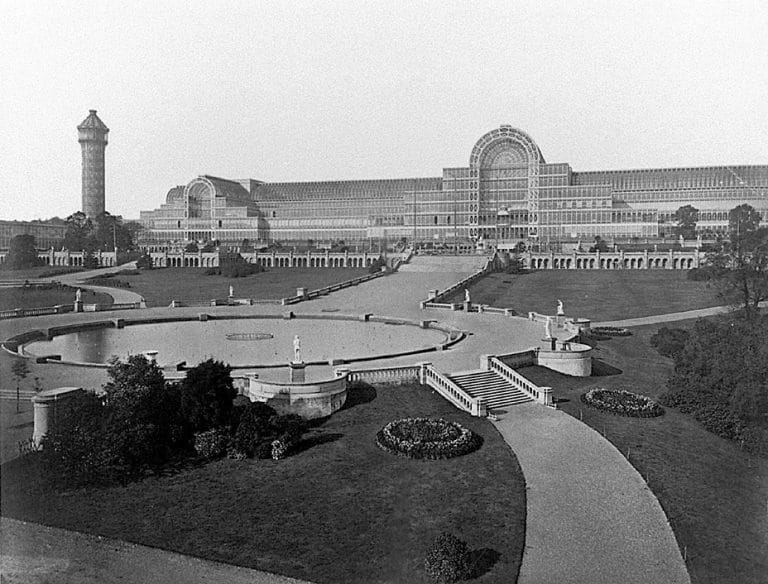
Wikipedia: In 1868, the world’s first aeronautical exhibition was held in the Crystal Palace. In 1871, the world’s first cat show, organised by Harrison Weir, was held there. Other shows, such as dog shows, pigeon shows, honey shows and flower shows, as well as the first national motor show were also held at the Palace.[44] The match which later has been dubbed the world’s first bandy match was Read more...
Favorite
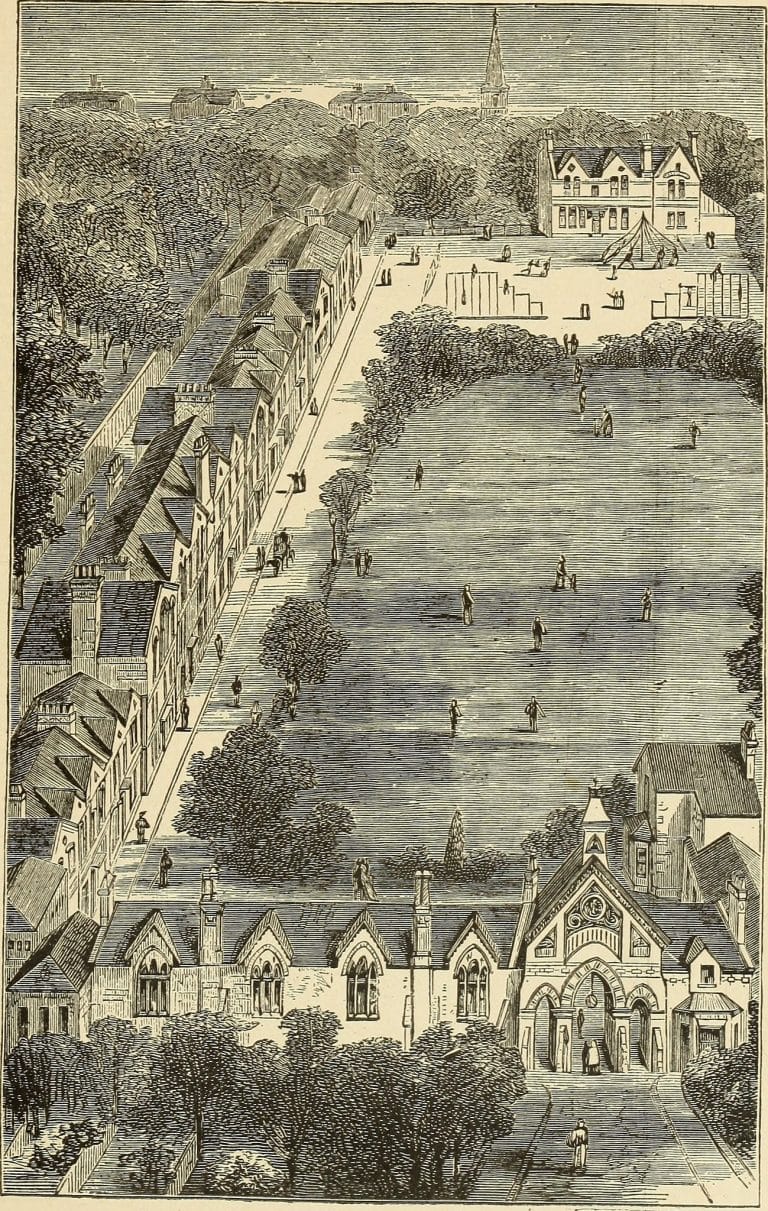
Wikipedia: Spurgeons was founded in 1867 by Charles Haddon Spurgeon.[3] as Stockwell Orphanage – due to its location. The inspiration for starting an orphanage came from a visit with George Muller.[4][5][6] and then spurred on by a donation of £20,000 by Anne Hillyard.[7][8][9] However, it wasn’t this £20,000 that was used to fund the beginning of the orphanage. Spurgeon records in the 1876 publicationThe Metropolitan Tabernacle. Read more...
Favorite
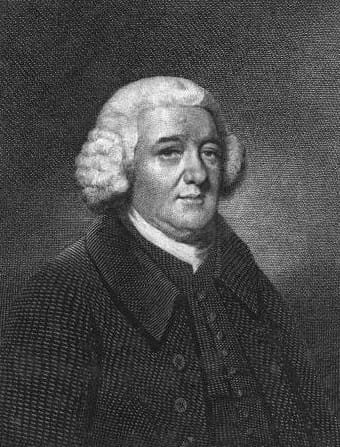
Way of Life: Samuel Medley (1738-1799) was a Baptist pastor and author of 230 hymns. In his wayward youth, he was seriously wounded in the British navy at the Battle of Lagos. The surgeon told him that amputation was the only thing that would save his life and that a decision would have to be made the next day. Though Medley Read more...

Favorite
Image Credit: The Acts and Monuments Online. www.dhi.ac.uk/foxe/index.php?realm=more&gototype=&type=image&book=11. ‘WORTHY THE LAMB THAT WAS SLAIN‘ ‘THEY OVERCAME HIM BY THE BLOOD OF THE LAMB AND THE WORD OF THEIR TESTIMONY AND THEY LOVED NOT THEIR LIVES UNTO THE DEATH. Rev. XII. II‘ To the Glory of GOD in his suffering Saints This Monument is raised to perpetuate the great principles of Read more...
Favorite
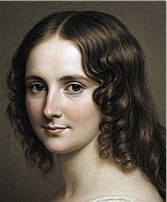
Hymn History: Nearer, My God, to Thee Author: Sarah Fuller Flower Adams “All who knew Mrs. Adams personally speak of her with enthusiasm; she is described as a woman of singular beauty and attractiveness, delicate and truly feminine, high-minded, and in her days of health playful and high-spirited.” (Richard Garnett) The Origin of the Hymn “Nearer, My God, Read more...
Favorite
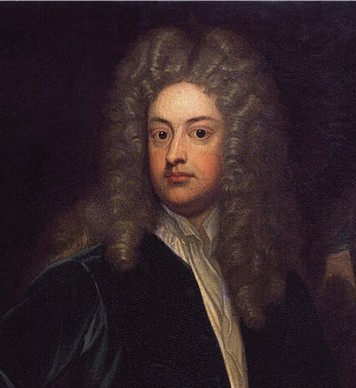
From Wikipedia: Joseph Addison (1 May 1672 – 17 June 1719) was an English essayist, poet, playwright, and politician. He was the eldest son of The Reverend Lancelot Addison. His name is usually remembered alongside that of his long-standing friend Richard Steele, with whom he founded The Spectator magazine. ♦ _____ ♦ Hymn History: When All Thy Mercies, O My God Author: Joseph Addison “Gratitude is Read more...
Favorite
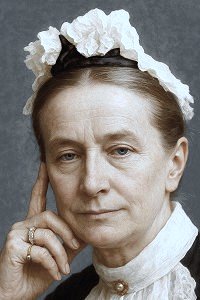
From Wikipedia: Alexander was born at 25 Eccles Street, Dublin, the third child and second daughter of Major John Humphreys of Norfolk (land-agent to 4th Earl of Wicklow and later to the second Marquess of Abercorn), and Elizabeth (née Reed).[2] She began writing verse in her childhood, being strongly influenced by Dr Walter Hook, Dean of Chichester. Her subsequent religious work was strongly influenced by her contacts Read more...
Favorite
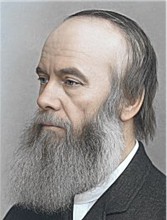
From Wikipedia: Alford was a talented artist, as his picture-book, The Riviera (1870), shows, and he had abundant musical and mechanical talent. Besides editing the works of John Donne, he published several volumes of his own verse, The School of the Heart (1835), The Abbot of Muchelnaye (1841), The Greek Testament. The Four Gospels (1849), and a number of hymns, the best-known of which are “Forward! be our watchword,” “Come, Read more...
Favorite
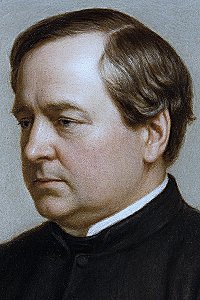
Hymn History: The King of Love My Shepherd Is Author: Sir Henry Williams Baker “This tender sadness, brightened by a soft calm peace, was an epitome of his poetical life.”(Hymnary) The Origin of the Hymn “The King of Love My Shepherd Is” The hymn “The King of Love My Shepherd Is” stands as one of the most enduring Read more...
Favorite
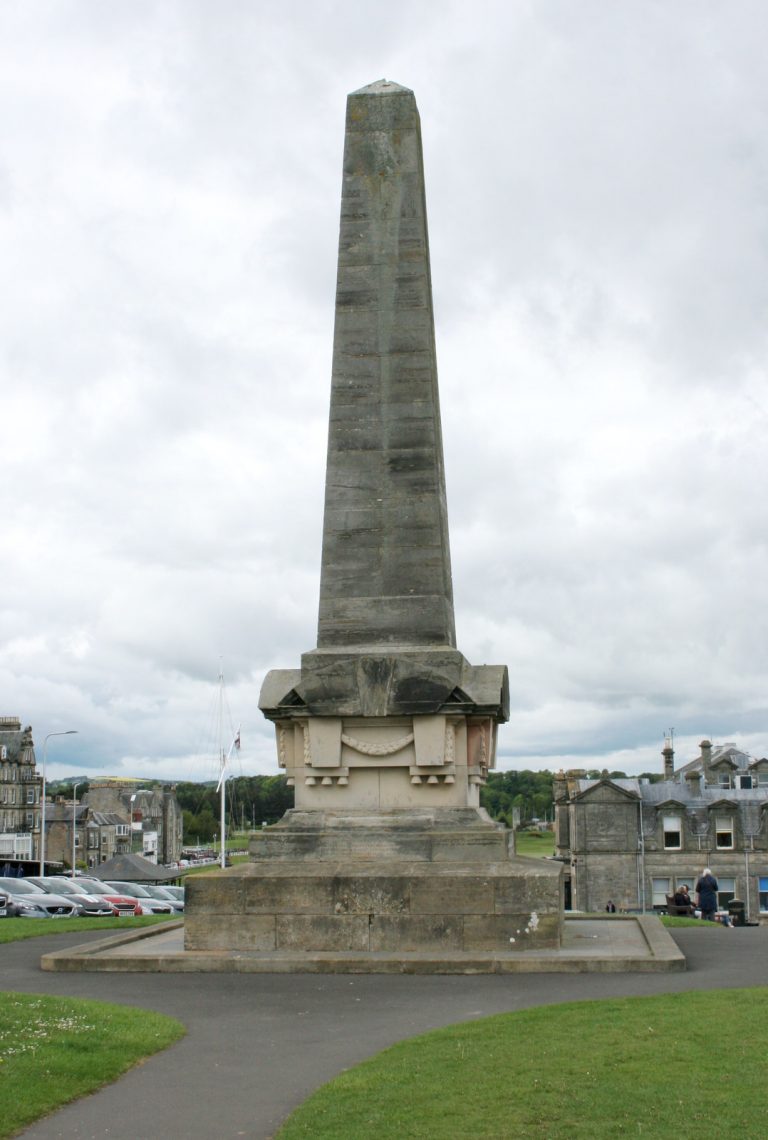
The St Andrews Martyrs’ Monument stands prominently on a cliff overlooking the North Sea in St Andrews, serving as a lasting tribute to those who suffered and died for their Protestant convictions during the Scottish Reformation. Erected in the nineteenth century, the monument commemorates several early reformers whose courage helped shape the religious identity of Scotland. The monument is most Read more...
Favorite
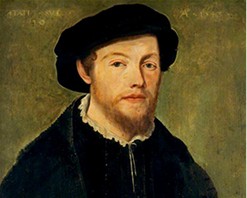
Plaque: George Wishart, 1513 – 1546. A powerful Protestant preacher, he was betrayed to Cardinal Beaton, brought here, put in the Sea Tower, condemned for heresy and burnt at the stake on 1 March. The lettering GW on the roadway marks where he died. His friends conspired against the Cardinal, and on 26 May gained entry to the Castle, killed Read more...
Favorite
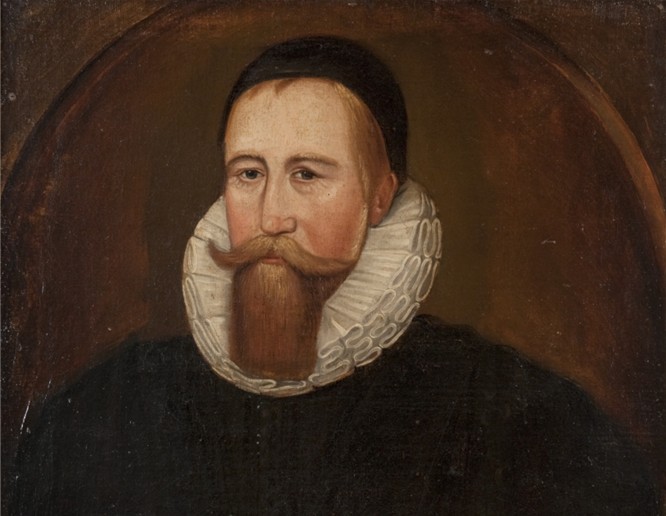
The execution of Patrick Hamilton marked a decisive and tragic beginning to the Protestant Reformation in Scotland. The death of Patrick Hamilton not only silenced a young and promising theologian but also ignited a movement that would steadily reshape the religious landscape of the nation. Patrick Hamilton was born around 1504 into a noble Scottish family, which gave him access Read more...
Favorite
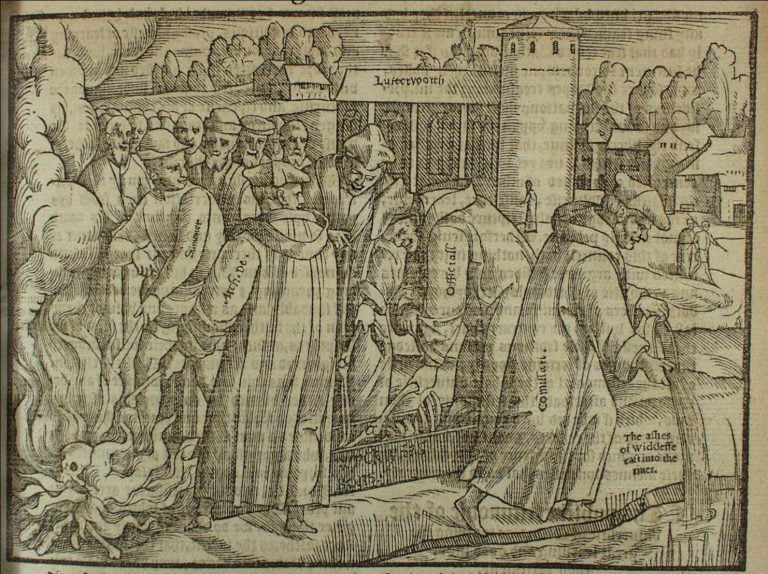
The exhumation and burning of John Wycliffe’s remains is one of the most striking episodes in the history of the late medieval church. Though John Wycliffe had died peacefully in 1384, decades later his body was exhumed, burned, and his ashes scattered—a symbolic act intended to condemn his teachings and erase his influence. Instead, the event only strengthened his legacy. Read more...
Favorite
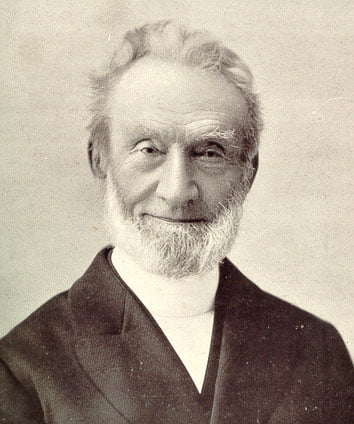
Erwin Lutzer previews the museum: Watch Douglas Whitley as George Muller: The George Müller Museum is a small but deeply meaningful historical site that preserves the life and legacy of George Müller, one of the most influential figures in nineteenth-century Christian philanthropy. Located in Bristol, the museum is housed within one of the original orphan homes established by Müller, making Read more...
Favorite
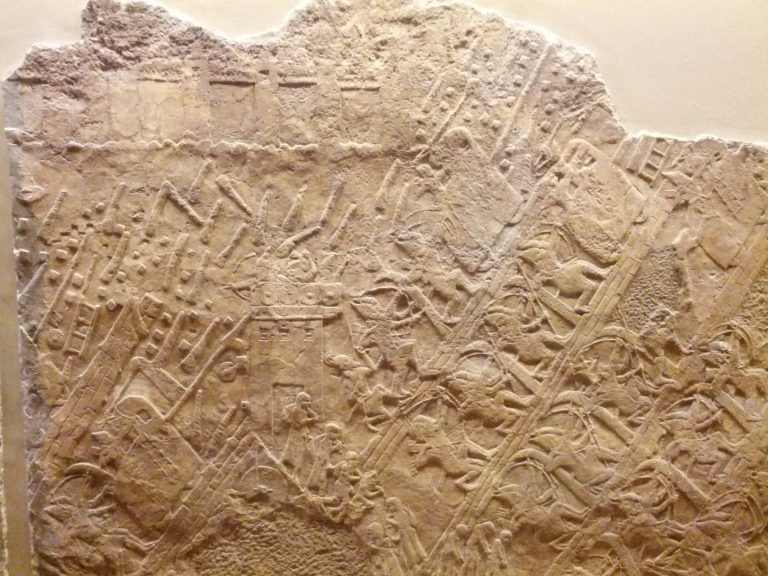
In Joshua 10, Japhia, king of Lachish joined with Adoni-zedek, king of Jerusalem to fight against Joshua. He was one of the “Five Kings of the Amorites” that was defeated by Joshua – on the day that the sun stood still (Joshua 10:13). Japhia, king of Lachish, hid in the cave at Makkedah, and was slain by Joshua (Joshua 10:26). Read more...
Favorite
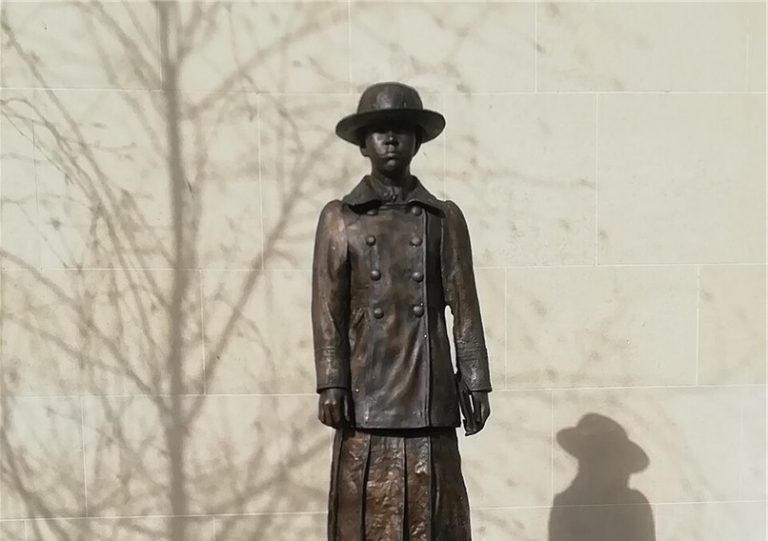
The statue of Amy Carmichael in India stands as a lasting tribute to a life of service devoted to children rescued from exploitation and abandonment. Located in the region of Dohnavur, the memorial reflects both the historical legacy of Carmichael’s work and the enduring influence of the community she helped establish. Amy Carmichael arrived in India in the late nineteenth Read more...