Favorite
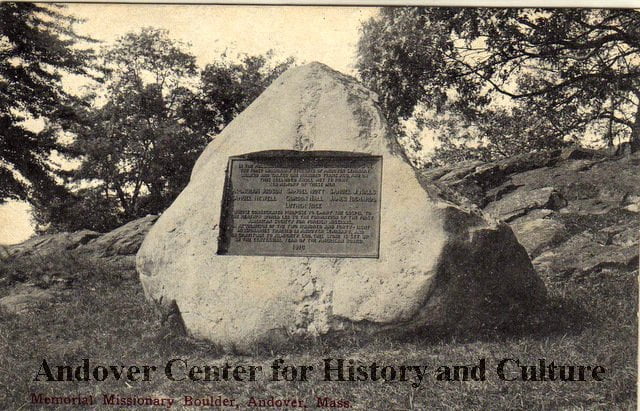
On the back campus of Phillips Academy, one can walk down “Judson Road” and visit the secluded area by the “Rabbit Pond,” where Adoniram Judson, Luther Rice, and other believers kneeled each morning by a huge boulder, prayer for missions, and dedicated their lives to God. On that boulder (affectionately called “Missionary Rock“), citizens of Andover, in 1910, affixed a memorial Read more...
Favorite
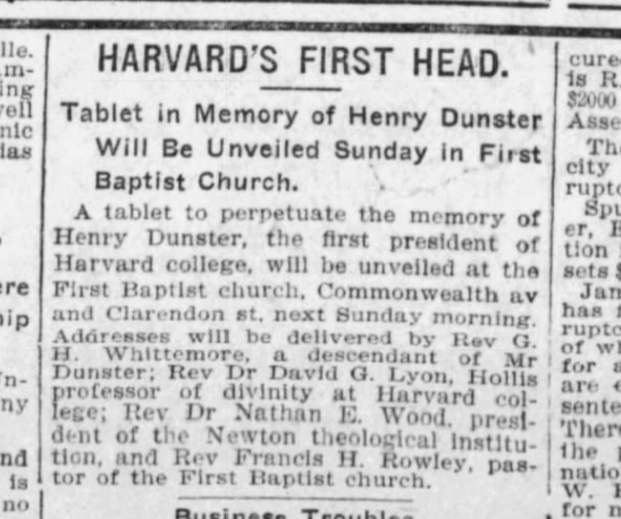
The grave of Henry Dunster, first president of Harvard College, is in the Old Burying Ground (adjacent to First Church, Unitarian) on Church Street. Harvard forced Dunster out of the presidency for his defense of believer’s baptism by immersion. Harvard never had a greater president. (See Chapter 13.). Copyrighted and used by permission from David Beale, Baptist History in England and America: Read more...
Favorite
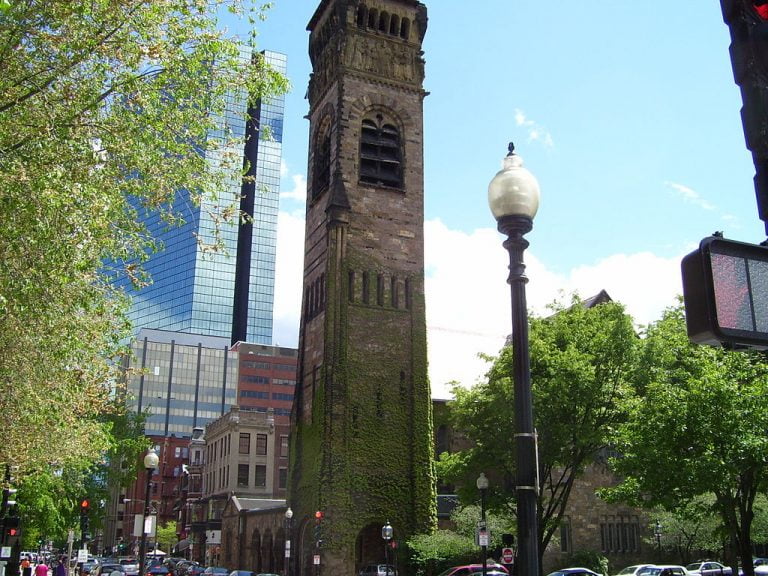
The First Baptist Church of Boston stands as one of the oldest Baptist congregations in the United States, with a history that reaches back to 1665. Its story reflects both the struggle for religious liberty in colonial New England and the enduring influence of Baptist convictions on American life. The church was founded during a time when the Massachusetts Bay Read more...
Favorite
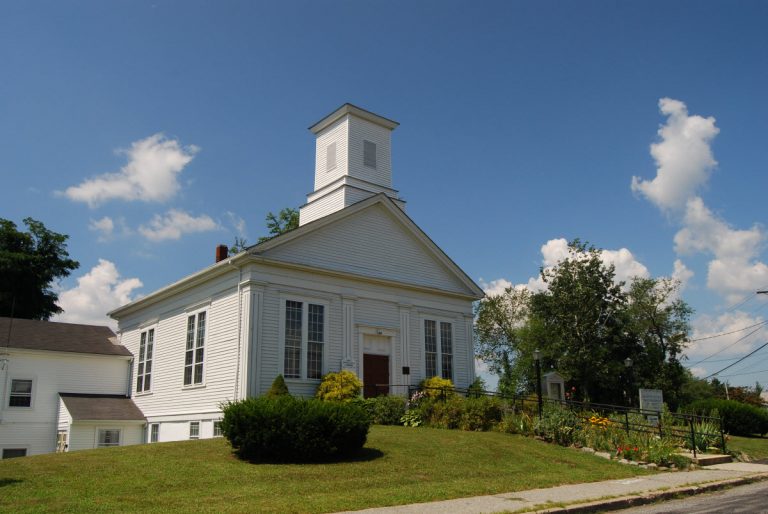
The First Baptist Church of Swansea holds an important place in the early history of Baptist life in New England. Founded in the seventeenth century, it reflects the spread of Baptist principles from Rhode Island into neighboring Massachusetts and stands as a testament to the struggle for religious liberty in colonial America. The church traces its origins to 1663, making Read more...
Favorite
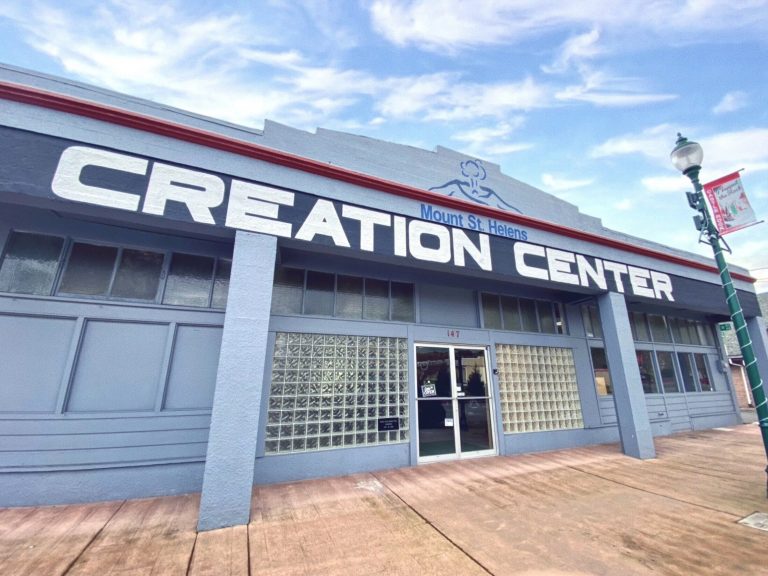
Lloyd and Doris Anderson started the museum that is now known as the Mount St. Helens Creation Center to share the impact of the volcano that transformed Washington state. On March 15th, 1980, a series of earthquakes began, followed by avalanches, fractures, and ash clouds. Then, it appeared to stop on May 16th, and the area residents started demanding to Read more...
Favorite
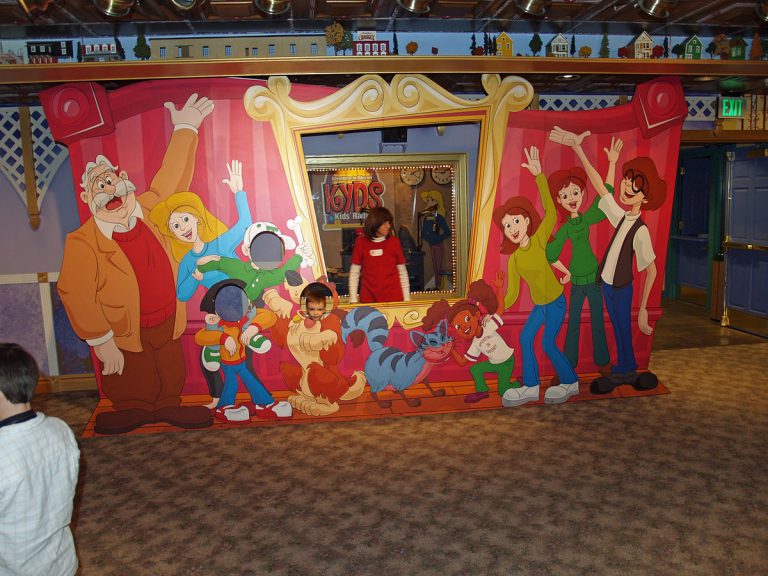
The Focus on the Family Welcome Center serves as a public gateway to one of the most influential Christian ministries in the United States, Focus on the Family. Located at the organization’s headquarters in Colorado Springs, the Welcome Center combines education, outreach, and family-friendly activities to introduce visitors to the ministry’s mission and history. Focus on the Family was founded Read more...
Favorite
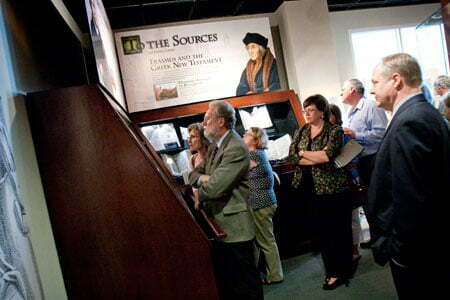
The Dunham Bible Museum is a distinctive institution dedicated to preserving and presenting the history of the Bible through rare manuscripts, artifacts, and historical displays. Located on the campus of Houston Christian University (formerly Houston Baptist University), the museum serves as both an educational resource and a place of reflection on the transmission and influence of Scripture through the centuries. Read more...
Favorite
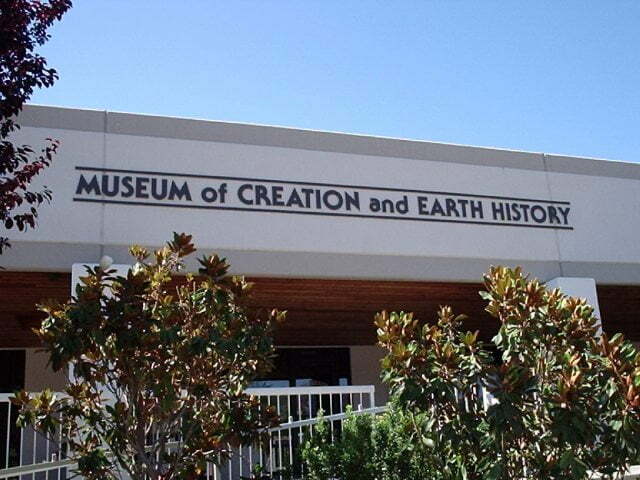
Modern creationism, the idea that God created the world in six literal days approximately 6,000 years ago, and following that, a worldwide flood occurred, was championed by George McCready Price, a Seventh Day Adventist, starting in 1902. Williams Jennings Bryan unsuccessfully recruited him as a witness for the Scopes Trial. The “flood geology” movement grew to include conservative Lutherans, and Read more...
Favorite
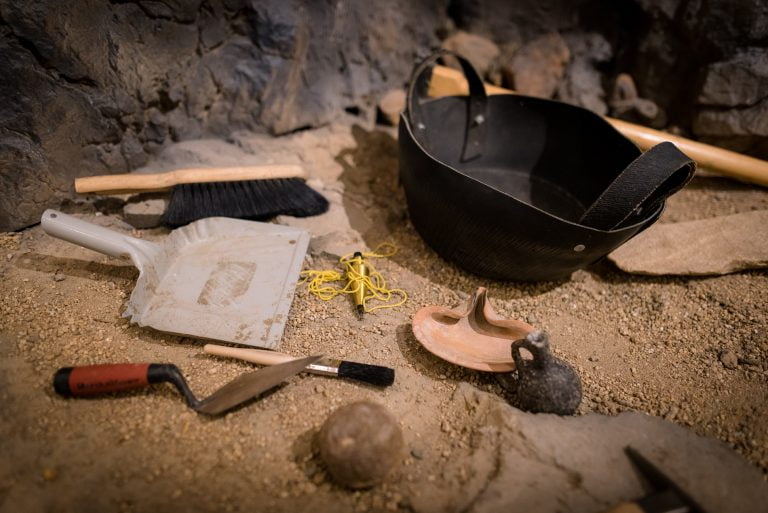
The Woodland Museum of Biblical Archaeology is a unique institution dedicated to illuminating the historical and cultural background of the Bible through carefully curated artifacts and exhibits. Located on the campus of Trinity International University, the museum serves as an educational resource for students, scholars, and visitors interested in the ancient world of the Scriptures. The origins of the museum Read more...
Favorite
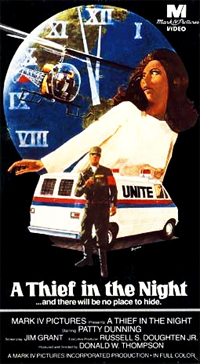
At a Christian broadcasting convention, a friend of mine introduced me to Russell S. Doughten Jr. He looked vaguely familiar, until my host reminded me about his film, A Thief in the Night. In 1972, Doughten and Donald W. Thompson formed Mark IV Productions. Shooting in his native Iowa, he would tell the story of the world’s last days as Read more...
Favorite
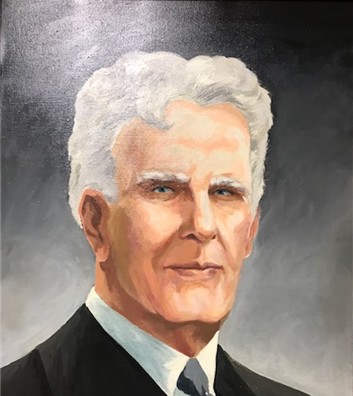
From Wikipedia: William Bell Riley (March 22, 1861 in Greene County, Indiana, USA – December 5, 1947 in Golden Valley, Minnesota) was known as “The Grand Old Man of Fundamentalism.” After being educated at normal school in Valparaiso, Indiana, Riley received his teacher’s certificate. After teaching in county schools, he attended college in Hanover, Indiana, where he received an A.B. degree in 1885. In 1888 he graduated from the Southern Read more...
Favorite
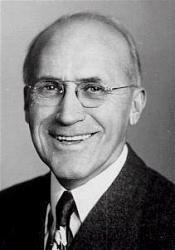
Section 20, Lot 120 Author of Wonderful Grace of Jesus: 1. Wonderful grace of Jesus, Greater than all my sin; How shall my tongue describe it, Where shall its praise begin? Taking away my burden, Setting my spirit free; For the wonderful grace of Jesus reaches me. Refrain: Wonderful the matchless grace of Jesus, Deeper than the Read more...
Favorite
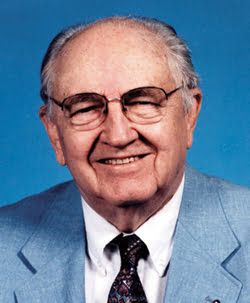
Henry M. Morris (1918–2006) was a prominent American engineer, educator, and Christian author best known for his role in developing and popularizing modern young-earth creationism. Often referred to as the “father of modern creation science,” Morris combined his technical training with a strong commitment to biblical authority, shaping a movement that would influence religious thought and education across the United Read more...
Favorite
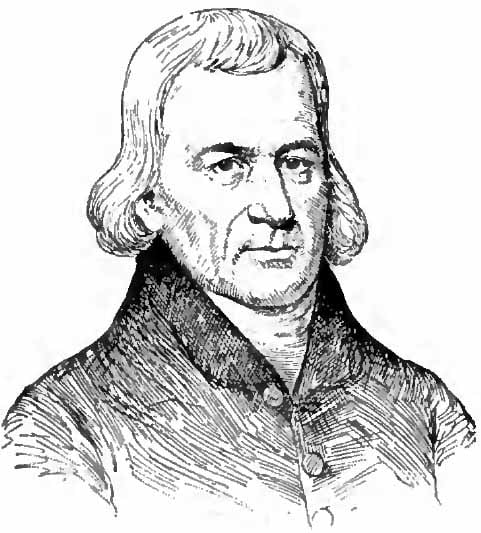
Francis Asbury (1745–1816) was one of the most influential religious leaders in early American history and a central figure in the rise of Methodism in the United States. As a tireless circuit rider, organizer, and bishop, Asbury helped transform a small movement into one of the largest Protestant denominations in the young nation. Born in Staffordshire, England, Asbury was raised Read more...
Favorite
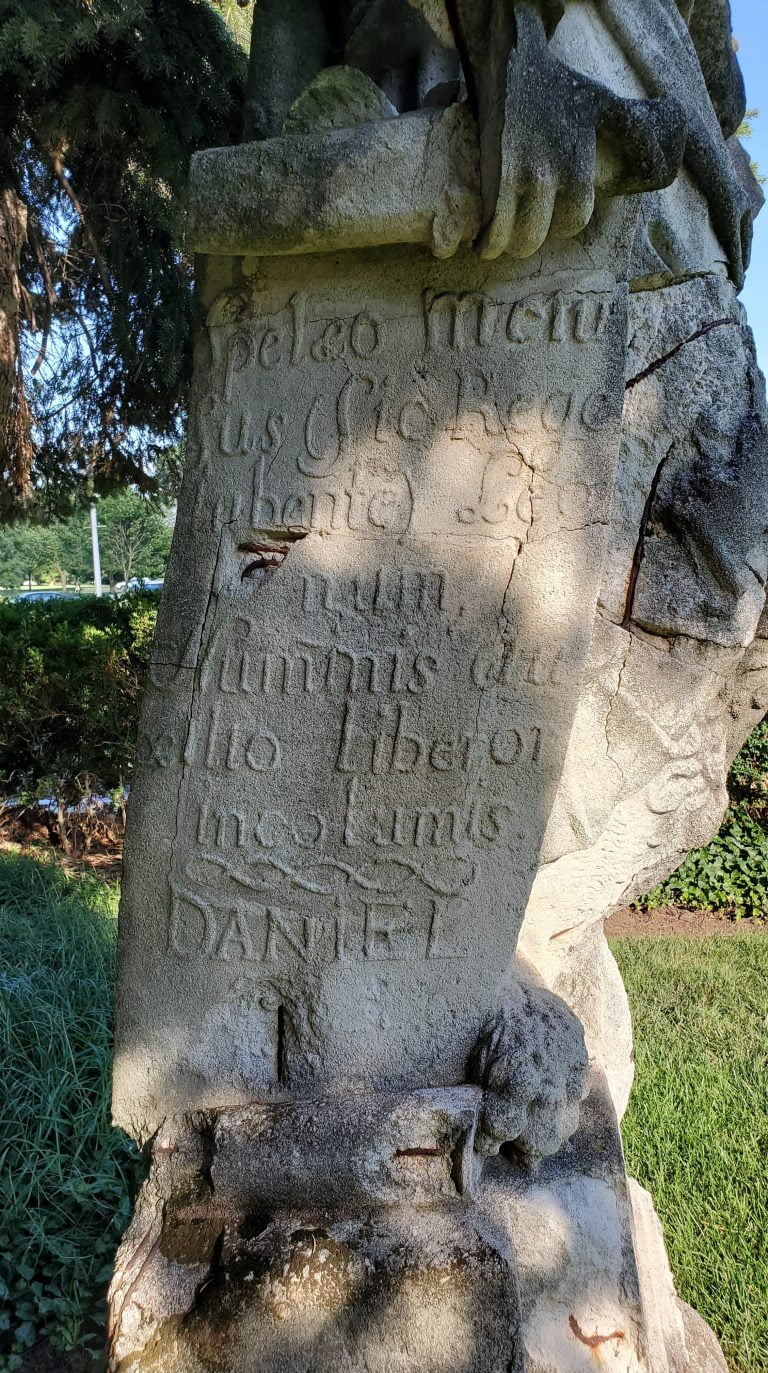
The Prophet Daniel (Image Credit: (13) Facebook. www.facebook.com/photo.php?fbid=1088959693232777&id=100063562690733&set=a.720653793396704.) As a good patriotic American, you will come to Washington D. C. several times. On your first visit, you will want to see the Capitol, wander thru the Supreme Court, sample a couple of the Smithsonians on the National Mall, gaze up to the Washington Monument, see the fortified Lincoln Memorial, contemplate Read more...

Favorite
The Billy Sunday Fairfield Revival 1907 was one of the early large-scale evangelistic meetings led by Billy Sunday, marking a turning point in his rise as a nationally known revivalist. Held in Fairfield, Iowa, in 1907, the campaign demonstrated both his distinctive preaching style and the growing influence of mass evangelism in early twentieth-century America. By 1907, Billy Sunday had Read more...
Favorite
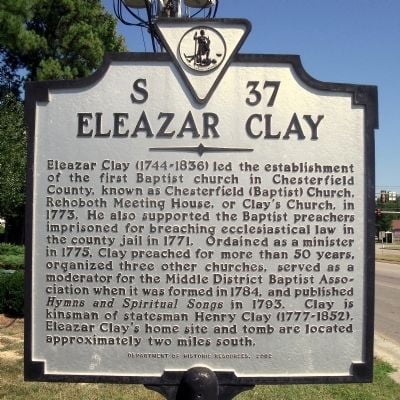
Eleazar Clay was an early Baptist minister associated with Chesterfield County, Virginia, whose life and work reflect the formative years of Baptist growth in the American South. Though surviving records about him are limited, his ministry belongs to the generation of earnest preachers who helped establish Baptist churches, defend religious liberty, and shape the character of evangelical Christianity in the Read more...

Favorite
The Chesterfield County Museum, at 6813 Mimms Loop, is a replica of the 1749 courthouse where magistrates, during 1770-74, sentenced seven Baptist preachers to jail for preaching Christ without state-church approval. Where the jail once stood, there now stands the Religious Freedom Monument, a grantie memorial with a bronze tablet inscribed to the memory of those Baptist preachers. See the section, “Virginia Read more...

Favorite
John Weatherford (c. 1740–1833), often remembered as Elder John Weatherford, was part of the generation of early Baptist ministers who helped establish and spread Baptist principles in the American South during the late colonial and early national periods. Though not as widely documented as some of his contemporaries, his long life and ministry reflect the steady, grassroots expansion of Baptist Read more...
Favorite
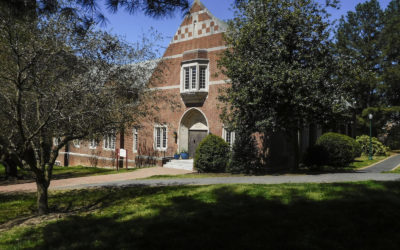
The Virginia Baptist Historical Society maintains one of the most valuable collections of Baptist history in the American South through the Virginia Baptist Historical Library. Located on the campus of the University of Richmond, the library serves as a center for preserving, studying, and sharing the rich heritage of Baptists in Virginia and beyond. The origins of the library are Read more...