Favorite
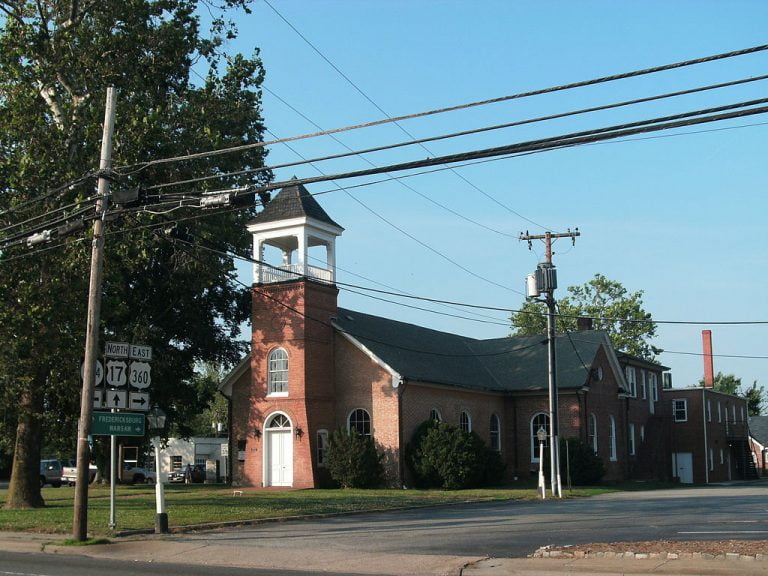
In 1774, Baptists in Tappahannock established the earliest Baptist church in Essex County-Piscataway (now Mt. Zion) Baptist, on Dunbrooke Road. On that same day, inside the local Essex County Courthouse, which is now the oldest courthouse building in Virginia, officials sentenced fines and imprisonments to the three men who preached the church’s opening service – John Waller, John Shackleford, and Read more...
Favorite
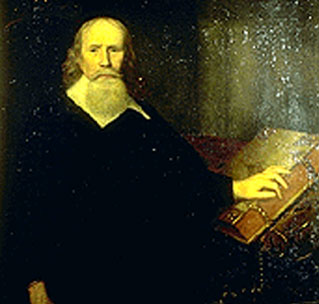
John Clarke’s tombstone stands in the John Clarke Family Cemetery, on the west side of Dr. Marcus Wheatland Boulevard. The key to the cemetery’s padlock is available at the United Baptist Church office. Adjoining the cemetery, a small park has two Memorials to John Clarke: A plaque on a small rock, and a monument, erected by the Baptist History Preservation Society. Read more...
Favorite
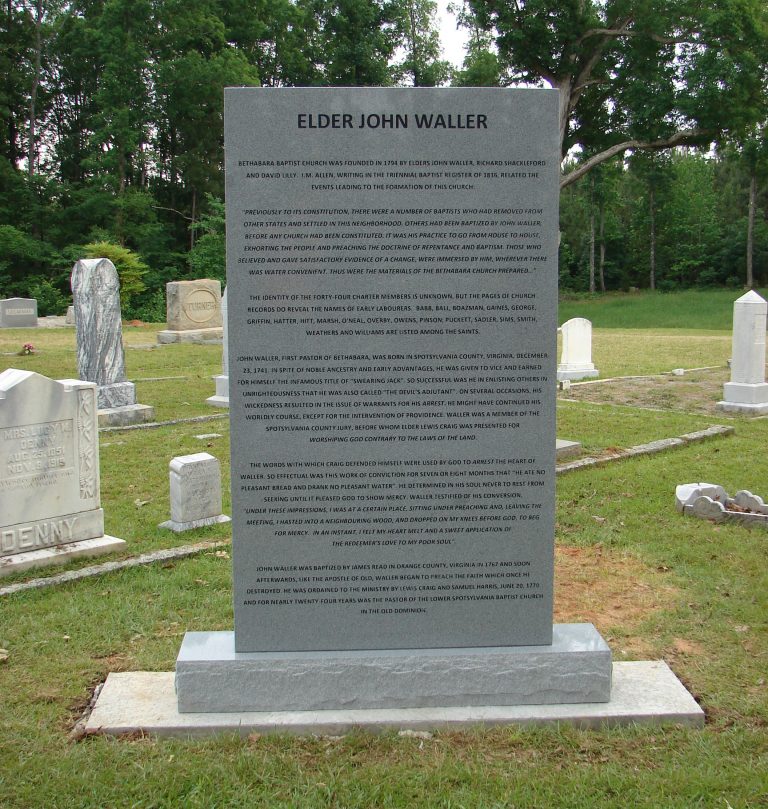
In the church cemetery at Bethabara Baptist Church, at 635 Bethabara Church Road, there stands a memorial monument, with detailed script honoring its founder, the celebrated church planter and evangelist, John Waller, who suffered persecution for preaching the gospel without state approval. copyrighted and used by permission from David Beale, Baptist History in England and America: Personalities, Positions, and Practices Bethabara Read more...
Favorite
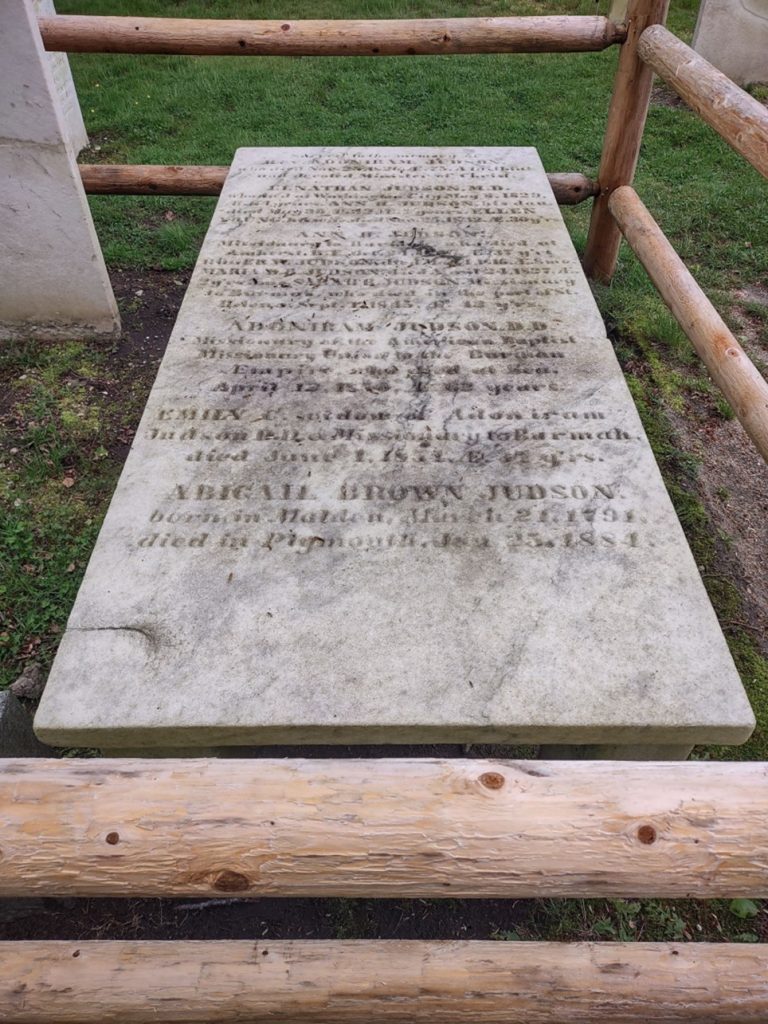
Before you leave Plymouth, head on up to Burial Hill. It’s a steep climb, but there are steps. Inside a white fence is not a grave, but a cenotaph, “a monument to someone buried elsewhere.” Adoniram Judson was the son of a Congregational minister in Plymouth, but he fell in with the wrong friends. While at Brown University, he was Read more...
Favorite
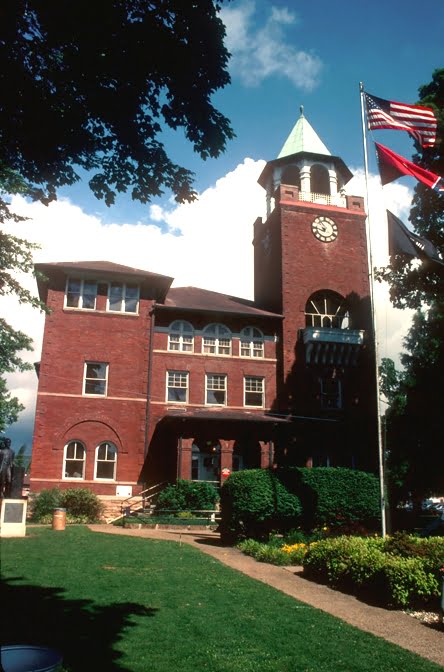
Site of one of the most famous trials in the 20th Century, featuring Clarence Darrow and William Jennings Bryan. My first visit to the Scopes Trial Museum proved unsuccessful. It was the Christmas season and the County Executive ordered the building closed early for the day. So I took some pictures outside – the statues of William Jennings Bryan and Read more...
Favorite
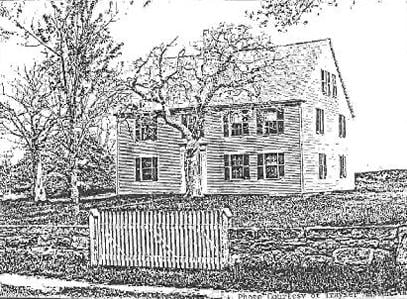
John Lathrop, the second pastor of London’s J-L-J Church, immigrated to Barnstable, where his house, built in 1644, still stands as part of the Sturgis Library, at 3090 Main Street. Here, one can stand in the room that once served as Lathrop’s meetinghouse. On display is Lathrop’s copy of the Scriptures – a 1605 Bishops’ Bible. See the section, “John Read more...
Favorite
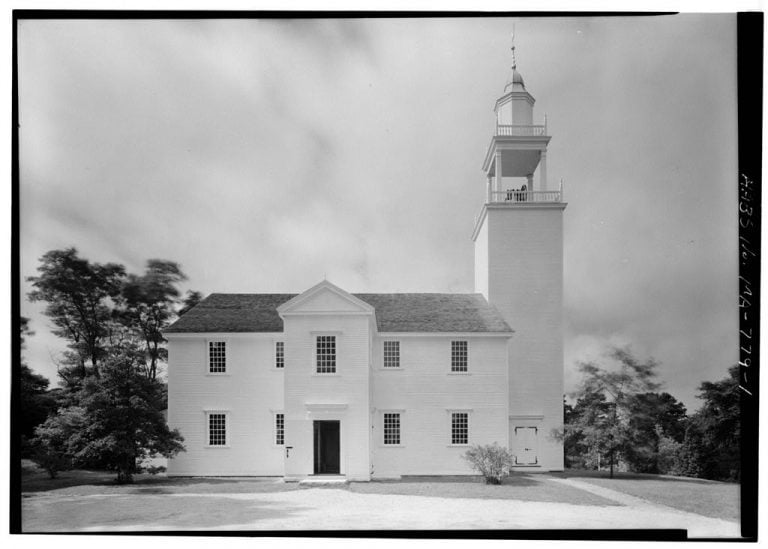
Organized in London, in 1616, and now situated in a seaside village, in the northwest part of Barnstable, [John] Lathrop’s church is West Barnstable Parish Church, at 2049 Meetinghouse Way. It is the only existing remnant of the J-L-J Church – from whom the earliest Particular Baptists in England departed, during 1633-38, to gather their own churches. Erected in 1717 and Read more...
Favorite
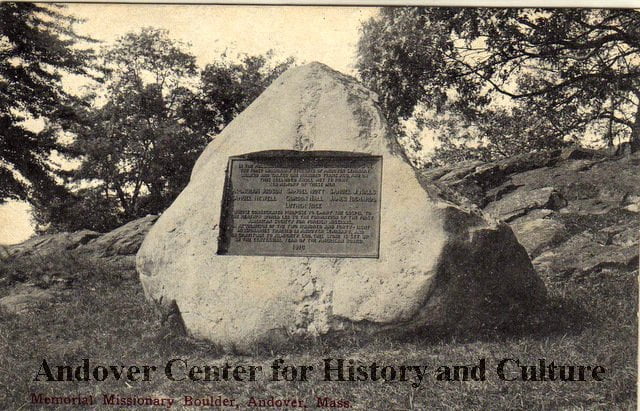
On the back campus of Phillips Academy, one can walk down “Judson Road” and visit the secluded area by the “Rabbit Pond,” where Adoniram Judson, Luther Rice, and other believers kneeled each morning by a huge boulder, prayer for missions, and dedicated their lives to God. On that boulder (affectionately called “Missionary Rock“), citizens of Andover, in 1910, affixed a memorial Read more...
Favorite
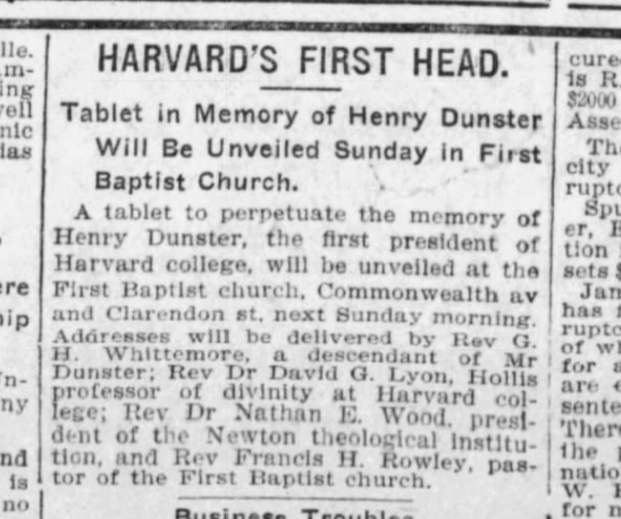
The grave of Henry Dunster, first president of Harvard College, is in the Old Burying Ground (adjacent to First Church, Unitarian) on Church Street. Harvard forced Dunster out of the presidency for his defense of believer’s baptism by immersion. Harvard never had a greater president. (See Chapter 13.). copyrighted and used by permission from David Beale, Baptist History in England and America: Read more...
Favorite
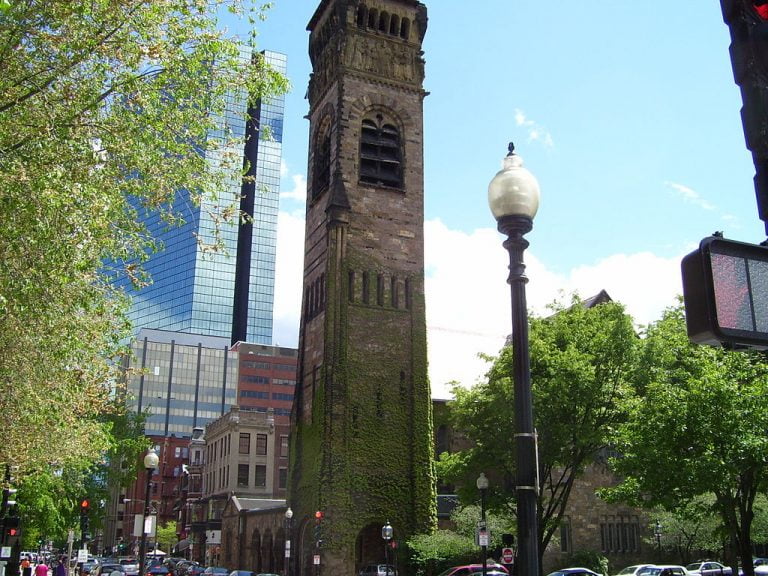
First Baptist Church was founded by Thomas Gould, in 1665. In 1872, Brattle Square Unitarian Church erected a brick building, at 110 Commonwealth Avenue. By 1876, the church was extinct, and First Baptist purchased the building. (See Chapter 13). copyrighted and used by permission from David Beale, Baptist History in England and America: Personalities, Positions, and Practices Wikipedia: The First Baptist Read more...
Favorite
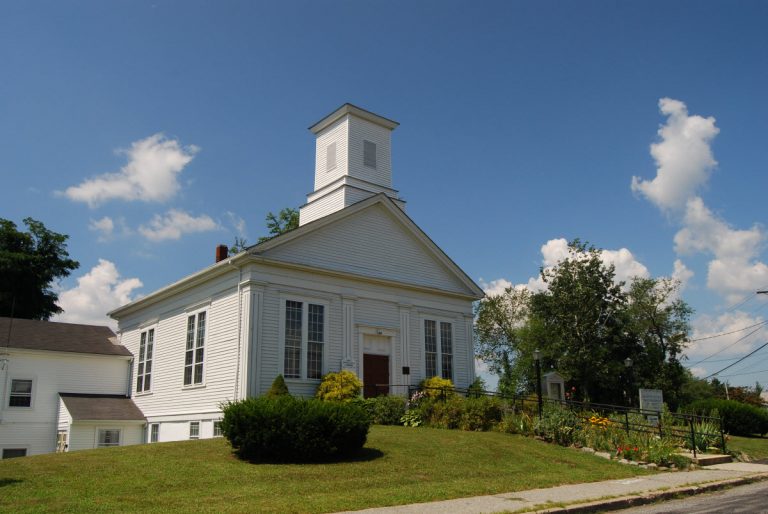
Founded by John Myles from Wales, the First Baptist Church of Swansea, at 21 Baptist Street, was the first Baptist church in Massachusetts. Its present building dates to 1848, and its adjacent cemetery dates to 1731. (See Chapter 13). copyrighted and used by permission from David Beale, Baptist History in England and America: Personalities, Positions, and Practices Founded in 1663 Read more...

Favorite
The Chesterfield County Museum, at 6813 Mimms Loop, is a replica of the 1749 courthouse where magistrates, during 1770-74, sentenced seven Baptist preachers to jail for preaching Christ without state-church approval. Where the jail once stood, there now stands the Religious Freedom Monument, a grantie memorial with a bronze tablet inscribed to the memory of those Baptist preachers. See the section, “Virginia Read more...

Favorite
The grave of notable Baptist, John Weatherford, lies in a wooded area near Shockoe Baptist Church, at 16 Spring Garden Road. His tomb inscription reads Elder John Weatherford A devoted Baptist Minister Born in 1740, began to preach in 1764. He lay in Chesterfield jail in 1773 5 months for preaching. He moved to Halifax in 1813 and died Jan. 23, Read more...
Favorite
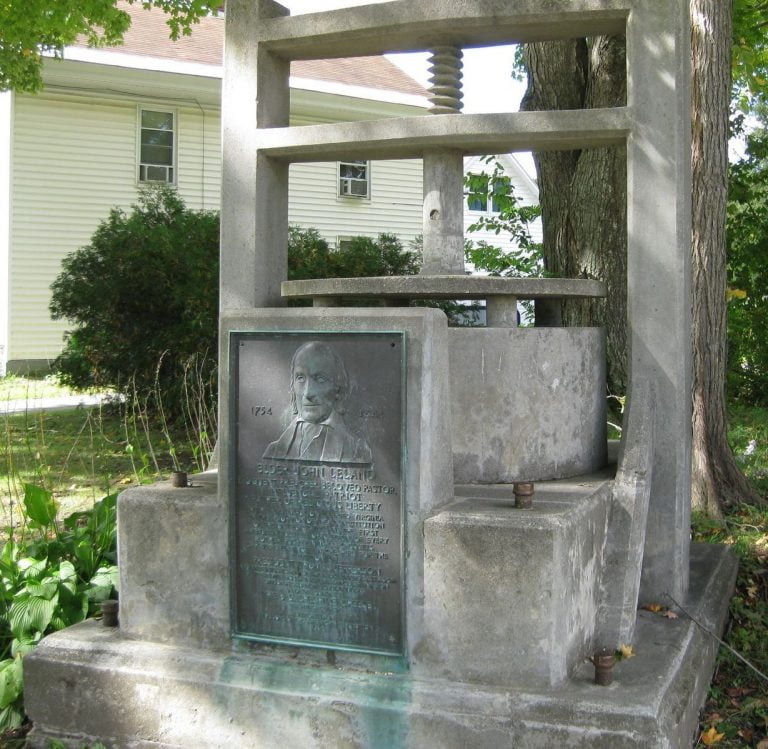
On the corner of Church and School streets stands a concrete replica of the cider press that produced the gigantic cheese that John Leland gave to President Thomas Jefferson. In Cheshire Cemetery, Leland’s obelisk grave-marker displays a commemorative plaque, See “The Big Cheshire Cheese,” in Chapter 16. copyrighted and used by permission from David Beale, Baptist History in England and America: Read more...
Favorite
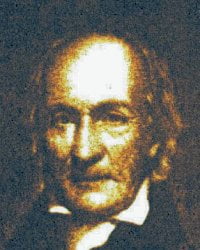
From Wikipedia: John Leland (May 14, 1754 – January 14, 1841) was an American Baptist minister who preached in Massachusetts and Virginia, as well as an outspoken abolitionist. He was an important figure in the struggle for religious liberty in the United States.[1][2][3] Leland also later opposed the rise of missionary societies among Baptists.[4] In Cheshire Cemetery, Leland’s obelisk grave-marker displays a commemorative plaque. copyrighted and used by Read more...
Favorite
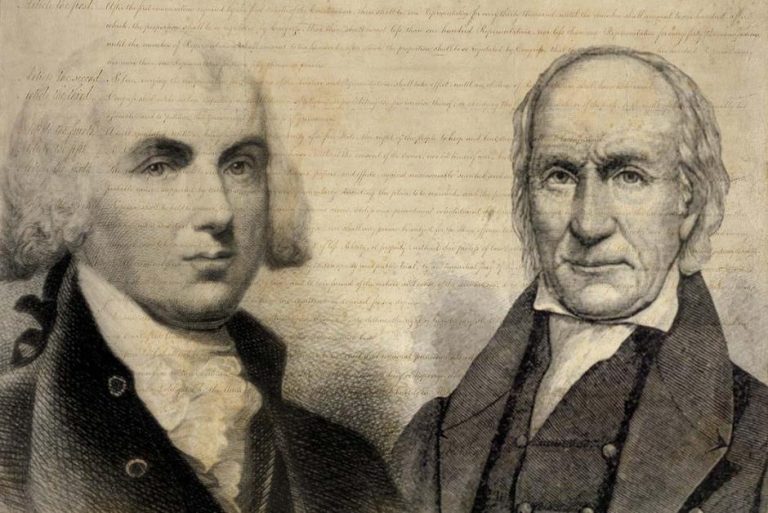
The Leland-Madison Memorial Park, six miles east of Orange, at the intersection of US 20/Constitution Highway and SR 658/Clifton Road, is the place where James Madison met in an oak grove with Baptist-Evangelist John Leland, to discuss the issue of religious freedom of conscience. This meeting led to the Bill of Rights. copyrighted and used by permission from David Beale, Baptist Read more...

Favorite
At Williams College (Congregational), a twelve-foot-high marble monument, called the Haystack Prayer Meeting Memorial, commemorates “The Birthplace of American Foreign Missions 1806,” out of which came Baptists Adoniram Judson and Luther Rice. See the section, “Haystack Prayer Meeting at Williams College (1806),” in Chapter 17. copyrighted and used by permission from David Beale, Baptist History in England and America: Personalities, Positions, and Read more...
Favorite
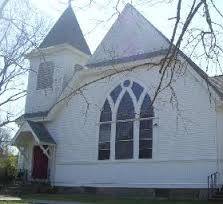
Once known as “Backus Memorial Baptist Church,” First Baptist Church of North Middleboro, Massachusetts, is now in its third building since Isaac Backus founded it in 1756. It stands at the intersection of Plymouth and Bedford Streets. copyrighted and used by permission from David Beale, Baptist History in England and America: Personalities, Positions, and Practices Featured Image Credit: KJV Churches. “First Read more...
Favorite
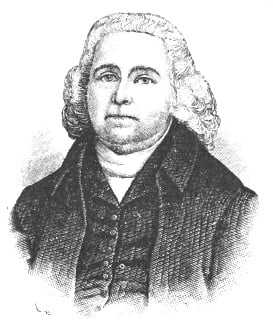
In Titicut Parish Cemetery, at 41 Plymouth Street, Backus’ granite tomb is pulpit-shaped and holds an open Bible. Under the Bible is a bronze memorial plaque. copyrighted and used by permission from David Beale, Baptist History in England and America: Personalities, Positions, and Practices Featured Image Credit: Wikipedia contributors. File:Isaac Backus.jpg – Wikipedia. en.wikipedia.org/wiki/File:Isaac_Backus.jpg. Read more...
Favorite
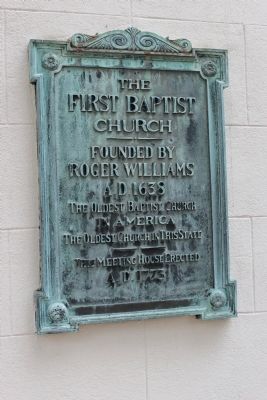
First Baptist Church, founded by Roger Williams in 1638, was the earliest Baptist Church in America. Erected in 1775, its present building is at 75 N Main St. Its twelfth pastor, James Manning, was founder and president of nearby Brown University. copyrighted and used by permission from David Beale, Baptist History in England and America: Personalities, Positions, and Practices Featured Image Credit: Read more...