Favorite
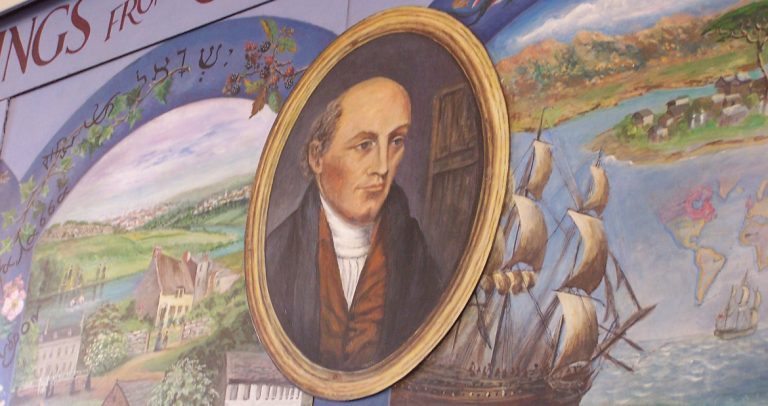
Carey Baptist Church is a historic congregation in the village of Moulton, closely associated with the life and early ministry of William Carey. Though modest in size, the church holds an important place in Baptist history as one of the formative settings in which Carey’s convictions about mission and ministry were shaped. The origins of the congregation date back to Read more...

Favorite
Sutcliff’s neighbors in Olney included the local minister of the Church of England, John Newton (1725-1807), author of “Amazing Grace.” Hymn writer and poet, William Cowper (1731-1800), was a member of Newton’s parish, and, at the time of Sutcliff’s arrival, Newton and Cowper were composing their popular “Olney Hymns.” Visit John Newton’s church and tombstone, and the Cowper and Newton Museum and Gardens. Read more...
Favorite
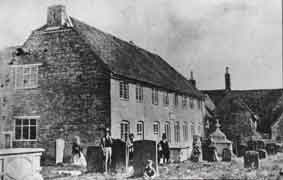
Olney Baptist Church is one of the most historically significant Baptist congregations in England, closely associated with the evangelical revival of the eighteenth century and the lives of two influential figures, John Newton and William Cowper. Located in the market town of Olney, the church has long been a center of Nonconformist worship and spiritual influence. The origins of the Read more...
Favorite
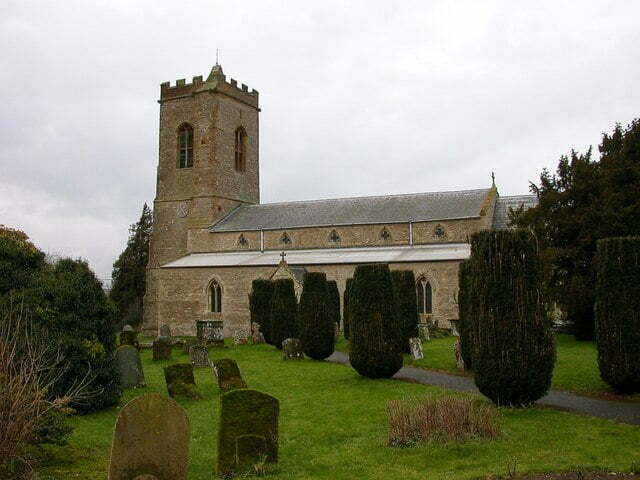
In the porch of St. James Church (Anglican), a plaque commemorates William Carey, missionary to India and father of Baptist foreign missions. A few feet away, just to the right of the porch, the grave of William’s father, Edmund Carey, carries this inscription: “Reader, time is short, prepare to meet thy God.” The Carey cottage, William Carey’s birthplace, stood on what is Read more...
Favorite
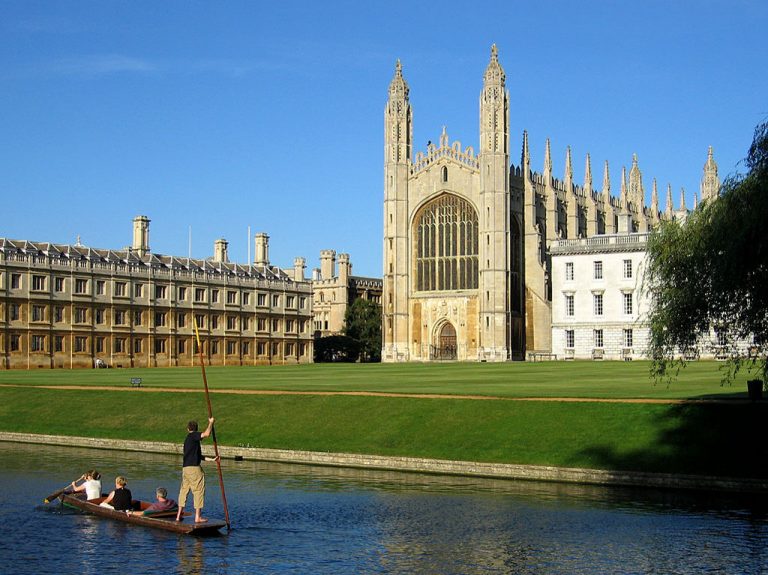
University of Cambridge is one of the world’s oldest and most influential institutions of higher learning. Located in the historic city of Cambridge, the university has played a central role in the intellectual, scientific, and cultural development of Britain and the wider world for more than eight centuries. The university traces its origins to 1209, when a group of scholars Read more...
Favorite
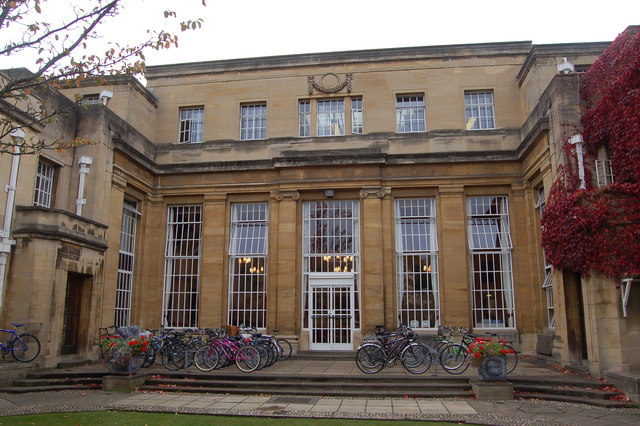
Angus Library and Archive, housed within Regent’s Park College, is one of the most important repositories for the study of Baptist history and Protestant Nonconformity in the world. Located in Oxford, the library serves as a vital resource for scholars, students, and researchers interested in the development of dissenting religious traditions, particularly within Britain and beyond. The origins of the Read more...
Favorite
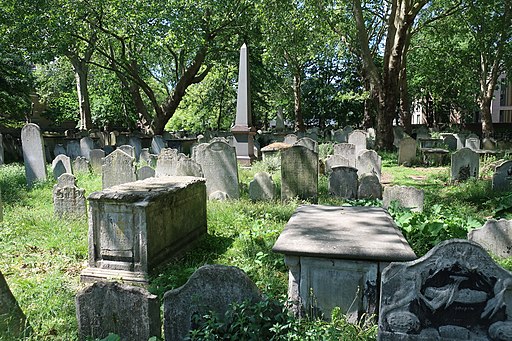
Jerry Root at the Bunhill Fields Burial Grounds: I’m sitting here in a famous London cemetery called Bunhill Fields. If you were an Anglican, you could be buried in an Anglican cemetery. But if you weren’t an Anglican, you had to be buried in a non-conformist cemetery. And this is one where there were many interesting people in both theological Read more...

Favorite
The Clink Prison Museum stands on the south bank of the River Thames in London, preserving the memory of one of England’s oldest and most notorious prisons. Though the original prison no longer survives, the museum marks the site of the medieval Clink Prison and offers insight into centuries of law, punishment, and daily life in the capital. The history Read more...
Favorite
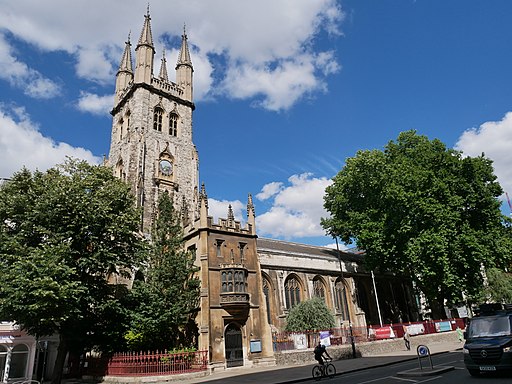
St Sepulchre-without-Newgate, often called the Church of the Holy Sepulchre without Newgate, is one of the most historically significant parish churches in London. Standing near the site of the old Newgate Prison and close to the Old Bailey, it has long been associated with the administration of justice, mercy, and the spiritual care of those facing death. The origins of Read more...
Favorite
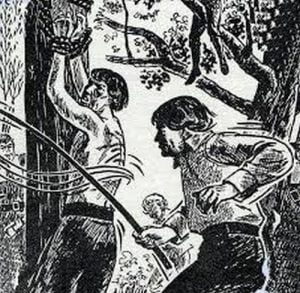
“I determined never to rest until it pleased God to show mercy or cut me off … I hasted into a neighbouring wood, and dropped on my knees before God, to beg for mercy. In an instant, I felt my heart melt and a sweet application of the Redeemer’s love to my poor soul.” John Waller was somewhat of Read more...

Favorite
The grave of Virginia Governor Patrick Henry, a friend of persecuted Baptists, is at Patrick Henry National Memorial, 1497 Red Hill Road, Brookneal, VA 24528. This beautiful plantation is called Red Hill. Copyrighted and used by permission from David Beale, Baptist History in England and America: Personalities, Positions, and Practices Patrick Henry (1736-1799) loved freedom – risking his life and Read more...
Favorite
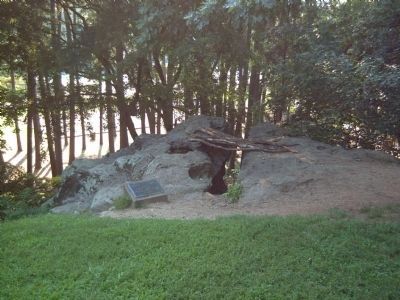
Marked by a tall obelisk at 1500 Washington Avenue, is the grave of George Washington’s mother. Near the obelisk, an inscription on Meditation Rock says of her, “Here Mary Ball Washington prayed for the safety of her son and country during the dark days of the Revolution.” Mary’s home is at 1200 Charles Street. Copyrighted and used by permission from David Read more...
Favorite
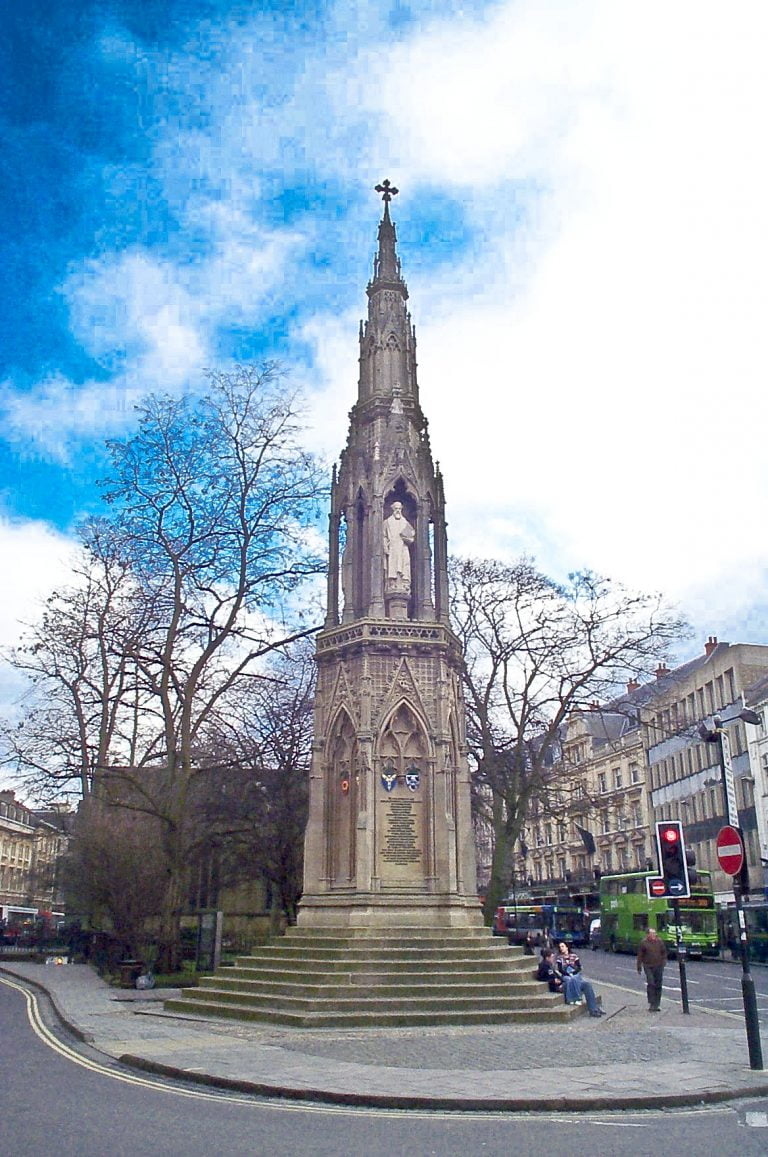
The Martyrs’ Memorial in Oxford is one of the most prominent Victorian monuments in England, commemorating three key figures of the English Reformation: Hugh Latimer, Nicholas Ridley, and Thomas Cranmer. The memorial stands as a striking reminder of the religious upheavals of the sixteenth century and the profound costs associated with doctrinal change in England. The monument was completed in Read more...
Favorite
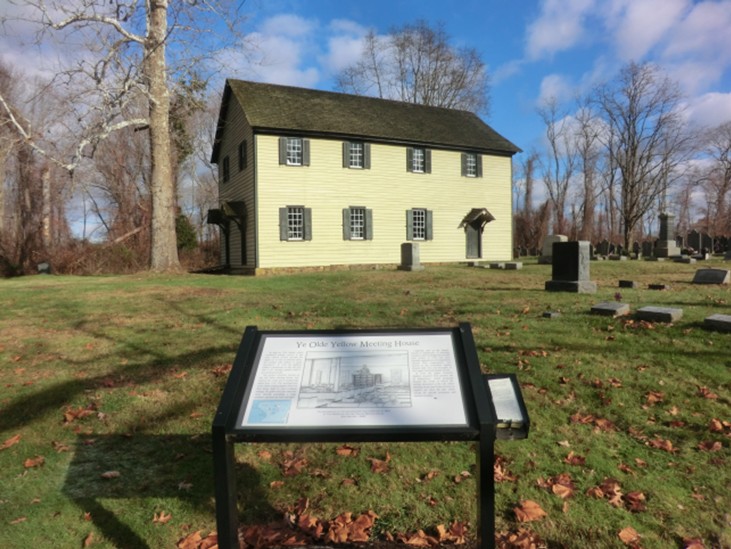
Ye Olde Yellow Meeting House, located on Yellow Meetinghouse Road, off Route 526, dates to about 1737. Its earliest records, beginning in 1766, are in a 165-page handwritten “Church Book: Giving an Account of ye First Settlement & Progress of the Baptists at Crosswicks, or Upper Freehold.” In 1766, its forty-seven members organized into Crosswicks Baptist Church. In 1773, its Read more...
Favorite
Newport Historical Society is one of the oldest historical organizations in the United States, dedicated to preserving and interpreting the rich past of Newport. Founded in 1854, the society has played a central role in safeguarding the city’s heritage, which spans colonial settlement, religious diversity, maritime trade, and the American Revolution. Newport itself was established in 1639 by settlers seeking Read more...
Favorite
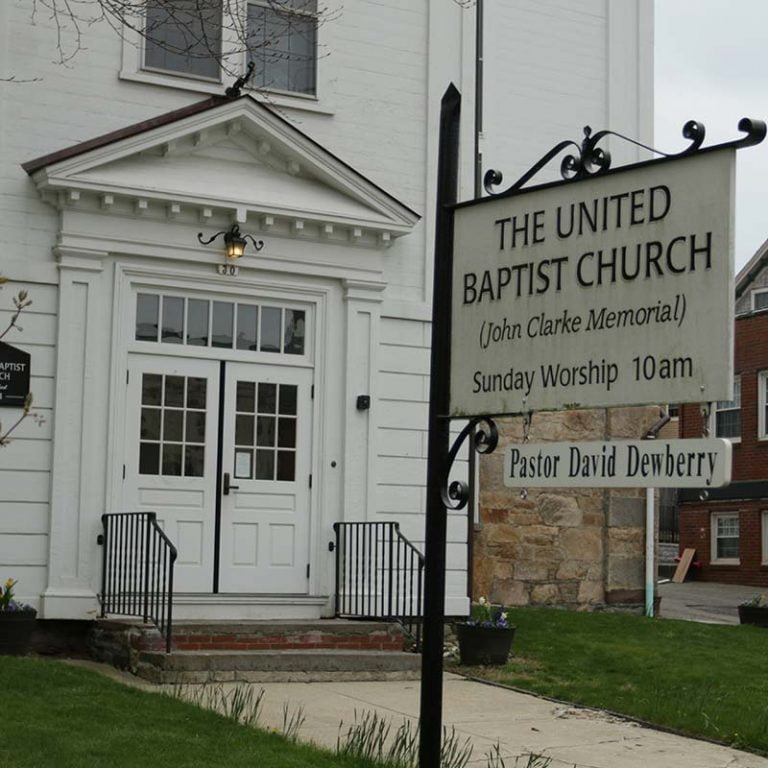
The United Baptist Church in Newport stands among the oldest Baptist congregations in the United States, with roots reaching back to the mid-seventeenth century. Its history reflects not only the development of Baptist life in America but also the broader struggle for religious liberty that helped shape the nation’s identity. The church traces its origins to the 1630s and 1640s, Read more...
Favorite
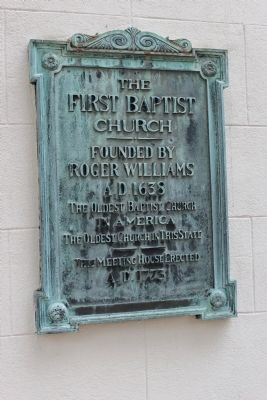
The First Baptist Church in America holds a distinguished place in American religious history as the oldest Baptist congregation in the United States. Founded in 1638, its story is closely tied to the life and convictions of Roger Williams, whose commitment to liberty of conscience helped shape the spiritual and political landscape of the nation. Roger Williams established the church Read more...
Favorite
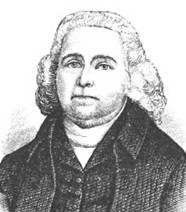
Isaac Backus (1724–1806) stands as one of the most influential Baptist leaders in early American history, particularly known for his tireless advocacy of religious liberty. A pastor, historian, and public spokesman, Backus played a crucial role in shaping the relationship between church and state in the formative years of the United States. Backus was born in Norwich, Connecticut, into a Read more...
Favorite
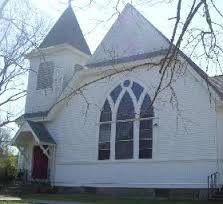
The First Baptist Church of North Middleboro represents a significant chapter in the development of Baptist life in New England. Rooted in the religious ferment of the eighteenth century, the church emerged during a time when questions of faith, authority, and liberty were reshaping the spiritual landscape of colonial America. The origins of the church can be traced to the Read more...

Favorite
At Williams College (Congregational), a twelve-foot-high marble monument, called the Haystack Prayer Meeting Memorial, commemorates “The Birthplace of American Foreign Missions 1806,” out of which came Baptists Adoniram Judson and Luther Rice. See the section, “Haystack Prayer Meeting at Williams College (1806),” in Chapter 17. Copyrighted and used by permission from David Beale, Baptist History in England and America: Personalities, Positions, and Read more...